Ladakh punishes people who arrive in a hurry. The single biggest cause of ruined trips here is not weather, landslides or paperwork, it is landing at Leh at 3,500 metres before lunch and driving to Khardung La the next morning. Get the sequencing right and the rest of the region is generous: high cold desert, apricot villages, eleventh-century murals, and roads that climb above 5,000 metres four separate times.
Choose your entry: fly, or drive in
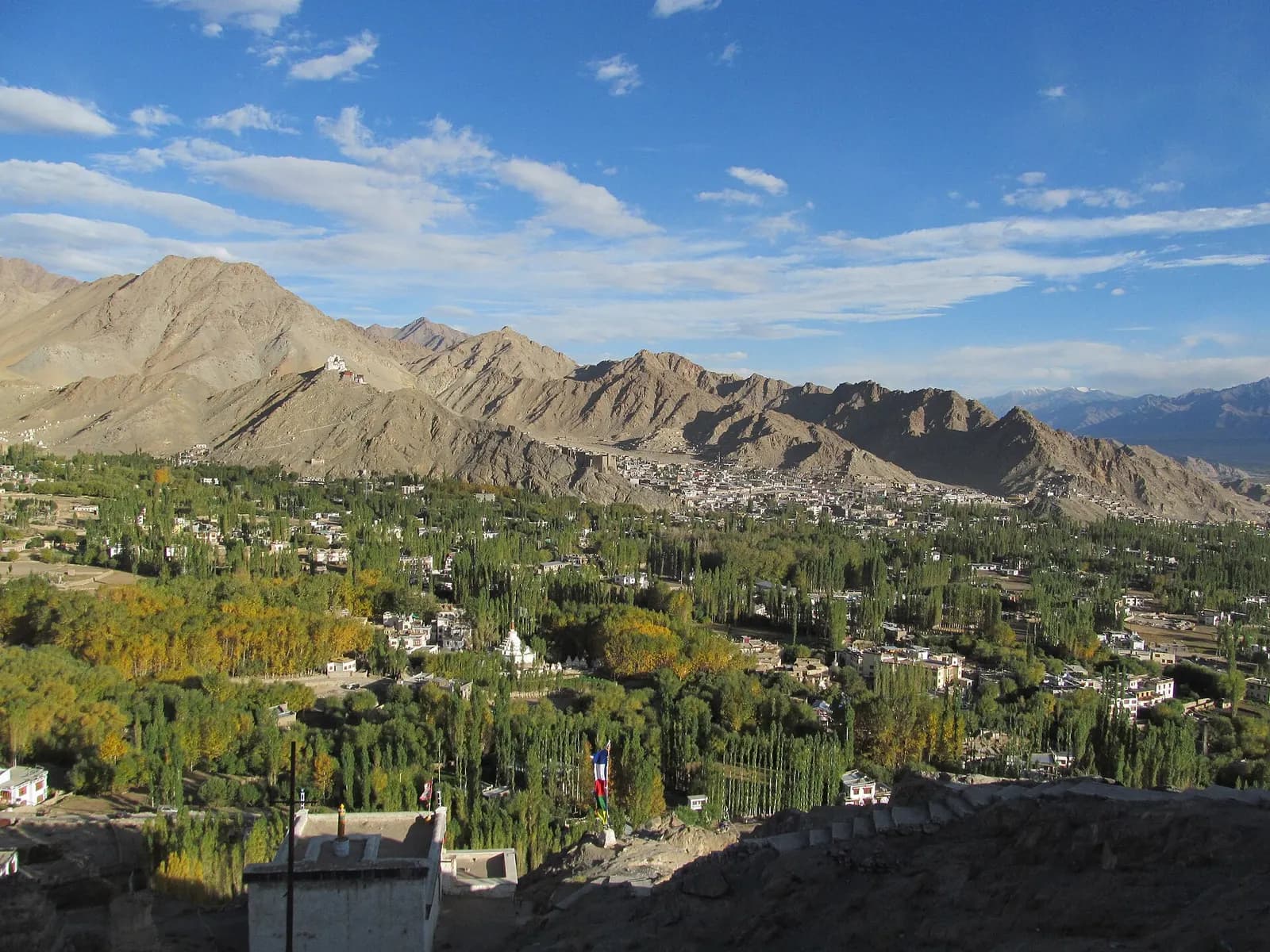
Flying into Kushok Bakula Rimpochee Airport at Leh takes ninety minutes from Delhi and delivers you to 3,500 metres in one jump. It is the easiest option and the one that demands the strictest discipline afterwards: two full days of doing very little.
The Srinagar highway is the gentler road, roughly 420 kilometres over two days through Sonamarg, Zoji La at 3,528 metres, Drass, Kargil, Namika La and Fotu La at 4,108 metres, the highest point on that route. Because you gain altitude in stages and sleep a night at Kargil around 2,700 metres, your body arrives at Leh already halfway acclimatised. It usually opens by late April or early May.
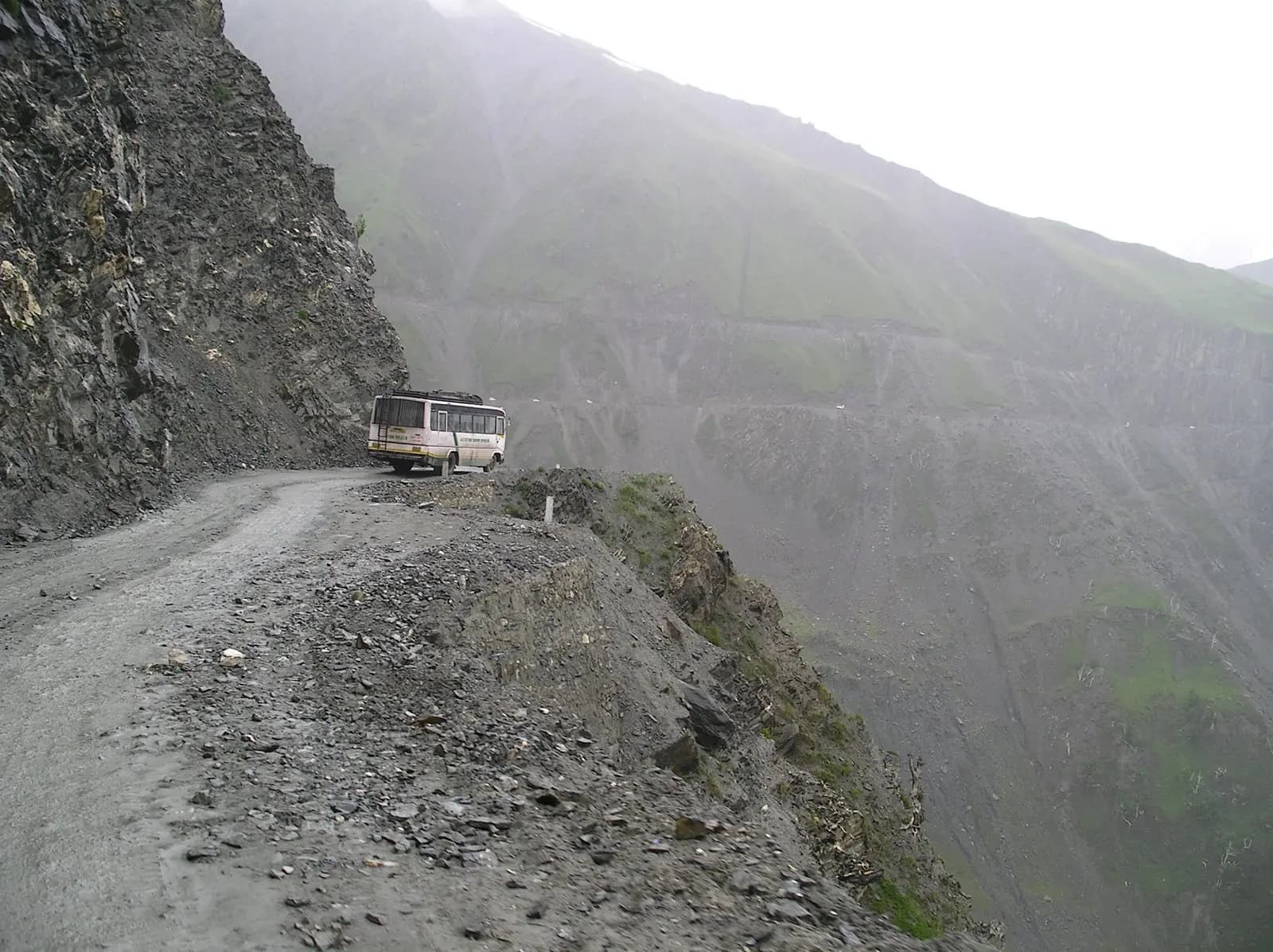
The Manali highway is the harder and more spectacular one, about 430 kilometres, normally open from late May or early June to early October. The Atal Tunnel, nine kilometres long, now takes you under Rohtang, but Baralacha La at 4,890 metres, Nakee La, Lachulung La at 5,059 metres and Tanglang La at 5,328 metres are still ahead, along with the twenty-one hairpins of Gata Loops and the flat astonishment of the More Plains. Sleeping at Sarchu, above 4,200 metres, on your second day out of Manali is where most altitude sickness on this route begins; Jispa at 3,200 metres is the wiser halt.
The best-planned trips go up from Srinagar and down to Manali.
Acclimatisation, seriously
Give Leh two nights before you drive anywhere high. Day one is horizontal: Leh Palace at most, plus Shanti Stupa at sunset if you feel fine. Day two is the low loop, which is also excellent sightseeing: Thiksey monastery for the seven o'clock morning prayers and its fifteen-metre Maitreya, Hemis, Stok, the Indus and Zanskar confluence at Nimmu, Magnetic Hill and Gurudwara Pathar Sahib.
Drink three to four litres a day, skip alcohol for forty-eight hours, and eat lightly. Headache with nausea, breathlessness at rest or unsteady walking means you descend, not rest. Ask your doctor about acetazolamide before you travel rather than buying it in Leh. Every hotel can arrange oxygen and there is a well-run hospital at Leh, but the only real cure at altitude is losing height.
Permits and paperwork
Ladakh has been a Union Territory since 2019 and permit rules are enforced. Indian nationals need an Inner Line Permit for Nubra, Khardung La, Pangong, Tso Moriri, Hanle, Turtuk and Dah-Hanu; foreign nationals need a Protected Area Permit and cannot travel solo to some of these. Apply on the district administration's online portal or through your operator; budget roughly INR 400 as a one-time environment fee plus about INR 20 per person per day in wildlife and Red Cross charges.
Carry at least six photocopies. Checkposts at Khardung La, Durbuk, Chang La, Upshi and Chumathang each keep one, and there is no photocopier at 5,300 metres.
The classic twelve-day loop
- Days 1 and 2: Leh, acclimatising, plus the Indus valley monasteries
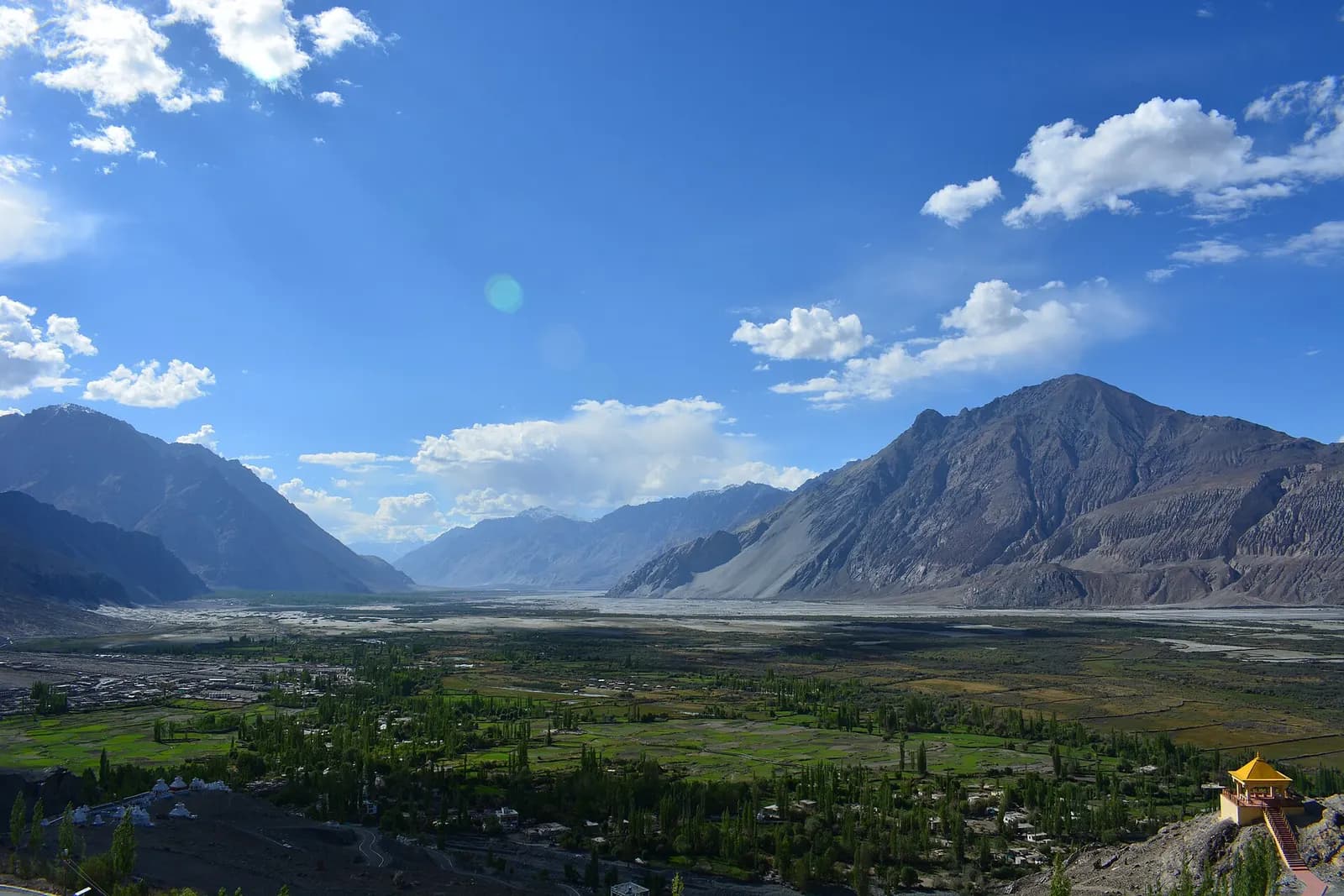
- Day 3: Leh to Diskit in Nubra, 118 kilometres over Khardung La at about 5,359 metres, five hours; Diskit monastery and the thirty-two-metre Maitreya over the valley
- Day 4: Hunder dunes and Bactrian camels, then Turtuk, a Balti village that only opened to visitors in 2010
- Day 5: Nubra to Pangong Tso by the Shyok river road, six to seven hours; stay at Spangmik or Man
- Day 6: Pangong sunrise, then over Chang La at 5,360 metres to Leh
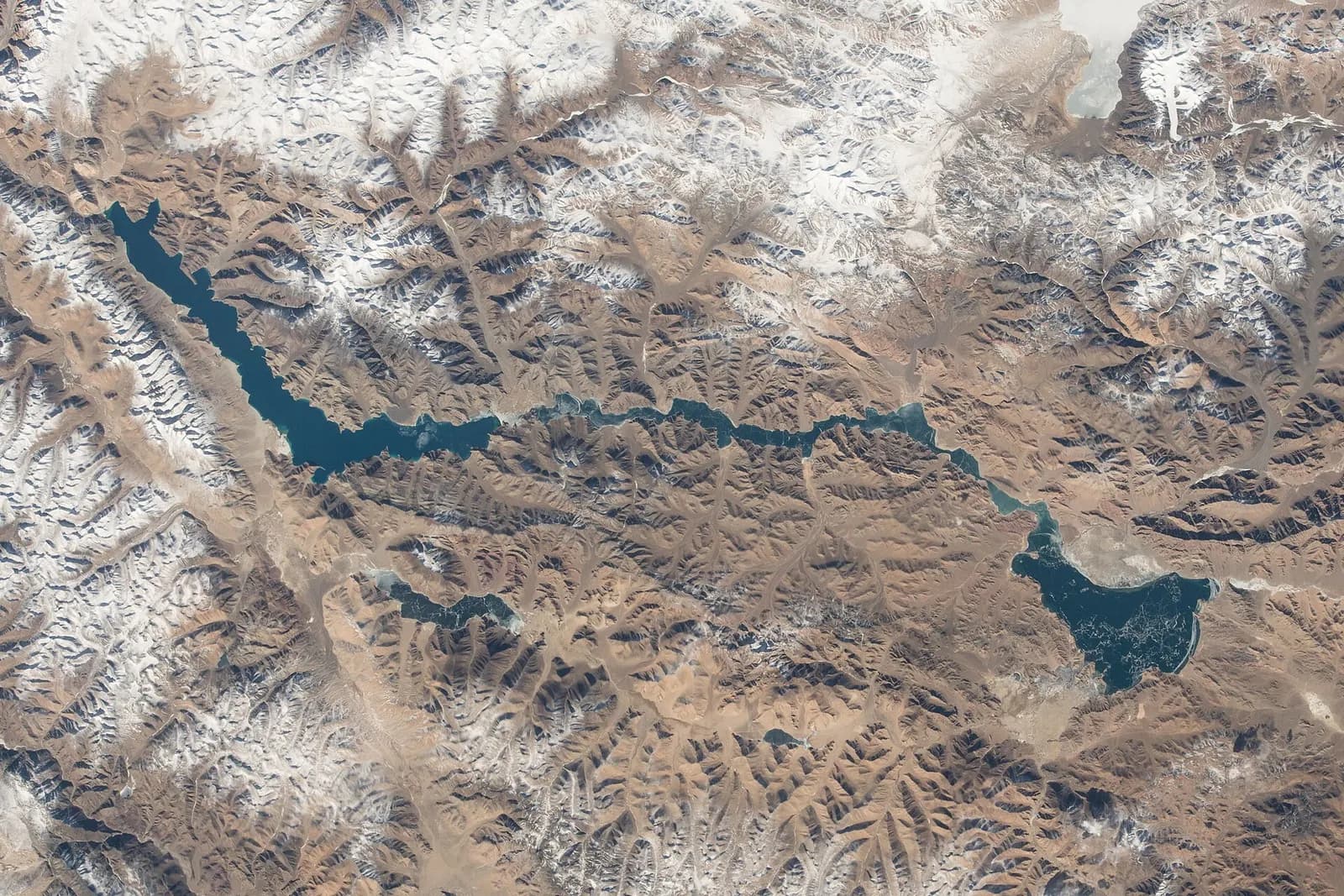
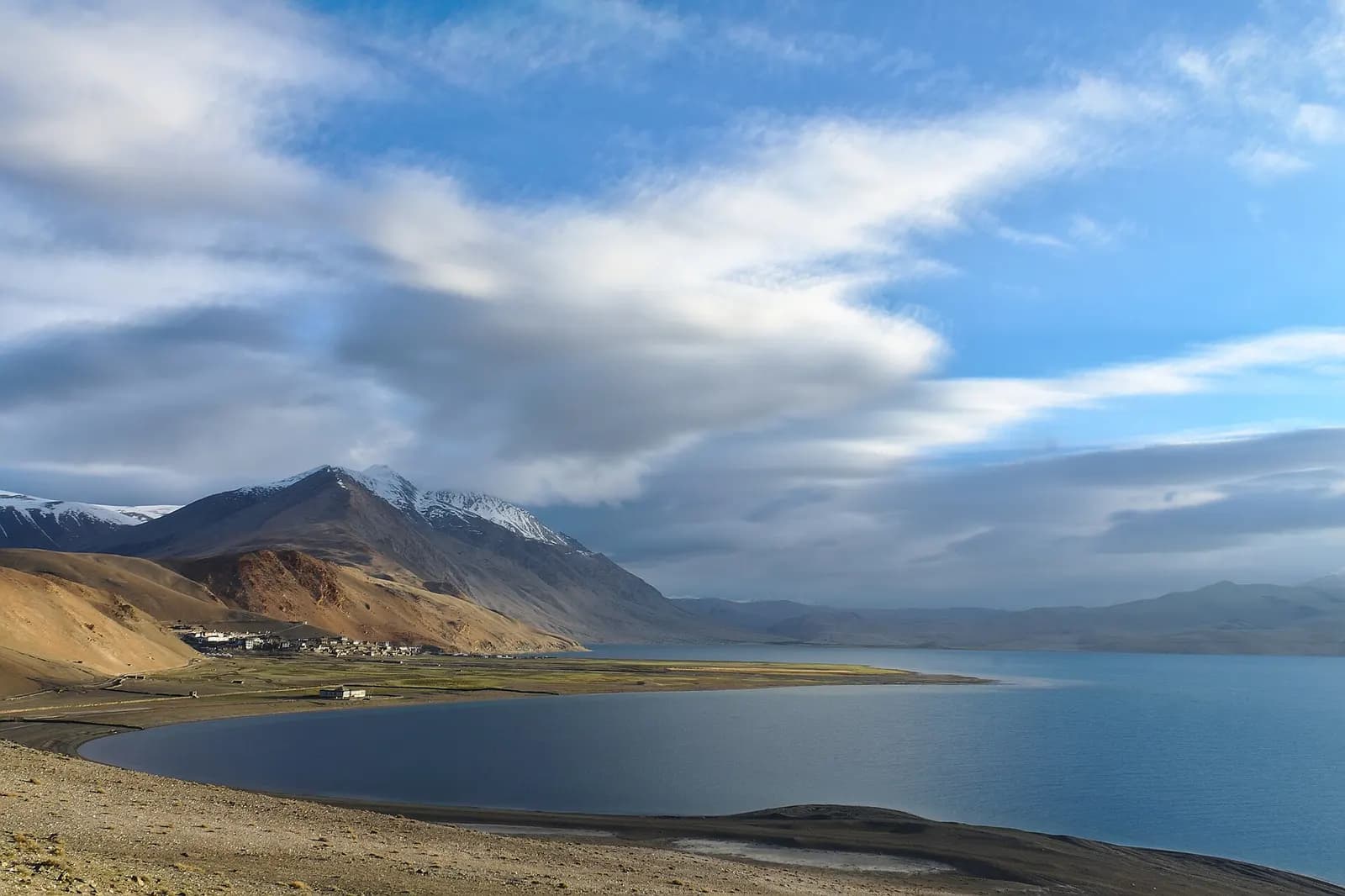
- Day 7: Leh to Tso Moriri, 220 kilometres via Chumathang hot springs; Korzok village sits at 4,522 metres and is one of the highest year-round settlements anywhere
- Day 8: Tso Moriri to Leh through the Puga and Tsokar basins
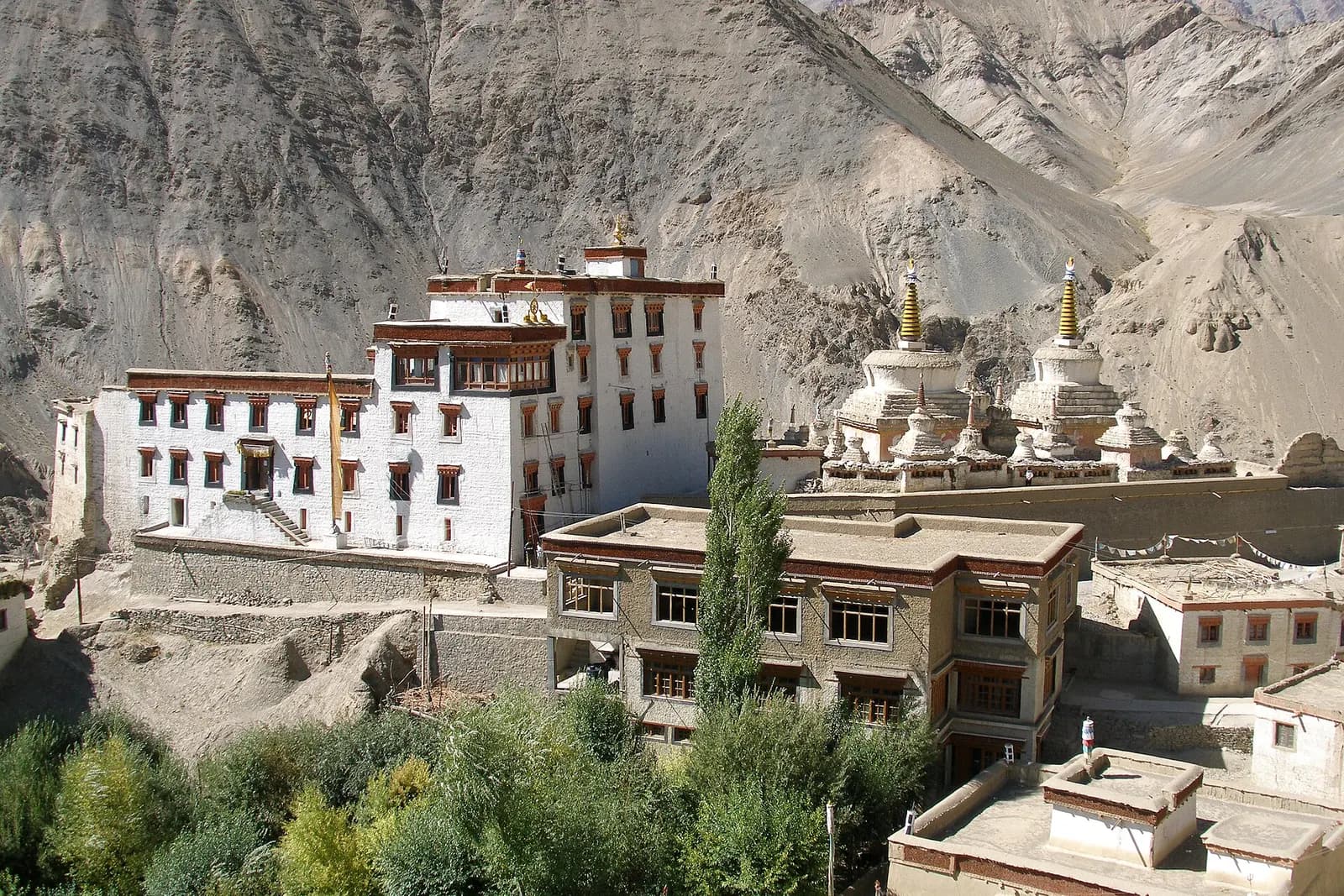
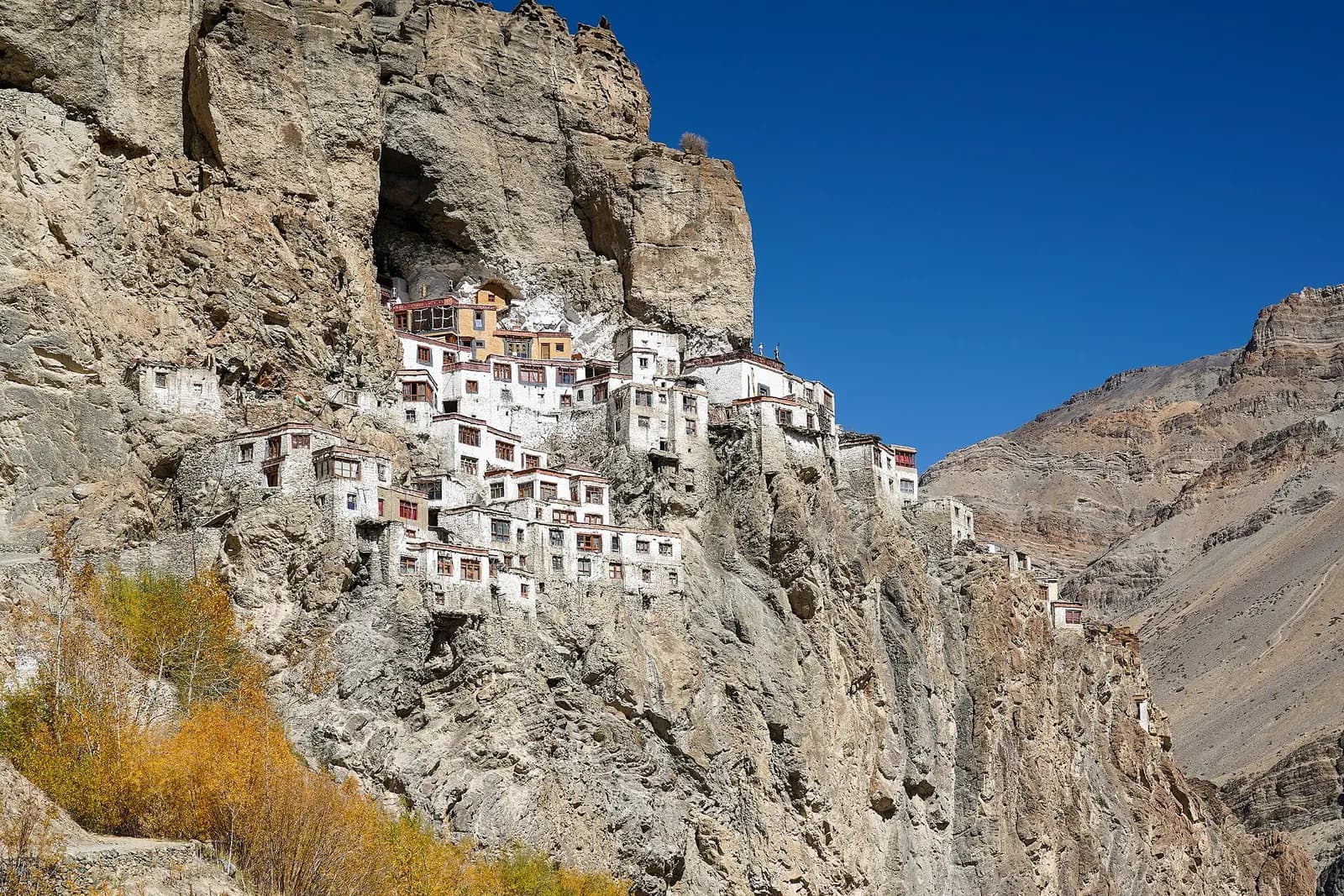
- Days 9 to 12: west to Alchi for its eleventh-century Kashmiri murals, Lamayuru's moonland badlands, and the long descent to Srinagar; or south over the new Shinku La road into Zanskar for Padum, Karsha and Phugtal
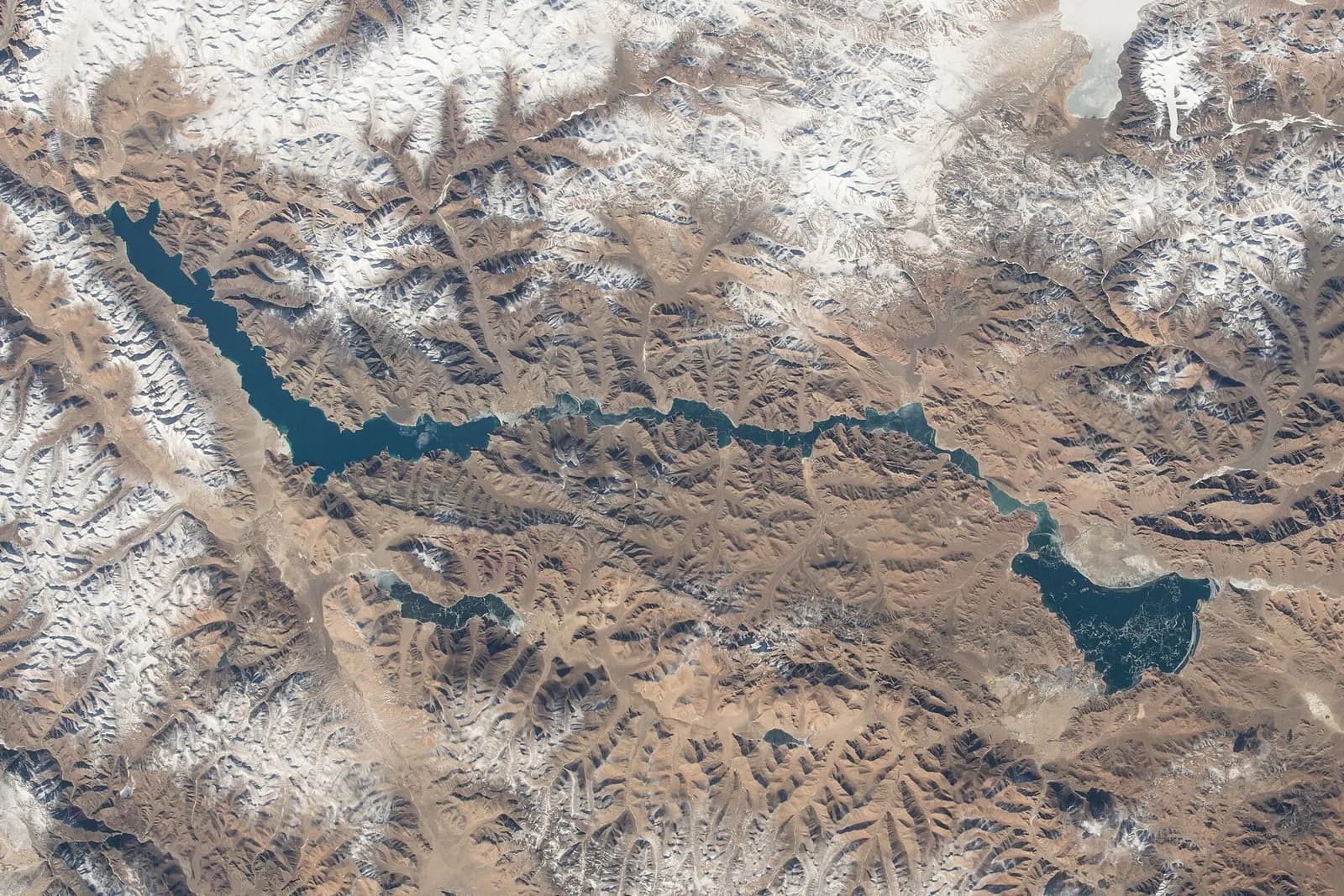
Pangong sits at about 4,350 metres, runs 134 kilometres long and is two-thirds inside Chinese-controlled Tibet. Both Pangong and Tso Moriri are brackish, so carry your own water.
Vehicles, fuel and money
A Royal Enfield Himalayan or Classic rents in Leh for INR 1,800 to 2,500 a day plus fuel; an Innova or Xylo with driver runs INR 4,000 to 6,000 a day. One local rule catches many riders out: motorcycles registered outside Ladakh, including Manali and Delhi rentals, are not permitted on local sightseeing routes, so ride your own bike in but rent a Leh-registered machine for Nubra and Pangong.
Fill up at Karu before Pangong and Diskit before the deep Nubra villages. On the Manali road the pump at Tandi is the last for 365 kilometres, so carry a jerrycan. Mobile signal is patchy and only postpaid Indian SIMs work in Ladakh; carry cash, because ATMs beyond Leh, Diskit and Karu are unreliable.
When to go
Mid-June to mid-September is the full circuit season, with July and August warmest and busiest. May and late September are beautiful and colder, with some lakes and passes uncertain. Winter is for a different trip entirely: the frozen Chadar walk on the Zanskar in January and February, snow leopard tracking in the Hemis high range, and Losar in the villages.
FAQs
How many days do I need for Ladakh?
Seven is the workable minimum for Leh, Nubra and Pangong. Ten to twelve lets you add Tso Moriri or the western monasteries without spending every day in a car. Under five days, fly in and stay in the Indus valley.
Is it safe to drive there yourself?
Yes, if you are experienced with water crossings, loose gravel and long stretches without help. Start early, because streams swell by afternoon melt, and never plan to cross a high pass after four in the evening.
Can I take children or older parents?
Children over about eight usually do well; anyone with heart or lung conditions should get medical clearance. Enter via Srinagar for the gradual climb, and keep sleeping altitudes below 4,000 metres.
Which lake if I can only see one?
Tso Moriri. Pangong is more famous and more photographed, but Korzok, the Changpa herders and the emptiness around Tso Moriri feel closer to what Ladakh actually is.
Send DEVGAMAN your dates and travel style on WhatsApp and we will build a Ladakh route around your acclimatisation curve, not a template, with permits, a driver who knows the Shyok crossings, and stays that are worth waking up in.
Places in this story
Plan this trip
 10 days · 9 nights
Themes:AdventureNaturePhotography
Challenging · Best Jun–Sep
Srinagar to Leh: The Himalayan Crossing
Ten days over Zoji La and Khardung La to Pangong Tso
Route: Srinagar → Sonamarg → Lamayuru → Leh +2 more
- Group
- 2–6 (private)
- From
- ₹1,38,000 pp
Tagsladakh · road trip · leh · himalaya · high passes · permits · acclimatisation