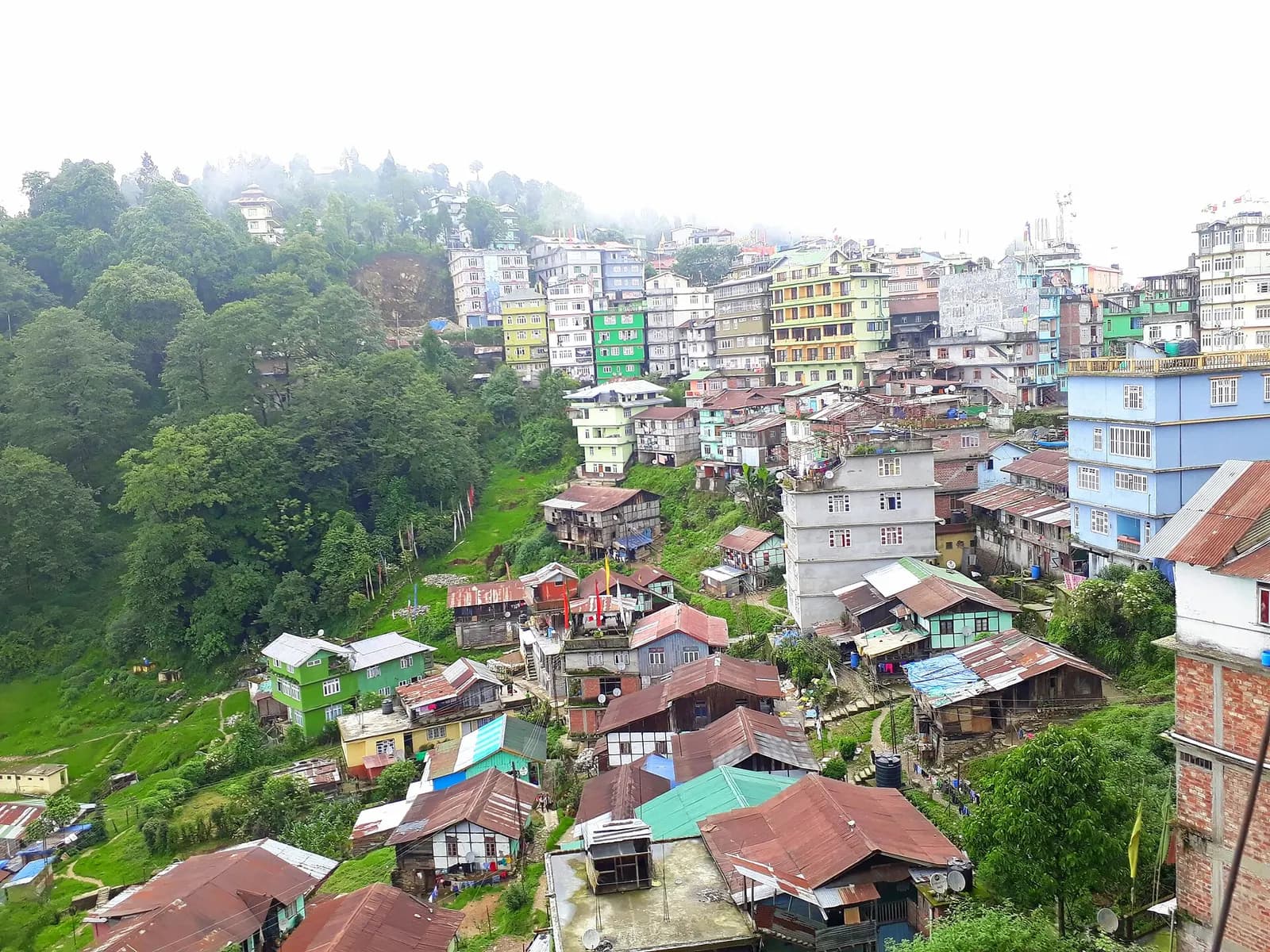
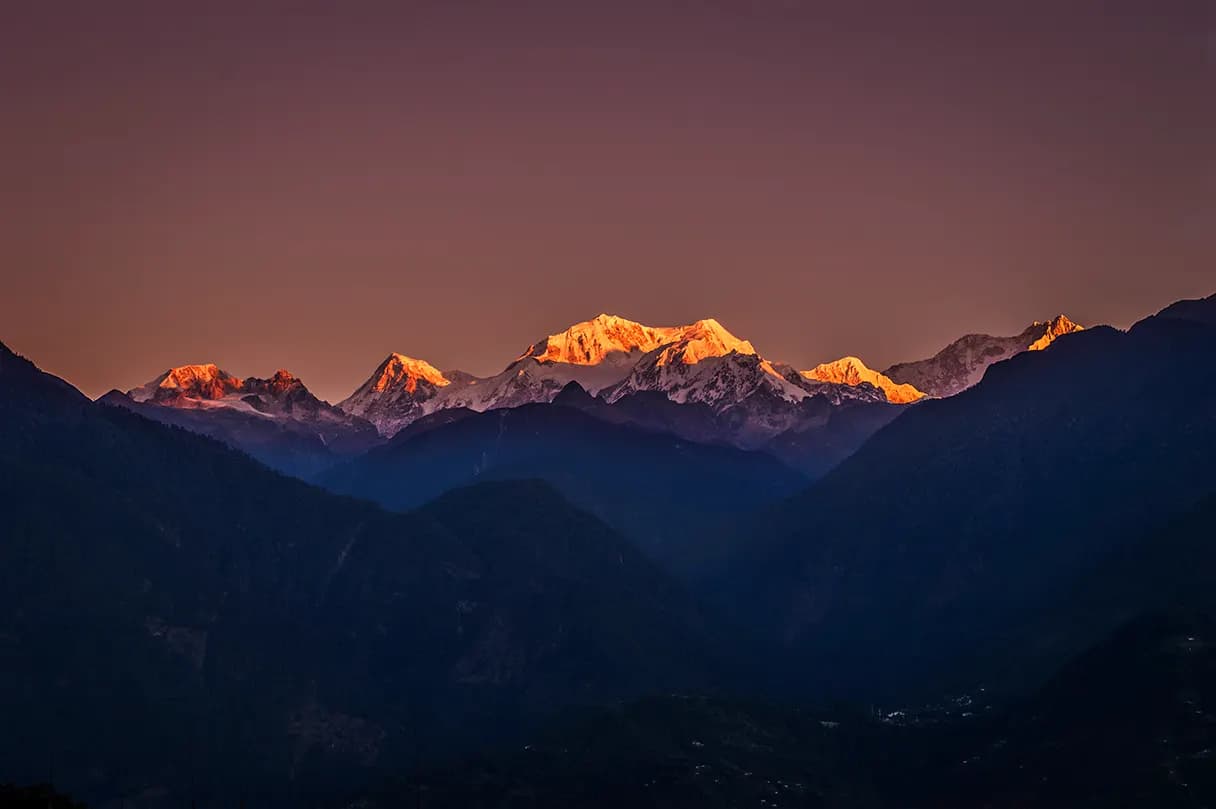
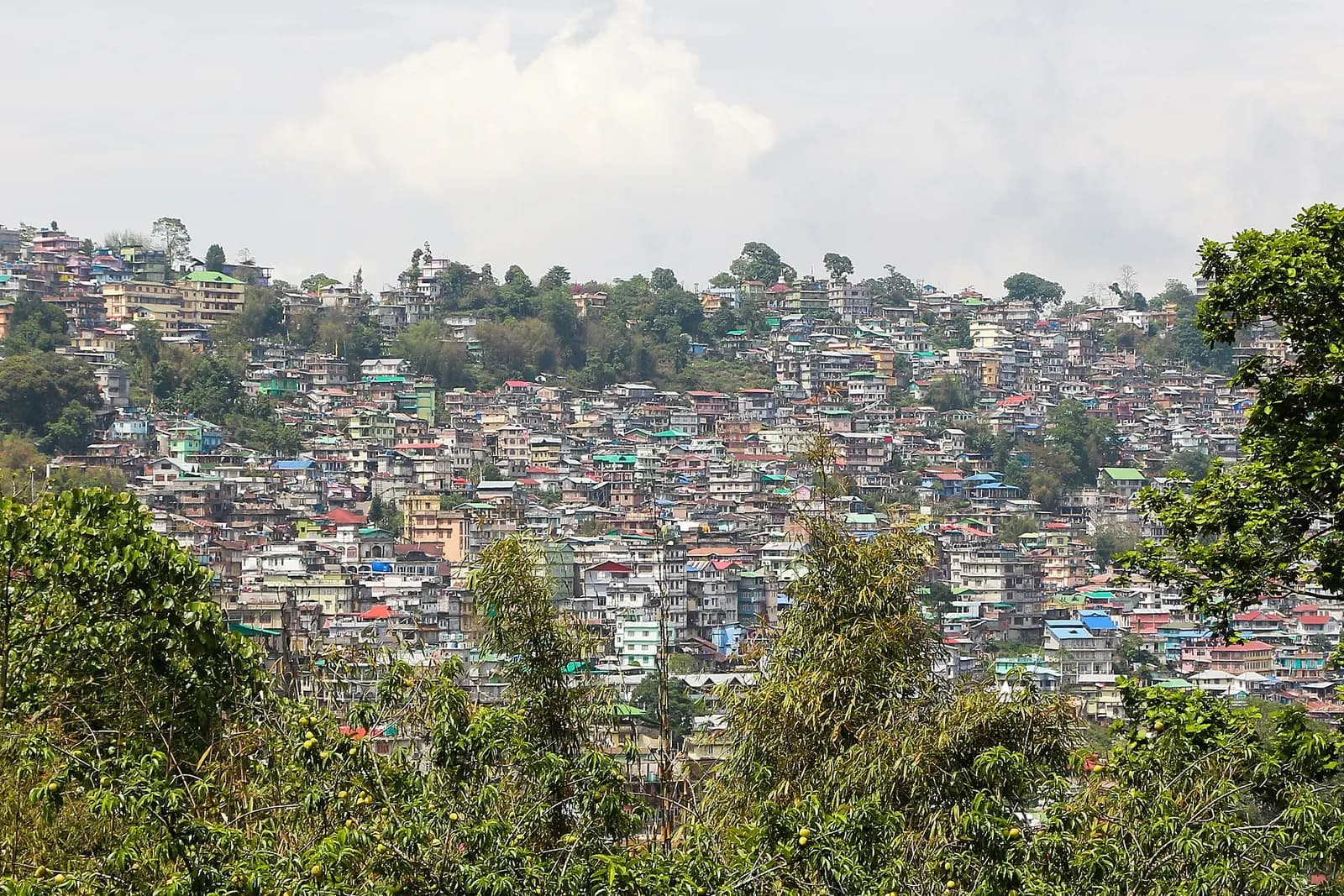
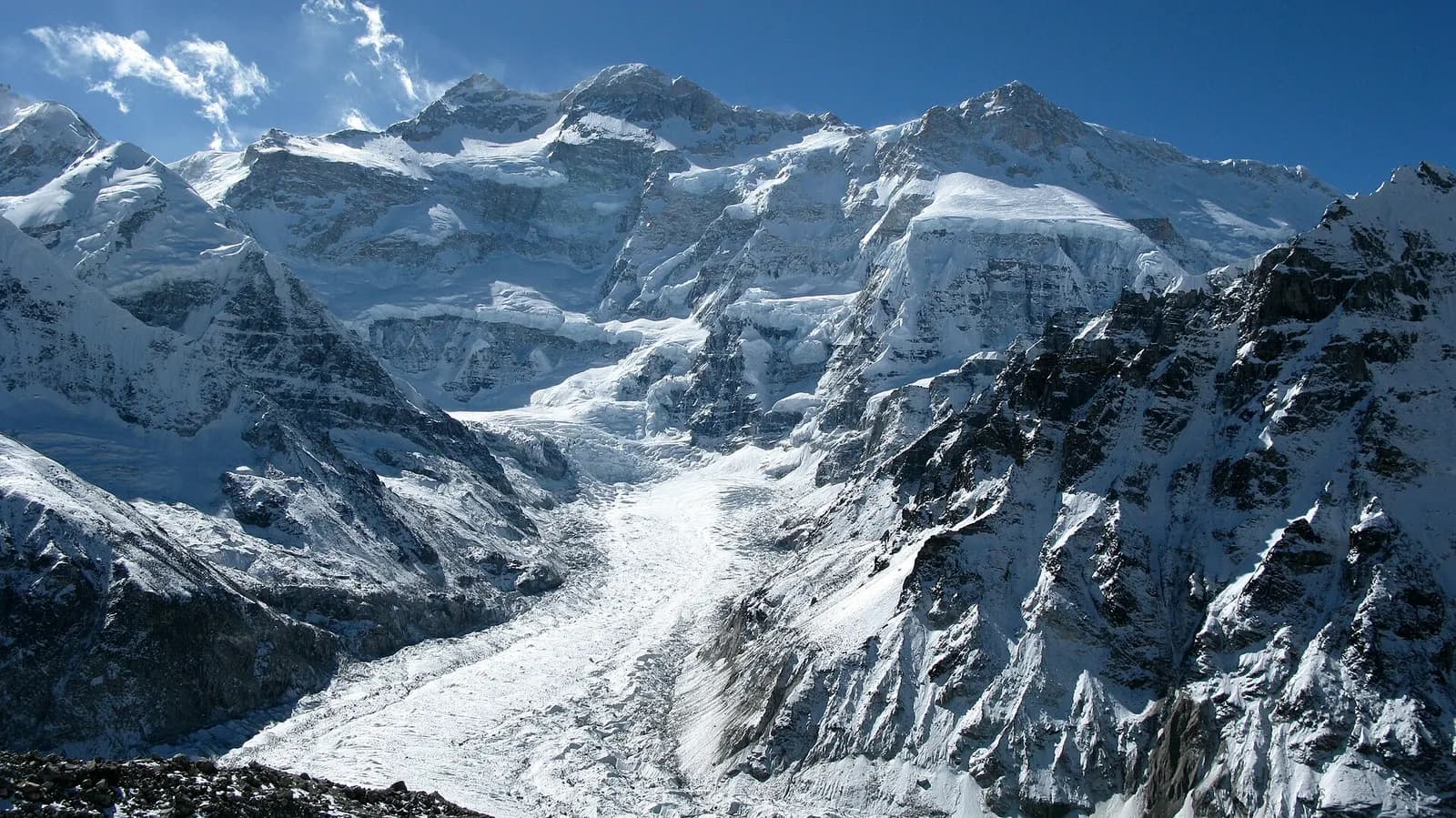
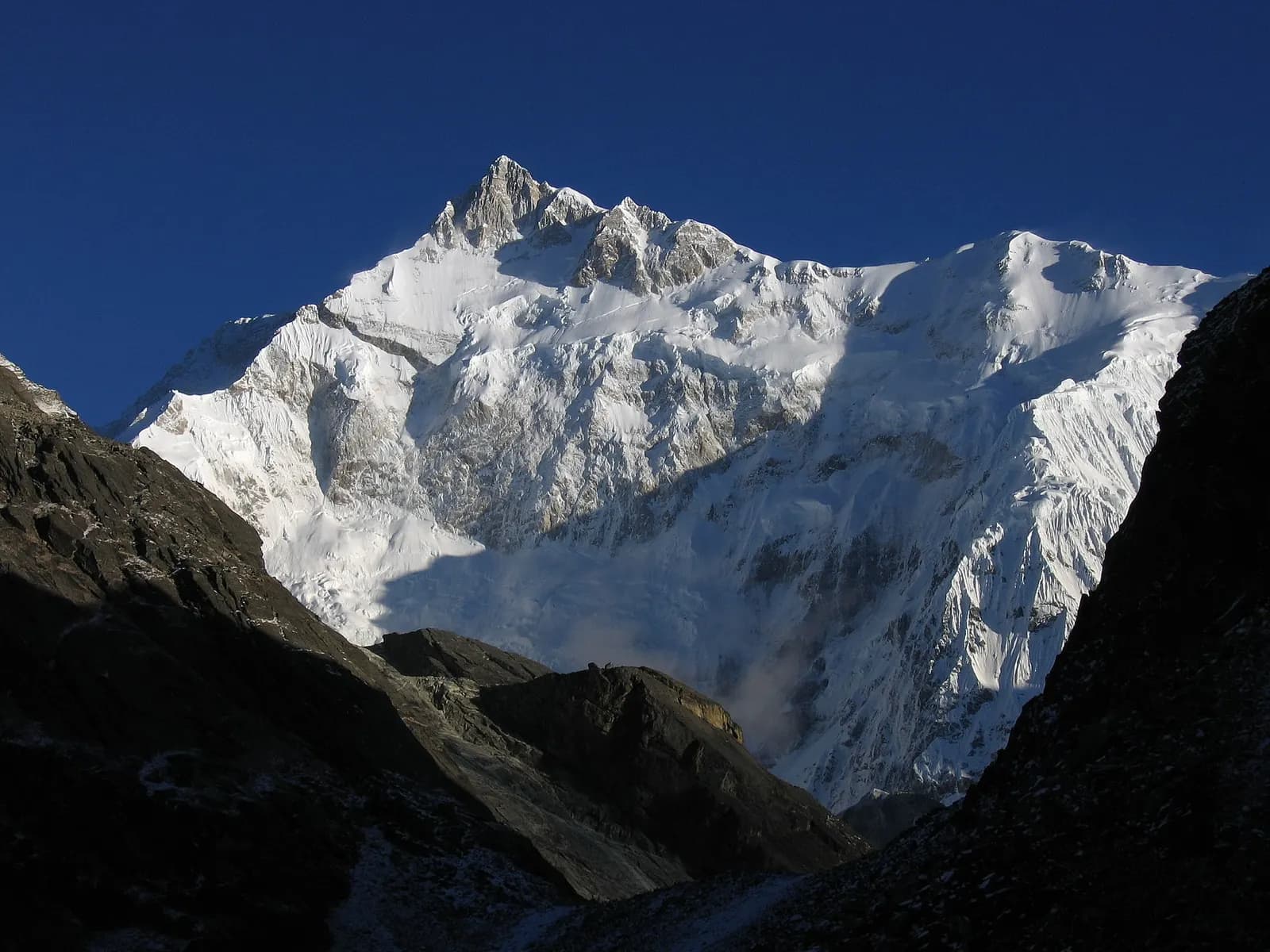
Gangtok grew around Enchey Monastery, built above the ridge in 1840, and became the capital of Sikkim in 1894 when the ninth Chogyal, Thutob Namgyal, moved his court here from Tumlong. For seventy years afterwards it was a customs town on the mule route to Lhasa through Nathu La, and the wool, silk and yak-tail caravans stopped only when the 1962 war closed the pass. The city holds a single steep ridge at about 1,650 metres, so every street is either a climb or a descent, and on clear October mornings Kanchenjunga fills the northern sky from Tashi View Point.
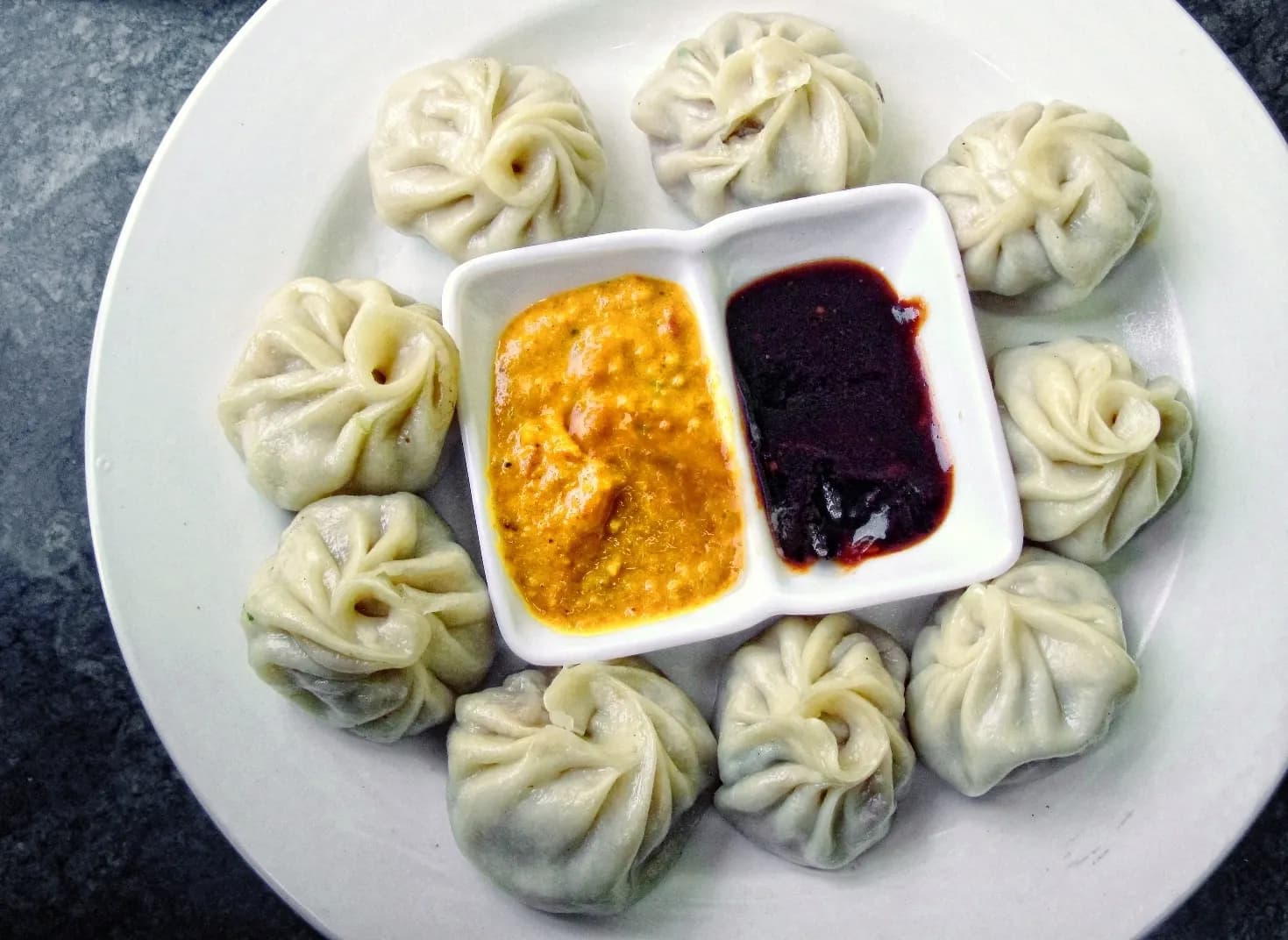
A day usually starts with butter lamps and juniper smoke at Enchey, then crosses the valley to Rumtek, seat of the Karmapa and the largest monastery in Sikkim, where the golden reliquary stupa stands behind a screen upstairs. Afternoons go to the Namgyal Institute of Tibetology, a serious collection of Tibetan thangkas, ritual masks and Lepcha manuscripts, and to the ring of 108 prayer wheels around Do Drul Chorten. By six the whole town is walking MG Marg, a pedestrian boulevard with benches, no cars and no litter, eating pork momos and drinking millet tongba through a bamboo straw.
Gangtok matters because it is the gate: every permit for Nathu La, Lachung and Gurudongmar is issued here, and it remains the tidiest, most quietly confident hill capital in India.
 Street food