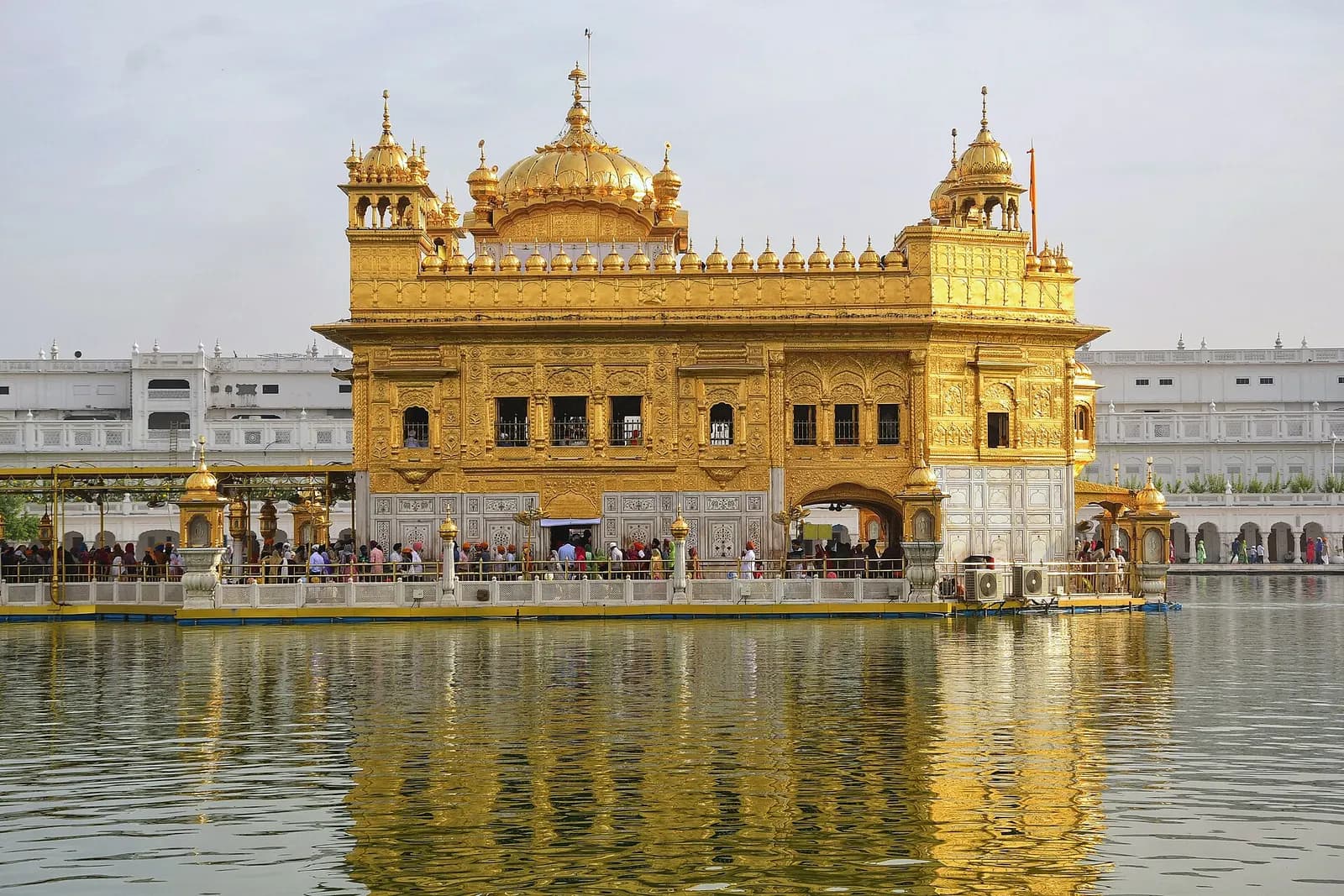
The Harmandir Sahib sits in the middle of a square pool, its upper storeys covered in gold leaf that Maharaja Ranjit Singh paid for in the 1830s, and the marble parikrama around the water is polished by millions of bare feet. Come at four in the morning to watch the Guru Granth Sahib carried from the Akal Takht in a palanquin, and again at night when the lights go on and the reflection doubles the temple. Between visits eat in the langar hall, where volunteers serve dal, roti and kheer to anyone who sits on the floor, and where you can wash dishes afterwards if you like.
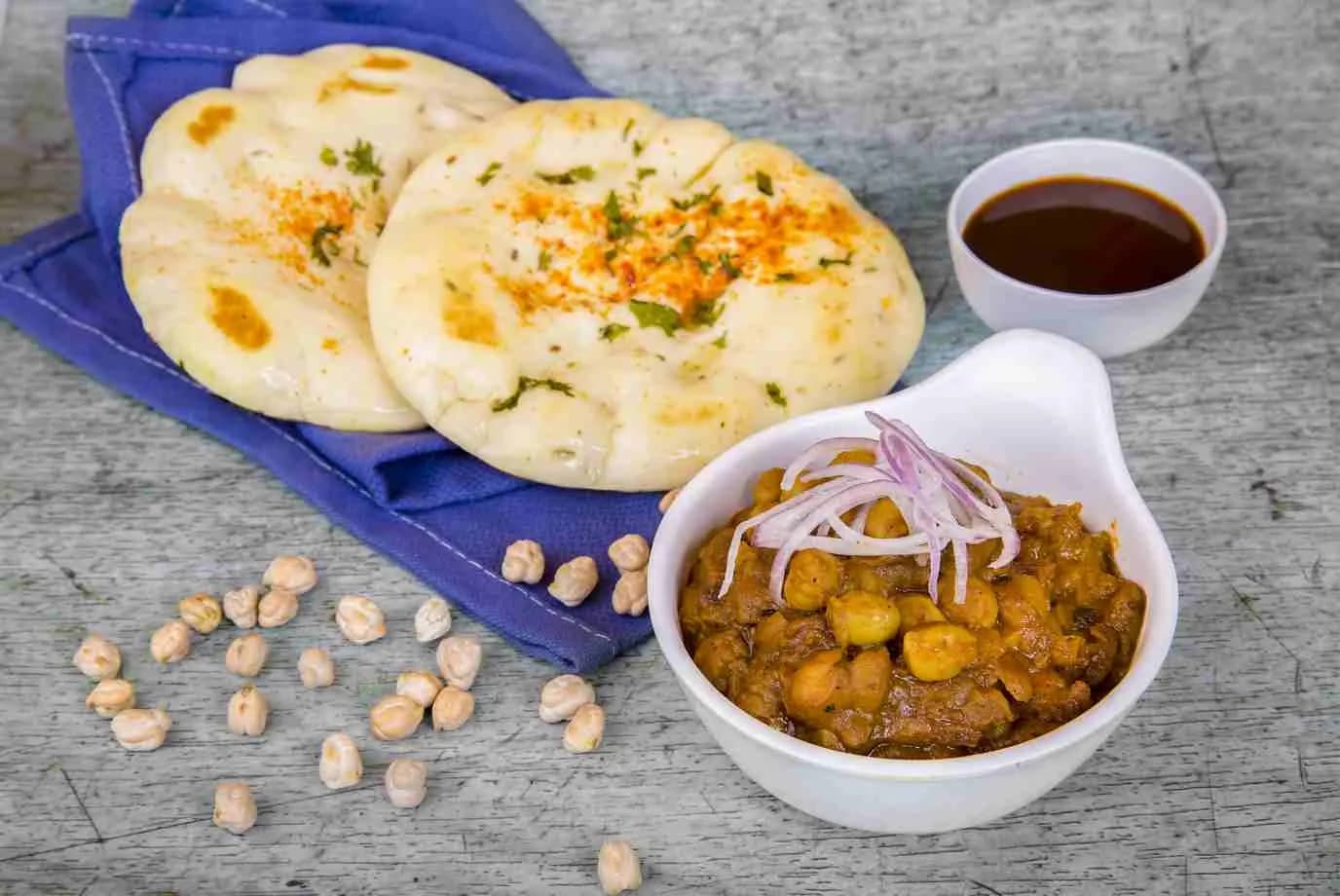
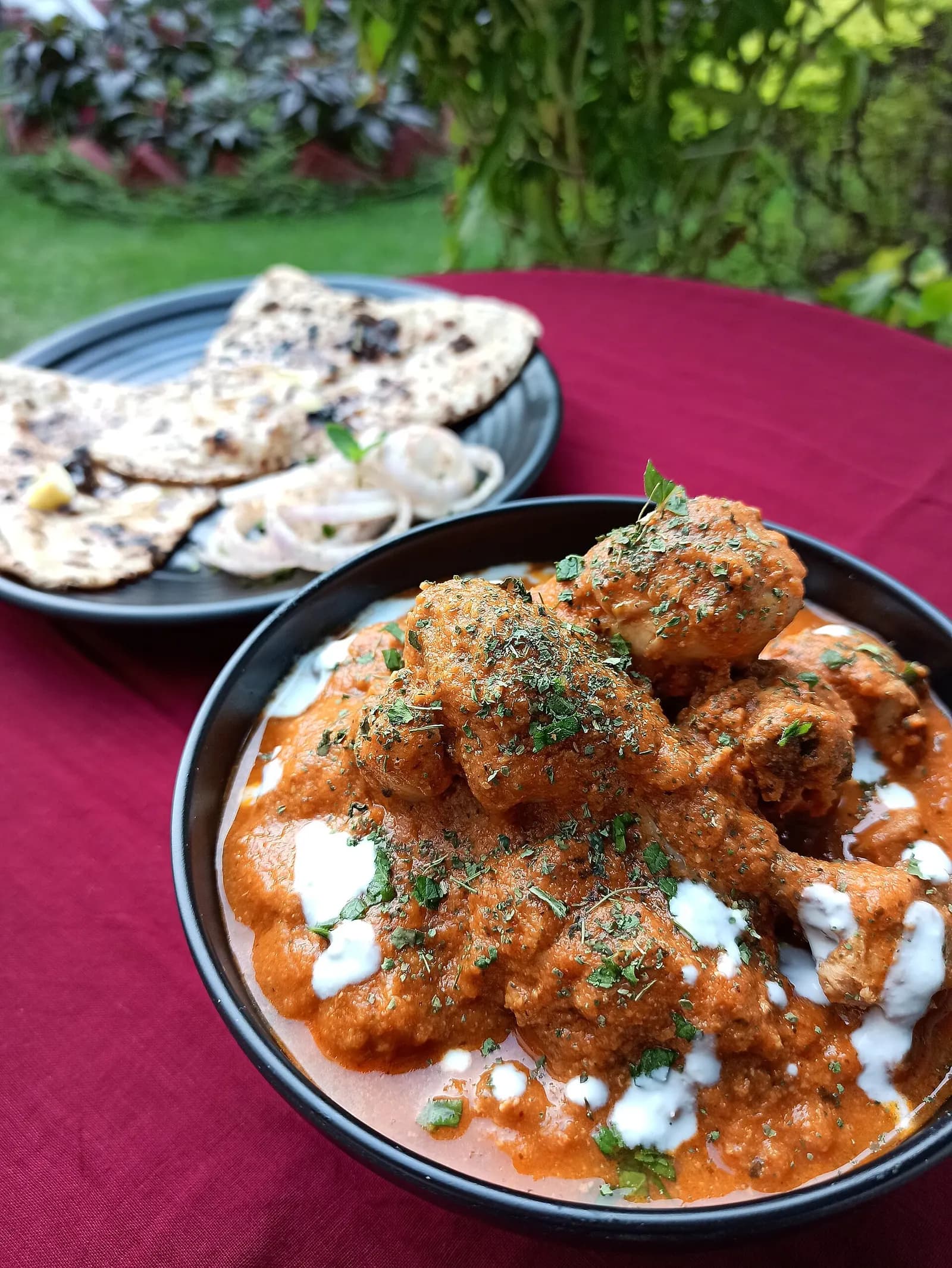
Jallianwala Bagh, two minutes away, is the walled garden where General Dyer's troops fired on a crowd in April 1919; the bullet marks are still in the bricks. The Partition Museum in the old Town Hall tells the story of 1947 through letters, trunks and recorded voices, and Gobindgarh Fort has been restored with light shows and a whisky museum. The old city has Hall Bazaar for phulkari shawls and juttis, Kesar da Dhaba for dal makhani, and Kulcha Land for the crisp, ghee-dripping Amritsari kulcha with chole and onion.
In the late afternoon, drive 30 km to the Attari–Wagah border for the retreat ceremony, where Indian and Pakistani soldiers high-kick, glare and lower the flags in a show that draws thousands. In winter, mornings are foggy and the temple gleams through the mist.
 Non-veg