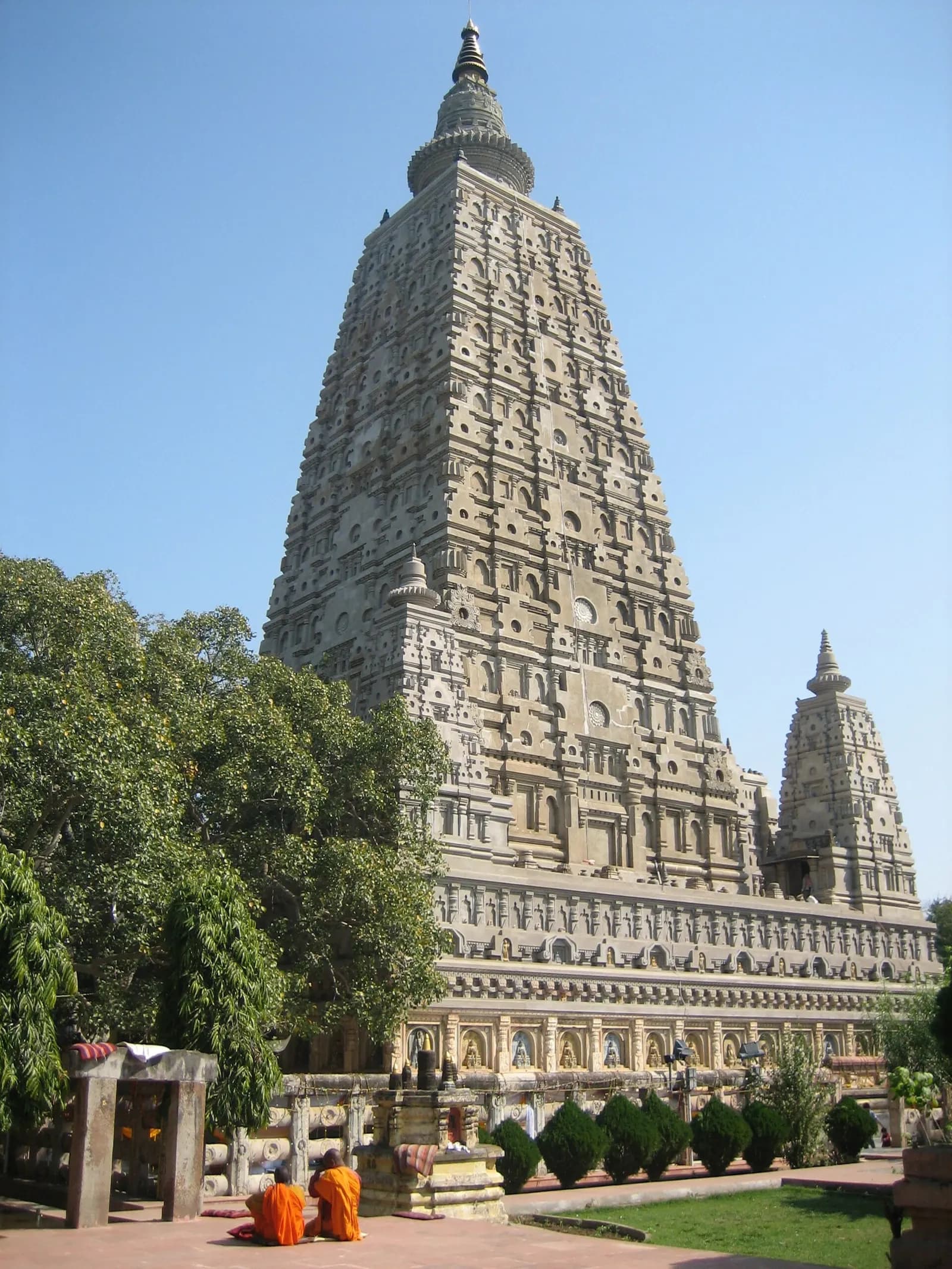
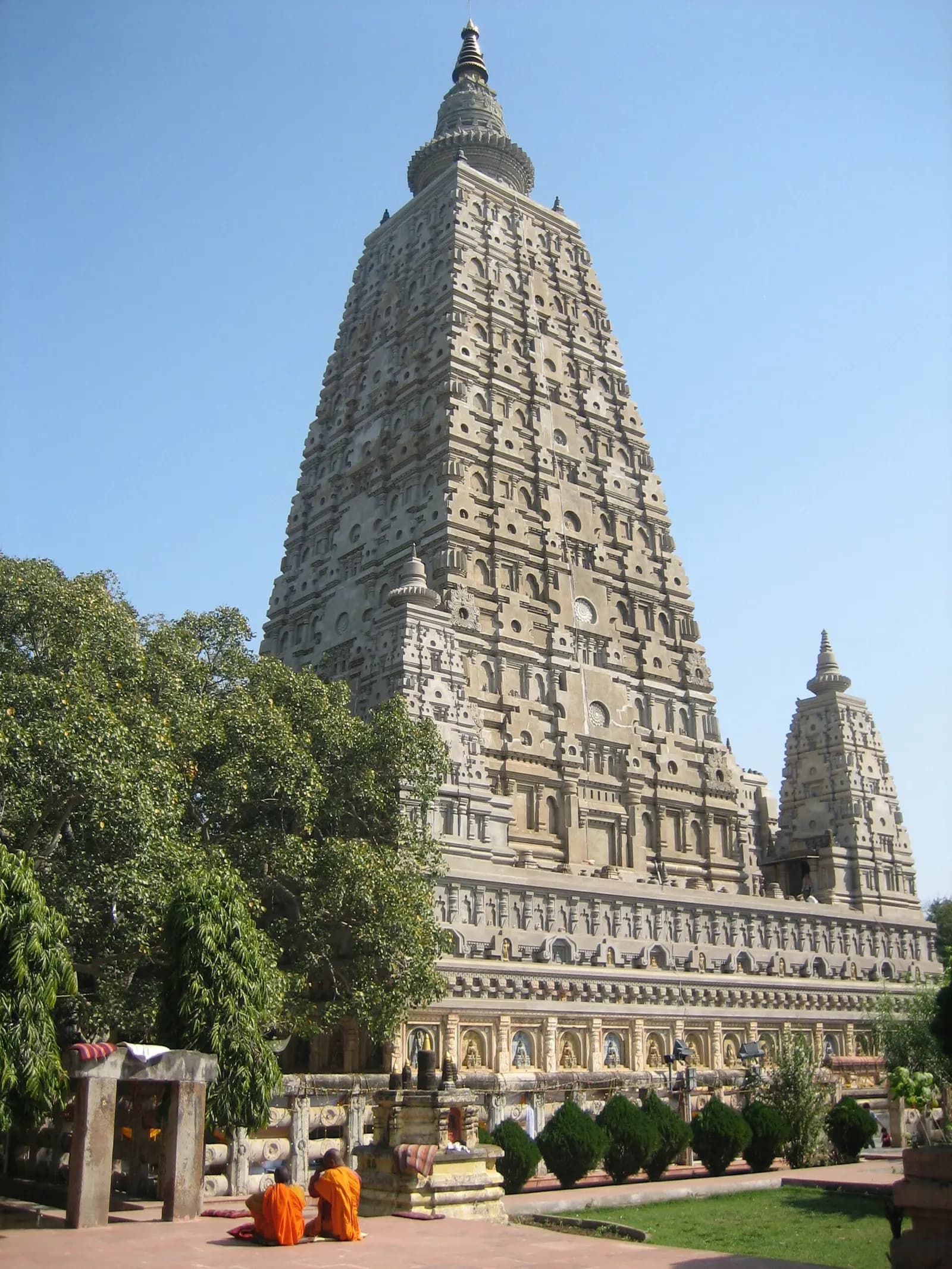
Bodh Gaya marks the exact spot of the Buddha's awakening, and the continuity is startling: the Bodhi tree behind the Mahabodhi Temple is a direct descendant of the original, replanted from a sapling of the tree that Ashoka's daughter Sanghamitta carried to Sri Lanka in the third century BCE. Ashoka raised the first shrine here; the fifty-five-metre brick tower you see today is essentially a Gupta-period building of the sixth century, restored in the 1880s and inscribed by UNESCO in 2002. Inside sits a gilded Buddha in the earth-touching gesture, facing east as he did that night.
Around the temple are seven stations marking the weeks after the enlightenment, among them the Animeshlocha Stupa where he gazed unblinking at the tree, and the Ratnachankramana, the jewelled walk. The compound is at its best before six in the morning, when Tibetan monks perform full-length prostrations on wooden boards, Sri Lankan pilgrims chant in Pali, and the leaves of the Bodhi tree turn over in the first light. Outside, the town is a map of the Buddhist world: Thai, Japanese, Bhutanese, Burmese and Vietnamese monasteries, each in its own architecture, and an eighty-foot sandstone Buddha consecrated by the Dalai Lama in 1989.
Cross the sandy Falgu to the Sujata Stupa, where a village girl fed the starving ascetic the rice milk that ended his austerities.
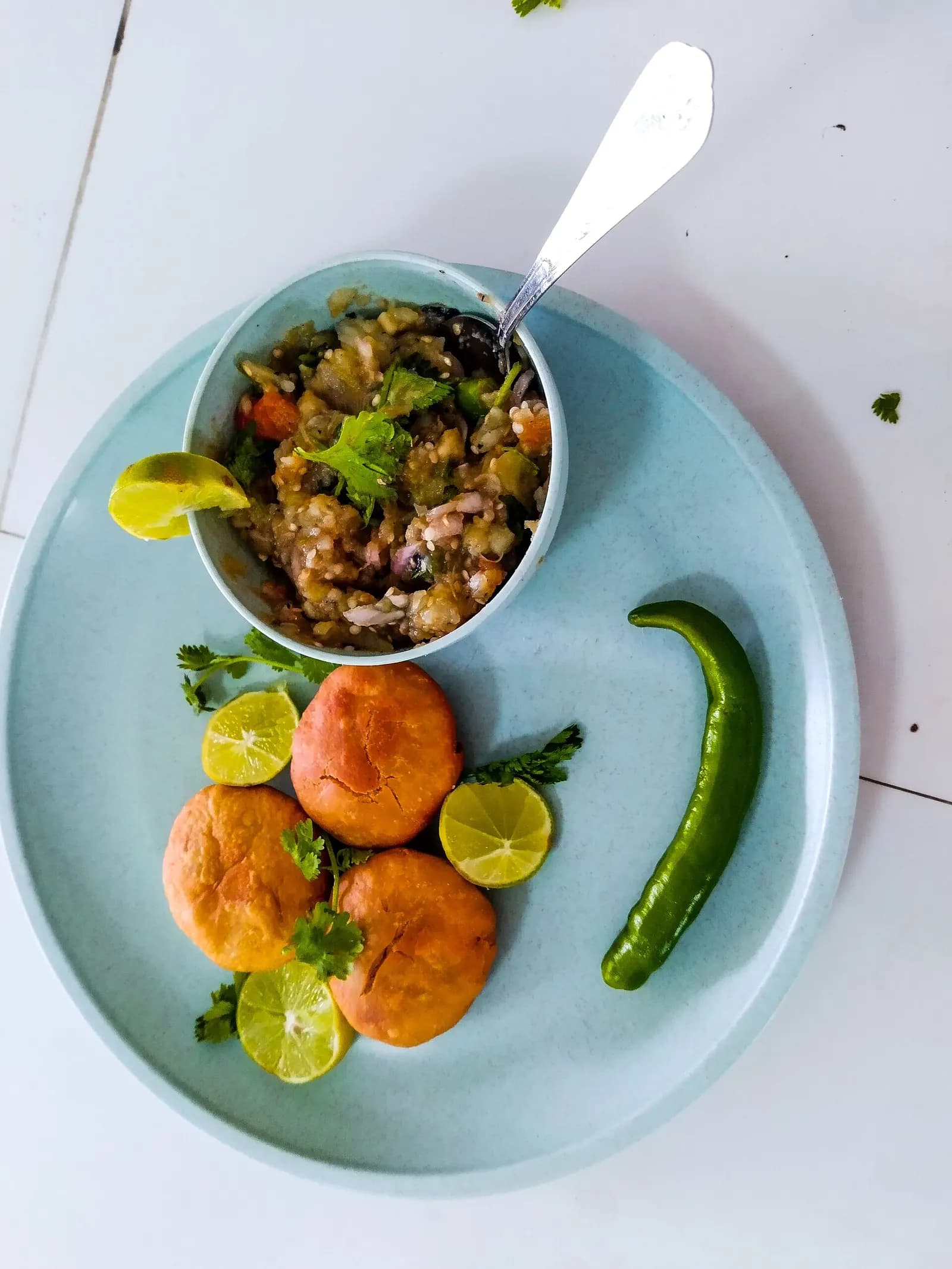 Vegetarian