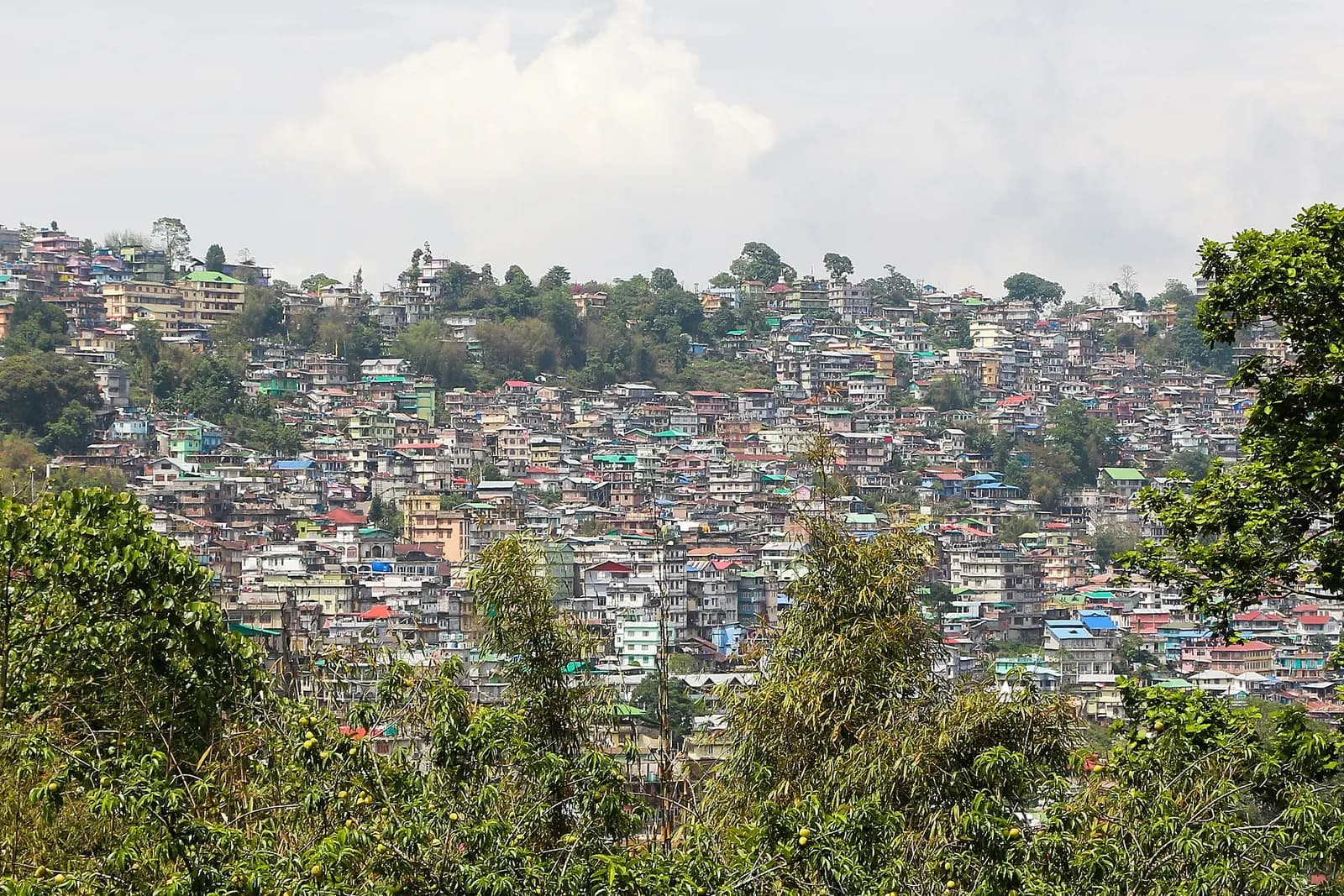
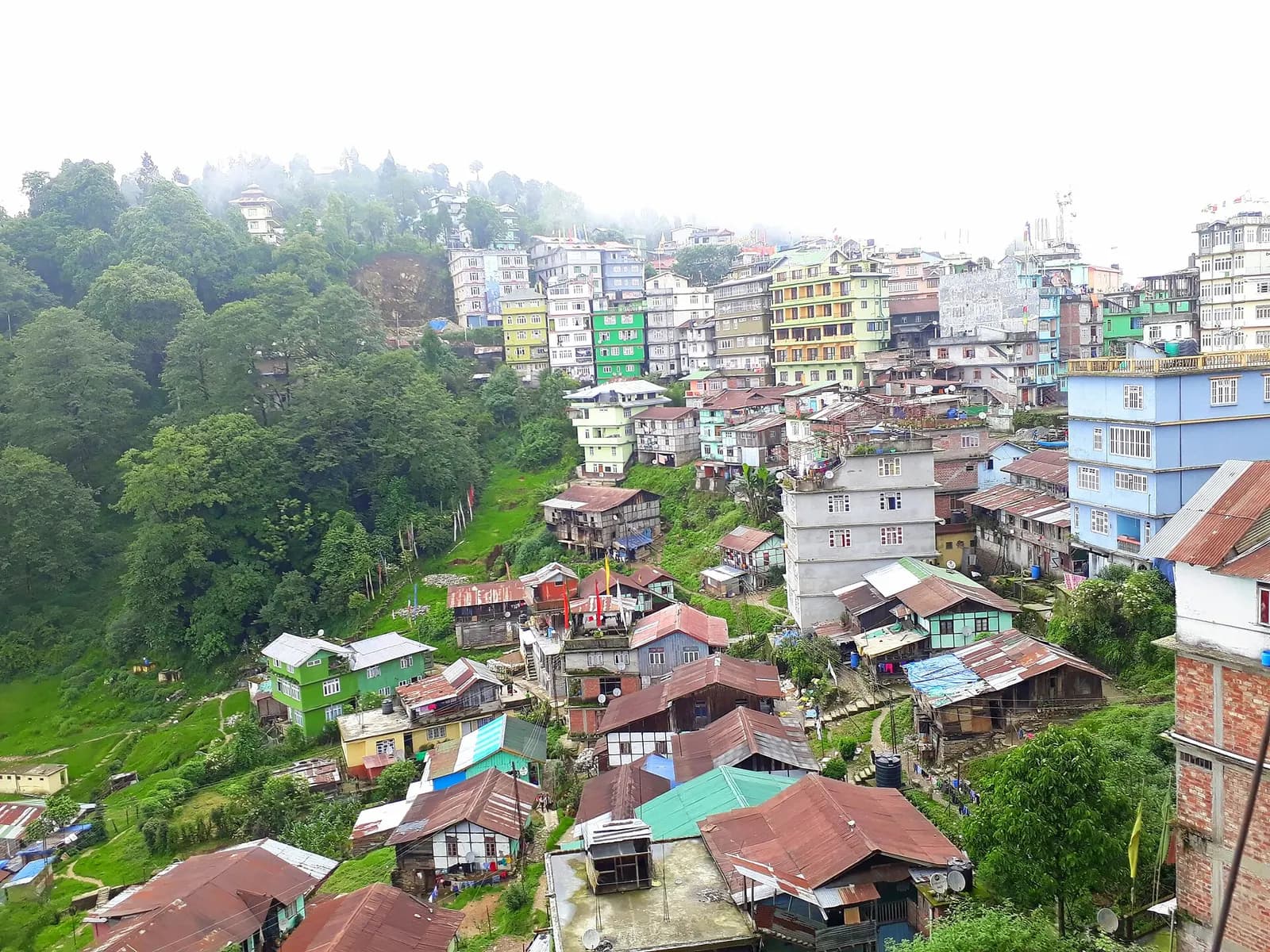
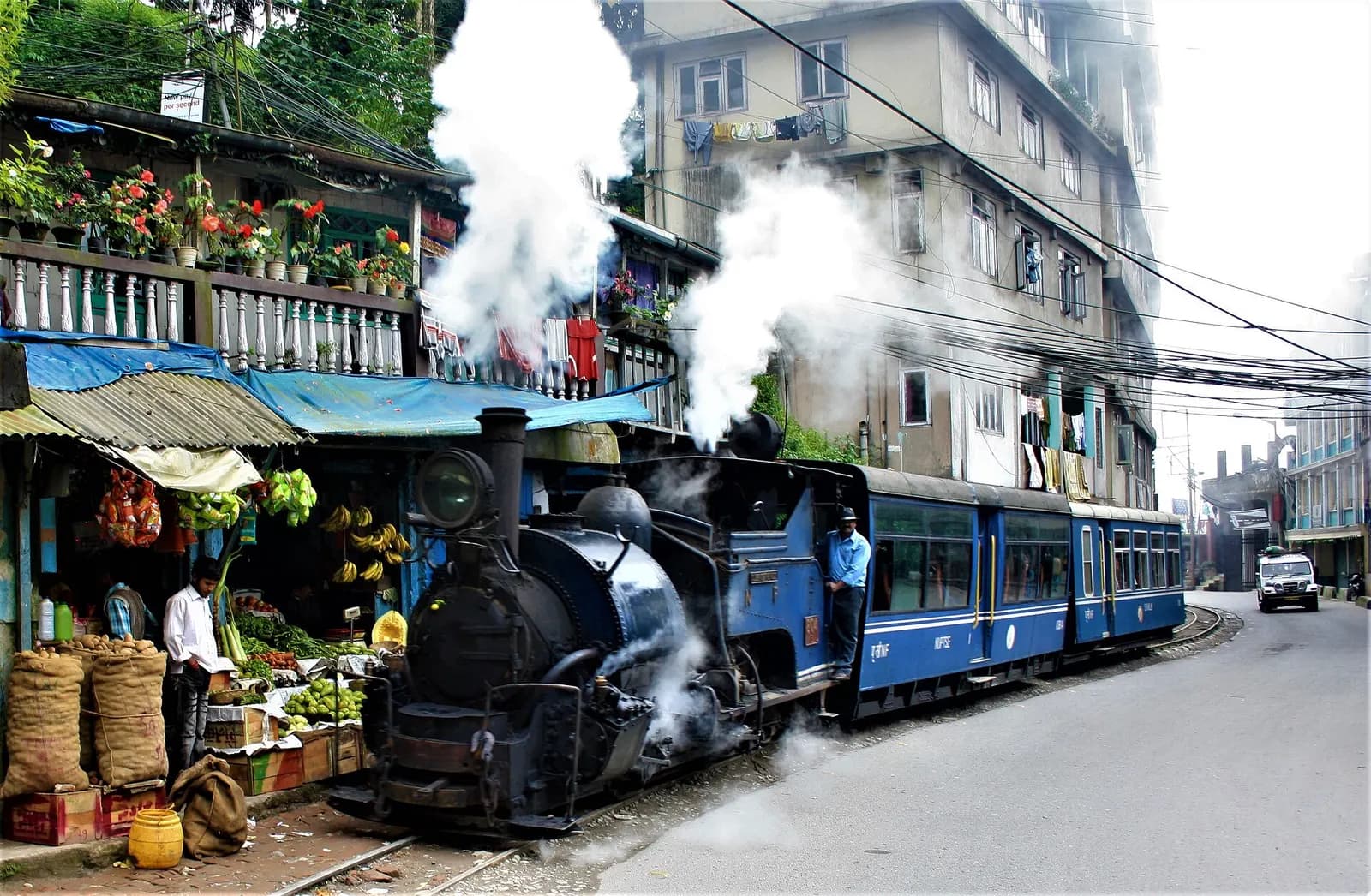
The East India Company leased this ridge from the Chogyal of Sikkim in 1835 and built a sanatorium; within a generation Darjeeling was the summer capital of Bengal, ringed by tea gardens planted with China bush stock. The Darjeeling Himalayan Railway, opened in 1881 and a UNESCO World Heritage Site since 1999, still hauls its blue B-class steam engines up gradients so tight the track loops over itself at Batasia, where a Gorkha war memorial stands in a garden of dahlias. A day here begins in the dark.
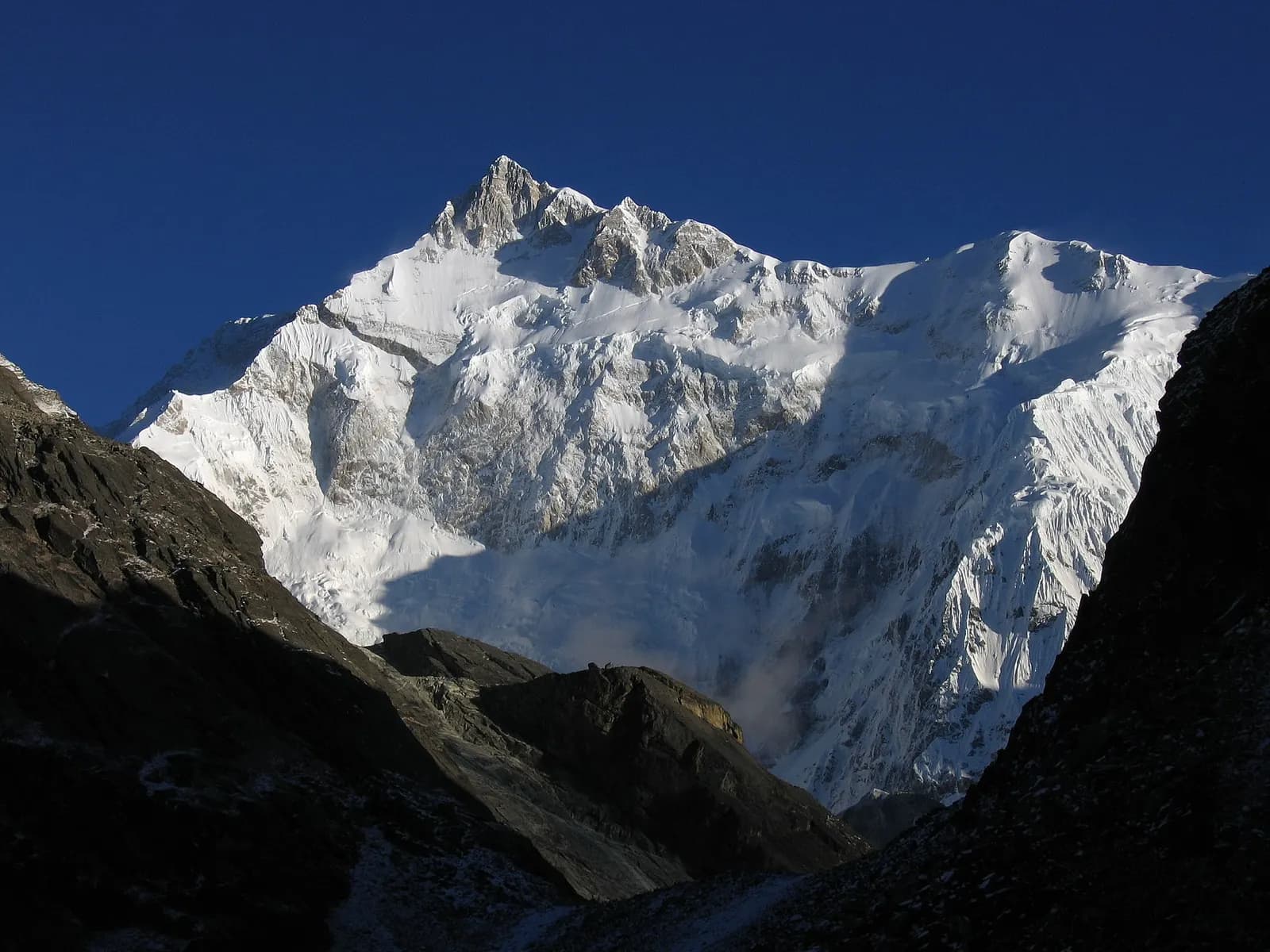
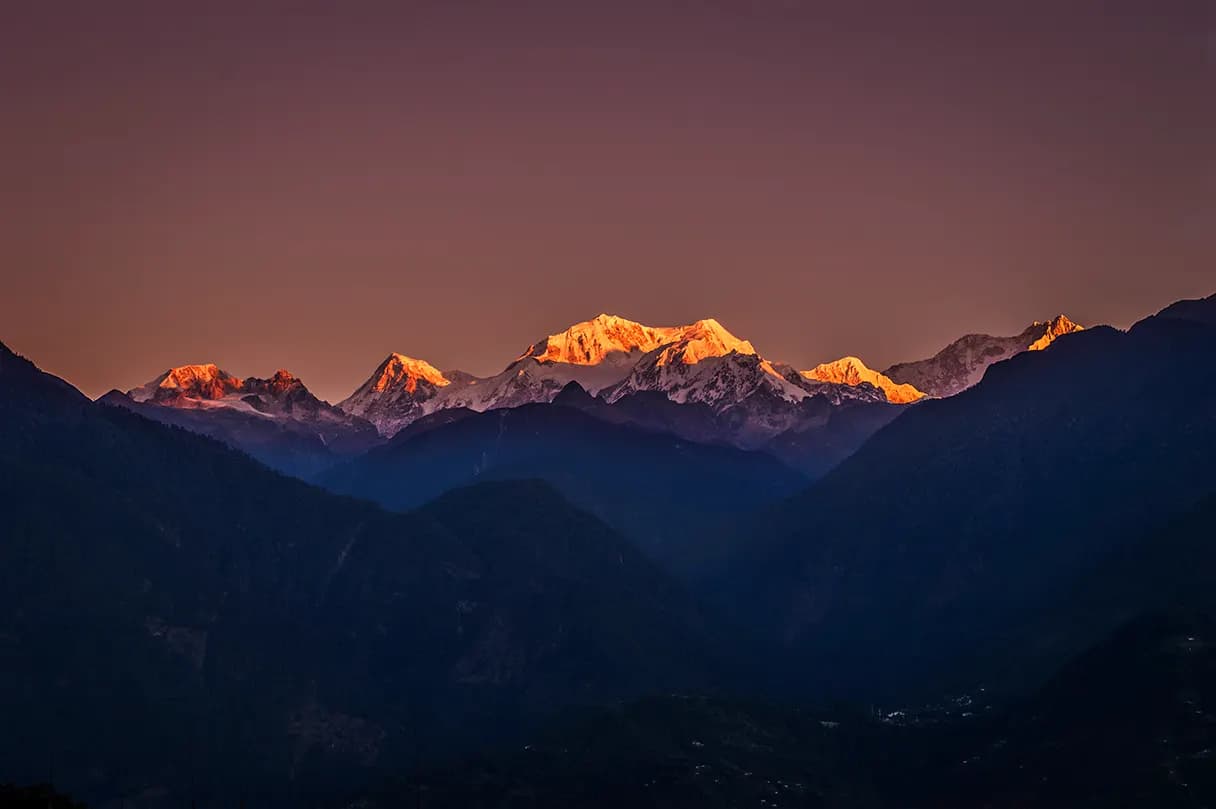
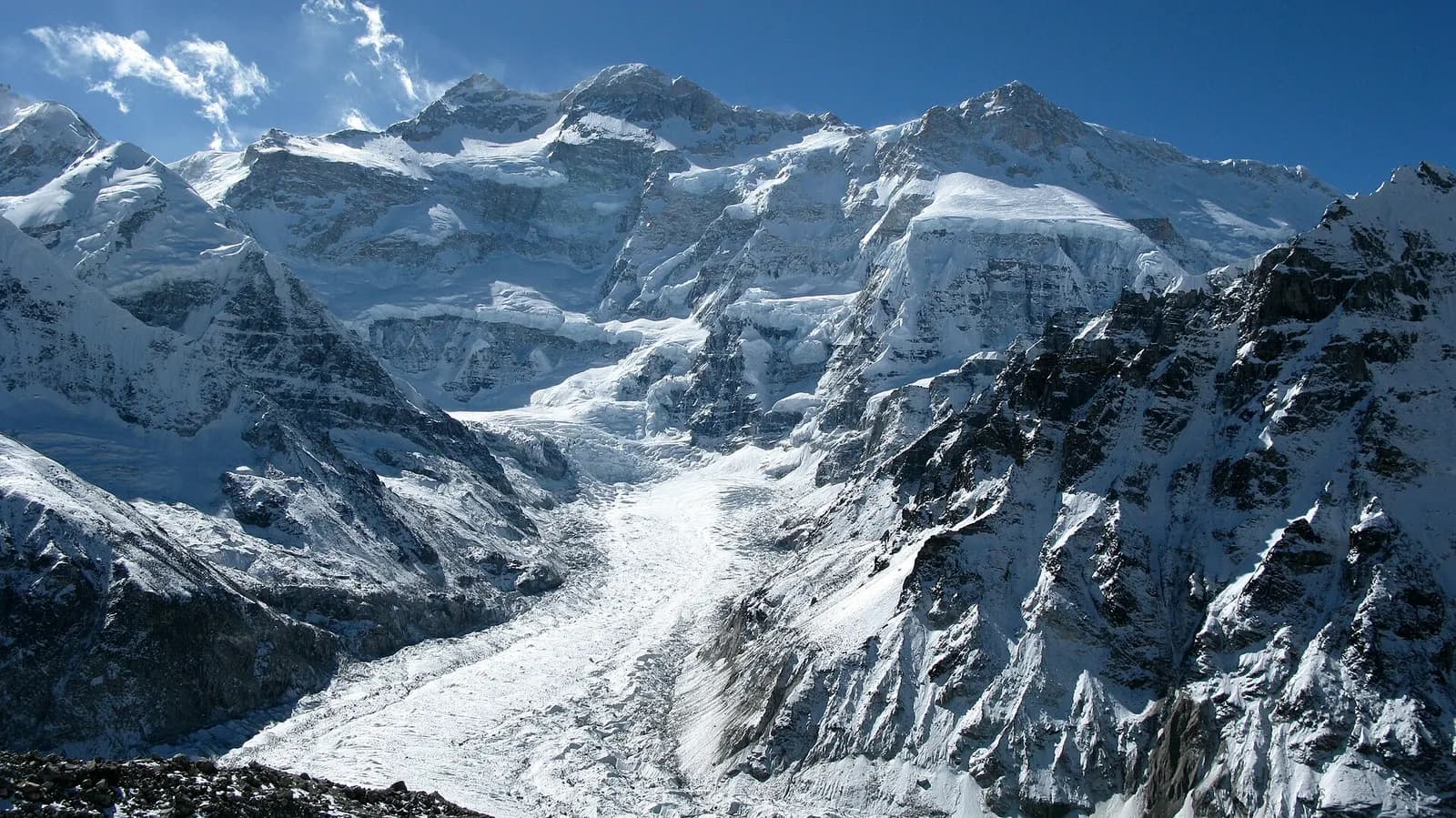
Jeeps leave for Tiger Hill at around four so you can stand at 2,590 metres and watch the sun hit Kanchenjunga's five summits before it reaches the valleys, and on the clearest winter mornings Everest shows as a small tooth to the west. Afterwards the road drops past Ghum Monastery, with its fifteen-foot Maitreya, and returns to town for tea at a Chowrasta terrace. Spend the middle of the day at the Happy Valley estate watching leaves being withered and rolled, or at the Himalayan Mountaineering Institute, where Tenzing Norgay taught, next door to the red pandas and snow leopards of the Padmaja Naidu zoo.
Evenings are for Nehru Road, momo steamers fogging the windows, and the bell at Observatory Hill's Mahakal temple carrying over the ridge.
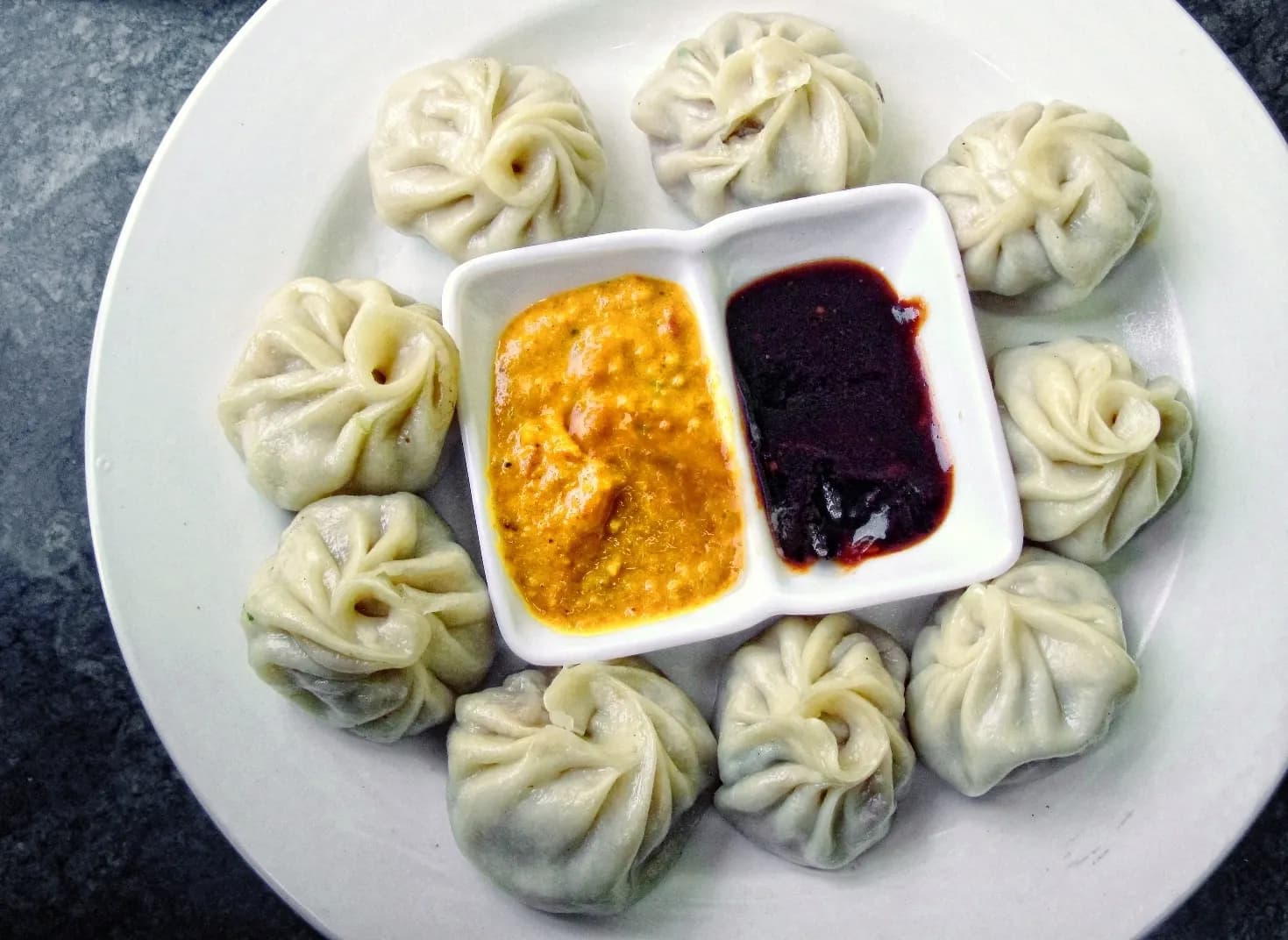 Street food