Kalhana's Rajatarangini records a city here in the sixth century, and Srinagar has been the seat of Kashmir ever since, passing from Hindu kings to the Shah Mir sultans, the Mughals, the Afghans, the Sikhs and the Dogras. Each left something. Sultan Sikandar's Jama Masjid at Nowhatta rests on 378 deodar columns; Jahangir laid out Shalimar Bagh in 1619 and Asaf Khan followed with the twelve terraces of Nishat Bagh, both stepping down to the Dal with the Zabarwan range behind.
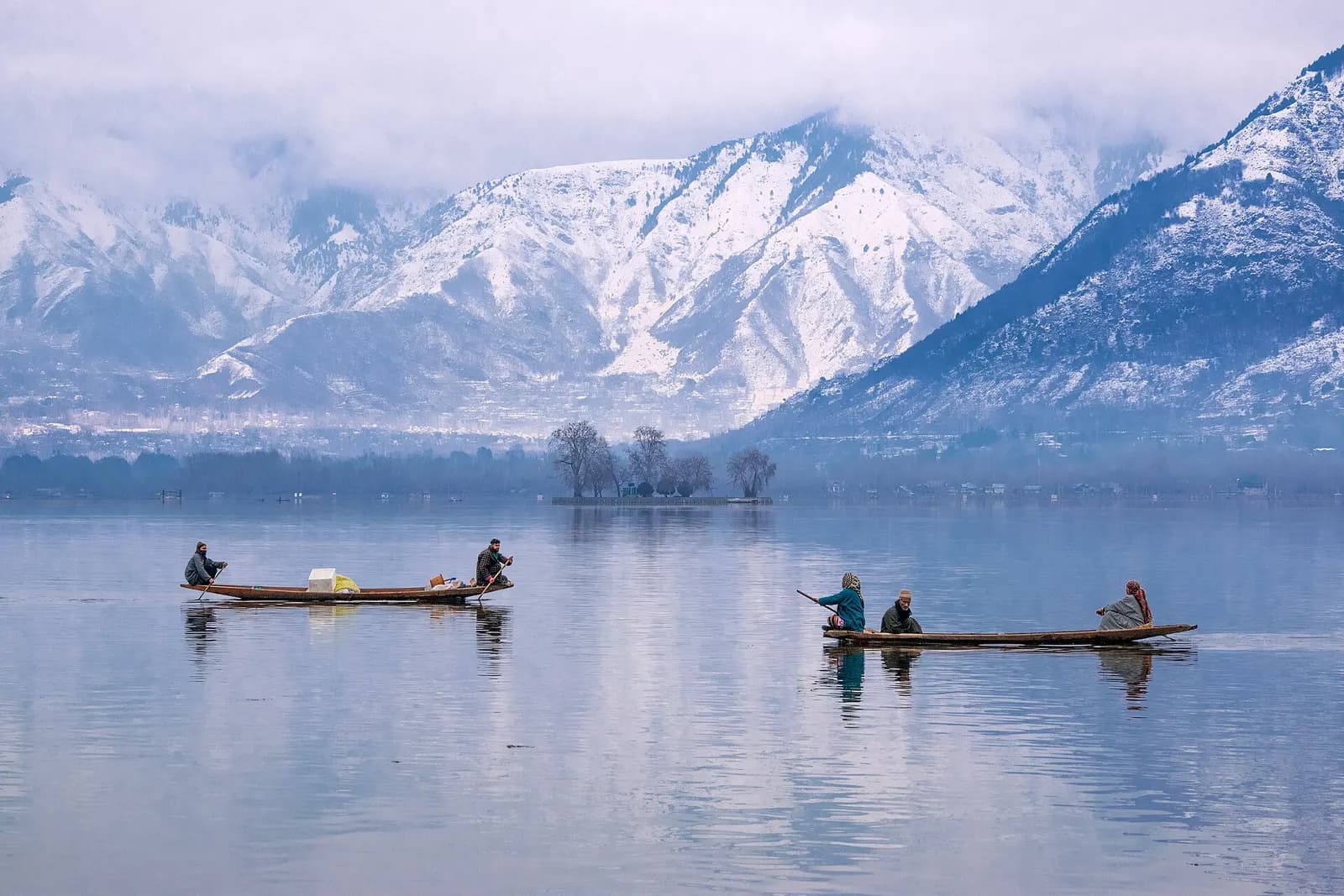
The British, forbidden by the Dogra maharajas from owning land, answered with houseboats, and their carved cedar descendants still moor along the Boulevard and on quieter Nigeen Lake. A day here begins before sunrise, when a shikara takes you to the floating vegetable market where farmers trade lotus stems and haak from boat to boat. Mornings suit the old city: the papier-mache workshops of Zaina Kadal, the Khanqah-e-Moula shrine with its painted wooden interiors, the bakeries pulling girda and lavasa from tandoors.
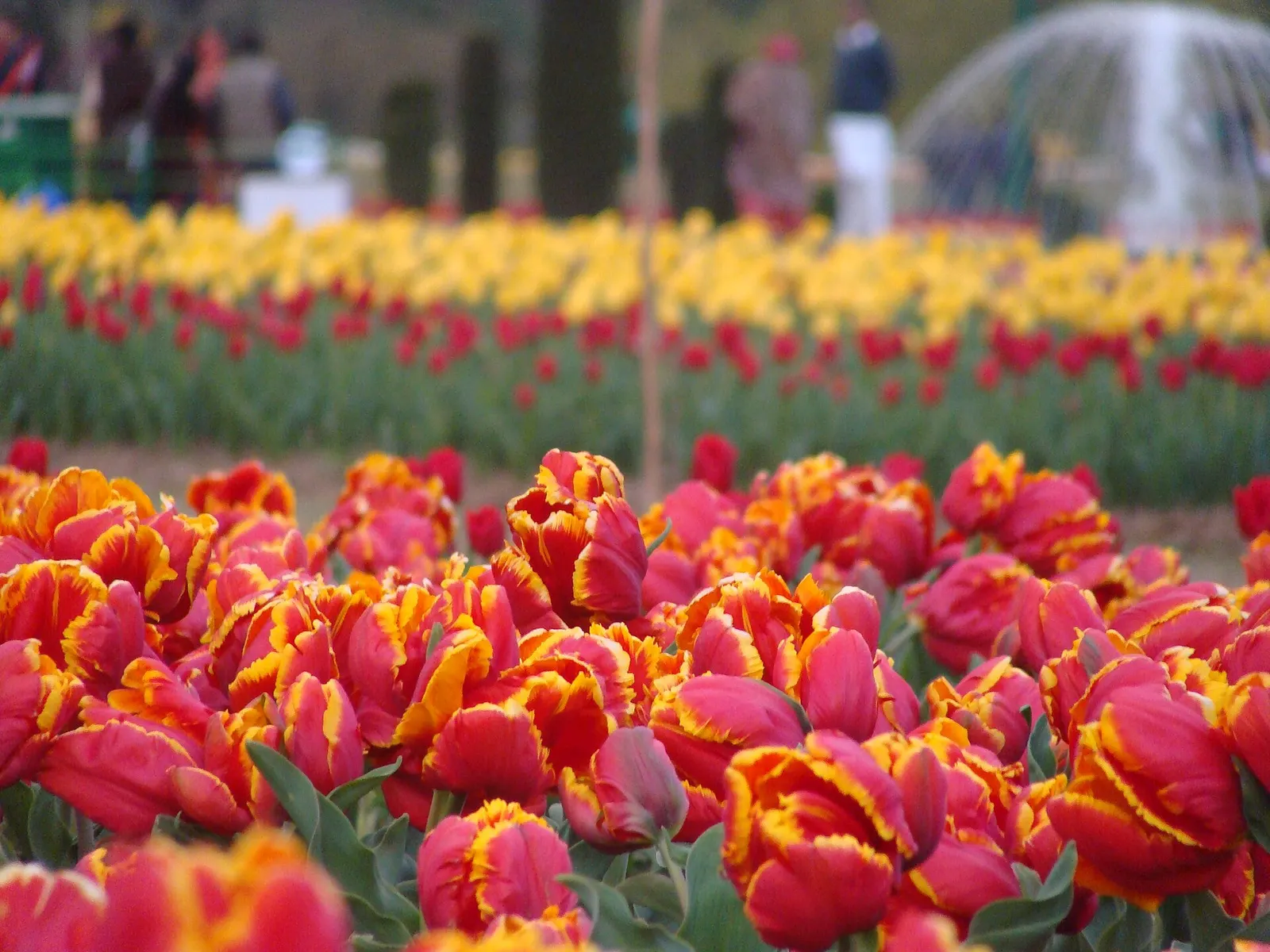
Afternoons belong to Chashme Shahi's spring, Pari Mahal's ruined terraces and the climb to Shankaracharya Temple for the view over the whole valley. In late March the Tulip Garden opens below the hills; in late October the chinars turn the colour of embers. Srinagar matters because Kashmir's whole story, from Sufi saints to saffron, is legible in its streets and its water.
 Non-veg