Delhi has been a capital, on and off, for a thousand years, and the evidence is scattered across it like furniture in a house nobody finishes moving into. Start at the Qutub Minar in Mehrauli, a 73-metre sandstone tower begun in 1199, with a rust-free iron pillar from the Gupta age standing in its courtyard. Move on through Siri, Tughlaqabad and Firoz Shah Kotla and you cross three Sultanate cities in an afternoon.
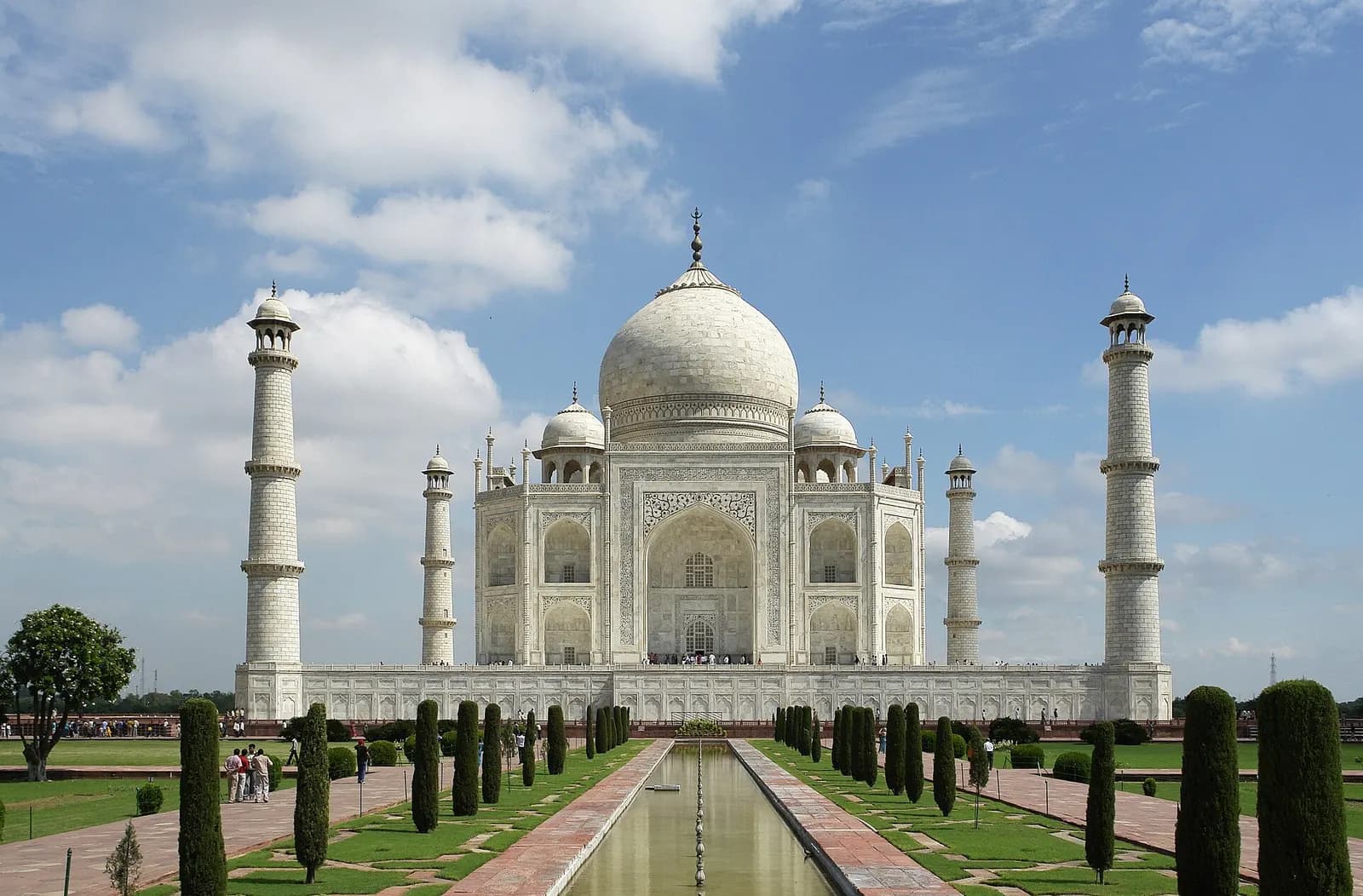
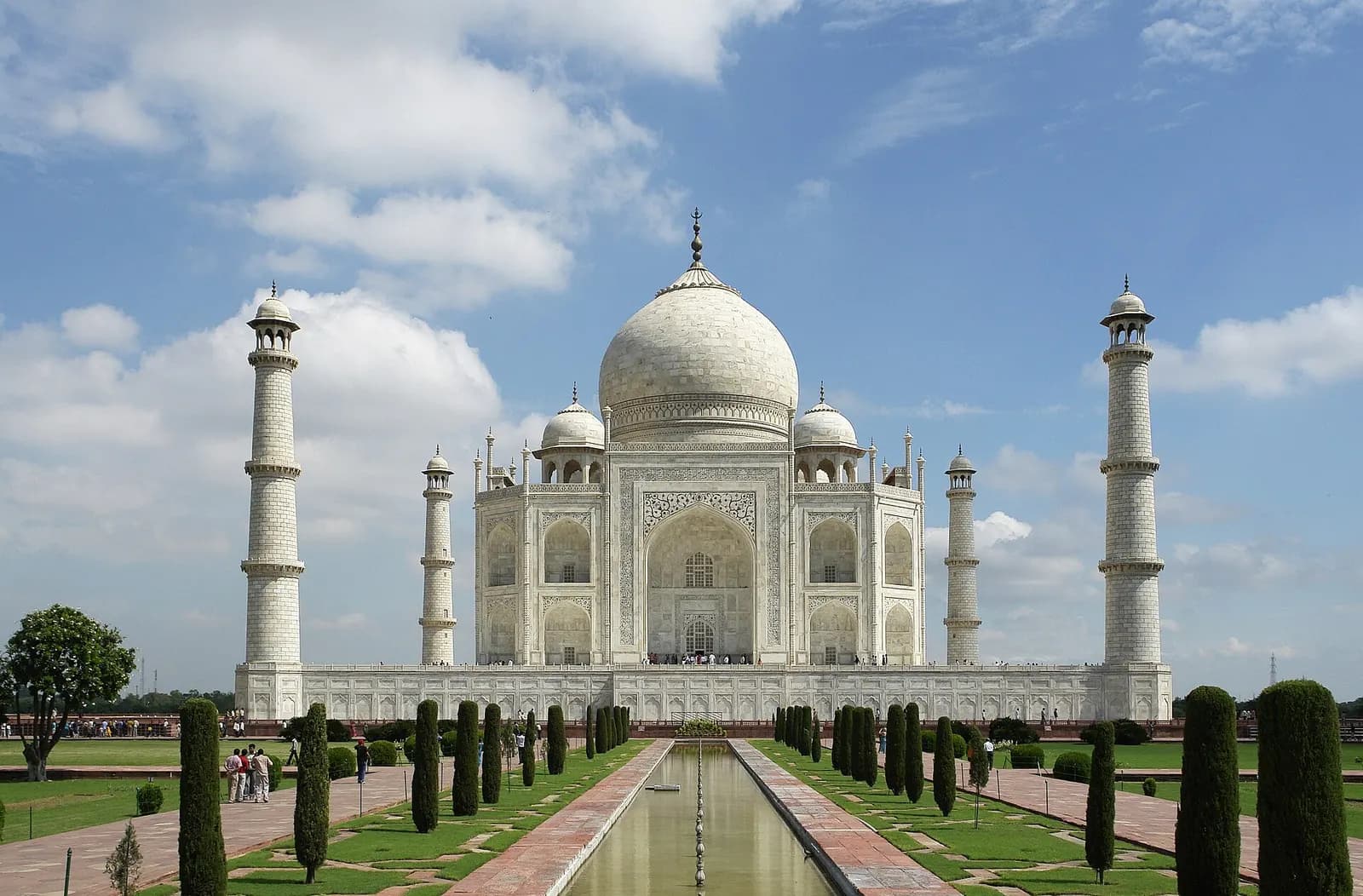
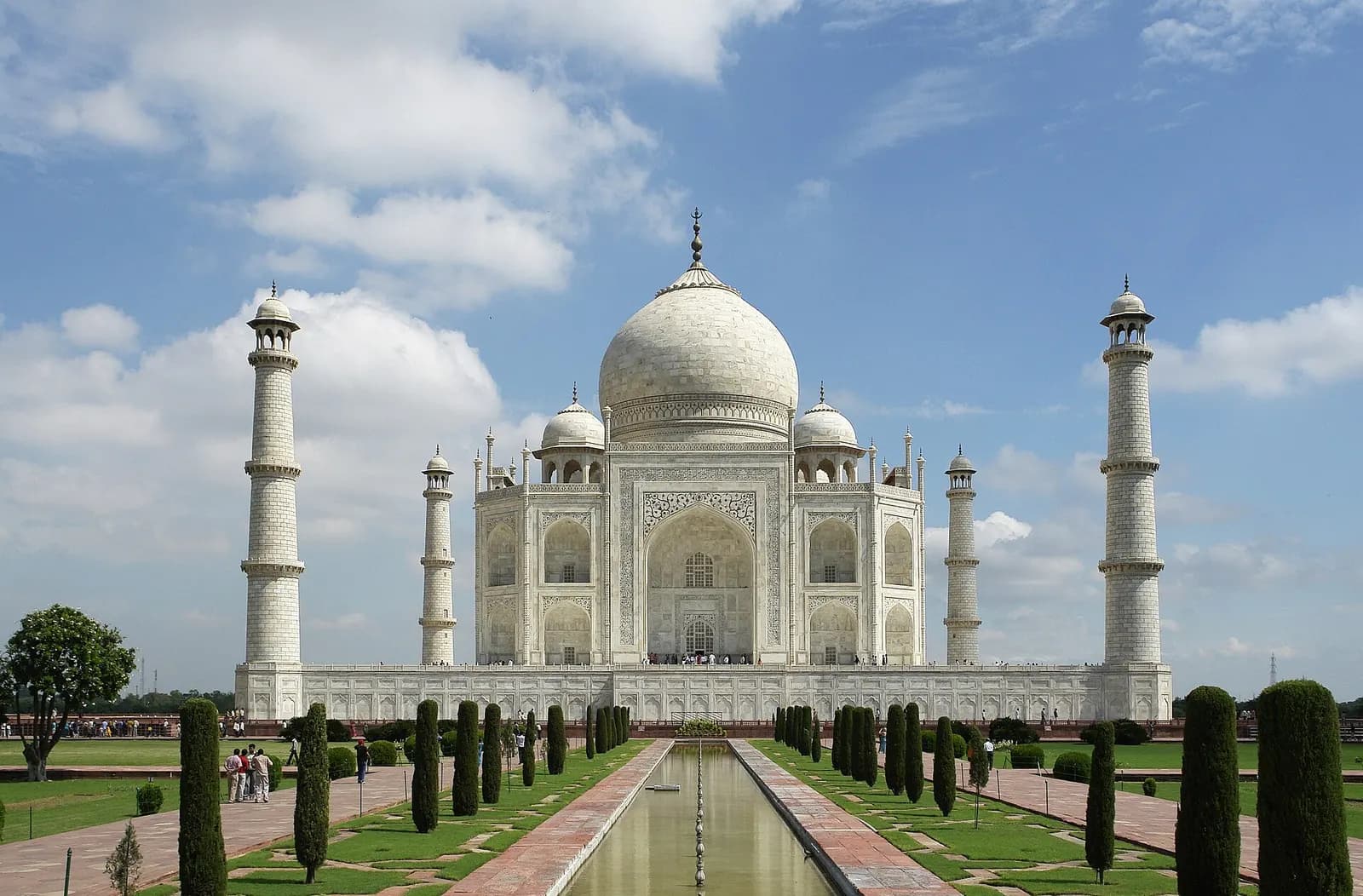
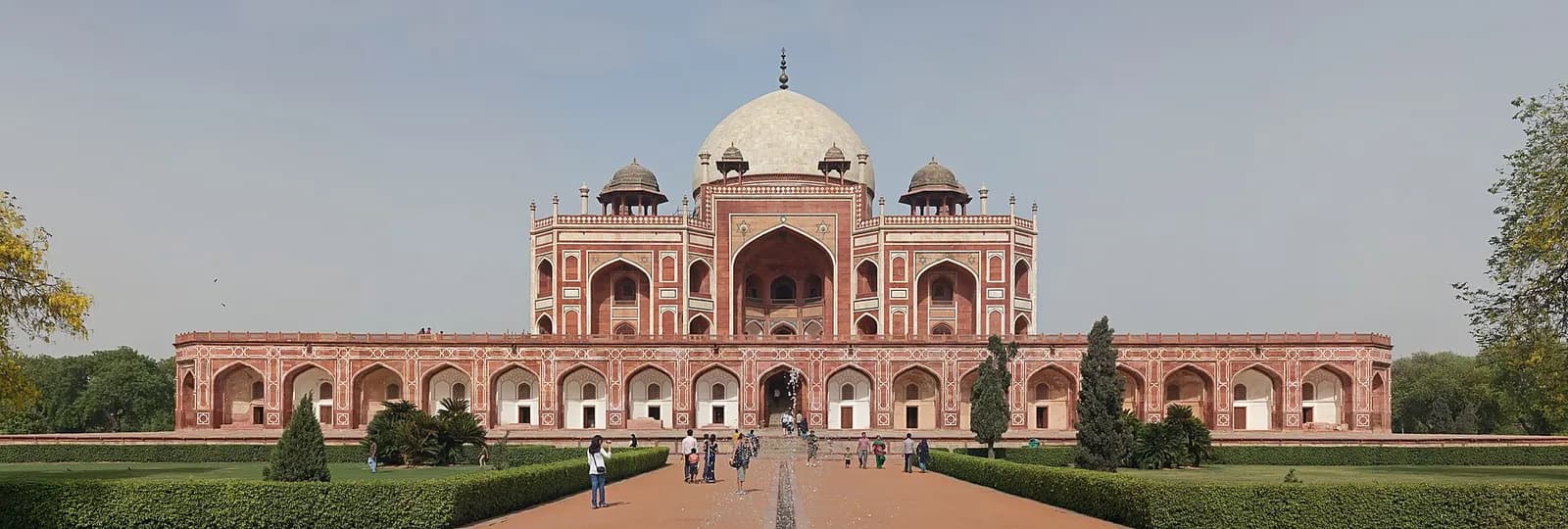
Humayun's Tomb, finished in 1572, is the garden tomb that the Taj Mahal later perfected; go at four in the afternoon when the red sandstone warms and the parakeets come out. A few hundred metres away, in the lanes of Nizamuddin Basti, the Sufi saint's dargah fills with qawwali on Thursday evenings, and Amir Khusrau's verses are sung where they were written. Shahjahanabad, the walled city Shah Jahan built in 1648, still runs on its old grid: the Red Fort at one end of Chandni Chowk, Jama Masjid's steps above the kebab smoke of Matia Mahal, wedding-card printers in Chawri Bazaar.
Then Lutyens' New Delhi opens out, all lawns and jamun trees, with Rashtrapati Bhavan on Raisina Hill and India Gate at the far end of Kartavya Path. A good day here is a morning heritage walk, lunch in Old Delhi, an hour in the National Museum or Lodhi Garden, and dinner in Khan Market or Hauz Khas. Winter is the season: fog, shawls, roasted peanuts and daulat ki chaat, a whipped-milk sweet that appears only when the nights are cold.
 Vegetarian