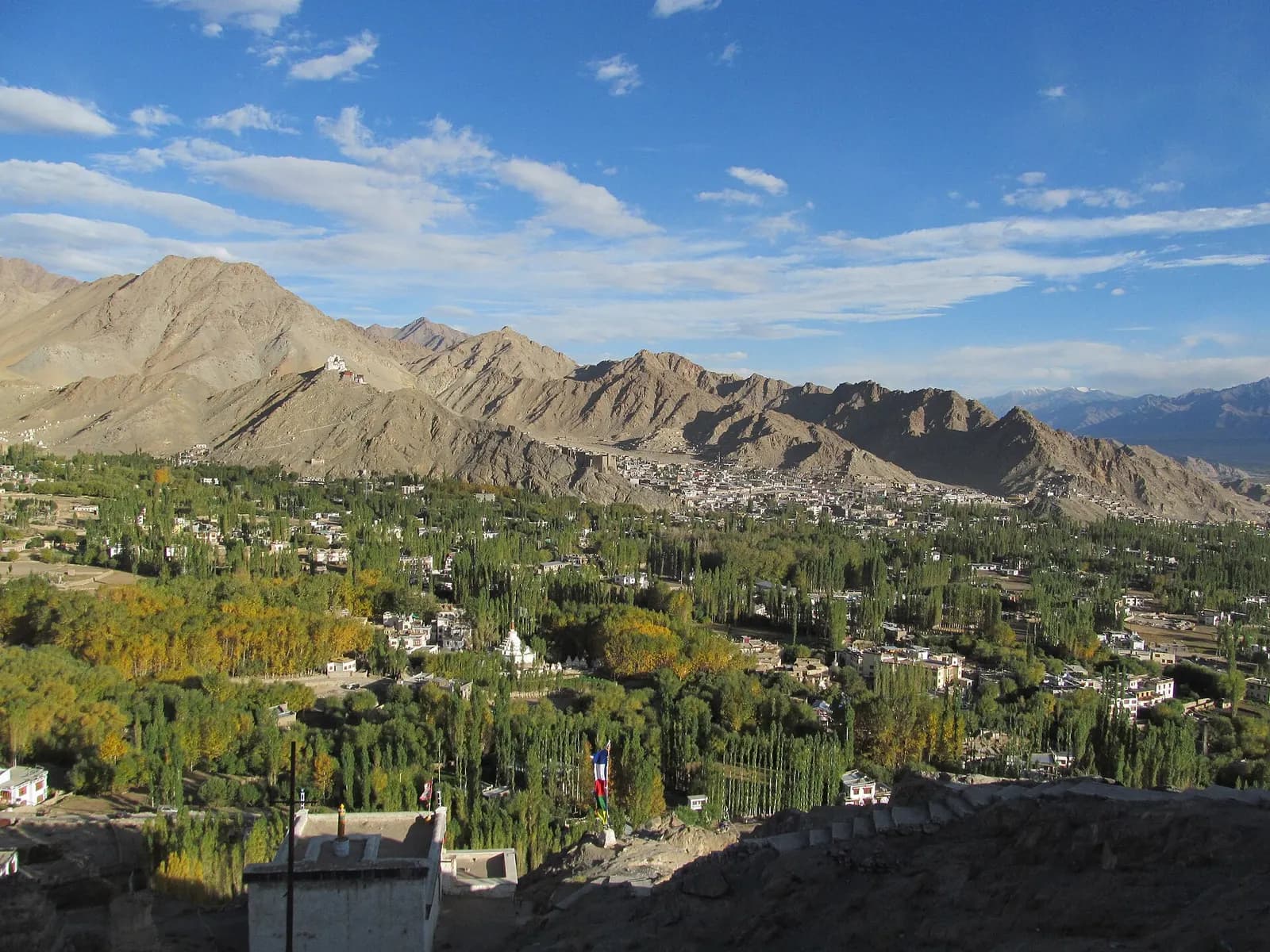
India is not one climate but at least six, running from a cold desert at 3,500 metres in Ladakh to a Meghalaya hillside that averages over eleven metres of rain a year. So the useful question is never whether India is good in March. It is which India is good in March. Here is the year as we actually plan it, with the roads, parks and passes that open and shut alongside the weather.
The three seasons that shape everything
Winter runs roughly from November to February. The plains are dry and clear, mornings in Rajasthan can fall to five degrees, and Delhi wakes under fog from late December through January that regularly delays flights and trains by hours.
Summer runs from March to June. It builds slowly, then hard: by mid-May, Jaisalmer, Delhi and Varanasi routinely pass 43 degrees. This is exactly when the Himalaya becomes the best place in the country.
The southwest monsoon normally reaches the Kerala coast around 1 June and covers the whole country by mid-July. Withdrawal begins from the northwest in the second half of September and finishes in October. Then the wind turns: the northeast monsoon rains on Tamil Nadu and coastal Andhra Pradesh through October and November, which is why Chennai is at its wettest in November while Jaipur is perfect.
October to March: the classic window
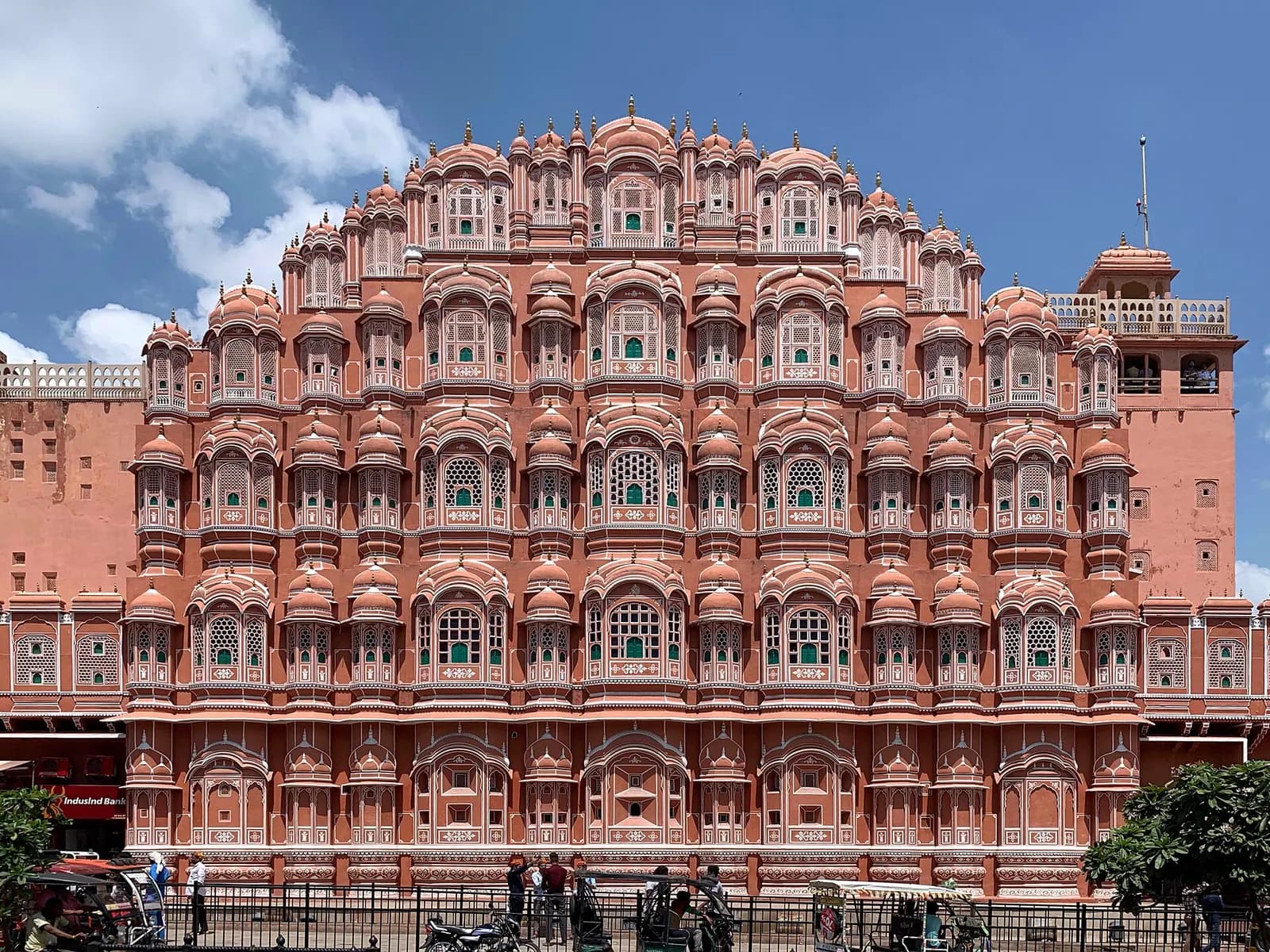
This is the window for the Golden Triangle, Rajasthan, Khajuraho, Hampi, the Kerala backwaters, Goa, Odisha and the Andaman Islands. Days sit between 22 and 30 degrees, evenings need a shawl, and light is low and clean for photography.
Two cautions. First, Delhi and the Gangetic plain get thick fog in late December and January, so keep a buffer day around any tight connection. Second, the fortnight from 20 December to 5 January is the most expensive of the Indian year. A heritage room in Udaipur or Jaipur that costs INR 8,000 in October can cost INR 30,000 on New Year's Eve.
April to June: the mountains open, the tigers come out
As the plains bake, the high roads clear. The Srinagar to Leh road over Zoji La usually opens by April; the Manali to Leh highway typically opens by late May. Flights into Leh run year round and cost roughly INR 6,000 to 12,000 one way from Delhi. Whichever way you arrive, give yourself two full days at 3,500 metres before going higher.
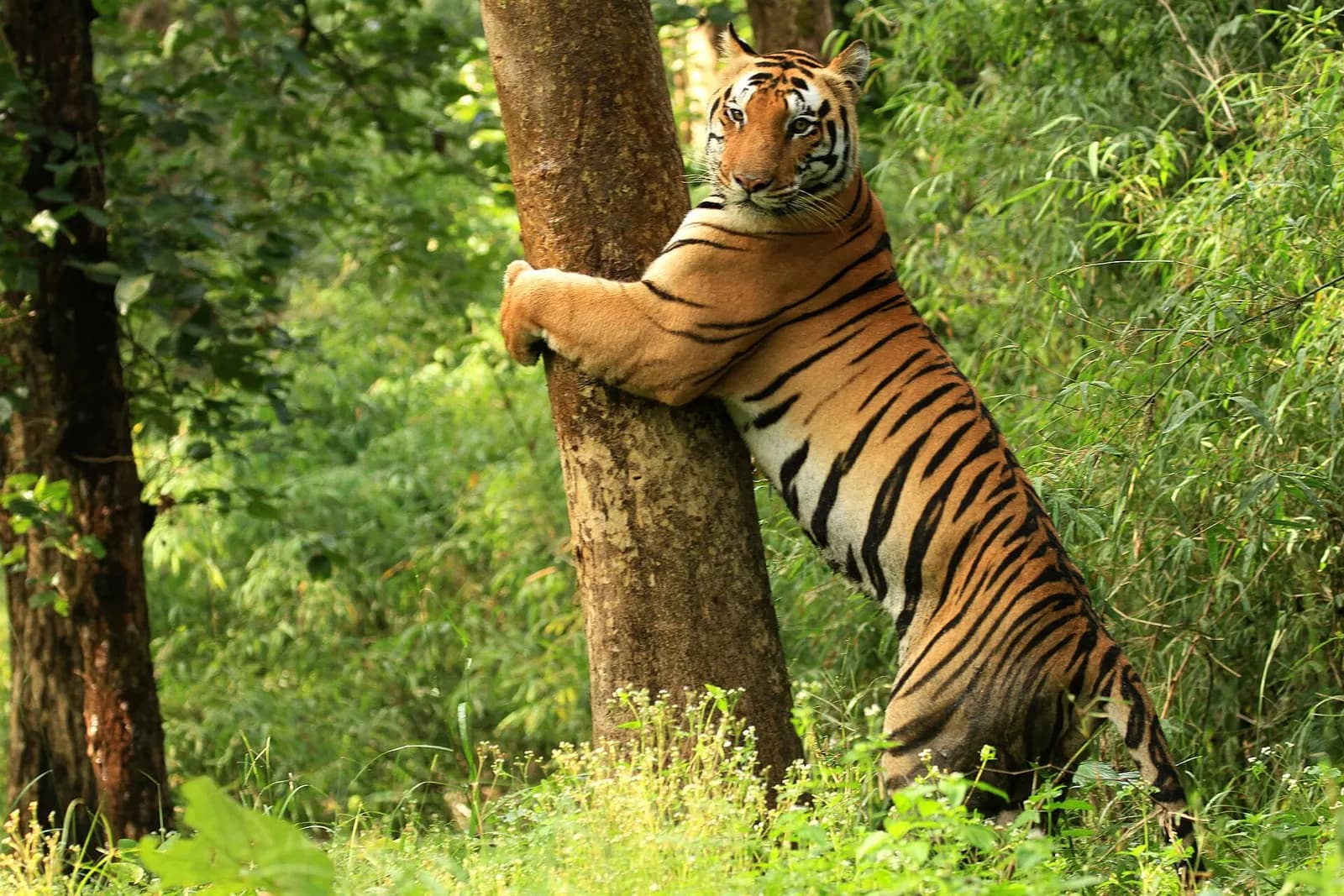
These are also the best months for tigers. Water is scarce, the grass is short and animals come to the few remaining pools. Kanha, Bandhavgarh, Ranthambore and Tadoba are at their most rewarding in April, May and June. Core zones in most tiger reserves close on 1 July and reopen from 1 October, so plan around that hard date.
July to September: monsoon India, on purpose
Some of the best travelling we do happens in the rain, as long as you go to the right place.
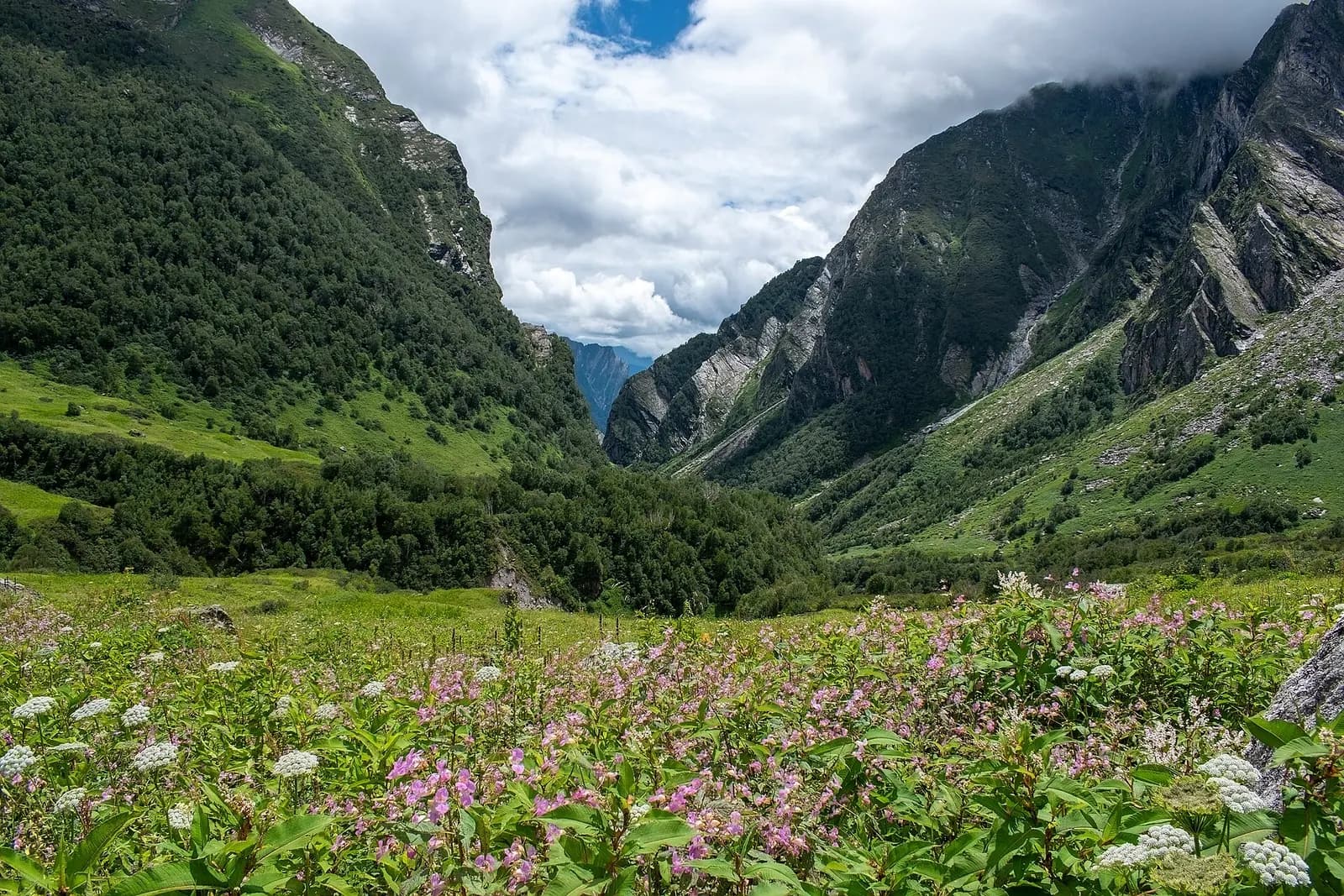
- The Valley of Flowers in Uttarakhand opens on 1 June and closes in early October, and peaks from late July to mid-August. It is a 13 km walk from Govindghat to Ghangaria, then 4 km more into the valley, which lies between about 3,350 and 3,650 metres.
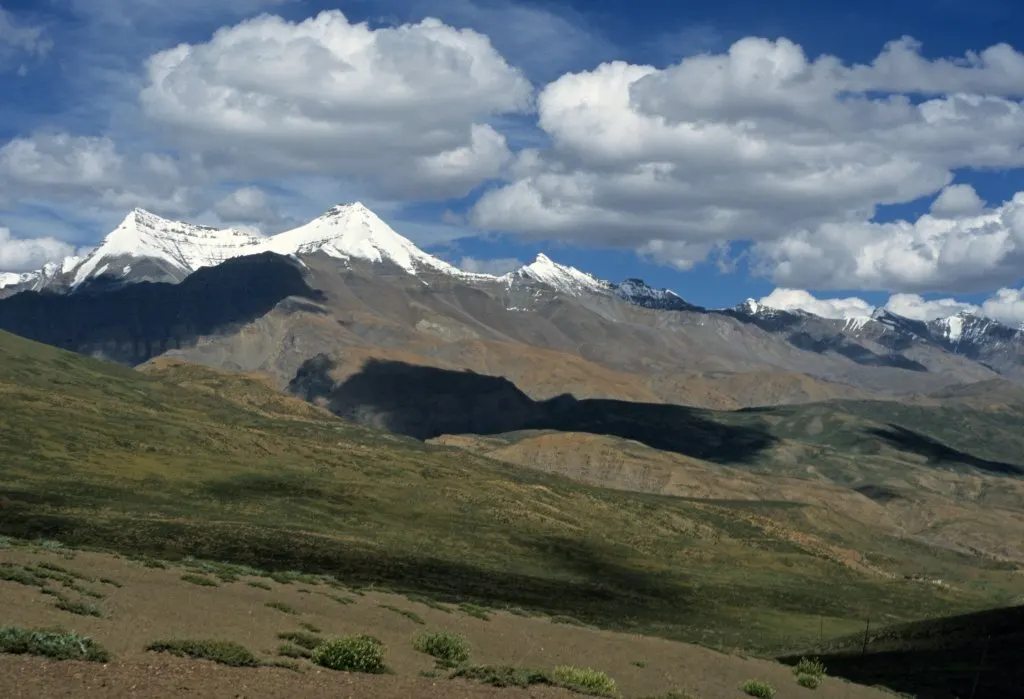
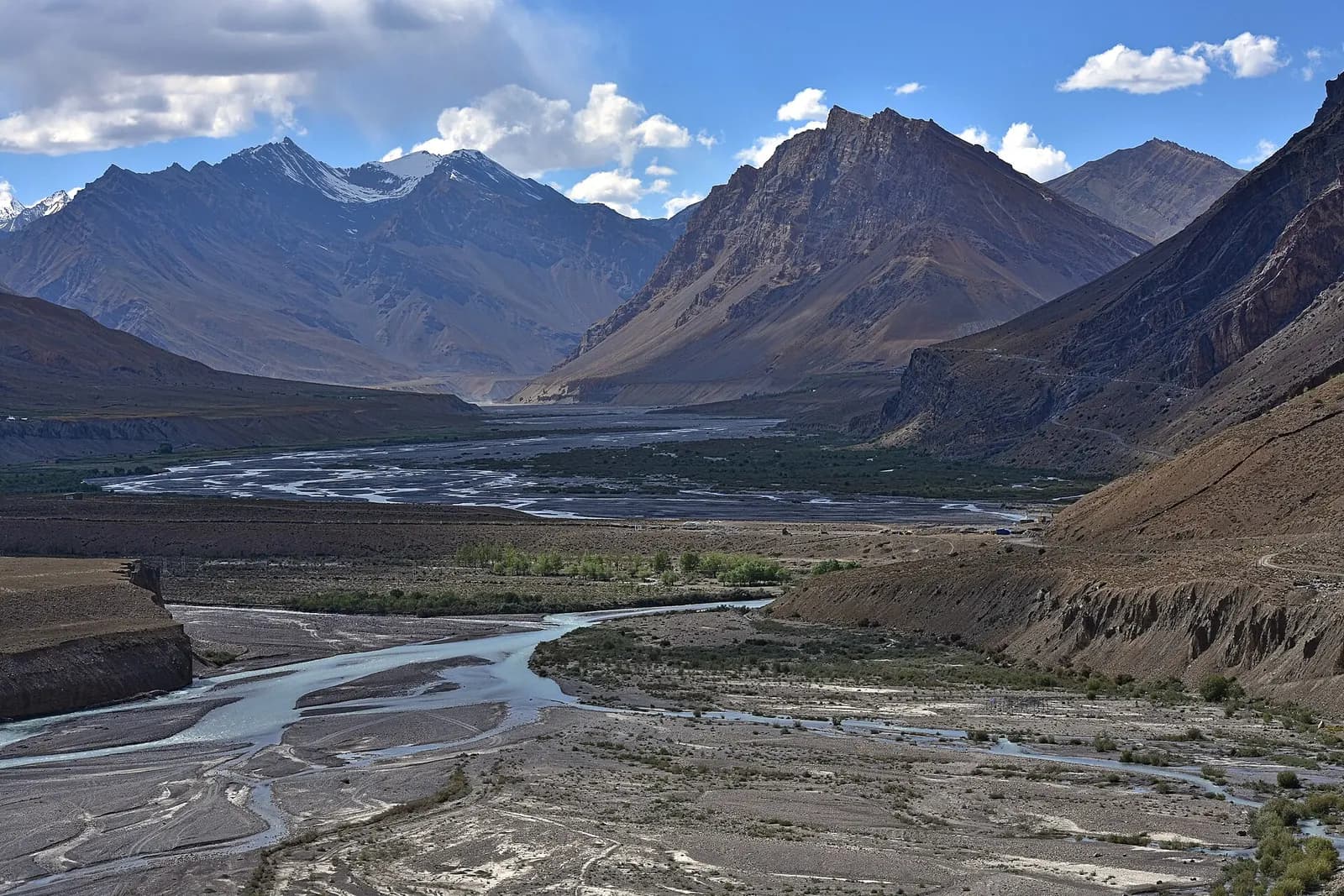
- Ladakh and Spiti sit in the monsoon shadow and stay largely dry. Kunzum La, at 4,590 metres, usually opens by late June.
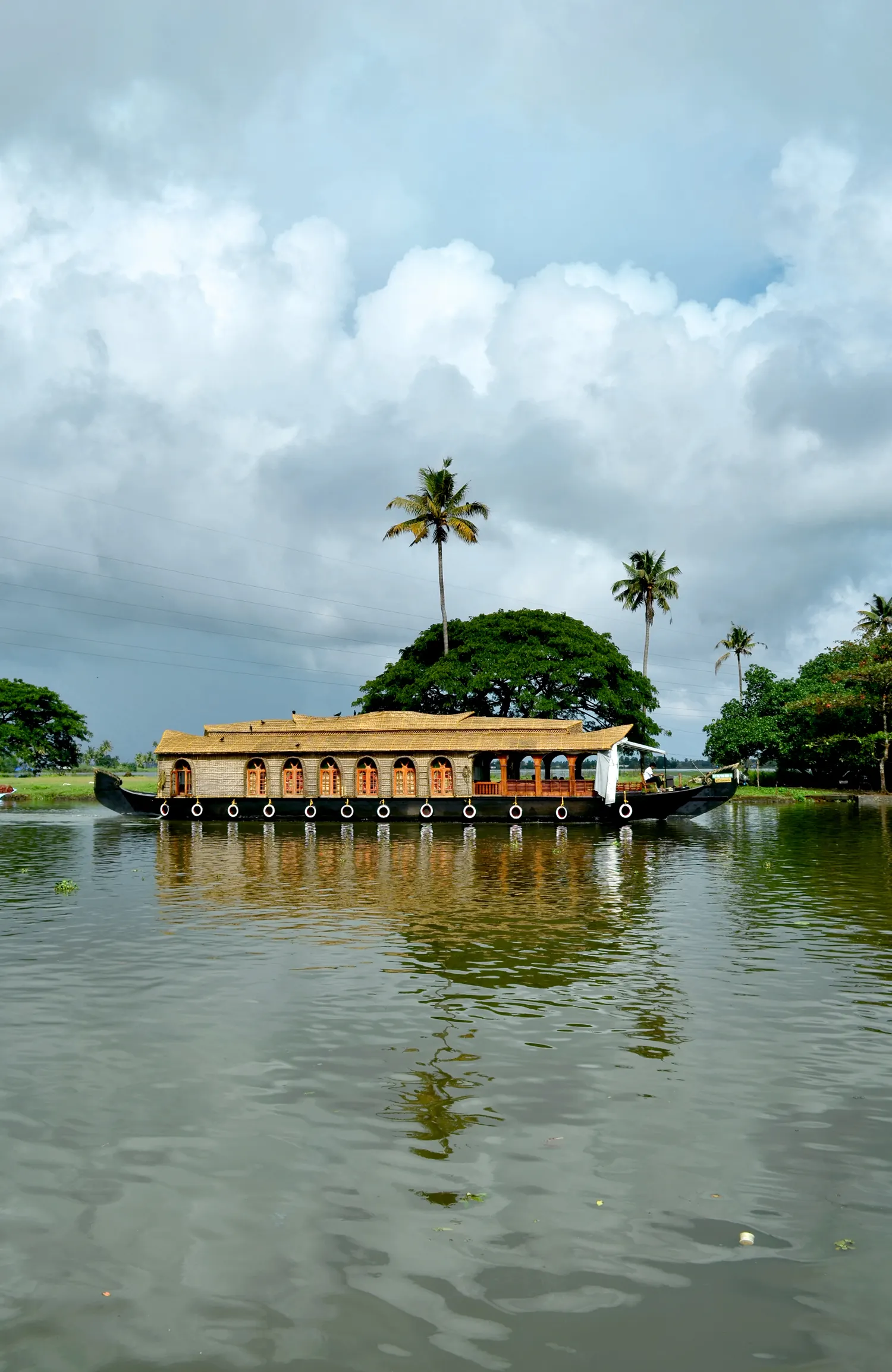
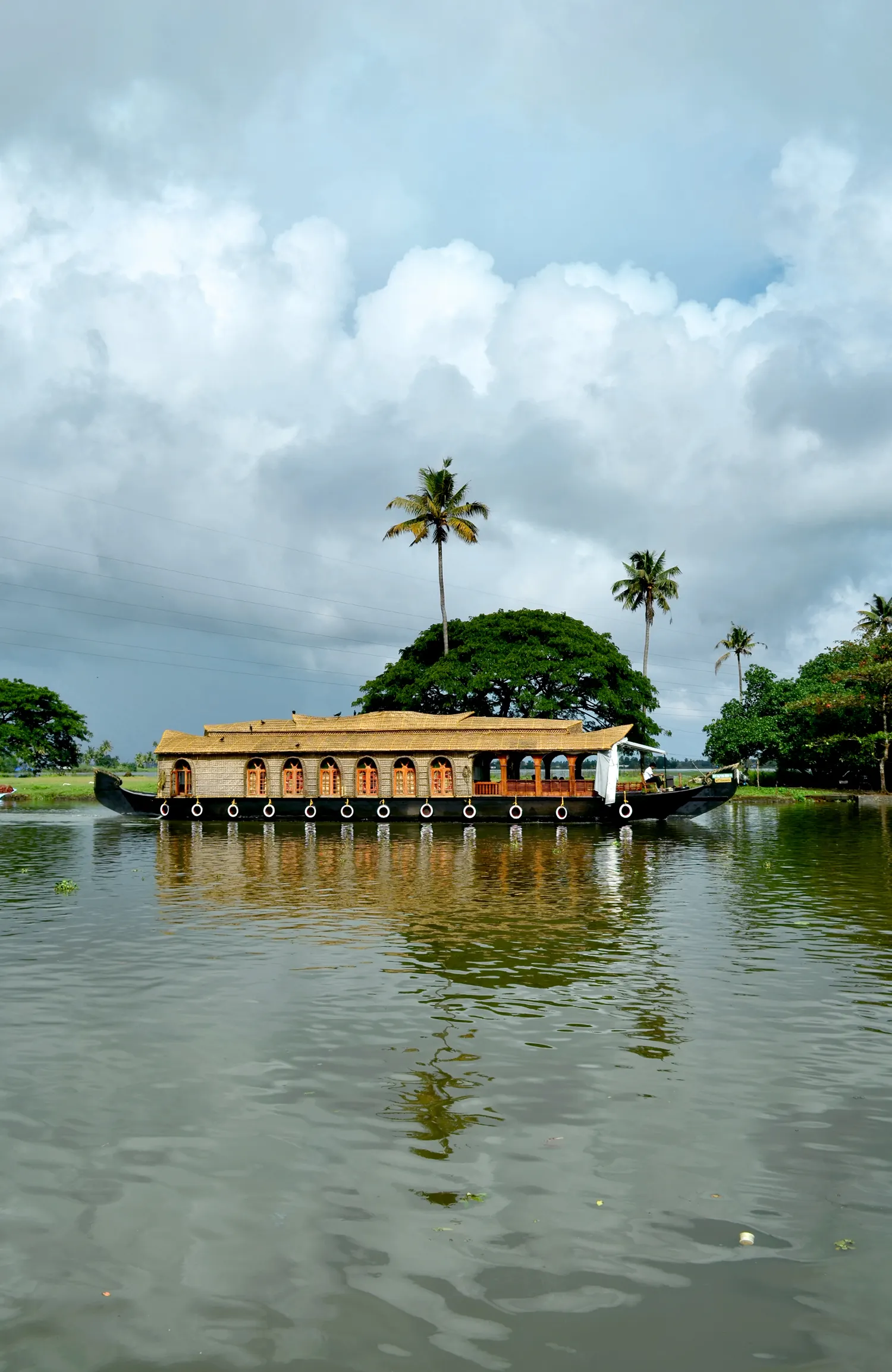
- Kerala turns green and cheap, and this is the traditional ayurveda season. Onam falls in August or September, and the Nehru Trophy boat race is rowed on Punnamada Lake at Alappuzha on the second Saturday of August.
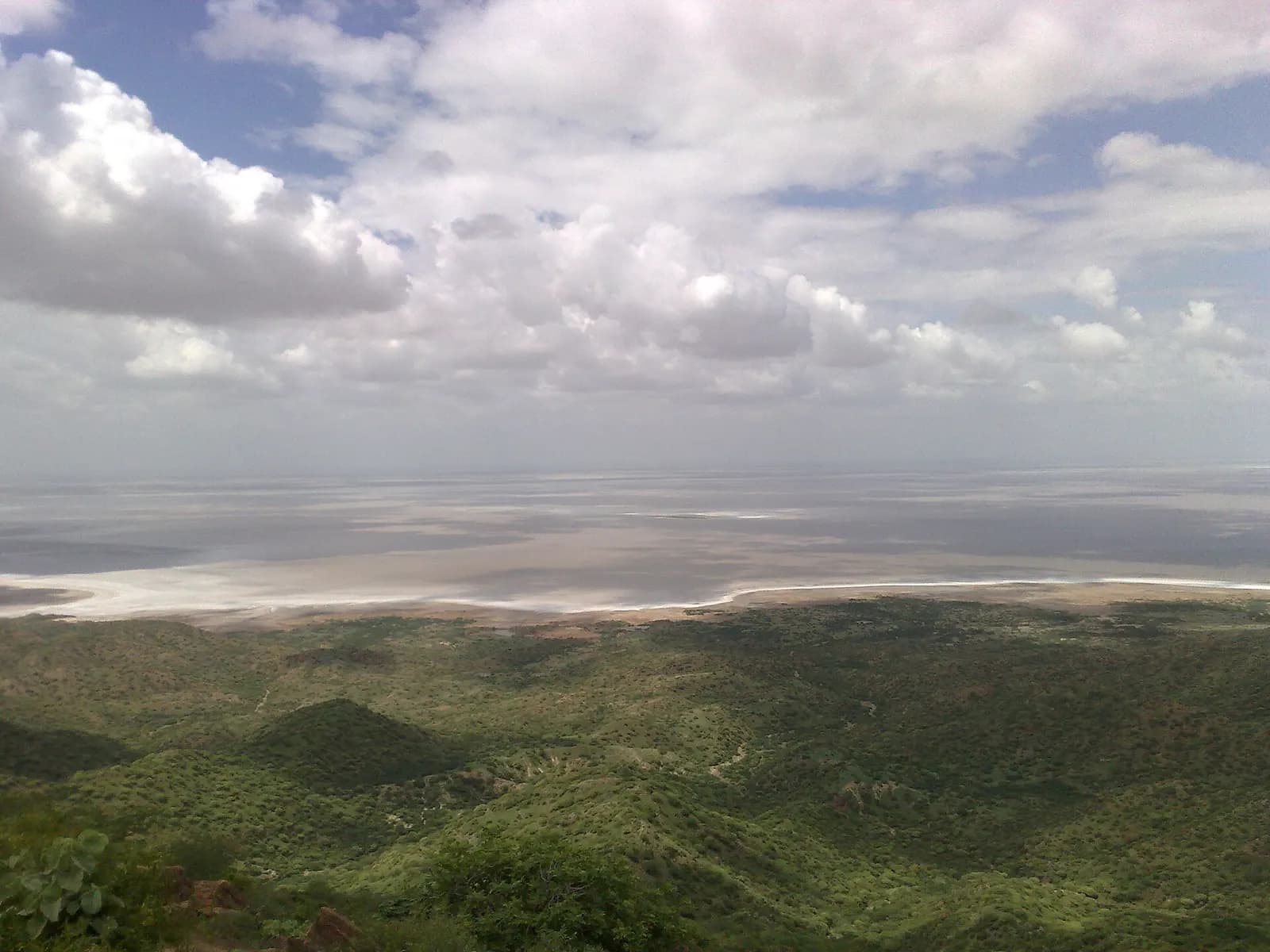
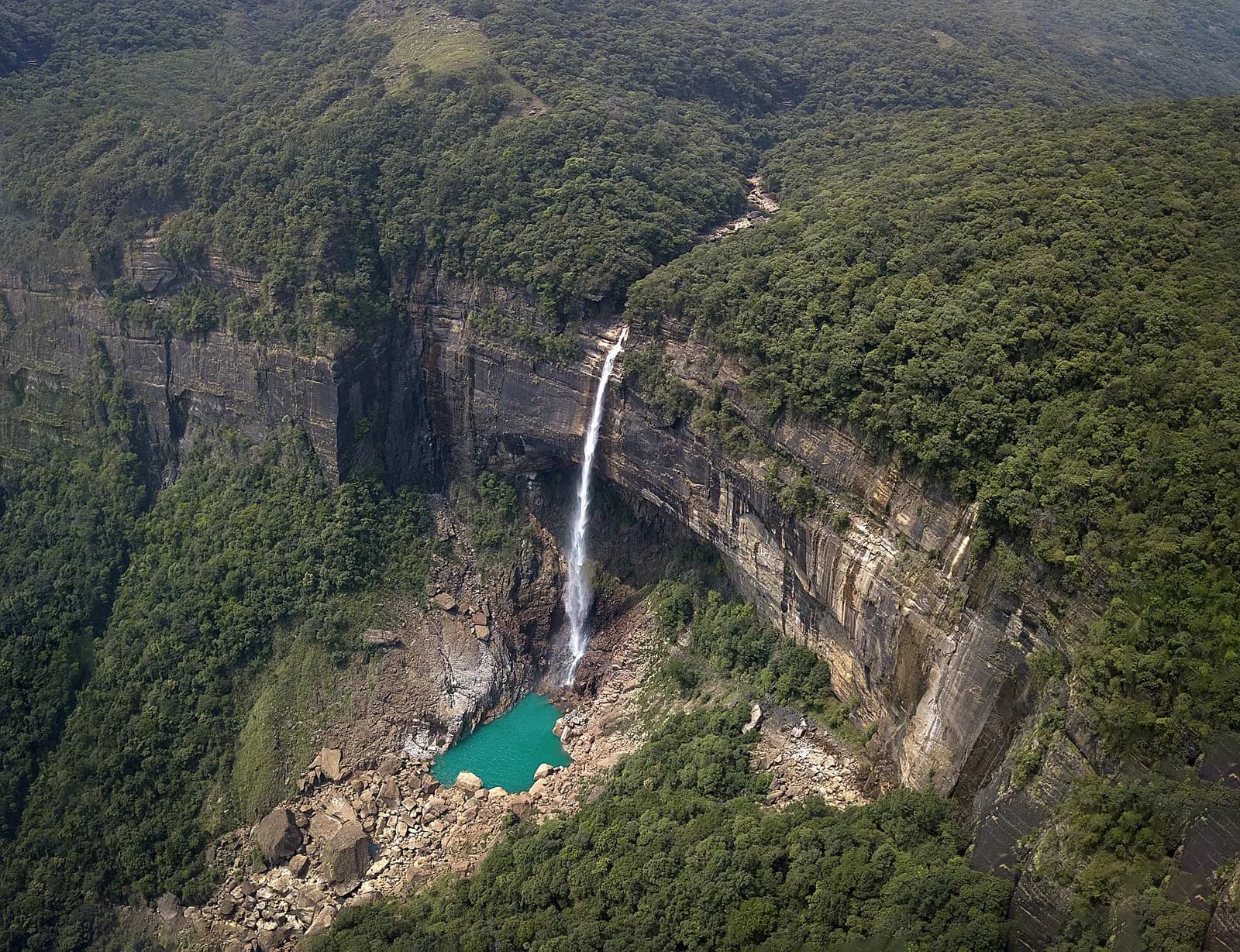
Avoid the Meghalaya hills, the Konkan ghat roads and the Uttarakhand highways in peak rain, when landslides close routes for days. And skip the Rann of Kutch entirely, since the salt flats are under water until about November.
Month by month, at a glance
- January. Rajasthan, Kerala, Hampi and Kutch at their best. Jaipur flies kites on 14 January for Makar Sankranti and hosts its literature festival late in the month. Fog in the north.
- February. The most reliable month in the country. Goa, the Andamans, Kutch, Rajasthan and Varanasi are all comfortable.
- March. Holi falls on the Phalguna full moon. Rhododendrons flower around Darjeeling and Sikkim. The plains start to heat up after mid-month.
- April. Kedarnath and Badrinath open around late April or early May. Wildlife sightings sharpen. The south turns humid.
- May. Ladakh roads open, hill stations fill with Indian family holidays, and rooms in Manali and Ooty must be booked weeks ahead.
- June. Monsoon lands in Kerala around the first of the month. Hemis festival in Ladakh. Valley of Flowers opens.
- July. High Himalaya and Ladakh only. The plains are humid and heavy.
- August. Onam in Kerala, wildflowers in Uttarakhand, clear skies in Spiti.
- September. Rain retreats from the north. Ziro Valley in Arunachal Pradesh holds its music festival. Parks prepare to reopen.
- October. Arguably the best single month. Parks reopen, the Himalaya is at its clearest, Durga Puja fills Kolkata and Dussehra fills Mysuru and Kullu.
- November. Pushkar camel fair on Kartik Purnima, Dev Deepawali on the Varanasi ghats the same night, Kaziranga reopening, and the Rann season beginning.
- December. Hornbill Festival in Nagaland from the first to the tenth. Goa and Kerala at peak. Rates climb sharply after the twentieth.
What the season does to your budget
Season moves prices more than any other factor in India. A desert camp near Jaisalmer might be INR 6,000 in September and INR 22,000 at Christmas. Domestic flights that cost INR 3,500 in monsoon can triple in the last week of December. The two smartest value windows are late September, when the rain has gone but rates have not yet risen, and the first three weeks of March, when the light is still good and the crowds have thinned.
FAQs
When is the best month to visit India overall?
October and February. October gives you clean post-monsoon air, green landscapes and reopening national parks. February gives you dry, mild days everywhere from Kutch to the Andamans, without December's crowding or prices.
Is it a bad idea to travel during the monsoon?
Not if you choose well. Ladakh, Spiti, the Valley of Flowers, Kerala and the Western Ghats are all at their best from July to September. What you should not do in those months is drive Himalayan highways in Uttarakhand or Himachal on a tight schedule, or expect a beach holiday in Goa.
When should I plan a trip around tigers?
April to June for the highest sighting rates, and October to February for comfortable temperatures with slightly lower odds. Core zones in most reserves are closed from 1 July to 30 September, and safari permits for the popular zones sell out weeks in advance.
How far in advance should I book?
Six to eight months for travel between mid-December and mid-January, or for the Pushkar fair and Hornbill Festival. Three months is comfortable for the rest of the October to March season. Indian train tickets open sixty days ahead and the good classes go quickly.
Tell us the weeks you can travel and we will tell you honestly which India suits them, then build the route around it. Message DEVGAMAN on WhatsApp with your dates and we will come back with a plan, not a brochure.
Places in this story
Plan this trip
 8 days · 7 nights
Themes:NatureWildlifeCulture
Moderate · Best Nov–Apr
Assam and Meghalaya: Rhinos, Rain and Root Bridges
From the Brahmaputra and Kaziranga's grasslands to the wettest hills on earth
Route: Guwahati & Kamakhya → Kaziranga → Shillong → Cherrapunji (Sohra) +2 more
- Group
- 2–12 (private)
- From
- ₹74,000 pp
Tagswhen to go · seasons · monsoon · himalayas · wildlife · planning