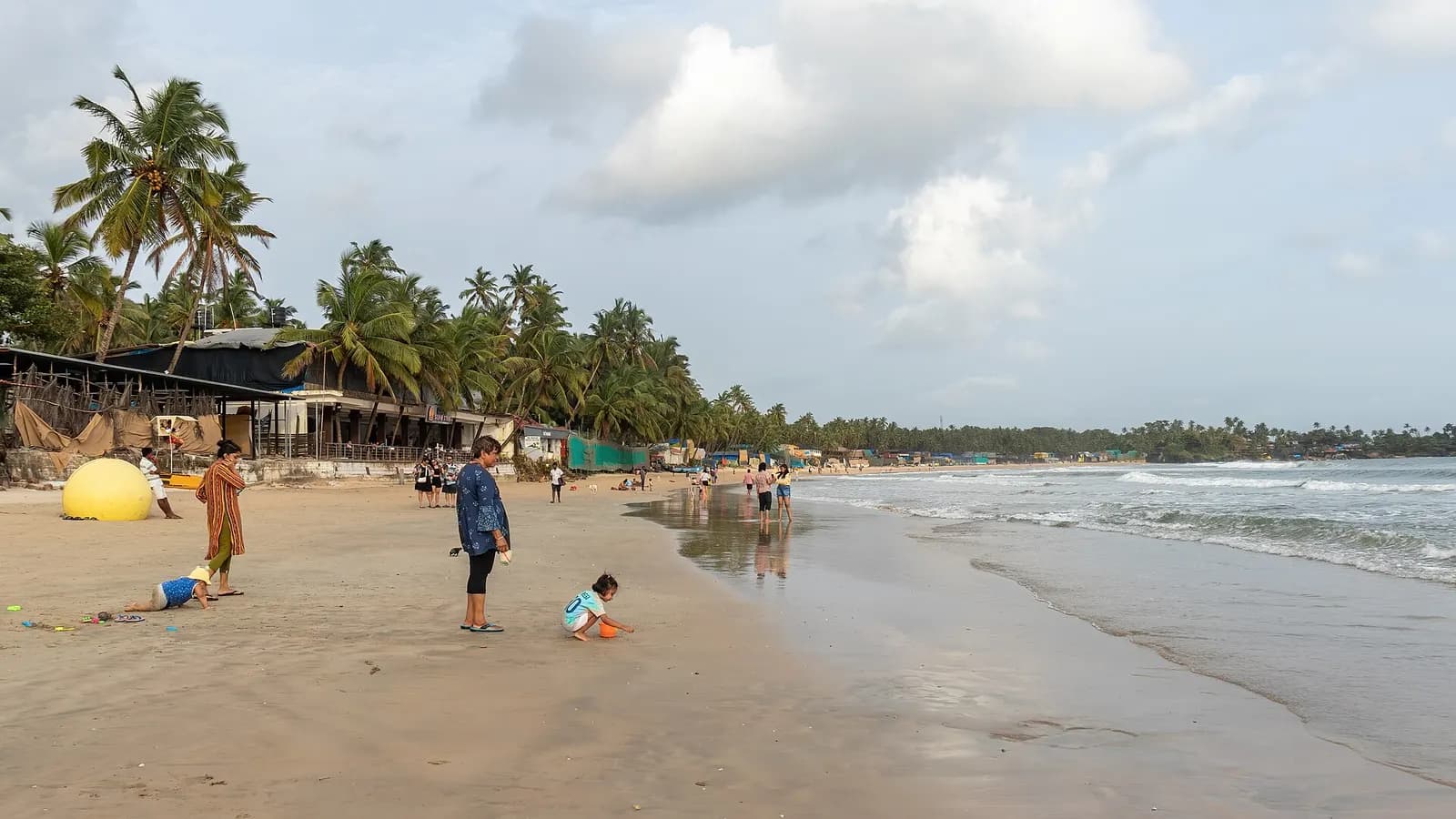
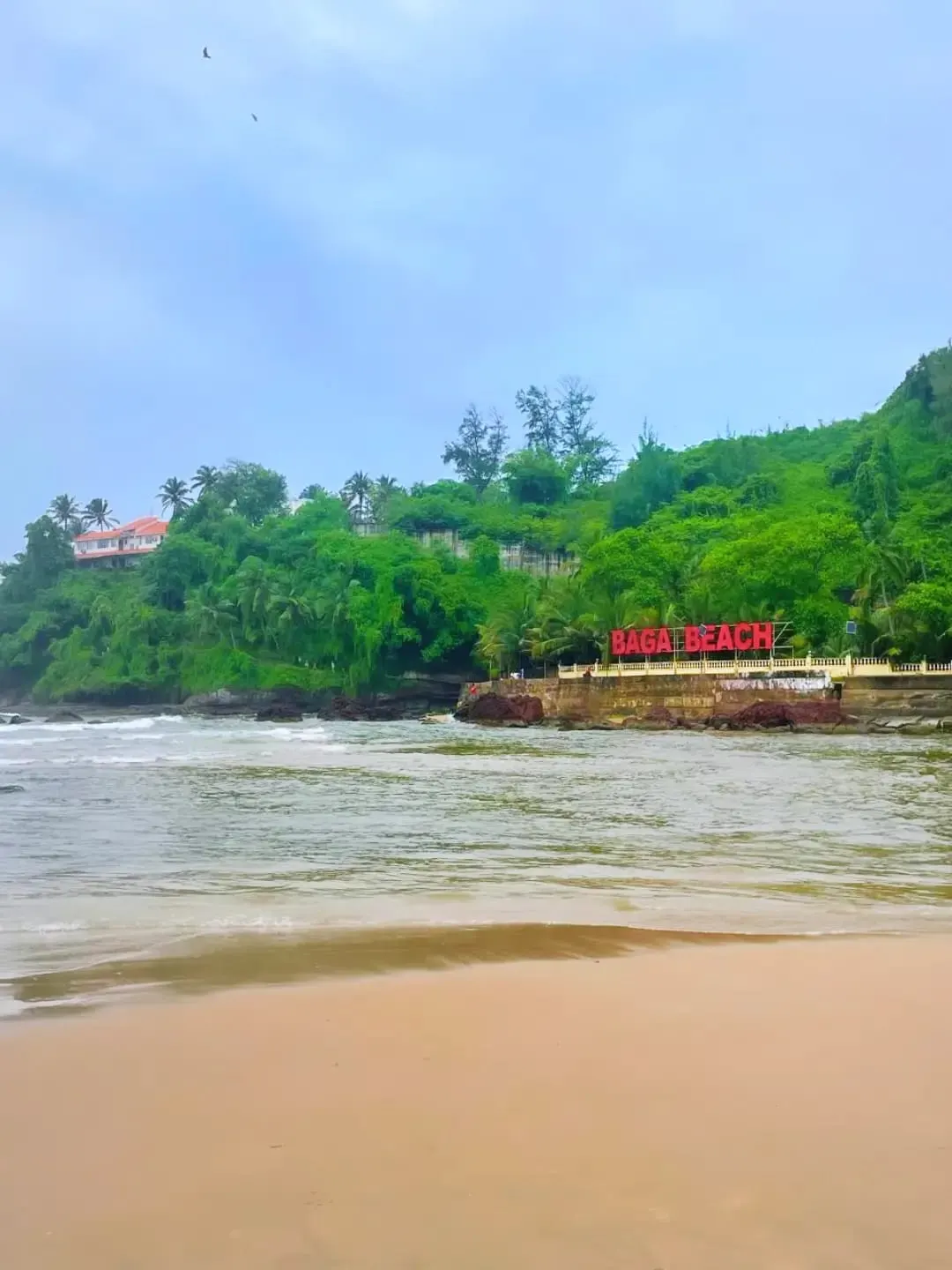
North Goa is where the story of modern Goa gets told: the beaches that travellers found in the late 1960s, the parties of Anjuna in the 1990s, and the boutique-hotel boom of recent years, all layered on 451 years of Portuguese rule. The coast runs almost continuously from Fort Aguada to Arambol, and each stretch has its own crowd. Candolim and Calangute are busy and family-heavy, Baga is loud, Anjuna is rock and flea market, Vagator has cliffs and the red-walled Chapora fort, and by the time you reach Ashwem, Mandrem and Arambol the shacks thin out, the sand widens and yoga shalas take over.
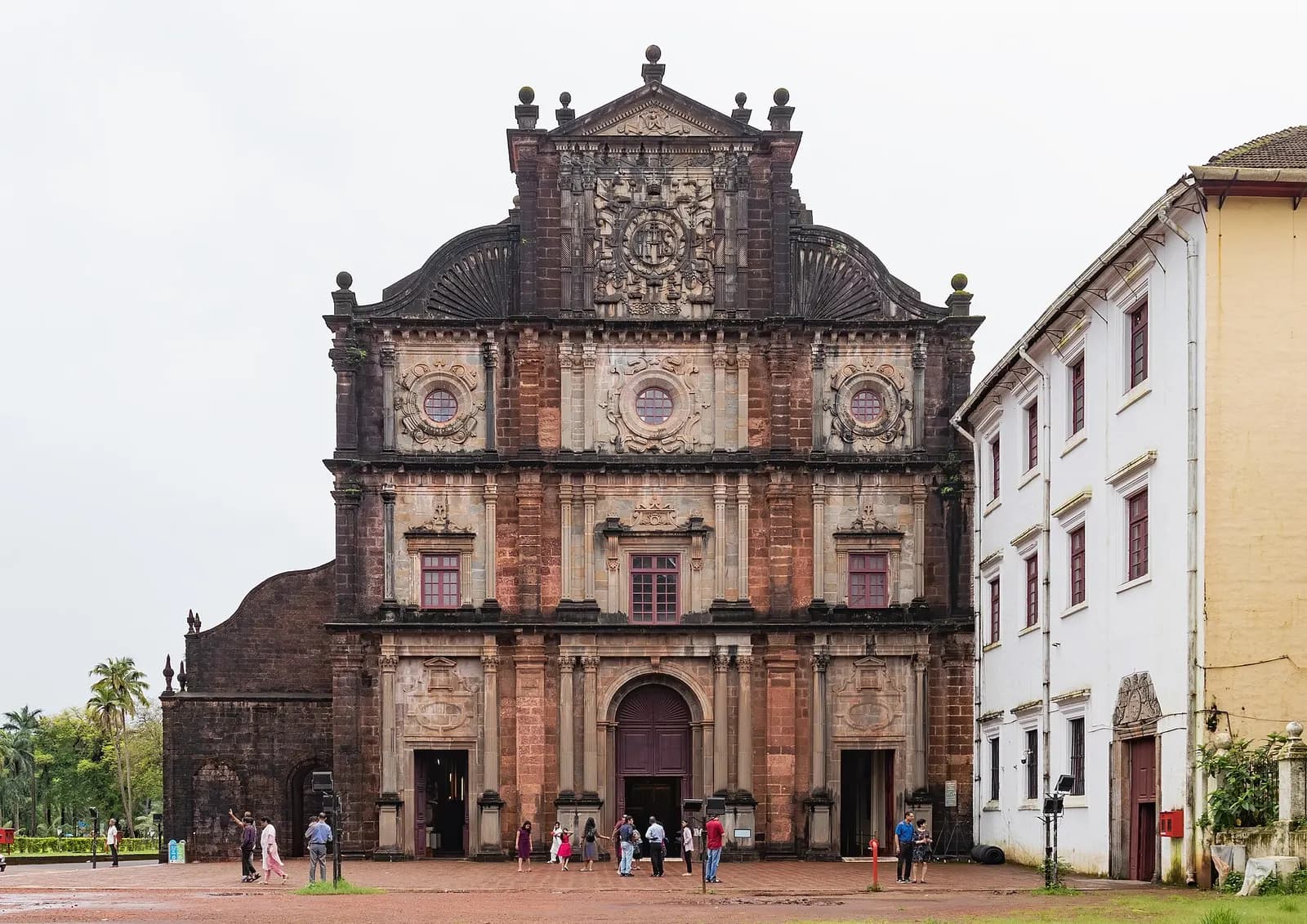
Inland is a different Goa entirely. Assagao and Siolim are villages of Indo-Portuguese houses with oyster-shell windows, azulejo nameplates and hedges of hibiscus, now full of small restaurants. Panjim, the capital, keeps Fontainhas, a Latin quarter of ochre and blue lanes below the Church of Our Lady of the Immaculate Conception and its white stepped facade.
Wednesday means the Anjuna flea market, Saturday the night market at Arpora, and any evening means a sundowner at Chapora or Aguada. Eat cafreal and prawn balchao, drink cashew feni with lime, and let the afternoon go.
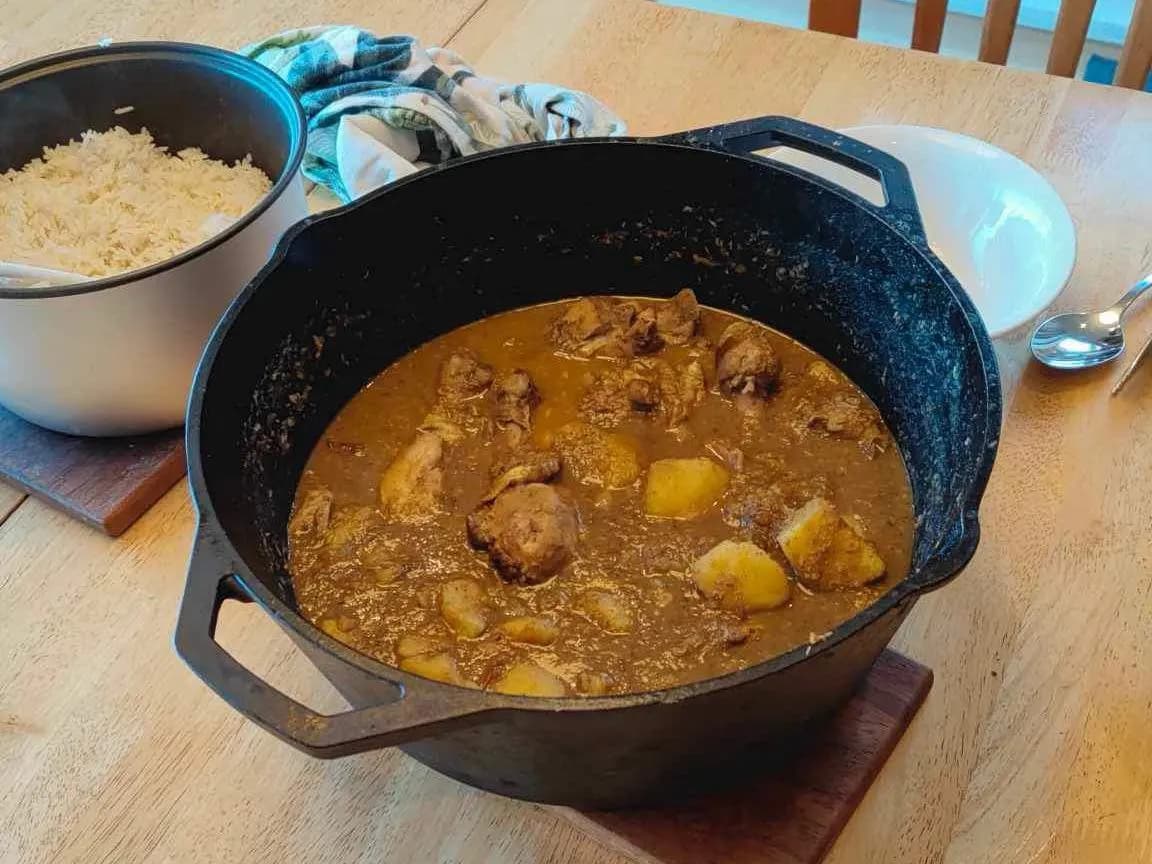 Non-veg