India rewards preparation more than most countries and punishes over-scheduling more than any. Almost every difficult first trip we hear about comes down to the same two errors: too many cities in too few days, and no plan for the ordinary things, money, connectivity, water, laundry, rest. Sort those and the country is one of the easiest places in the world to travel.
Go slower than the map suggests
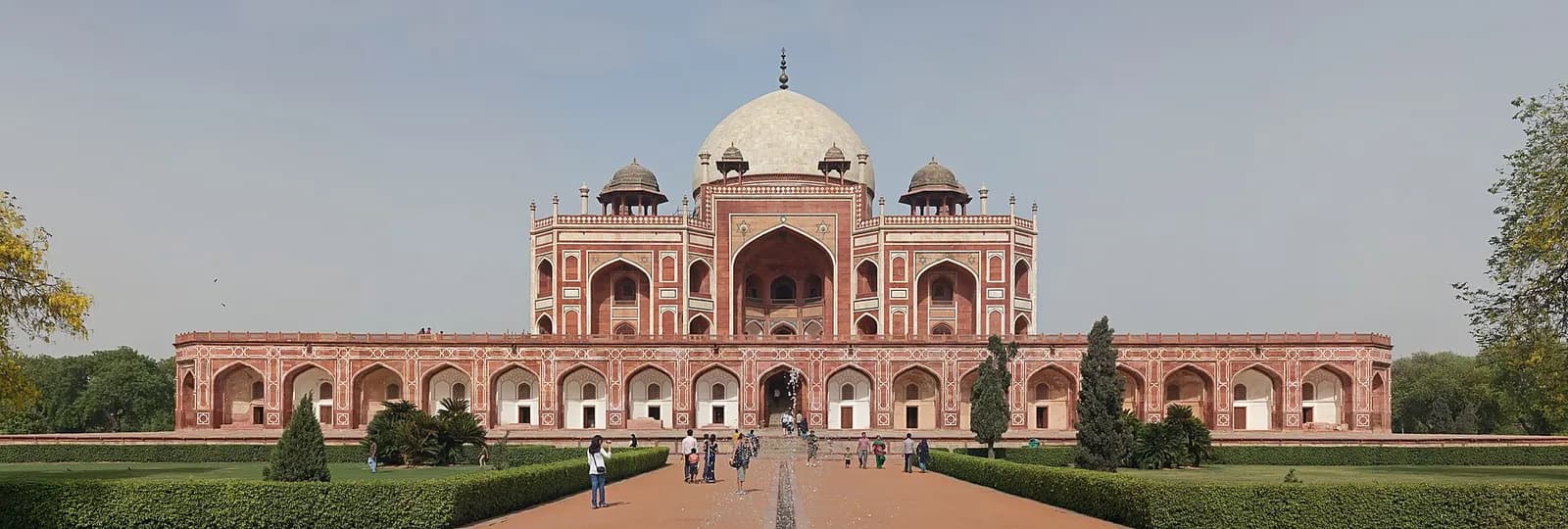
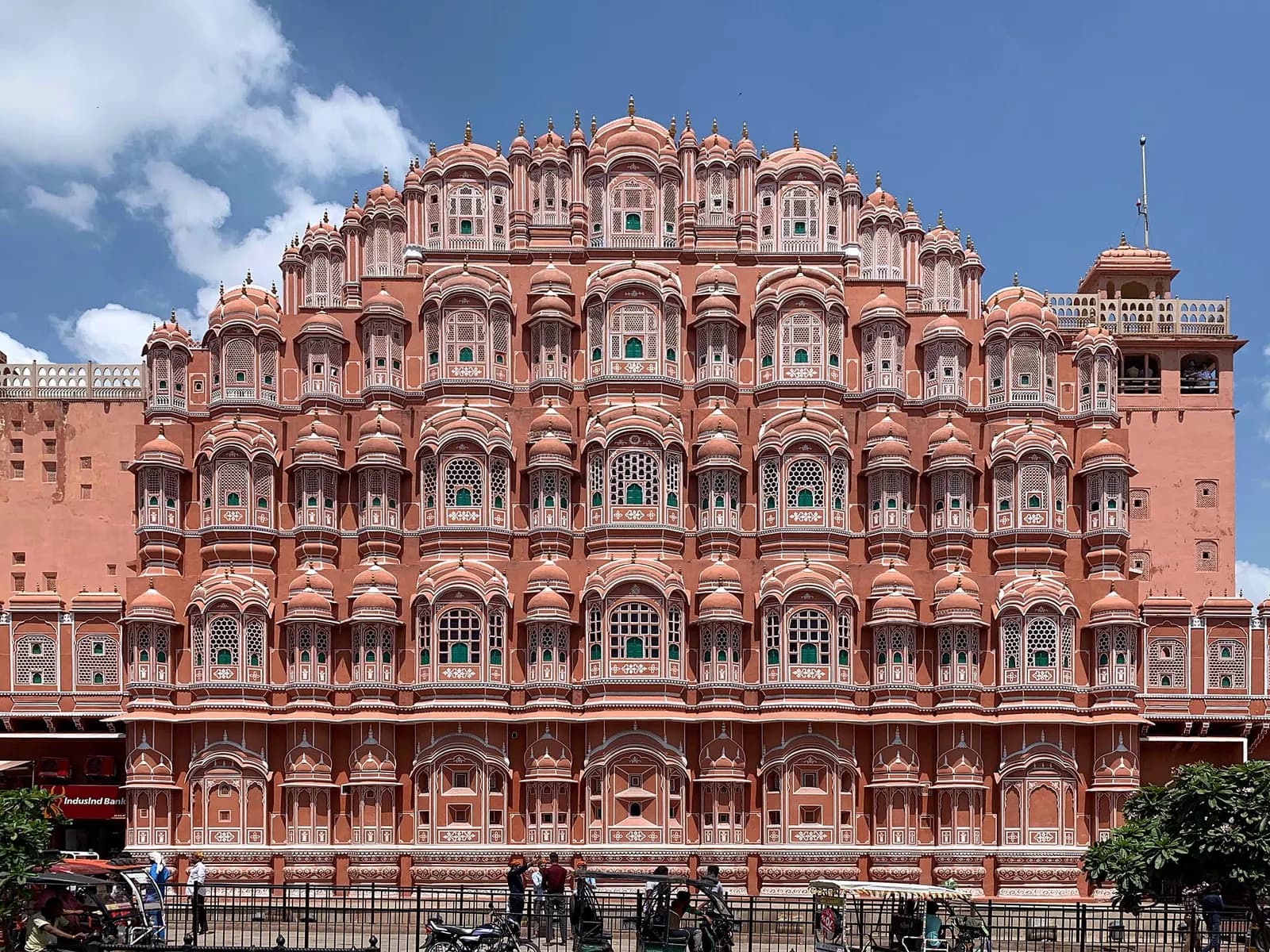
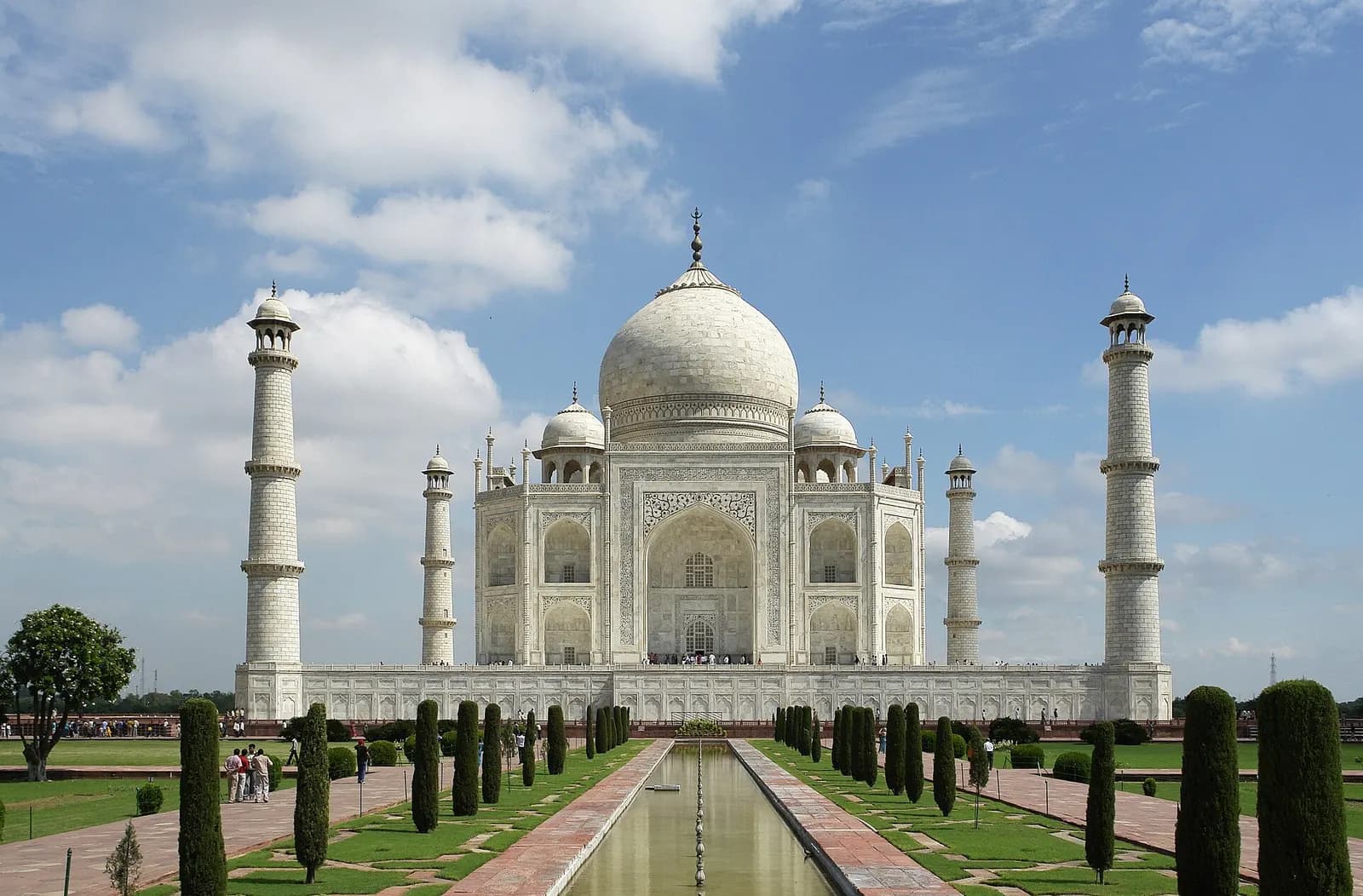
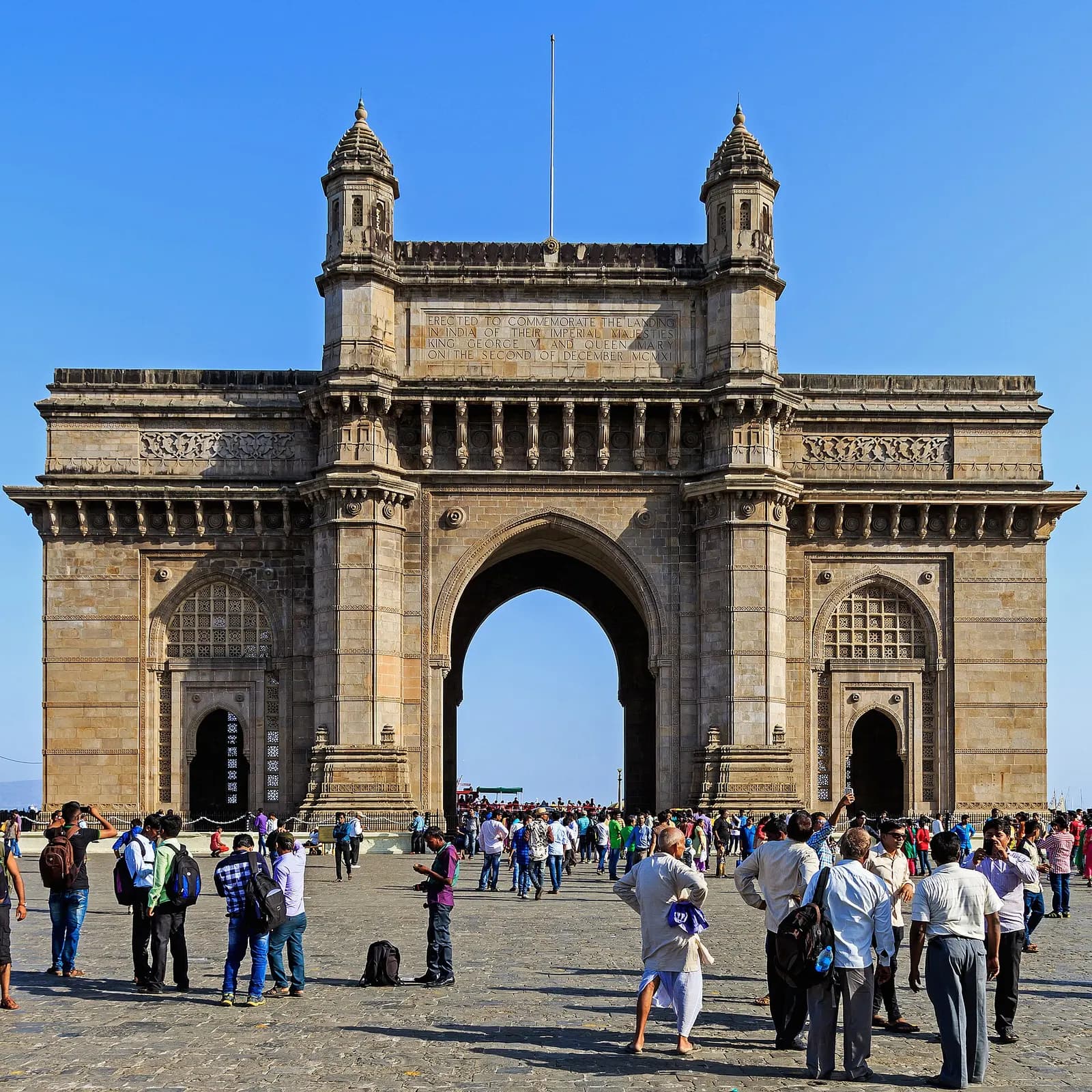
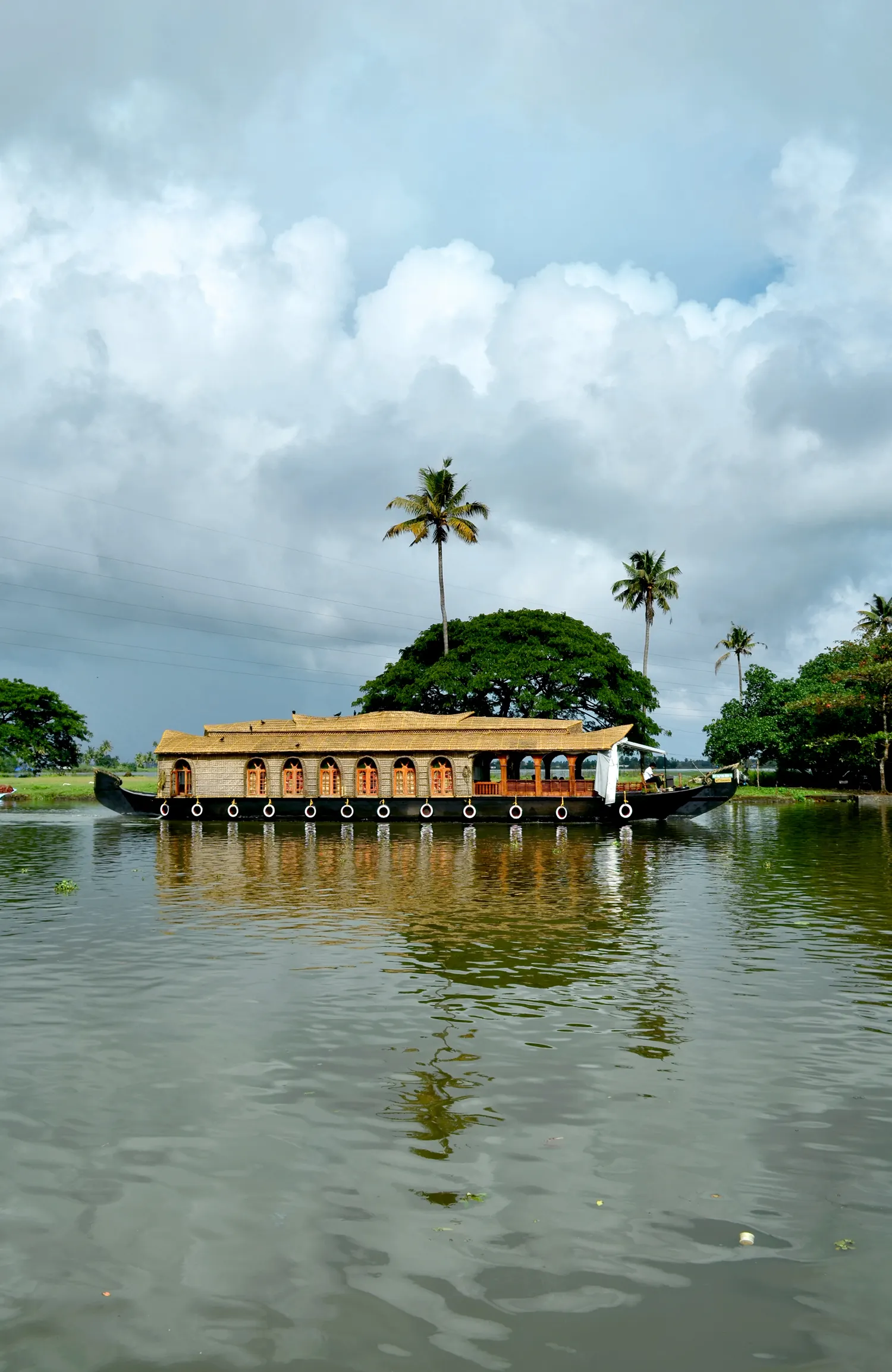
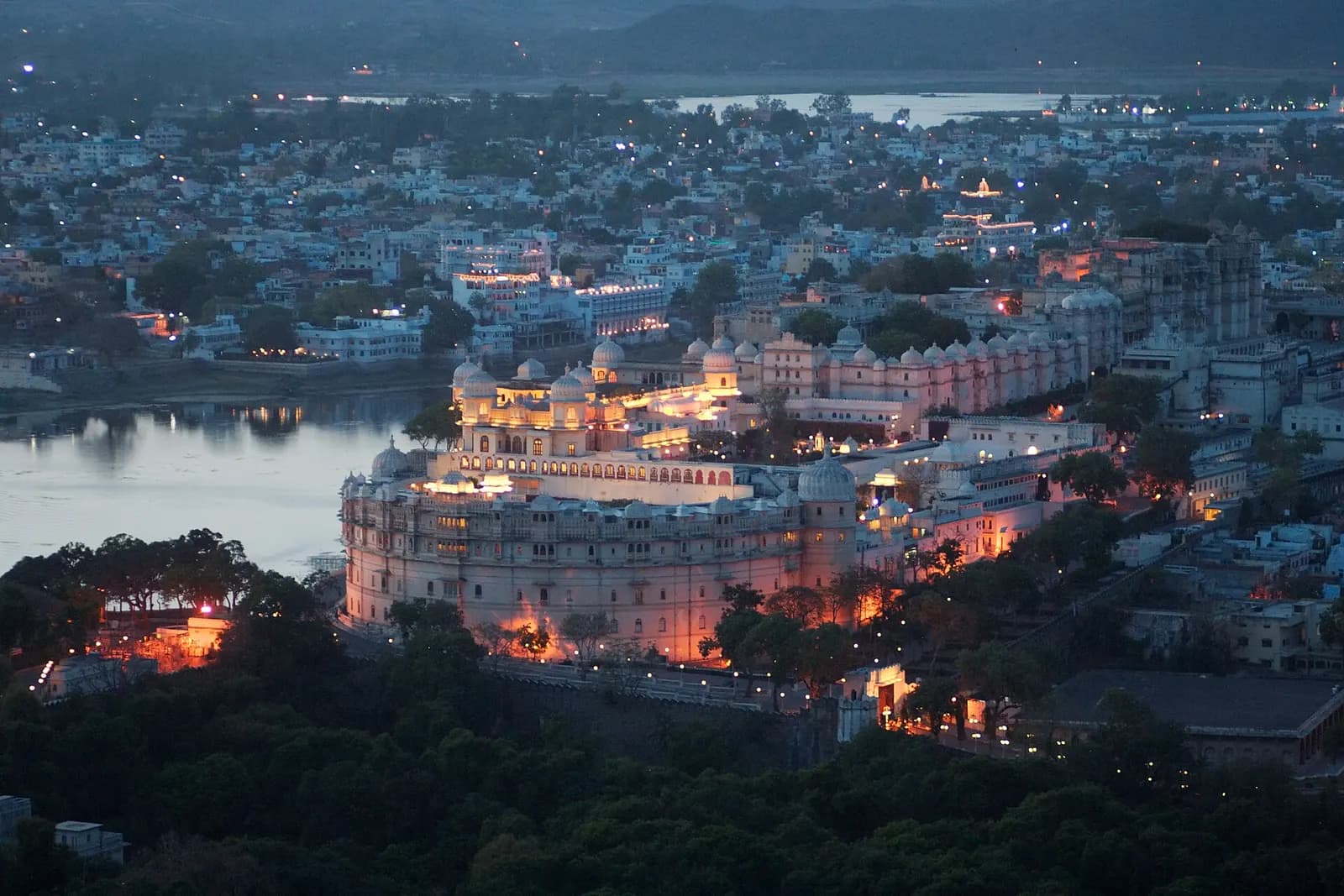
India is 3,200 km from Srinagar to Kanyakumari. Delhi to Kochi is about 2,600 km, which is a three hour flight, not a drive. For two weeks, three or four bases is the right number. A workable first trip is Delhi, Agra, Jaipur, Udaipur, then a flight south to Kerala. A bad first trip is that list plus Varanasi, Amritsar, Goa and Hampi.
Give a big city two nights minimum, because one night means you arrive tired and leave before you have understood anything. Build in one unstructured morning per week. You will need it.
Visas, SIM cards and money
Most nationalities use the Indian e-visa. Apply online at least four days before you fly, upload a passport scan and a plain photograph, and carry a printout of the approval along with your passport.
Buy a local SIM at the airport on arrival. Airtel and Jio both sell prepaid tourist plans against your passport, visa and a photo, and a month with generous data costs roughly INR 500 to 1,200. Activation can take an hour or two. Many phones also support an Indian eSIM bought before you leave home.
For money, carry a card and cash. Cards work in hotels, restaurants and most shops in cities. Cash still runs autos, small stalls, temple donation boxes and village purchases. Budget INR 2,000 to 3,000 a day in cash for a mid-range trip. Many ATMs cap a single withdrawal at INR 10,000 and Indian banks add a fee of INR 200 to 250 for foreign cards, so take larger amounts less often. Ask for smaller notes, because a chai seller cannot break a 500.
Getting around
- Trains are the best long-distance experience in the country. Booking opens sixty days before departure and popular routes fill fast. For overnight journeys choose 2A or 3A, which are air-conditioned with bedding provided. On day trains, chair car or executive chair on a Vande Bharat or Shatabdi is comfortable and punctual.
- Domestic flights are cheap and frequent. A Delhi to Udaipur or Mumbai to Kochi hop usually costs INR 3,500 to 7,000 booked three weeks out. Baggage rules are strict, so weigh bags.
- Do not self-drive. A car with a driver costs about INR 3,500 to 5,500 a day for a sedan including fuel, and a good driver becomes half your trip.
- In cities, use ride-hailing apps or metro systems. Delhi, Mumbai, Bengaluru, Kolkata, Chennai, Hyderabad, Jaipur and Kochi all have metros. If you take an auto-rickshaw off the street, agree the fare before you sit down.
Eating and drinking without losing days
The rule is heat and turnover, not fancy versus simple. A stall frying kachori to order for a queue of office workers is safer than a quiet hotel buffet. Eat food that is cooked in front of you and served hot. Be careful with pre-cut fruit that has been sitting out, with raw salads outside good restaurants, and with ice from unknown sources.
Drink sealed bottled water and check the seal, or carry a filter bottle. A litre costs INR 20. Fresh lime soda, masala chai, sugarcane juice from a busy cart and lassi in a clay kulhad are all part of the pleasure. Give your stomach three or four days before you go hard at chillies and street sweets.
Health and what to pack
Talk to a travel clinic about typhoid, hepatitis A and tetanus at least a month before you travel. Carry oral rehydration salts, an anti-diarrhoeal, paracetamol, hand sanitiser and any prescription medicine in its original box. Mosquito repellent matters year round in the plains, and dengue mosquitoes bite by day.
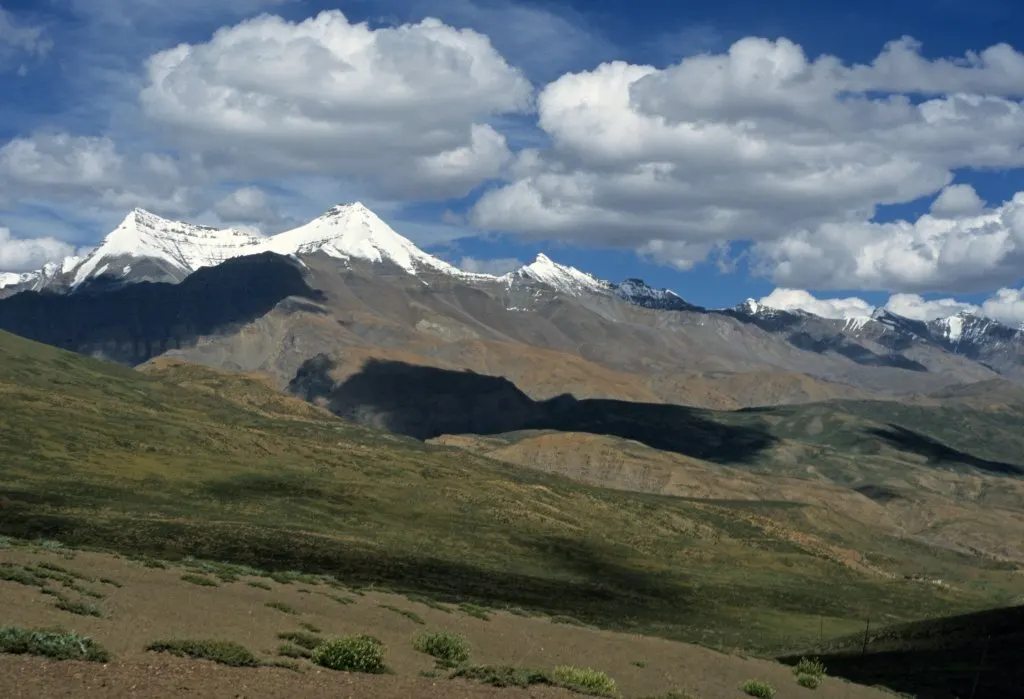
Pack light cotton and linen, one long-sleeved shirt and long trousers or a long skirt for temples, a scarf that doubles as a head cover, closed shoes for cities and sandals you can slip off, and something warm. Rajasthan mornings in January are cold, and a Himalayan hill station in May still drops to single figures at night. Power is 230 volts with C, D and M sockets, and India runs on a single time zone five and a half hours ahead of GMT with no daylight saving.
Temples, homes and basic manners
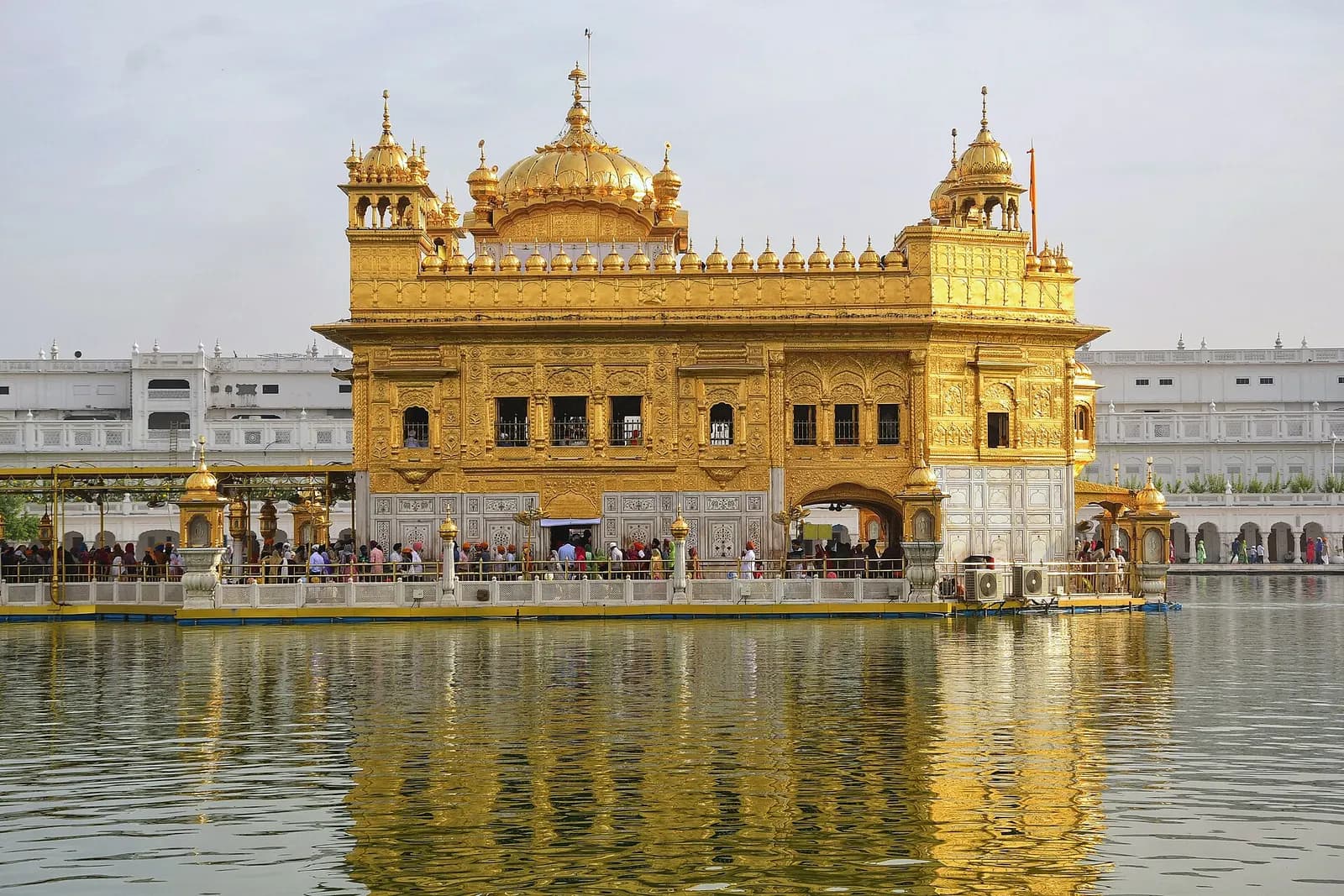
Shoes come off at temples, mosques, gurdwaras and most homes, so wear something easy. Cover shoulders and knees. Heads are covered in gurdwaras, and the Golden Temple in Amritsar hands out scarves at the entrance. Jain temples do not allow leather, including belts and camera straps. A few temples admit only Hindus, notably Jagannath Temple in Puri.
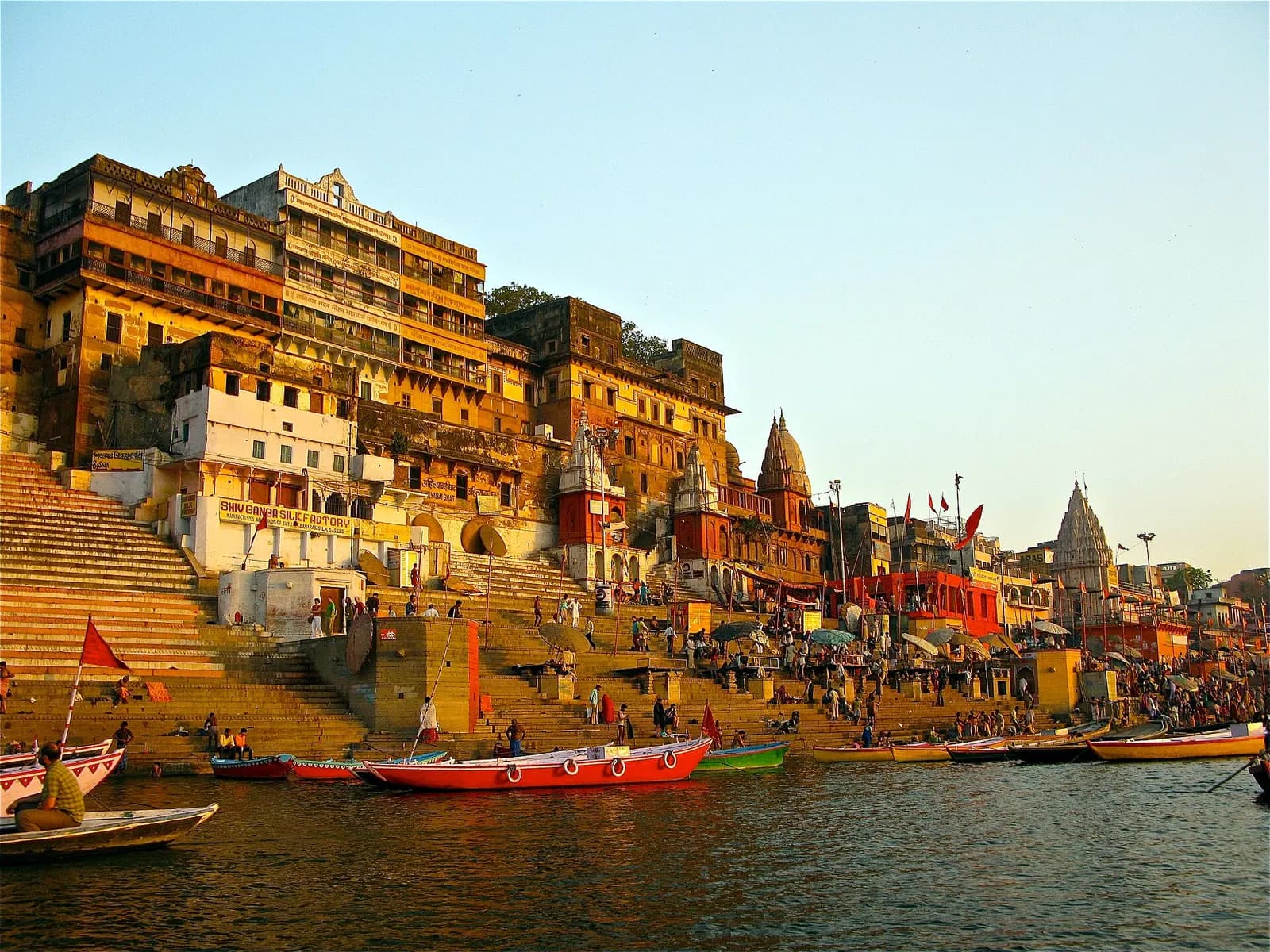
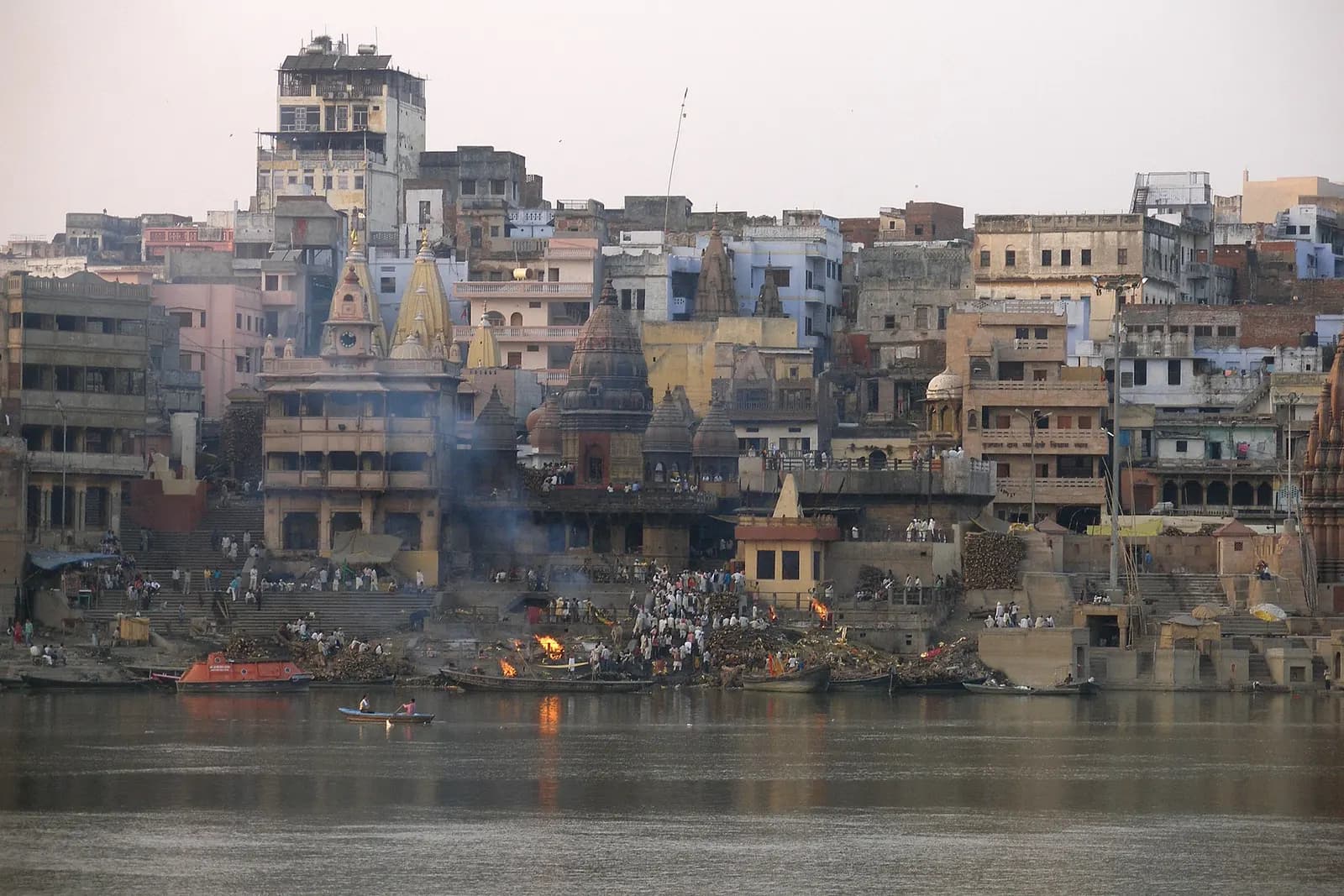
Eat and pass things with your right hand. Ask before photographing people, and never photograph cremations at the Varanasi ghats. Public displays of affection draw attention outside big-city neighbourhoods. Tipping is not obligatory but is normal: ten per cent in restaurants without a service charge, INR 300 to 500 a day for a driver, INR 500 to 800 for a full-day guide, INR 50 for a porter.
The handful of scams worth knowing
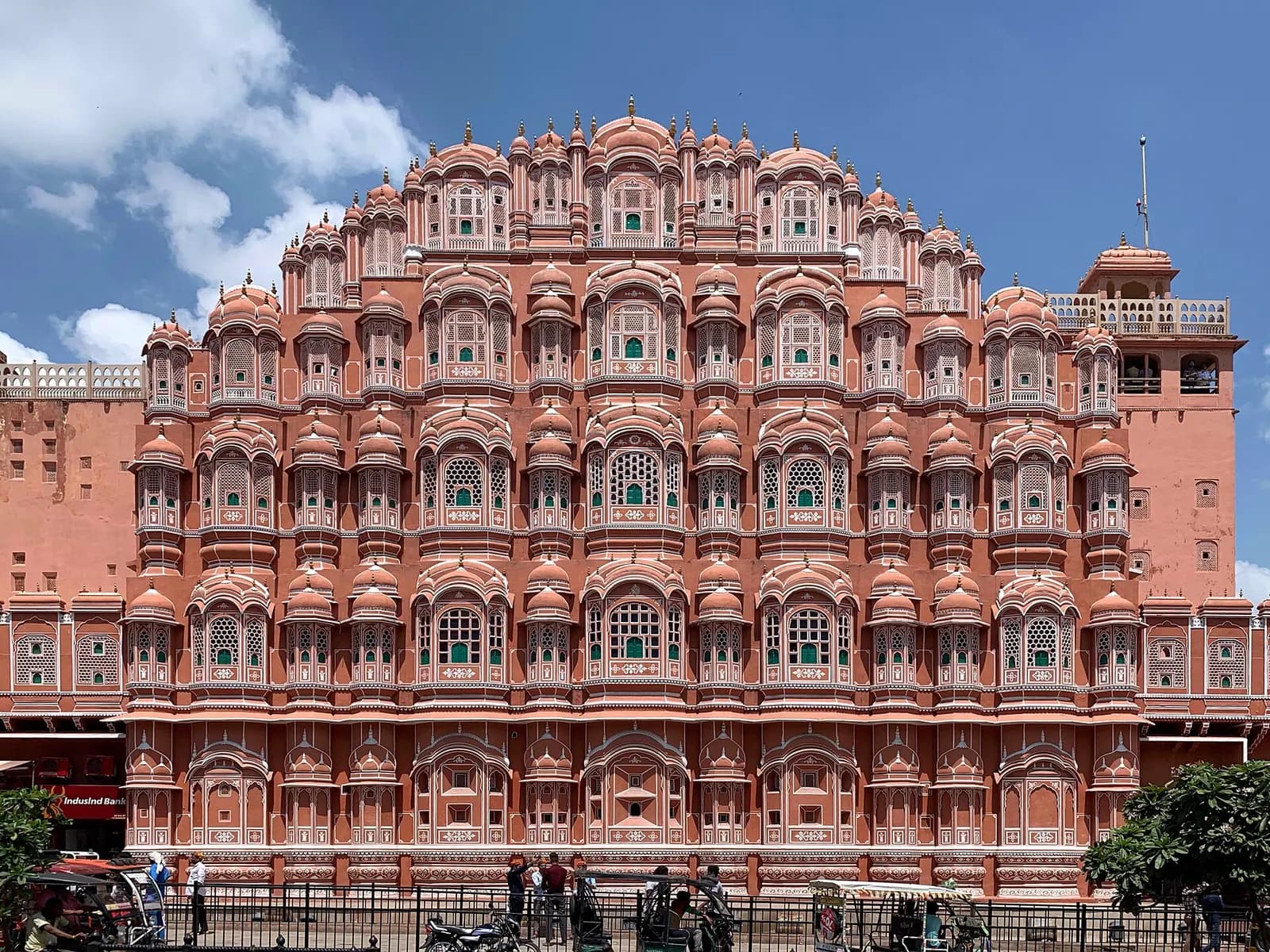
- The gem deal. Someone in Jaipur offers you stones to carry home for a partner who will pay double. There is no partner.
- The closed hotel. A taxi driver in Delhi says your hotel has shut or burnt down and takes you to a friend's guesthouse. Call your hotel and keep going.
- The official tourist office. Touts near New Delhi railway station run offices with government-sounding names. The real one is on Janpath.
- The blessing. Someone ties a thread on your wrist at a ghat or a fair, then names a donation. Decline politely before the thread lands.
None of these are dangerous. They are just friction, and a firm, cheerful no ends almost all of them.
FAQs
Is India safe for solo travellers, including women?
Broadly yes, with normal precautions taken seriously. Use pre-booked airport transfers and app-based cabs at night, choose upper-berth or 2A on overnight trains, dress modestly outside metros, and keep a hotel contact who knows your day plan. Solo women travel across India constantly, and most report the trip as easier than expected.
How much should I budget per day?
Backpacking runs INR 2,500 to 4,000 a day. Comfortable mid-range travel with private transport, three-star and four-star hotels and guides costs INR 8,000 to 15,000 a day per person. Palace hotels and luxury lodges start around INR 30,000 a day.
Do I need Hindi?
No. English is widely used in hotels, transport and shops, and India has twenty-two scheduled languages, so Hindi will not help you in Chennai or Kochi anyway. Learning namaste, dhanyavaad and kitna is plenty.
When should I come for my first trip?
October to March for a first visit covering the north, Rajasthan and Kerala. February is the most forgiving month across the largest area.
Tell us how long you have, what you like and what you would rather skip, and we will design a first India trip that moves at a human pace. Message DEVGAMAN on WhatsApp and a real planner in Jaipur will answer.
Places in this story
Plan this trip
 21 days · 20 nights
Themes:HeritageCultureFood
Moderate · Best Nov–Feb
Grand India Odyssey: Delhi to the Coromandel Coast
Three weeks down the whole length of India, Delhi to Chennai
Route: Delhi → Agra → Jaipur → Udaipur +6 more
- Group
- 2–8 (private)
- From
- ₹2,45,000 pp
Tagsfirst time india · travel tips · planning · safety · food · trains