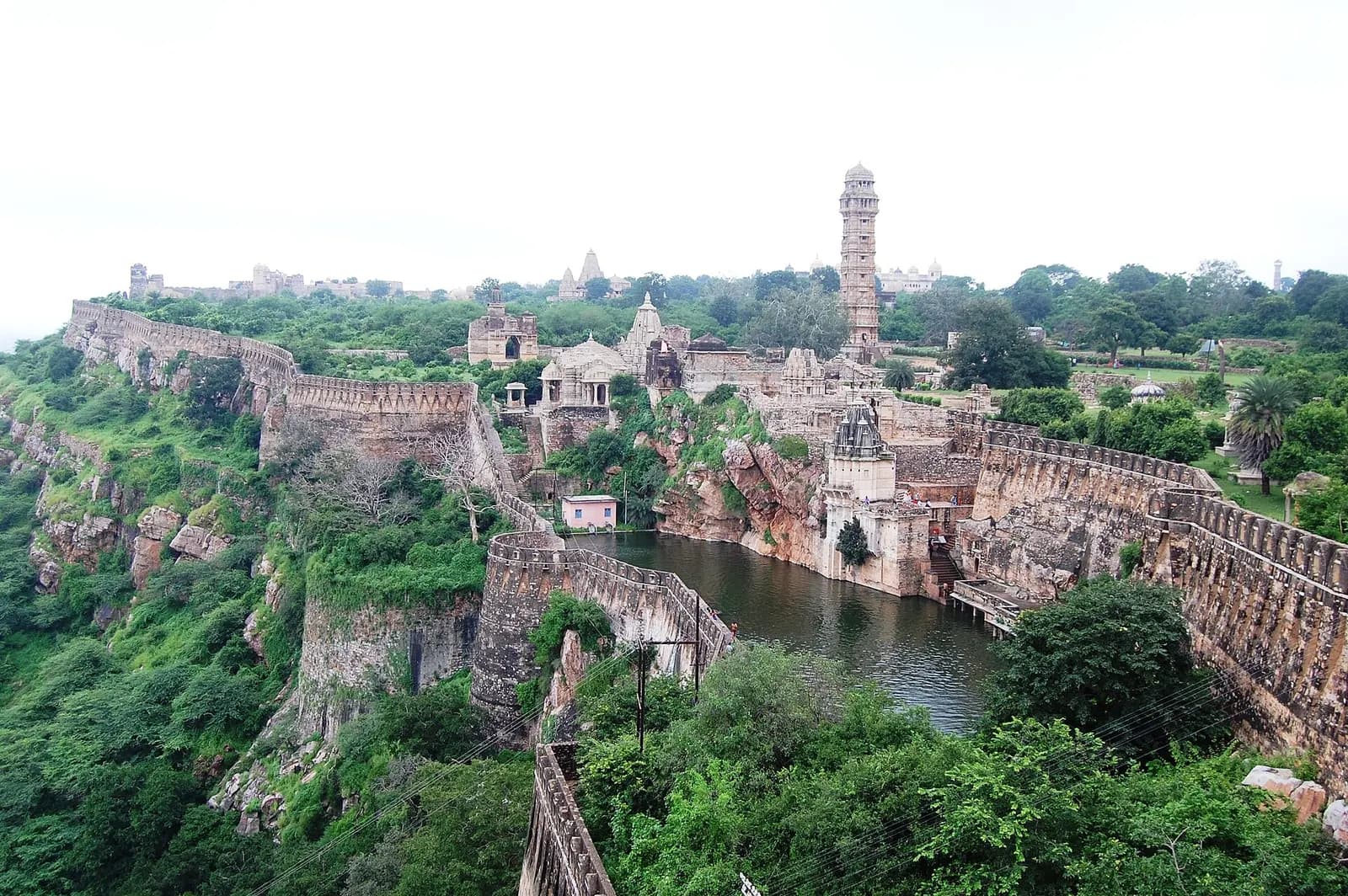
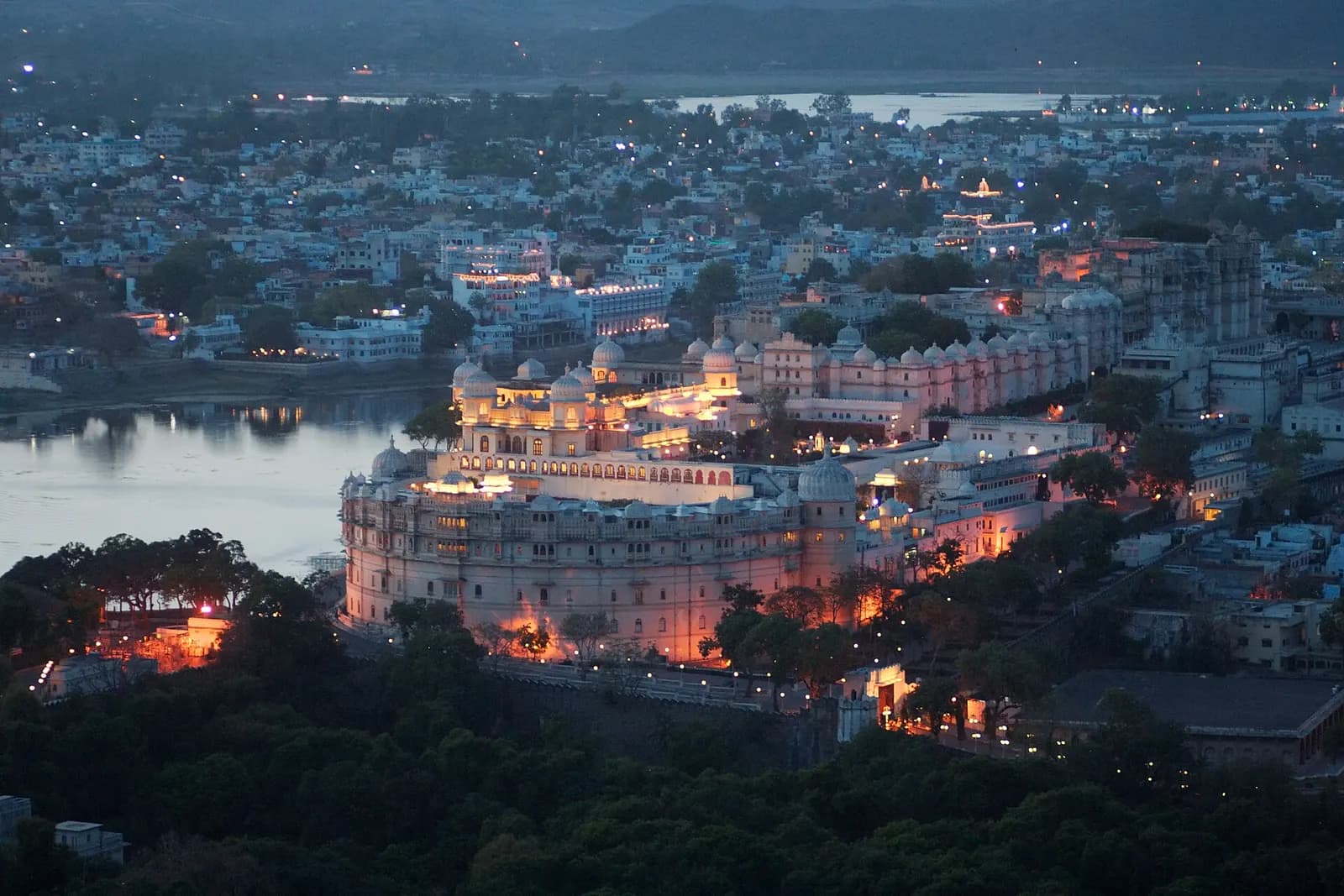
Udaipur sits in a bowl of the Aravallis around lakes built by hand: Pichola, dug in 1362 by a banjara grain trader and enlarged by the Maharanas, then Fateh Sagar, Swaroop Sagar and Badi. When Udai Singh II abandoned Chittorgarh after the sieges, he built his new capital on Pichola's eastern shore, and the City Palace grew there over four centuries into a 244-metre facade of marble and granite, its Mor Chowk peacocks and Sheesh Mahal glasswork still intact. Mornings are best on the water: a boat from Rameshwar Ghat to Jag Mandir, where Shah Jahan sheltered as a prince, past the Lake Palace of 1746 that is now a Taj hotel.
The old city behind Jagdish Temple, with its 1651 spire and black stone Vishnu, is a tangle of miniature painters, silversmiths and rooftop cafes where you eat dal baati looking at the water. Late afternoon, drive up to Sajjangarh, the Monsoon Palace, for the view over the whole lake system, then come down for the Dharohar folk-dance show at Bagore ki Haveli at seven. Within an hour are Eklingji, the Mewar dynasty's family temple, and Nathdwara's Shrinathji shrine, where pichwai painting was born.
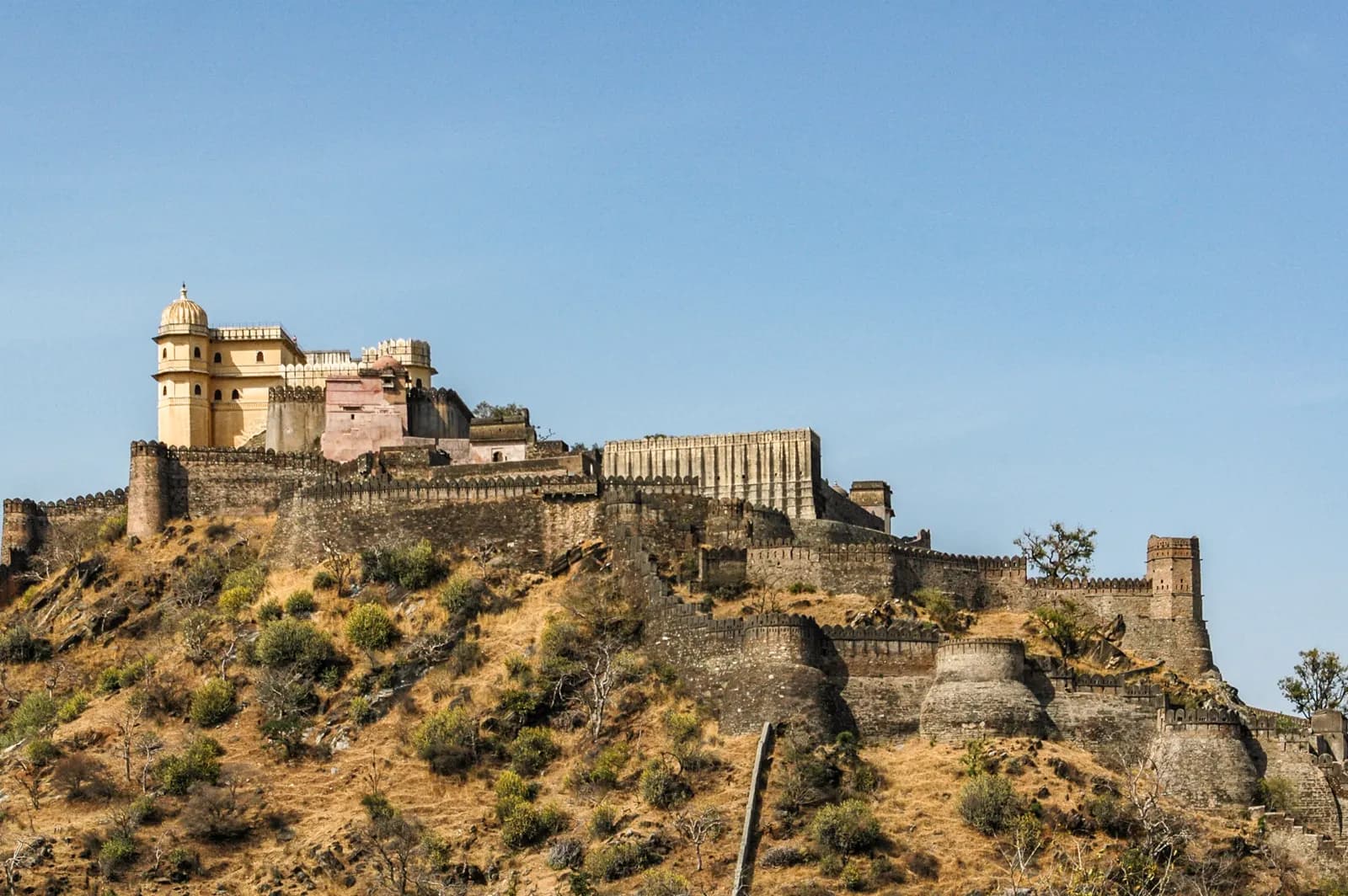
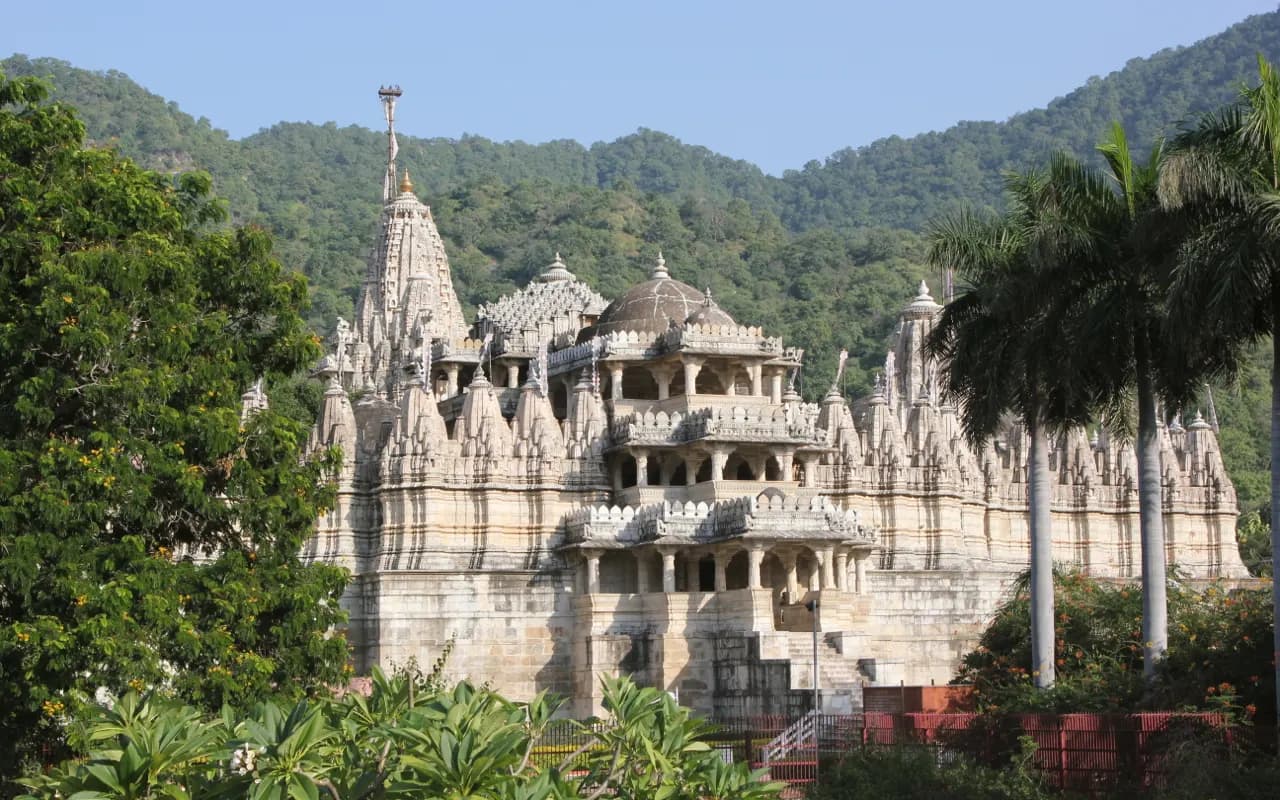
Udaipur is also the base for Kumbhalgarh and Ranakpur, so give it more nights than you think.
 Non-veg