DEVGAMAN

West India · City

Mumbai

Seven islands, Art Deco seafront and India's loudest appetite

19.08° N · 72.88° E
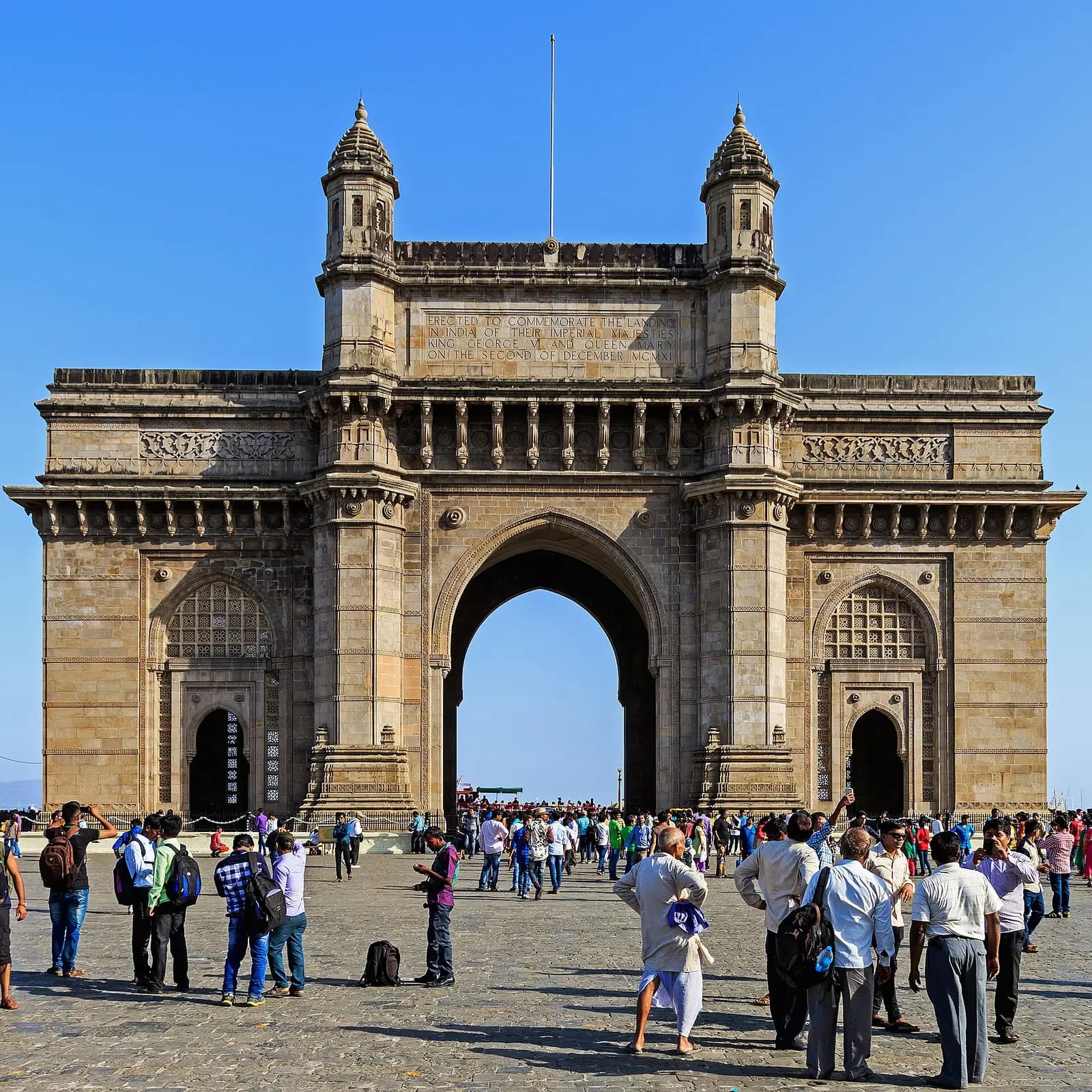
The Gateway of India arch on the Mumbai waterfront with boats in the harbour behind it

Photo: A.Savin · FAL

Best months to be here

  • January — a best month
  • February — a best month
  • March
  • April
  • May
  • June
  • July
  • August
  • September
  • October
  • November — a best month
  • December — a best month

Best: Nov–Feb

At a glance

Region
West India
Kind of place
City · Colonial
Ideal stay
3 days
Altitude
14 m
Coordinates
19.08° N, 72.88° E

Mumbai was seven islands and a fishing people, the Kolis, before the Portuguese handed the harbour to Charles II in 1661 as part of Catherine of Braganza's dowry and the East India Company leased it for ten pounds a year. Reclamation joined the islands, the American Civil War made the cotton merchants rich, and the money went into the extravagant Victorian Gothic that still lines the Oval Maidan: the High Court, the University's Rajabai Tower and Chhatrapati Shivaji Maharaj Terminus, the most theatrical railway station ever built. Facing them across the maidan is a second UNESCO layer, the largest collection of Art Deco buildings outside Miami, raised in the 1930s along Marine Drive.

A day here is a set of contrasts you cover by local train and ferry: dawn at Banganga Tank, a stepped water tank from 1127 with laundry drying and temple bells ringing; the Gateway of India by nine, then the boat to Elephanta and its eight-metre Trimurti carved into basalt in the sixth century; dabbawalas moving lunch tins at Churchgate around noon; Bohri Mohalla for kebabs; Chowpatty for bhelpuri as the Queen's Necklace comes on. Mumbai does not ask you to like it. It asks you to keep up.

What not to miss in Mumbai

  1. Chhatrapati Shivaji Maharaj Terminus and the Victorian Gothic ensemble
  2. Elephanta Caves and the sixth-century Trimurti
  3. Marine Drive Art Deco at dusk
  4. Dhobi Ghat and Banganga Tank at dawn
  5. Haji Ali Dargah on its causeway at low tide
  6. Kanheri Caves inside Sanjay Gandhi National Park

Best Nov–Feb

Best time to visit Mumbai

November to February; the monsoon from June to September is dramatic but floods the streets.

Give Mumbai 3 days and it repays the time; with fewer you are choosing between Chhatrapati Shivaji Maharaj Terminus and the Victorian Gothic ensemble and Elephanta Caves and the sixth-century Trimurti. We build the hours around the weather — early starts when it is hot, long afternoons when it is not.

  • Ideal stay — 3 days
  • Season — Nov–Feb
  • Festivals — Ganesh Chaturthi
Plan a trip here

On the ground

Things to do in Mumbai

The days we would actually plan for you, in the order that suits the light.

  • Morning ferry from the Gateway of India to Elephanta Island
  • Riding a local train from Churchgate at off-peak hours
  • Street-food crawl from Mohammed Ali Road to Chowpatty
  • Sunday walk through Kala Ghoda and the Fort district art galleries
  • Sunset at Bandra Bandstand followed by Mount Mary church

At the table

What to eat in Mumbai

  • Vada pav from a station-side stall
  • Pav bhaji loaded with butter
  • Bhelpuri and sev puri at Girgaum Chowpatty
  • Bun maska with Irani chai at a Fort cafe
  • Seekh and baida roti at Bohri Mohalla after dark

On the thali here

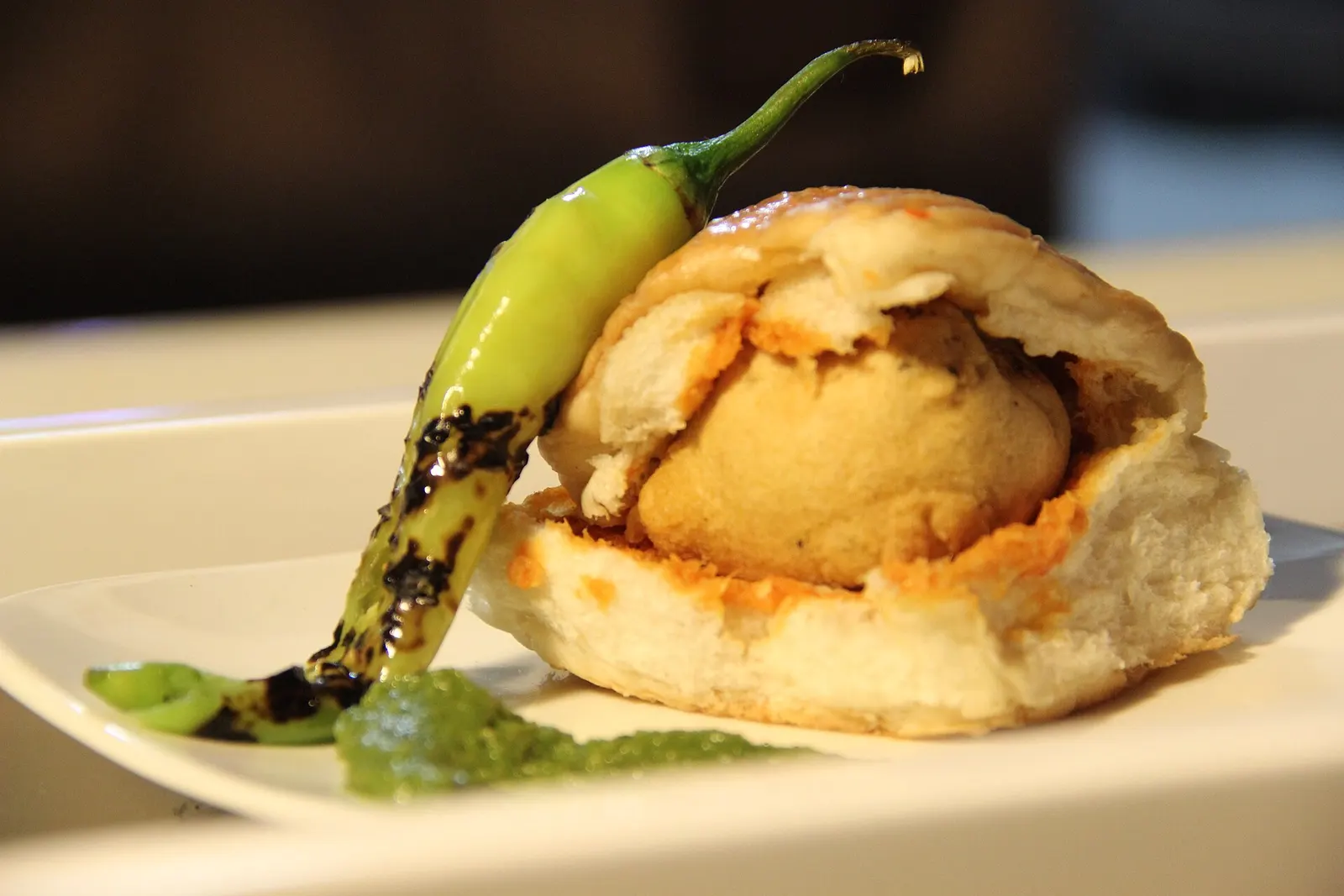
Mumbai vada pav with dry garlic chutney and fried chilliStreet food

Maharashtra

Vada Pav

A spiced potato ball in gram-flour batter, fried and pushed into a soft pav with dry garlic chutney and a fried green chilli on the side. Ashok Vaidya sold the first one outside Dadar station in 1966. Mumbai still eats it standing up, between trains, and it costs less than a bus ticket.
Getting there

How to reach Mumbai

Chhatrapati Shivaji Maharaj International Airport is 25 km from Colaba; CSMT, Mumbai Central and Lokmanya Tilak serve long-distance trains; Pune is 150 km on the expressway.

Airport pickups, station transfers and the driver for the days here are all part of what we arrange — including the hour you should leave, which is usually earlier than you think.

Travel tips from our trips

  • Avoid local trains between 8 and 11 am and 6 and 9 pm; ladies' compartments run all day and are far easier
  • Elephanta ferries leave the Gateway from about 9 am to 2 pm and the caves are closed on Mondays
  • During the June to September monsoon, low-lying areas flood within an hour of heavy rain; keep plans flexible and avoid the sea wall at high tide
  • The Metro and app cabs beat taxis for cross-city distances, especially between the airport and the south
  • Book heritage walks and Elephanta guides in advance on weekends and public holidays

Next door

Near Mumbai

Places that join Mumbai without a long drive — the way a real week is built.

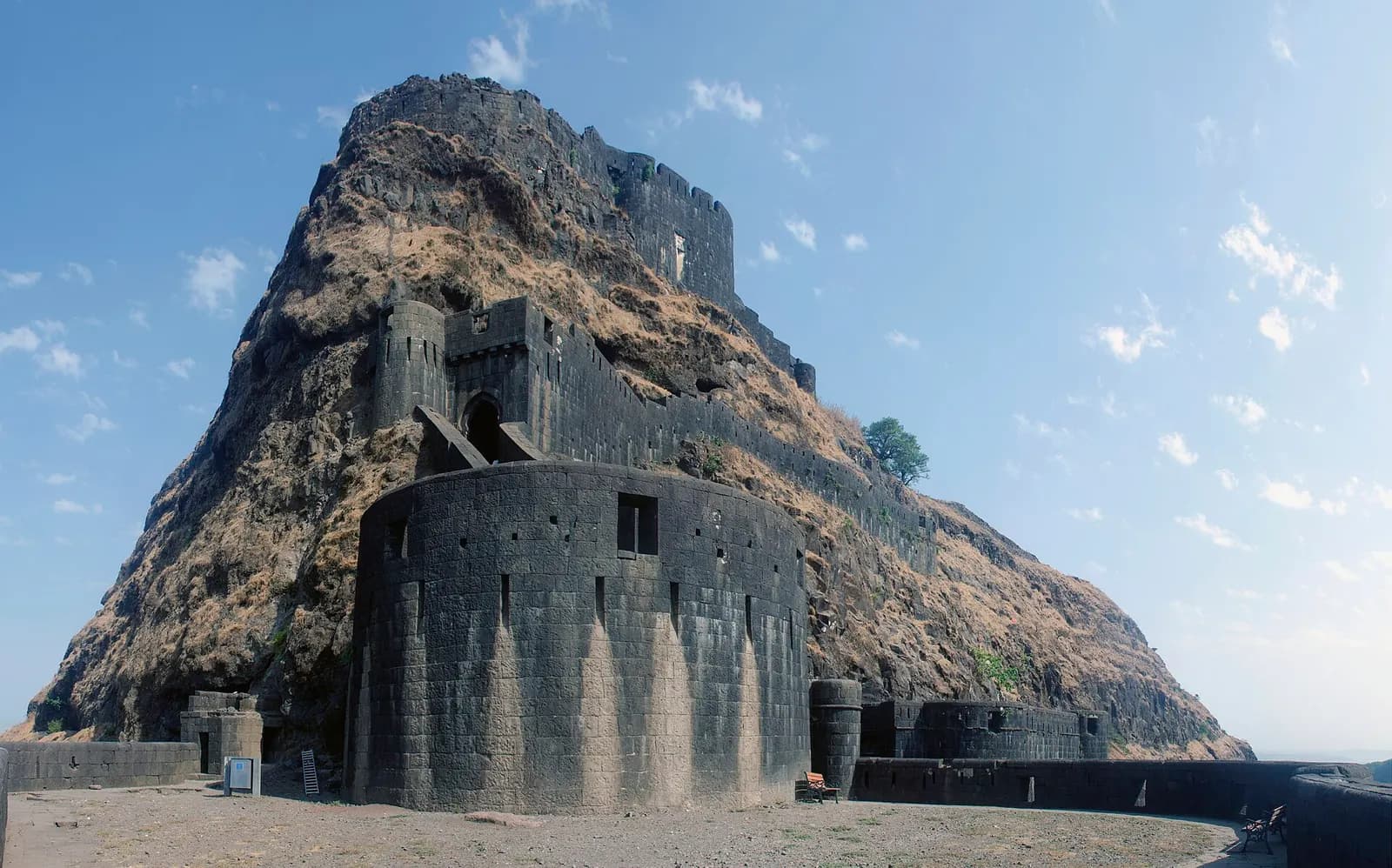
The stone bastions of Lohagad fort on the Sahyadri ridge above LonavalaHill station
Themes:NatureAdventureFamily

Maharashtra

Lonavala & Khandala

Sahyadri edge of chikki, monsoon cloud and rock-cut caves

Ideal stay
2 days
Best time
June to September for waterfalls and cloud
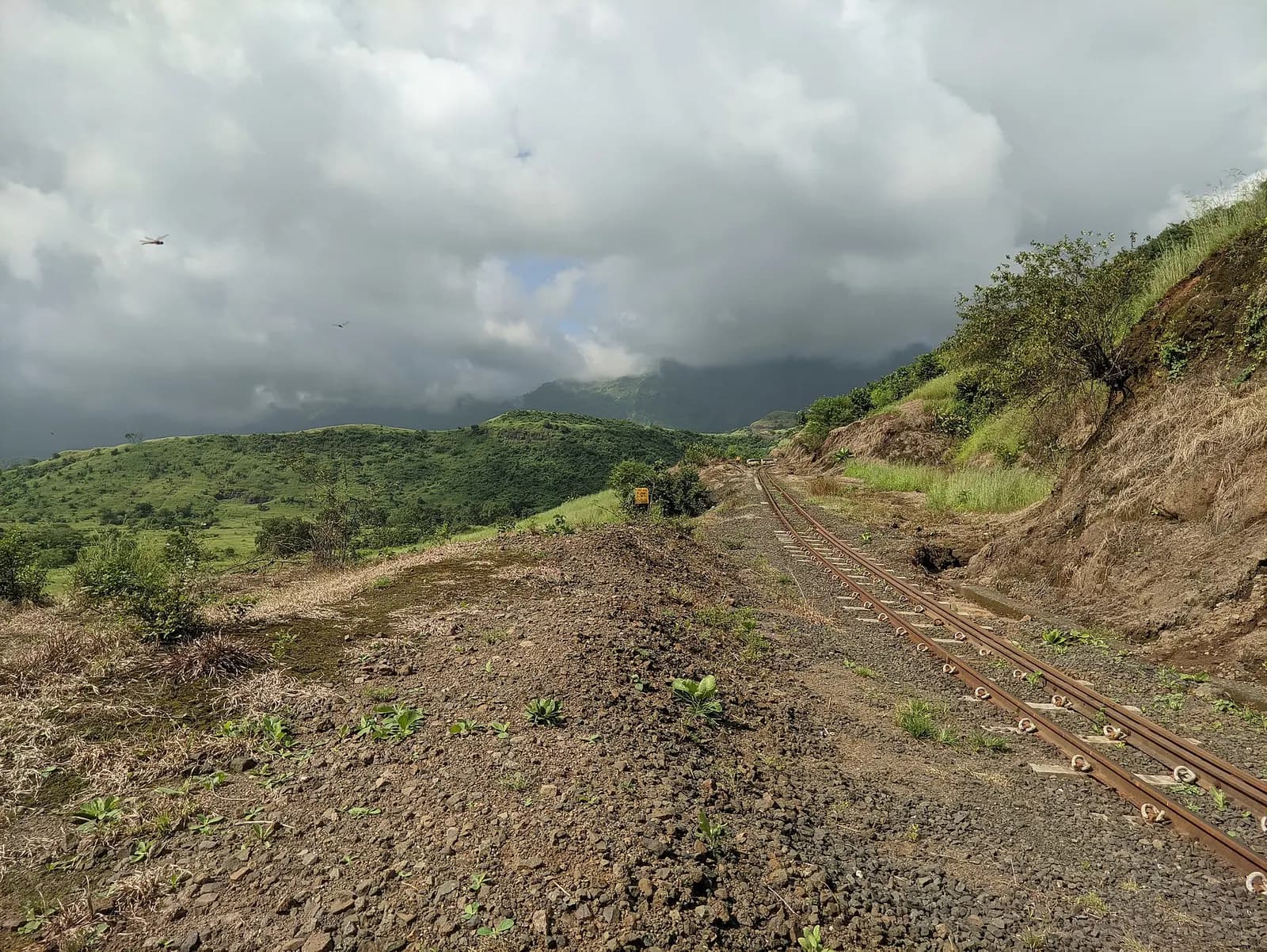
A red laterite forest path and viewpoint on the plateau edge at MatheranHill station
Themes:NatureFamilyRomanceOffbeat

Maharashtra

Matheran

Asia's only car-free hill station, reached by toy train

Ideal stay
2 days
Best time
October to May
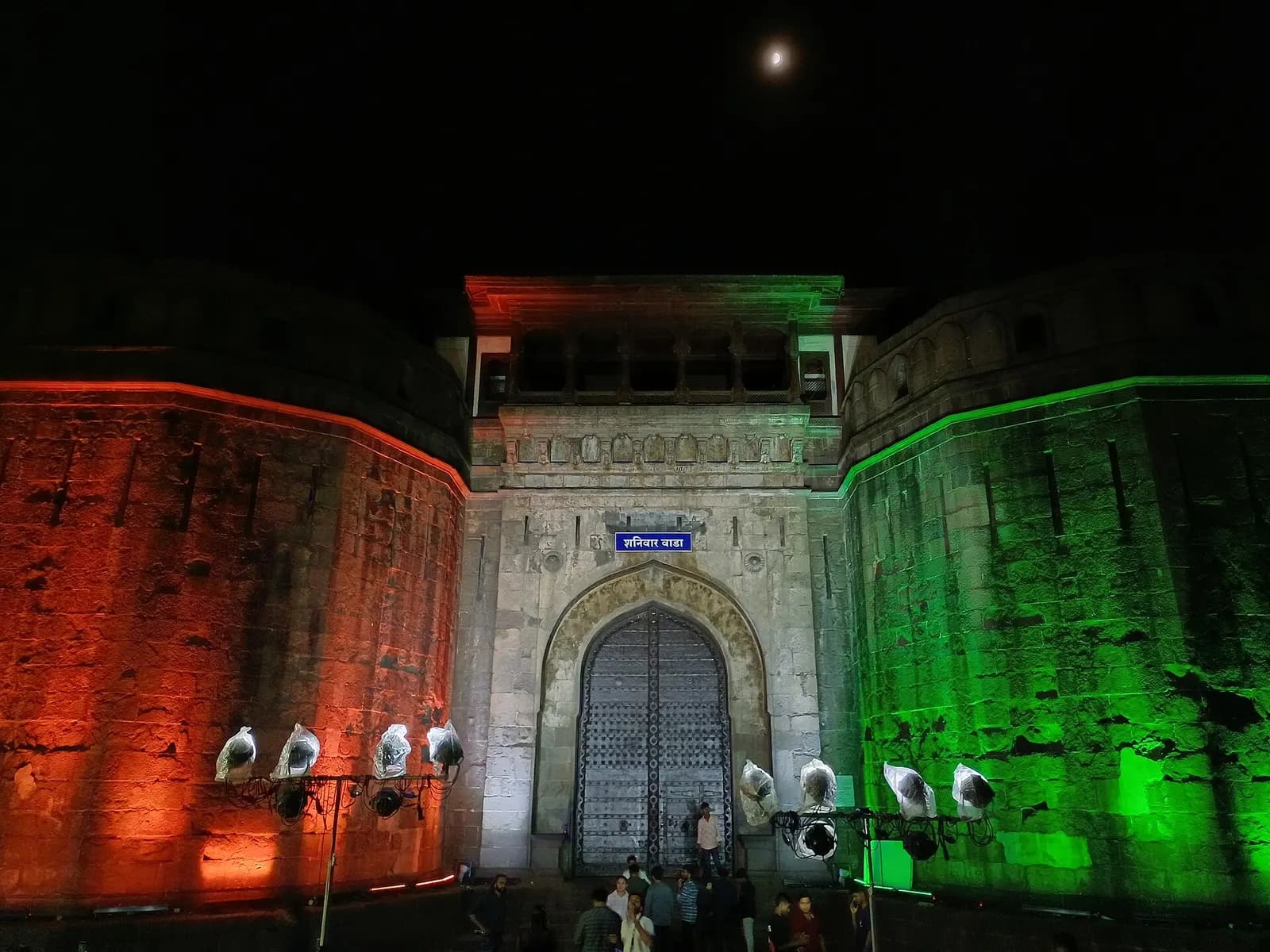
The spiked Delhi Darwaza gateway of Shaniwar Wada fortress in PuneCity
Themes:CultureFoodHeritage

Maharashtra

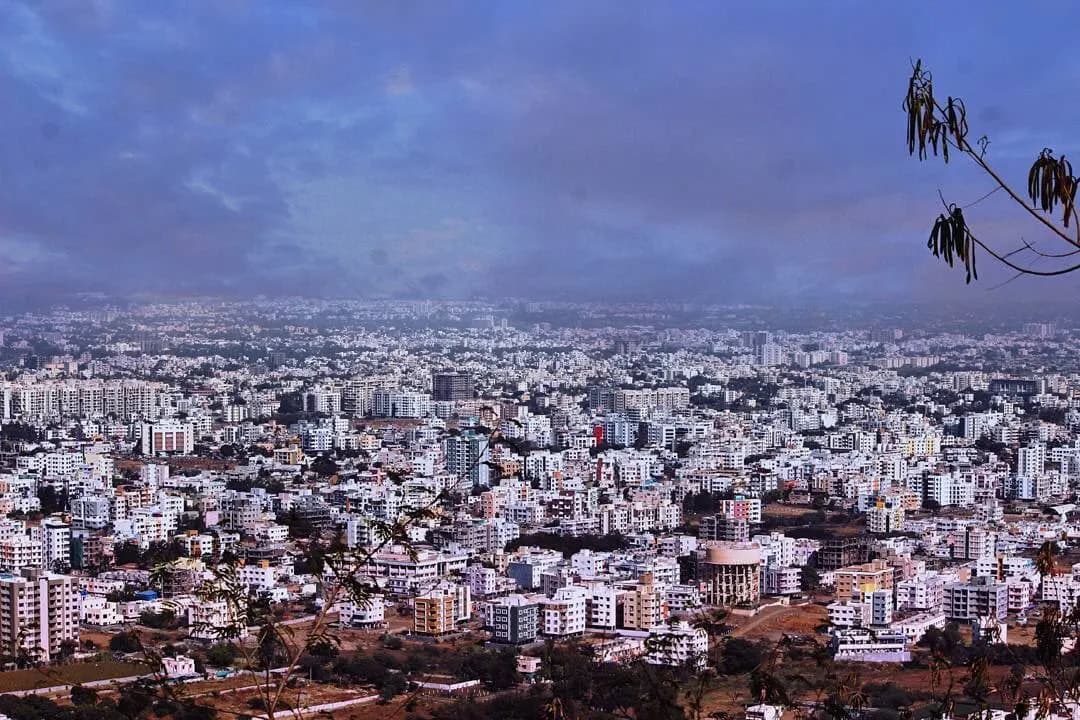
Pune

Peshwa forts, monsoon Ganpati and the country's best misal

Ideal stay
2 days
Best time
October to February; Ganeshotsav in August or September is the city at full volume
Pilgrims on the Godavari river ghats at Ramkund in Panchavati, NashikCity
Themes:SpiritualFoodHeritageCulture

Maharashtra

Nashik

Godavari ghats, Kumbh crowds and India's wine valley

Ideal stay
2 days
Best time
October to February; January to March is grape harvest season in the vineyards
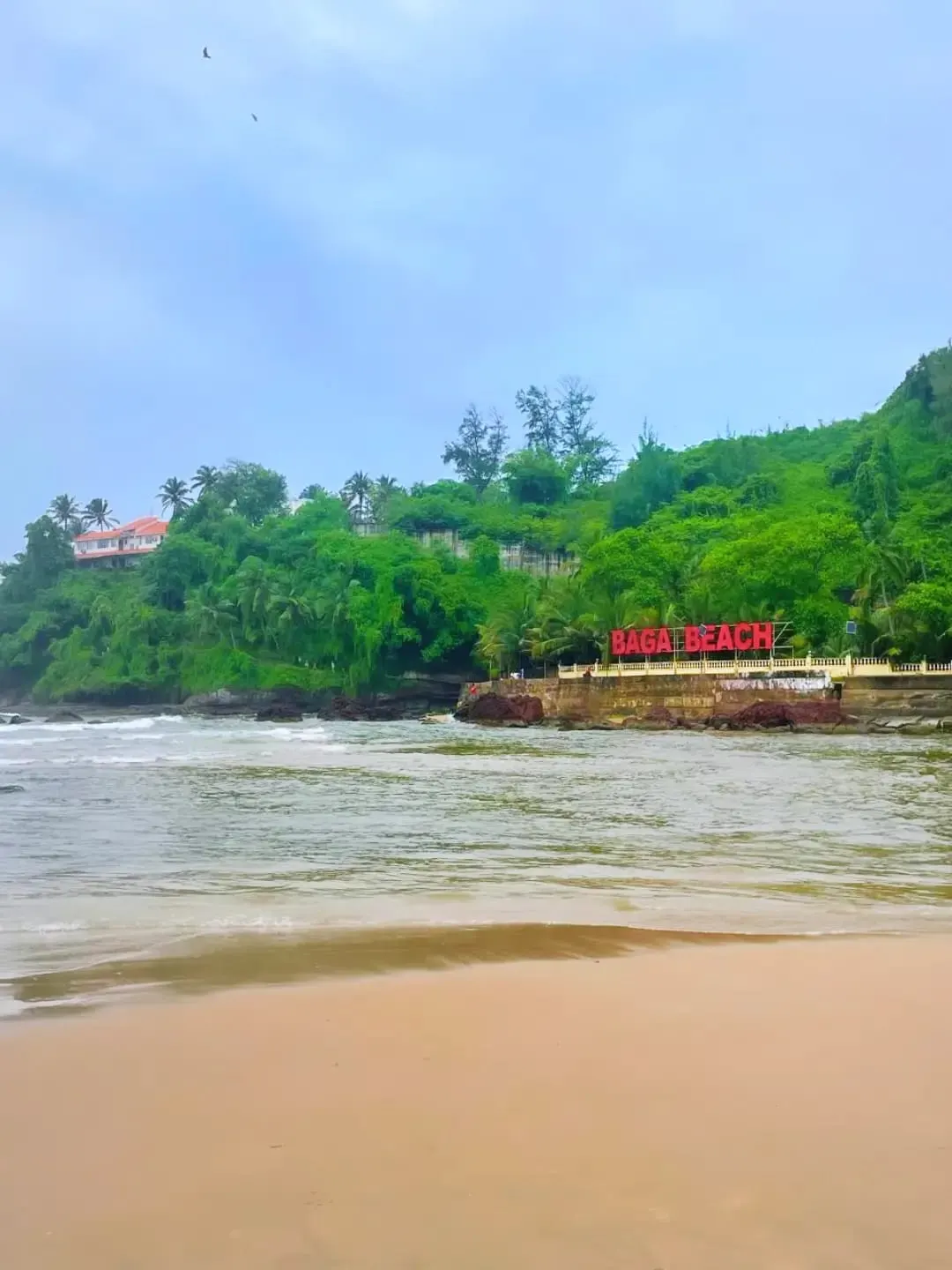
Beach shacks and palm trees along the sand at Baga in North GoaBeach
Themes:NatureFoodAdventureCulture

Goa

North Goa

Beach shacks, flea markets and Indo-Portuguese village lanes

Ideal stay
4 days
Best time
November to February; December is peak and the monsoon closes most shacks

2 journeys

Tours that visit Mumbai

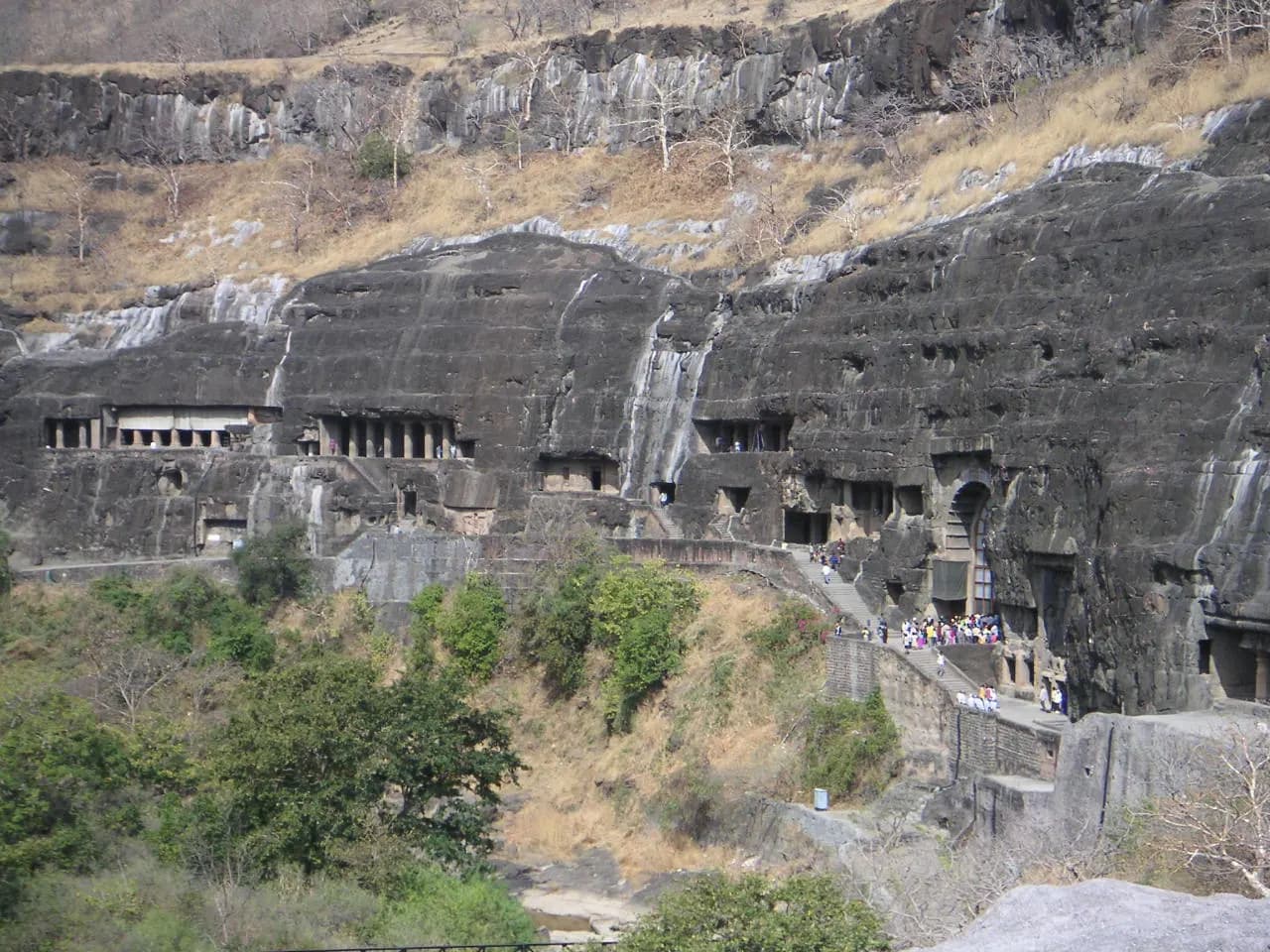
The horseshoe cliff of the Ajanta Caves above the Waghora river7 days · 6 nights
Themes:HeritageCultureFood

Easy · Best Oct–Feb

Maharashtra Caves and Coast

Seven days from Mumbai's waterfront to Ajanta's brushwork and the Konkan

Route: Mumbai → Ajanta & Ellora Caves → Nashik → Lonavala & Khandala +1 more

Group
2–12 (private)
From
₹66,000 pp
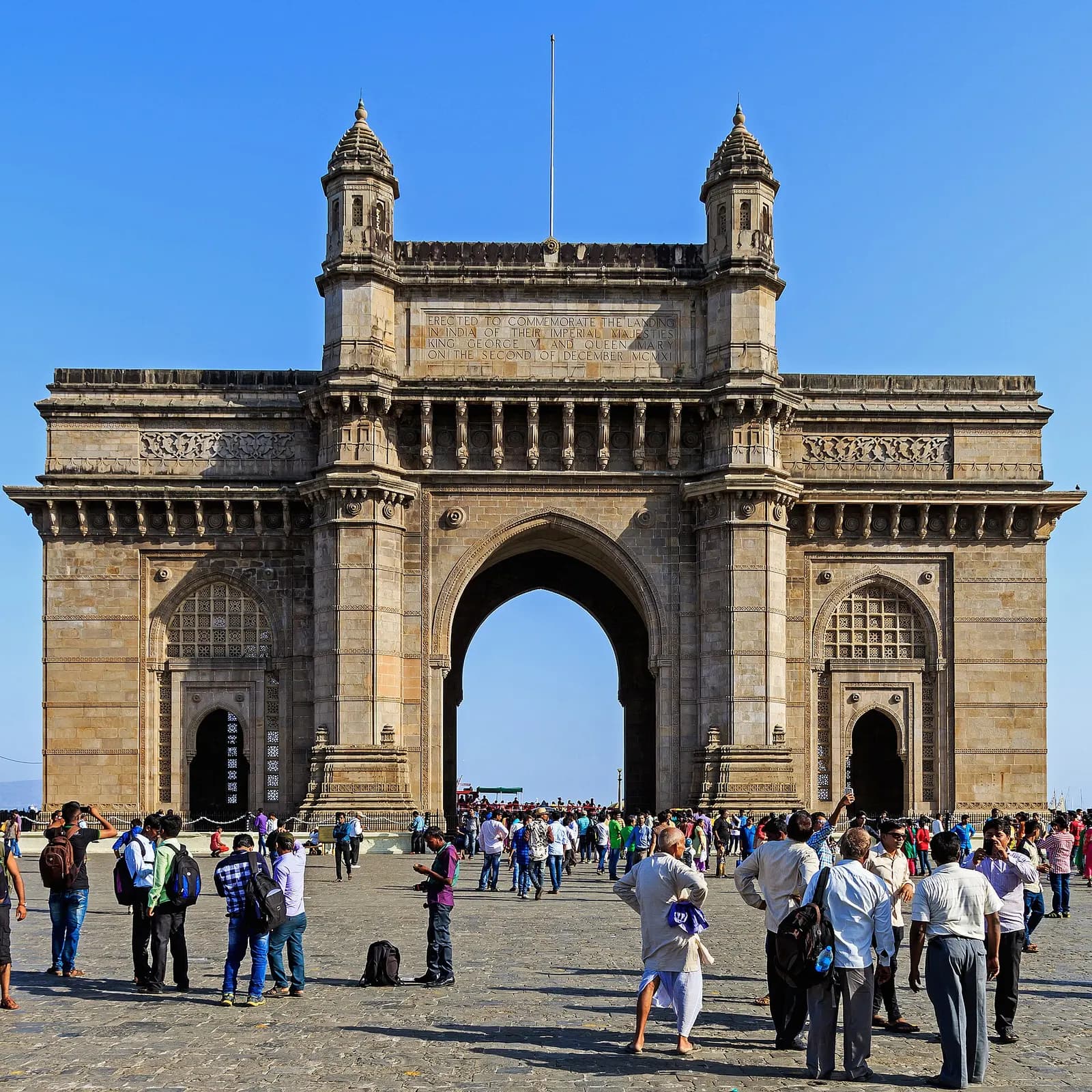
The Gateway of India on the Mumbai waterfront, roughly the midpoint of a journey down the length of the country21 days · 20 nights
Themes:HeritageCultureFood

Moderate · Best Nov–Feb

Grand India Odyssey: Delhi to the Coromandel Coast

Three weeks down the whole length of India, Delhi to Chennai

Route: Delhi → Agra → Jaipur → Udaipur +6 more

Group
2–8 (private)
From
₹2,45,000 pp

From the journal

Reading on Mumbai

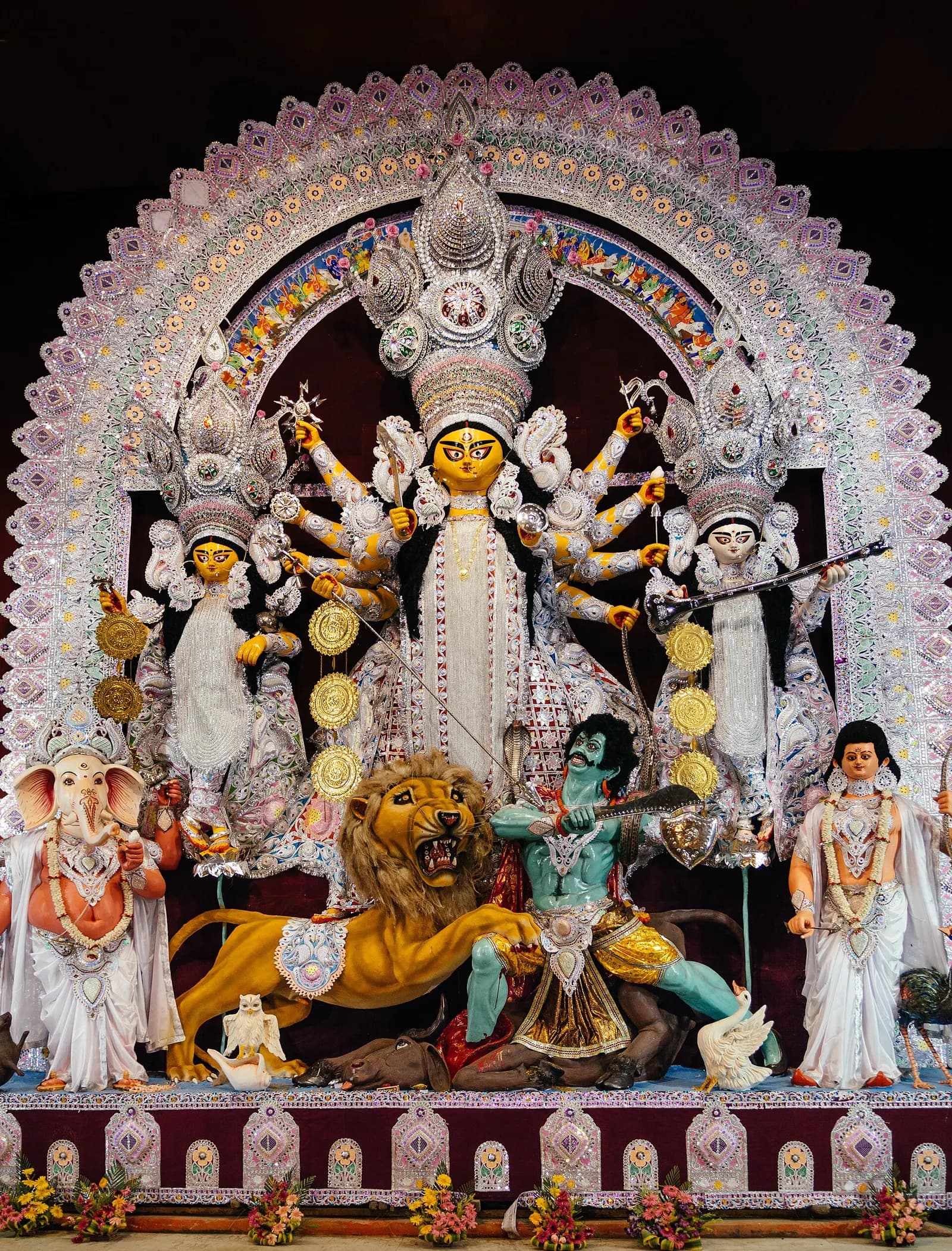
A decorated Durga idol lit inside a community pandal during Durga Puja in Kolkata

· Culture · 5 min

Festivals of India: A Month-by-Month Travel Calendar

A year of Indian festivals arranged by month, with where each one is at its most vivid, how far ahead to book, and what actually happens on the ground, from Thrissur Pooram's elephants to Hornbill in Nagaland and Dev Deepawali on the Ganga.

A street food vendor assembling plates of Indian chaat at a busy roadside stall

· Food · 6 min

India Street Food Trail: 10 Cities and What to Eat First

A working eater's route through ten Indian cities, from Chandni Chowk at dawn to Indore's Sarafa Bazaar at midnight. One anchor dish per city, the lanes and stalls that make it, what it costs, and how to eat street food without losing a day.

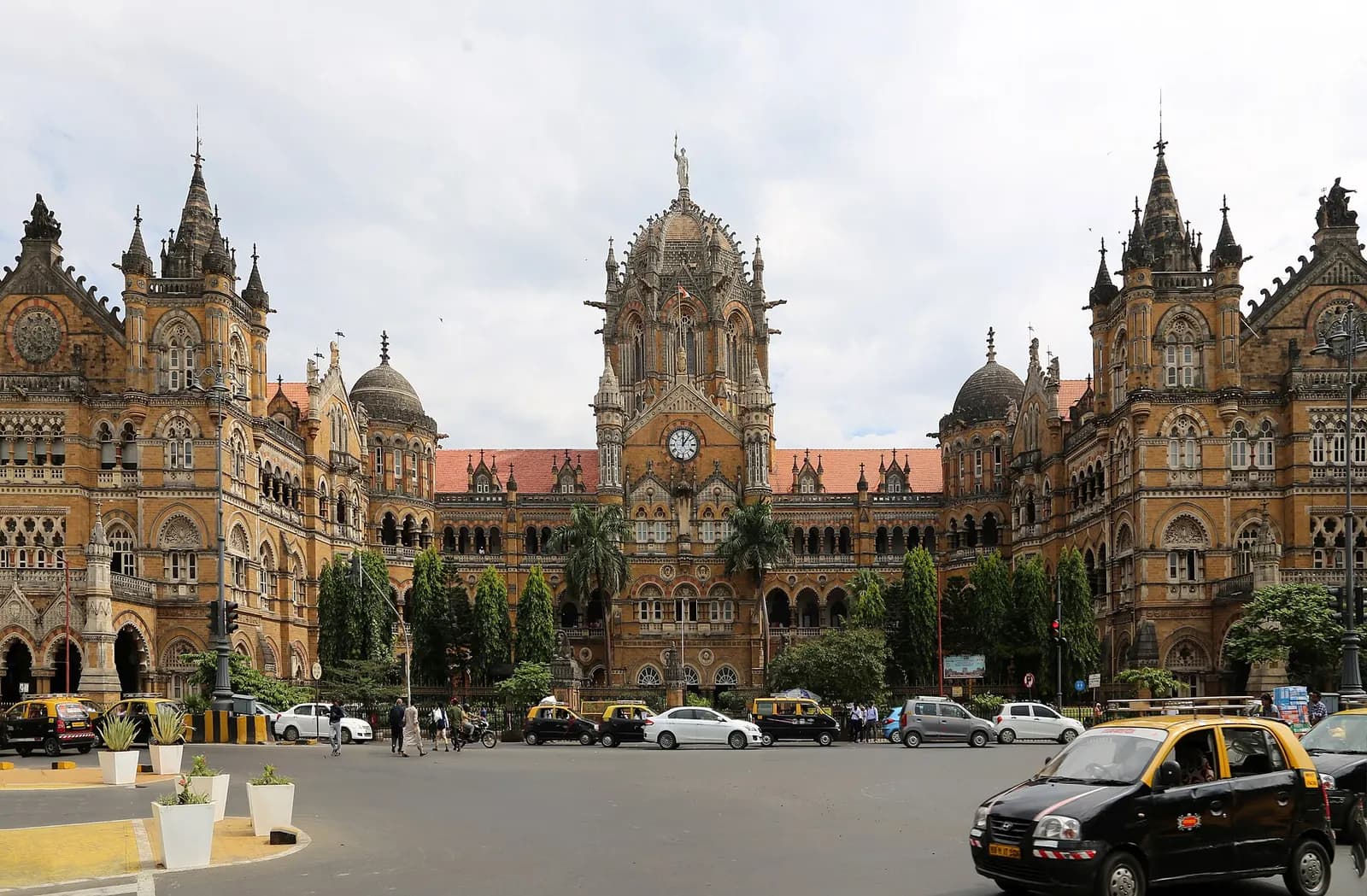
The Victorian Gothic facade of Chhatrapati Shivaji Terminus railway station in Mumbai

· Tips · 6 min

First Time in India: Practical Travel Tips That Work

Everything we tell first-time travellers before they land: how many places to attempt, what a SIM card and a day of cash actually cost, how to eat street food safely, what to wear into a temple, and the four scams worth recognising.

Before you ask

Questions we are asked about Mumbai

When is the best time to visit Mumbai?
November to February; the monsoon from June to September is dramatic but floods the streets. On the calendar that is Nov–Feb. We build Mumbai into a journey inside that window wherever we can; when your dates are fixed outside it, we re-plan the hours of the day around the weather rather than talk you out of the trip.
How many days do you need in Mumbai?
We plan 3 days in Mumbai. That is enough for Chhatrapati Shivaji Maharaj Terminus and the Victorian Gothic ensemble, Elephanta Caves and the sixth-century Trimurti and Marine Drive Art Deco at dusk, at a pace that still leaves room for a long lunch. Add a day if you are continuing to Lonavala & Khandala and Matheran.
How do you reach Mumbai?
Chhatrapati Shivaji Maharaj International Airport is 25 km from Colaba; CSMT, Mumbai Central and Lokmanya Tilak serve long-distance trains; Pune is 150 km on the expressway. We arrange the transfer and the driver as part of the journey, so you are met on arrival instead of negotiating a taxi at the gate, and the timings are set around when Mumbai is at its best rather than around the clock.
What is Mumbai famous for?
Mumbai is a city in Maharashtra, West India, best known for Chhatrapati Shivaji Maharaj Terminus and the Victorian Gothic ensemble, Elephanta Caves and the sixth-century Trimurti and Marine Drive Art Deco at dusk. Travellers come for culture, food, heritage and photography, and most give it 3 days.
Is Mumbai good for families?
Mumbai is planned more often for culture, food, heritage and photography than as a family stop, but it works well at a slower pace. 3 days, an early start and one unhurried afternoon is the shape we would suggest, inside the Nov–Feb window. Tell us who is travelling and we will pace it around them.

Photograph of Mumbai: A.Savin · FAL

All destinations

Mumbai, planned by hand

Shall we begin?

चलिए, शुरू करते हैं

Tell us how many days you have. We will build Mumbai into a journey that suits them.