Jaipur was laid out in 1727 by Sawai Jai Singh II with his Bengali architect Vidyadhar Bhattacharya, a nine-square grid drawn from the Shilpa Shastras that still governs how the walled city breathes. The famous pink came later, in 1876, when the whole town was washed in terracotta for the visit of Prince Albert Edward, and the colour has been law ever since. Mornings begin at Amber Fort, eleven kilometres north, where the Sheesh Mahal's mirror mosaics catch the first sun and the Maota Lake below is still.
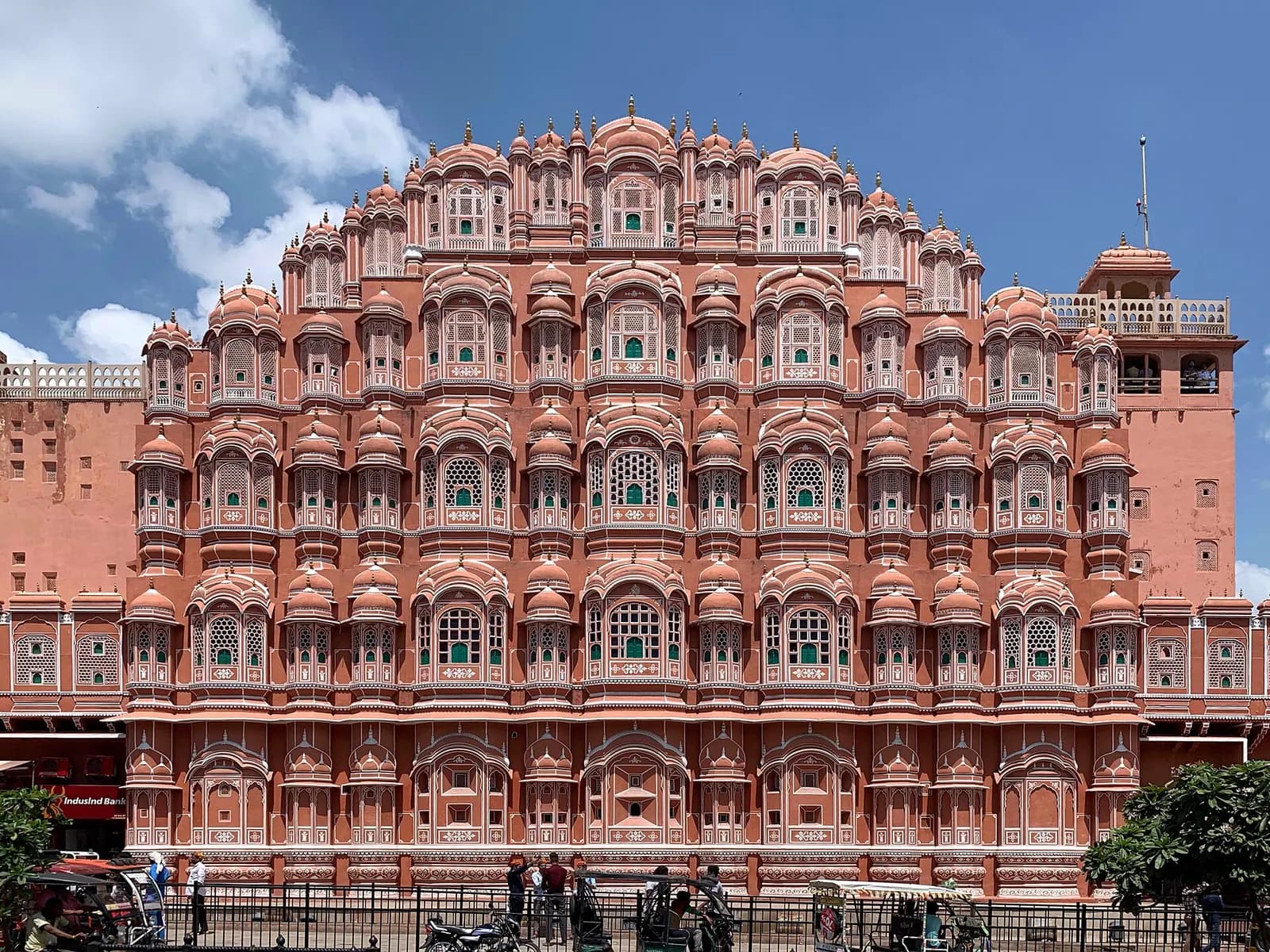
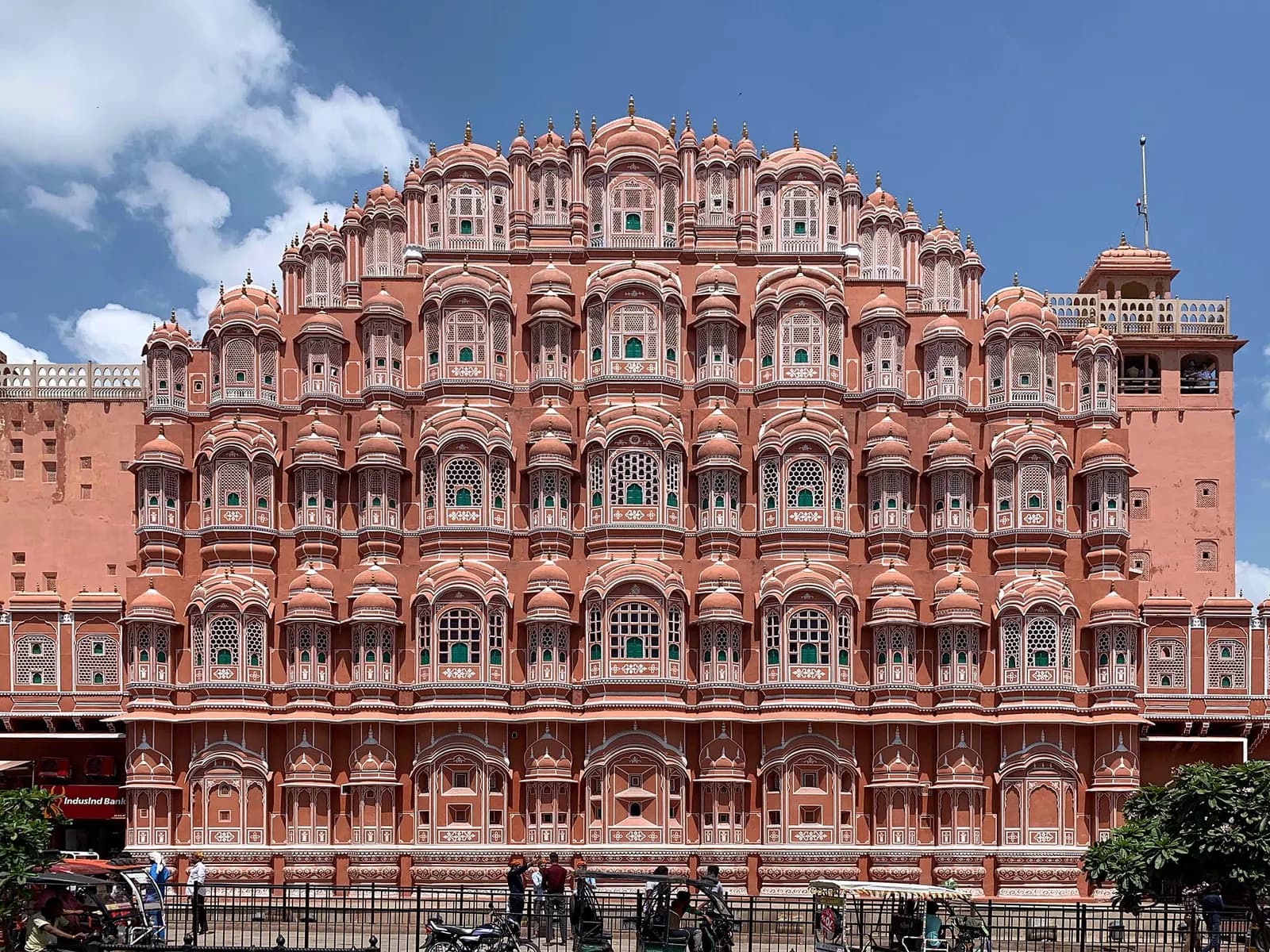
Back in town, Jantar Mantar's Samrat Yantra, a 27-metre sundial accurate to two seconds, sits beside the City Palace, whose Pritam Niwas Chowk has four gates painted for the four seasons. Hawa Mahal's 953 jharokhas were built in 1799 so that palace women could watch processions unseen; the best view is from the rooftop cafes across the street at sunrise. Afternoons belong to Johari Bazaar and Bapu Bazaar, for gemstones, block-printed cotton, lac bangles and jootis, and to a chilled lassi in a clay kulhad at Lassiwala on MI Road.
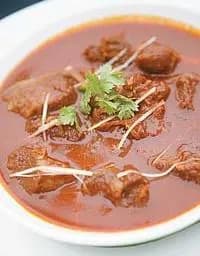
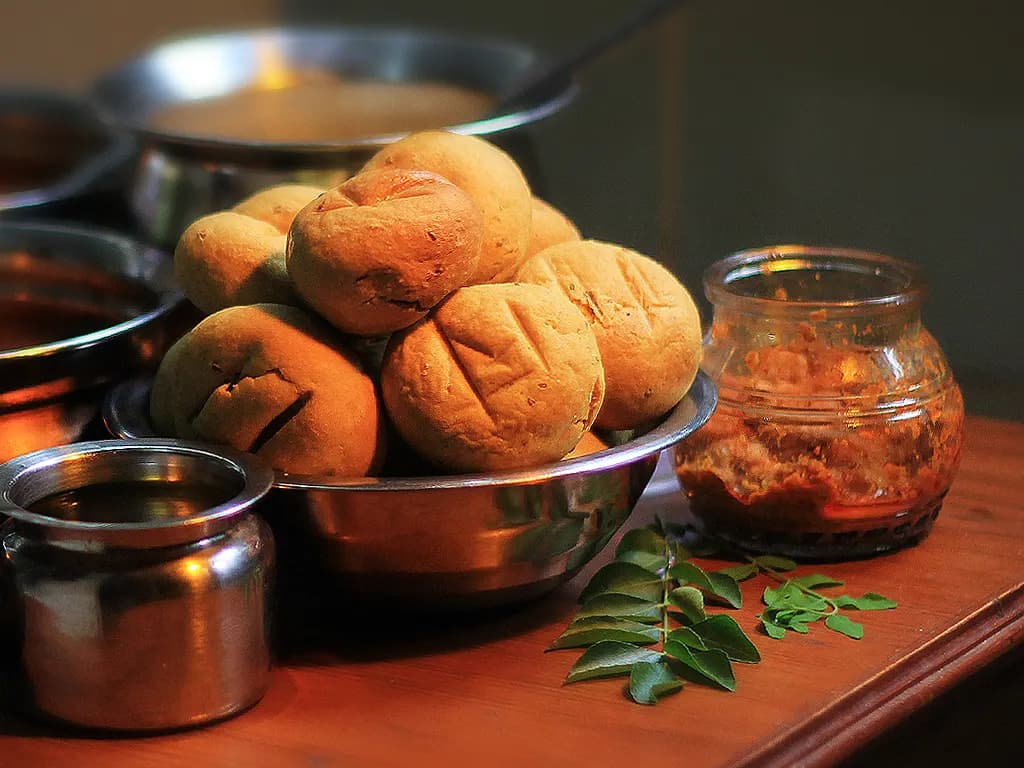
Climb to Nahargarh for sunset over the old city, then eat dal baati churma or laal maas in a haveli courtyard. UNESCO listed the walled city in 2019, and it is still where almost every Rajasthan journey starts.
 Vegetarian