India runs on at least four calendars at once, so almost every festival here moves against the Gregorian year. Holi lands somewhere in March, Diwali somewhere in late October or November, and Onam anywhere from late August to mid-September. What follows is a month-by-month map of where to be, written for travellers deciding when to come rather than for a ritual manual. Confirm exact dates before booking; a shift of ten days is normal.
January and February: kites, cattle and long nights of music
Makar Sankranti on 14 or 15 January is one of the few fixed-date festivals, because it follows the sun rather than the moon. In Ahmedabad it becomes Uttarayan and the entire city climbs onto its roofs for two days of kite fighting, with the sky over the old town solid with paper. In Tamil Nadu the same week is Pongal, four days of harvest thanksgiving, boiled rice overflowing the pot, and jallikattu bull-taming near Madurai.
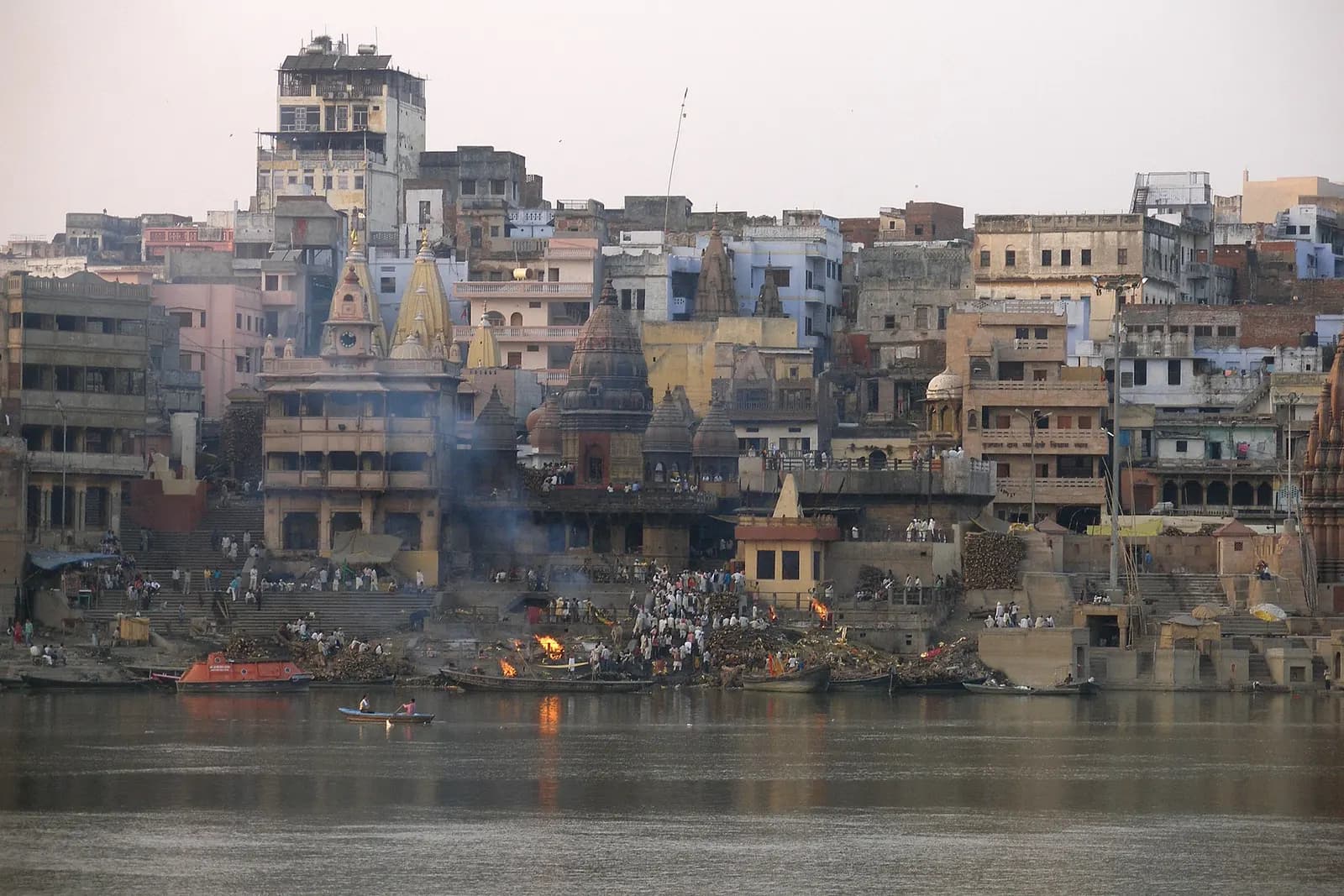
February brings the Jaisalmer Desert Festival on the Sam dunes, the enormous Nagaur cattle fair, and Losar, the Tibetan and Ladakhi new year, in Leh, Spiti and Tawang. Maha Shivaratri falls in February or March and is best at Varanasi and Ujjain, where the queues outside Mahakaleshwar begin the previous evening.
March: Holi, and where to actually see it
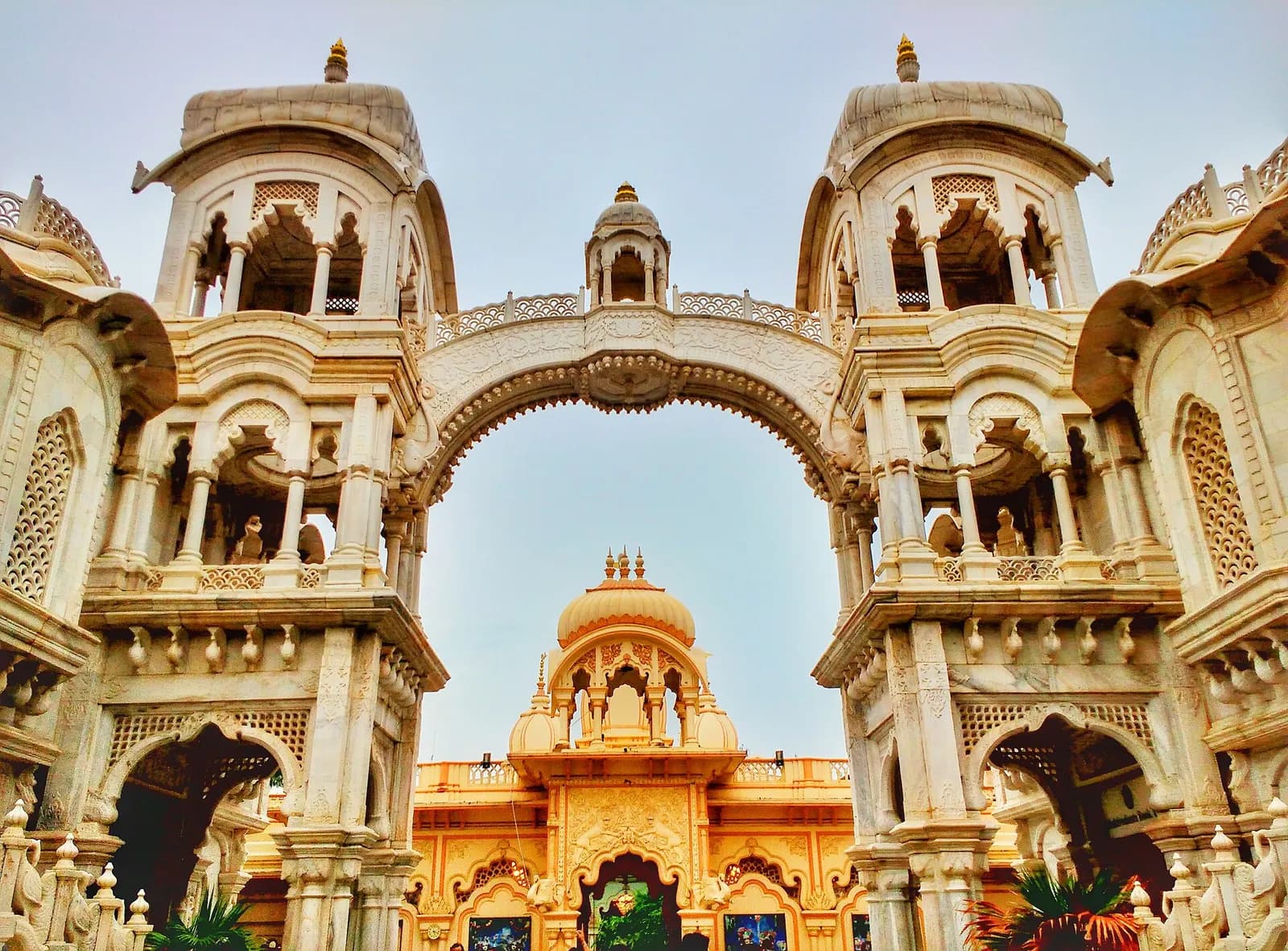
Holi is the full-moon night of Phalguna. The Braj country around Mathura and Vrindavan starts a full week early, and this is where the festival is most extraordinary: the Lathmar Holi at Barsana and Nandgaon, where women drive men off with staves; the flower Holi inside the Banke Bihari temple; widows throwing colour at Vrindavan's Gopinath ashram. The day after Holi, Hola Mohalla at Anandpur Sahib in Punjab fills with Nihang Sikhs on horseback doing gatka and tent pegging.
Book Braj accommodation three months out. Wear clothes you will throw away, use oil on your skin and hair, and keep cameras in a bag.
April and May: new years, and the elephants of Thrissur
Mid-April carries a cluster of regional new years within two days of each other: Baisakhi in Punjab, Rongali Bihu in Assam with its bamboo-flute dancing, Vishu in Kerala with the mirror-and-gold kani arrangement, Puthandu in Tamil Nadu and Pohela Boishakh in Bengal.
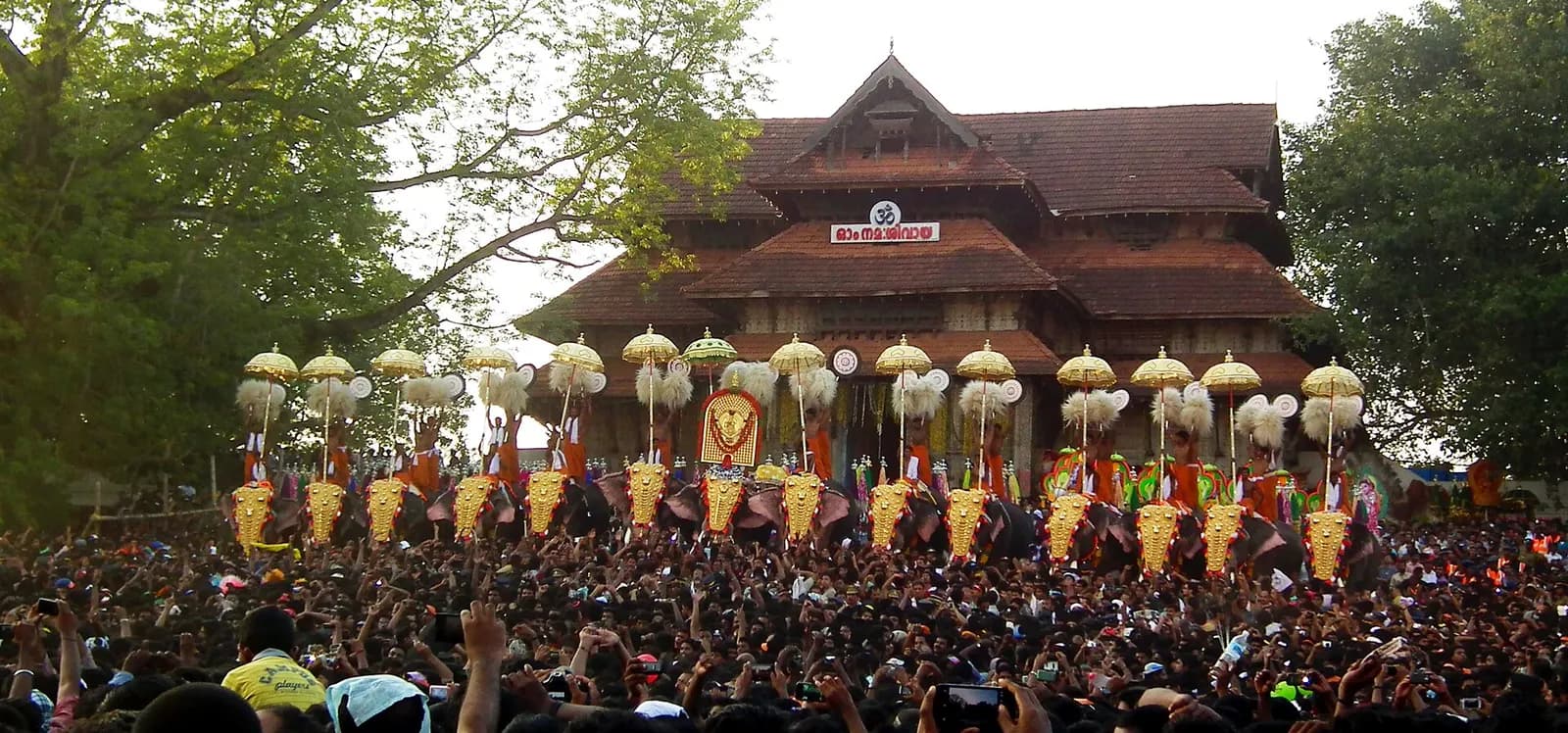
Thrissur Pooram, in the Malayalam month of Medam, is the loudest and most disciplined spectacle in India: two temple factions face each other across the Vadakkunnathan grounds with thirty caparisoned elephants, a hundred-odd drummers playing panchavadyam, the kudamattam parasol exchange in the afternoon and competitive fireworks at four in the morning. Buddha Purnima in May draws Bodh Gaya and Sarnath into quiet, candlelit focus.
June to September: chariots, boats and clay elephants
Rath Yatra, Hemis and Ambubachi
Rath Yatra at Puri, in June or July, pulls three towering chariots for Jagannath, Balabhadra and Subhadra along the Grand Road with lakhs of hands on the ropes. Rooms on the route are booked a year ahead; a balcony is worth what it costs.
In Ladakh, Hemis Tsechu honours Padmasambhava with masked cham dancing in the monastery courtyard, and at Kamakhya in Guwahati the Ambubachi Mela marks the goddess's annual menstruation, with the temple closed for three days and reopened to enormous crowds.
Onam and Ganesh Chaturthi
Onam runs ten days in the Malayalam month of Chingam, and Kerala fills with flower carpets, sadya banquets on banana leaves and the vallam kali snake-boat races, of which the Nehru Trophy on Punnamada Lake near Alappuzha is the most famous.
Ganesh Chaturthi is Mumbai and Pune at their most emotional: ten days of household and pandal idols, the Lalbaugcha Raja queue running to more than a day, and a final immersion procession at Girgaum Chowpatty that goes through the night.
October: the great fortnight
This is the busiest and best month to be in India.
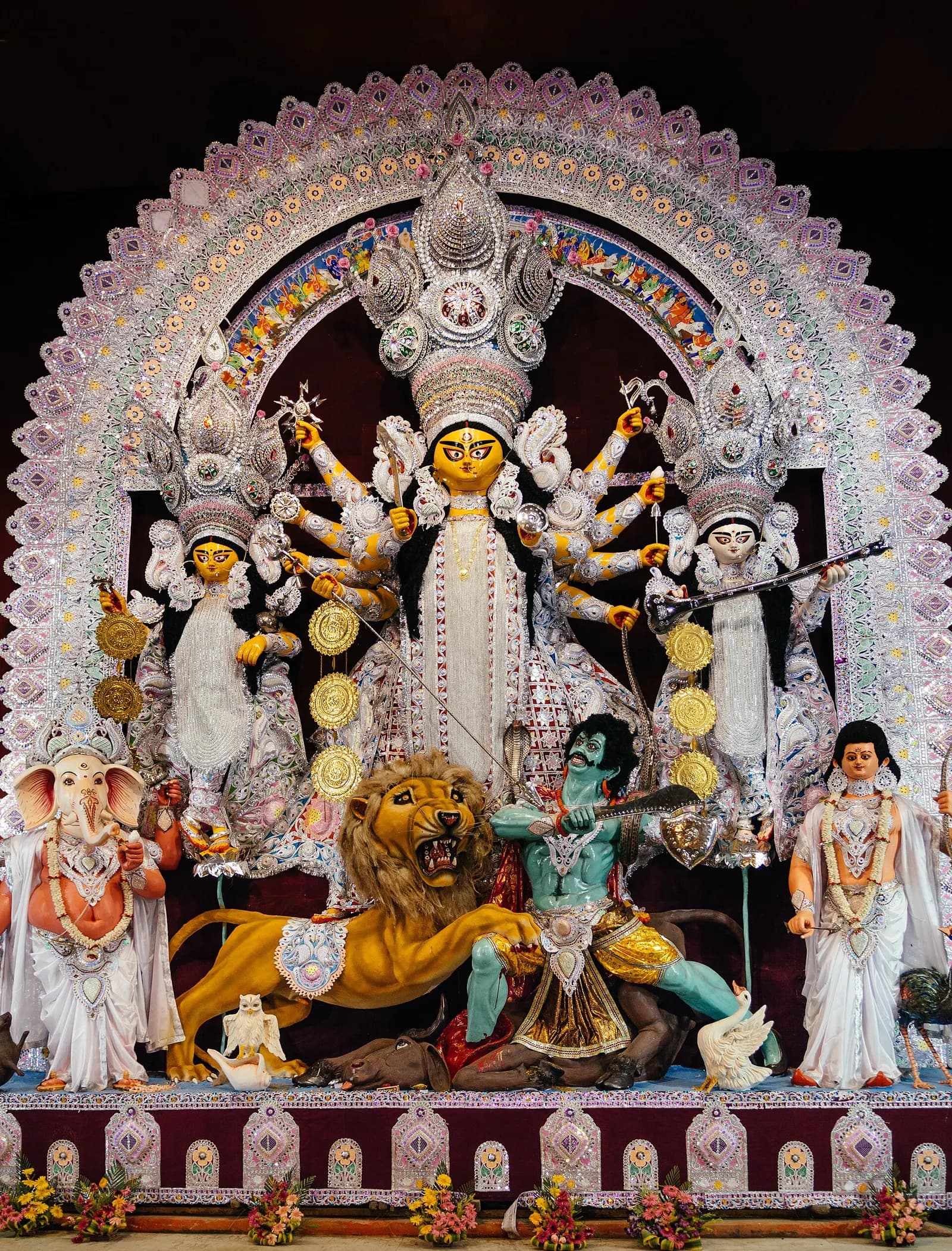
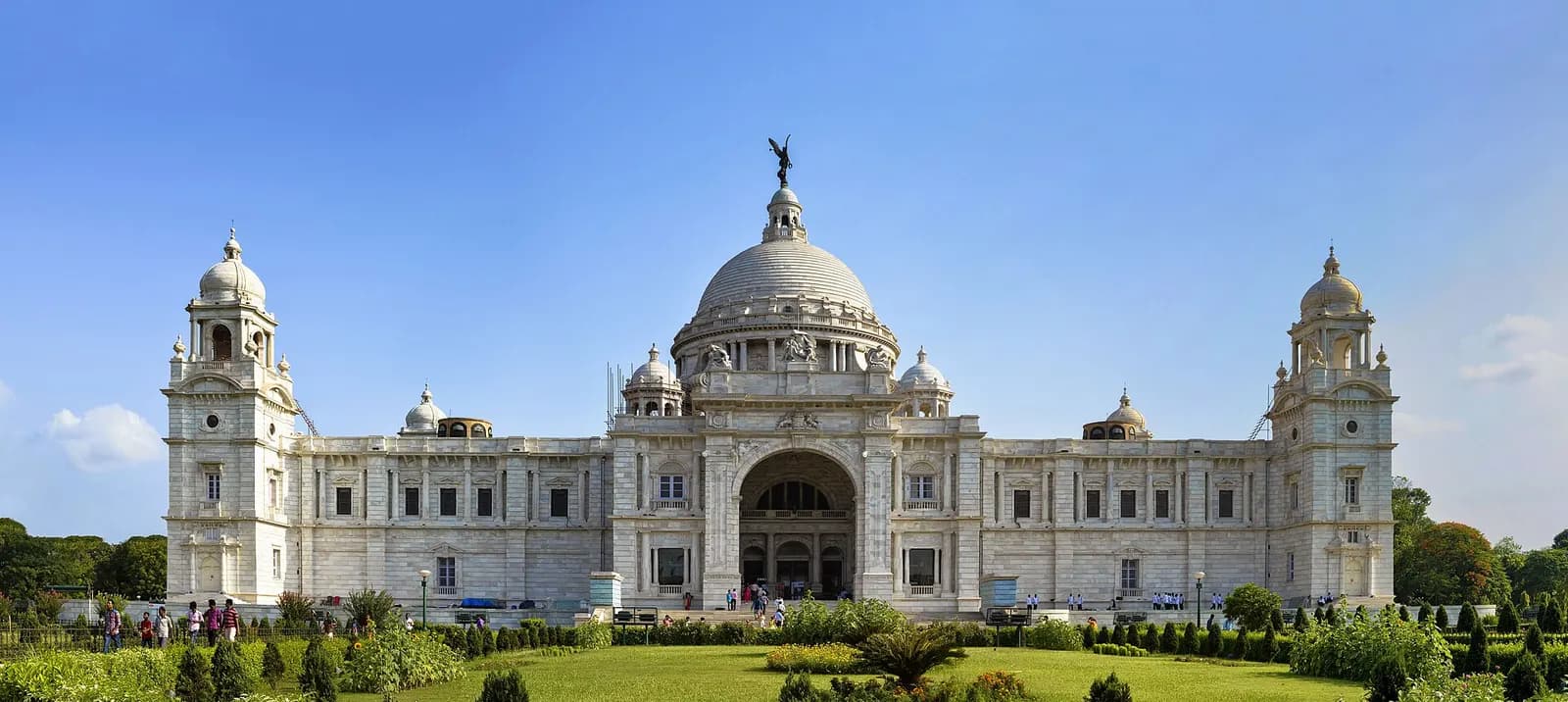
- Durga Puja in Kolkata, from Shashthi to Dashami, inscribed by UNESCO on its intangible heritage list. Walk Kumartuli in the weeks before to watch the clay idols being built, then pandal-hop North Kolkata after midnight when the crowds thin.
- Navratri in Gujarat, nine nights of garba danced in concentric circles until two in the morning, at its best in Vadodara and Ahmedabad.
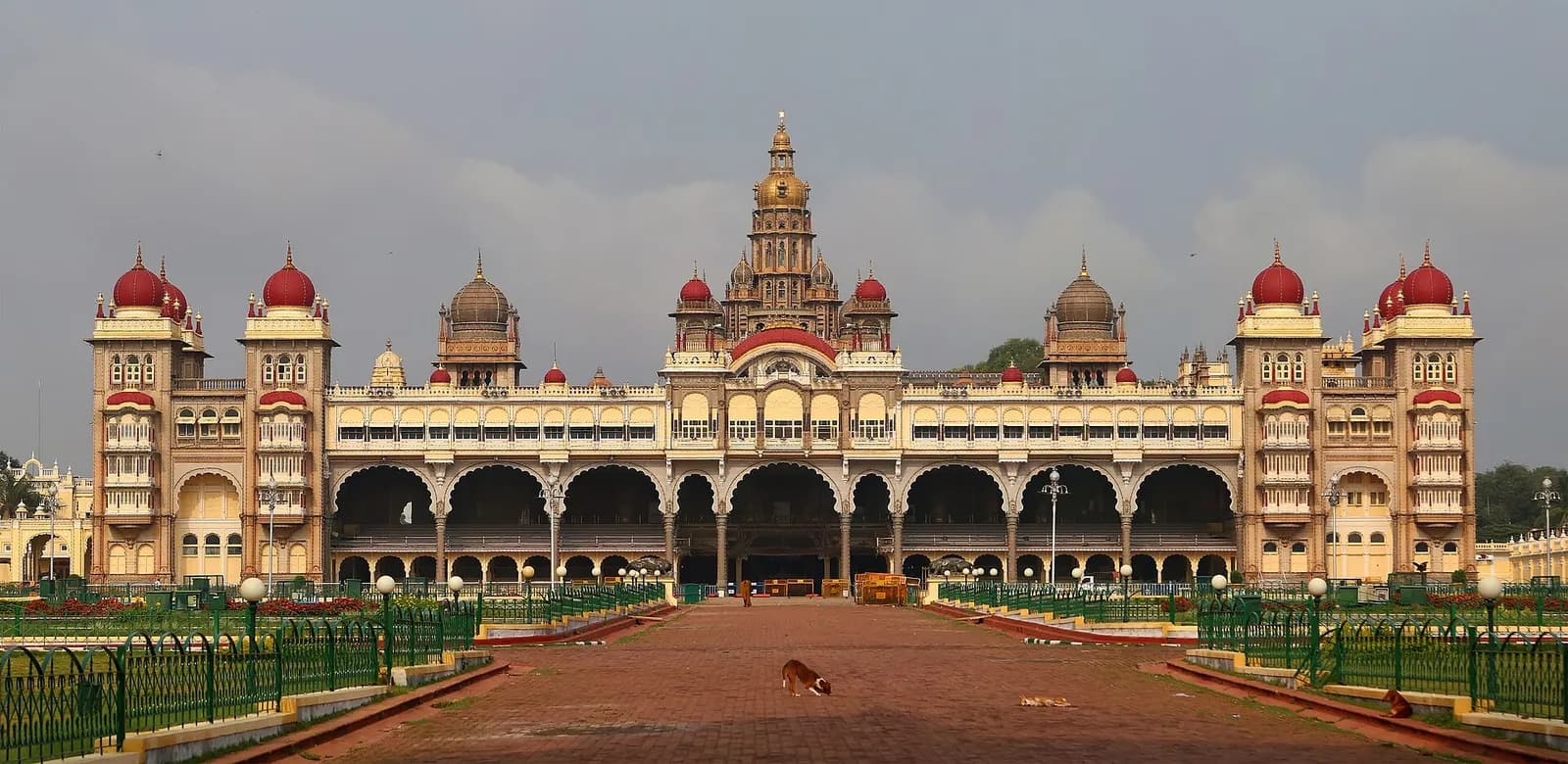
- Mysuru Dasara, ten days ending with the Jamboo Savari, when a decorated elephant carries the golden howdah through the city and the palace is lit with close to a hundred thousand bulbs every evening.
- Kullu Dussehra, which begins on the day the rest of India finishes, as village deities are carried down to Dhalpur maidan.
- Ramnagar Ramlila at Varanasi, a thirty-one-night open-air enactment staged across an entire town since the 1830s.
November and December: lamps, camels and hornbills
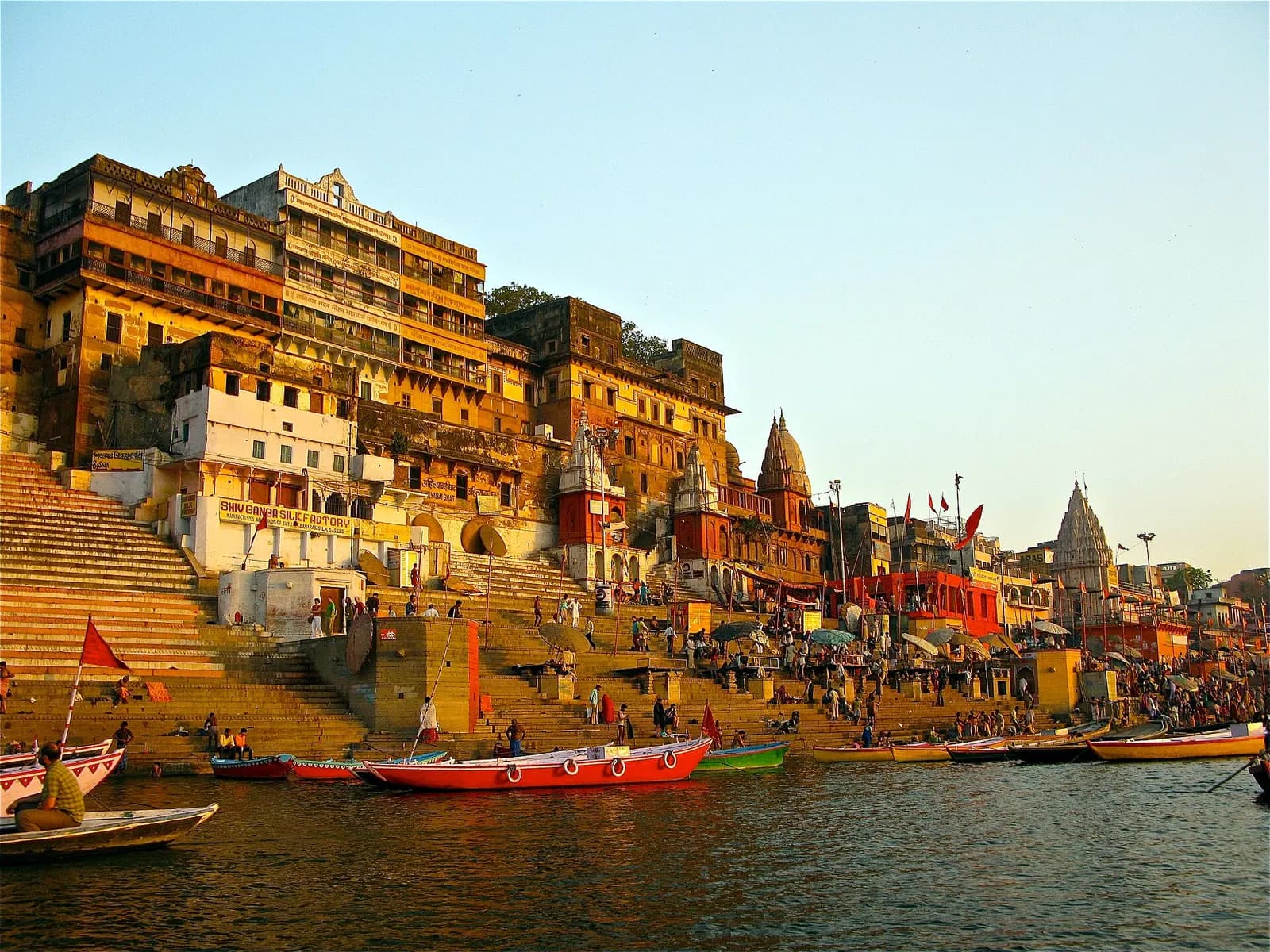
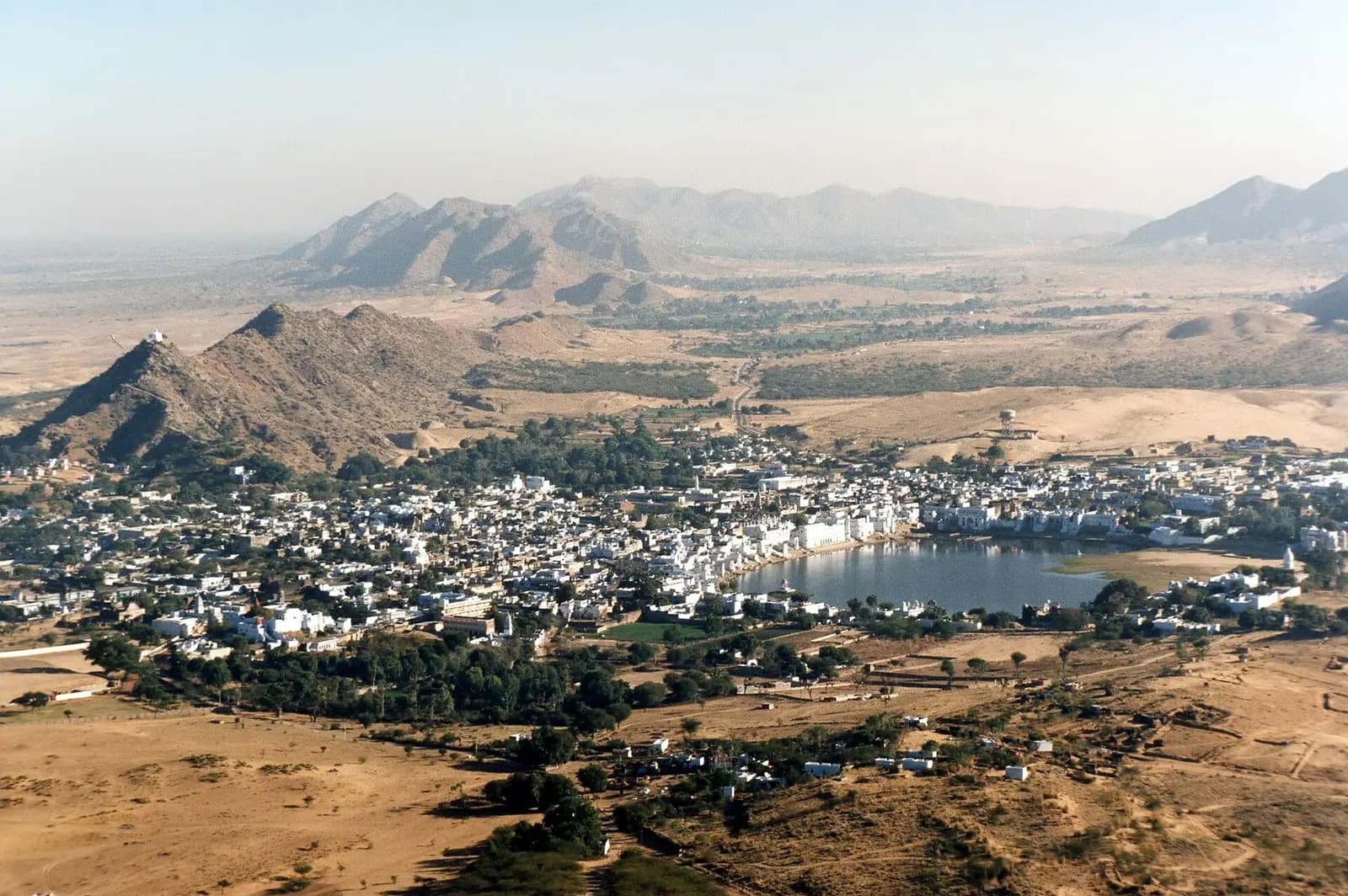
Diwali is the new-moon night of Kartika. Jaipur lights its bazaars competitively, Varanasi answers a fortnight later with Dev Deepawali, when every step of every ghat carries an oil lamp on Kartik Purnima. That same full moon fills the Pushkar Camel Fair, which starts as a livestock market and ends as a mela of moustache contests and horse trading. Chhath Puja, six days after Diwali, sends Bihar and eastern Uttar Pradesh to the riverbanks at dawn and dusk.
From 1 to 10 December, the Hornbill Festival at Kisama near Kohima brings Nagaland's tribes together in their morungs for dance, log drums and rice beer. In Chennai, the Margazhi season runs from mid-December through January with hundreds of Carnatic concerts across the city's sabhas, most of them free or close to it.
How to plan around a festival
Book four to six months ahead for Pushkar, Durga Puja, Hornbill and Holi in Braj. Expect road closures and processions that run hours late; treat the schedule as a direction, not a timetable. Dress modestly at temple festivals, remove shoes where asked, and always ask before photographing a ritual or a face.
FAQs
Which single festival is worth building a trip around?
Durga Puja in Kolkata if you want art, craft and street life; Thrissur Pooram if you want spectacle; Hornbill if you want cultures you will not meet elsewhere in India.
Why do the dates change every year?
Most Hindu festivals follow lunisolar calendars, Islamic festivals follow a purely lunar one that shifts about eleven days earlier each year, and a few, like Makar Sankranti, follow the solar transit and stay fixed.
Is it more expensive to travel during festivals?
Yes. Hotel rates in festival towns commonly double or triple, and trains sell out weeks ahead. Book early and stay slightly outside the centre with a car for the evenings.
Can visitors take part, or only watch?
Take part, in most cases. Garba circles, langar kitchens, Holi in a neighbourhood lane and Onam sadya lunches are all open. Read the room, follow what locals do, and ask.
Tell DEVGAMAN which festival you want to see and we will build the trip backwards from it, with the right town, the right vantage point and the days on either side spent well. Message us on WhatsApp and we will start with dates.
Places in this story
Plan this trip
 6 days · 5 nights
Themes:SpiritualCultureHeritage
Easy · Best Oct–Mar
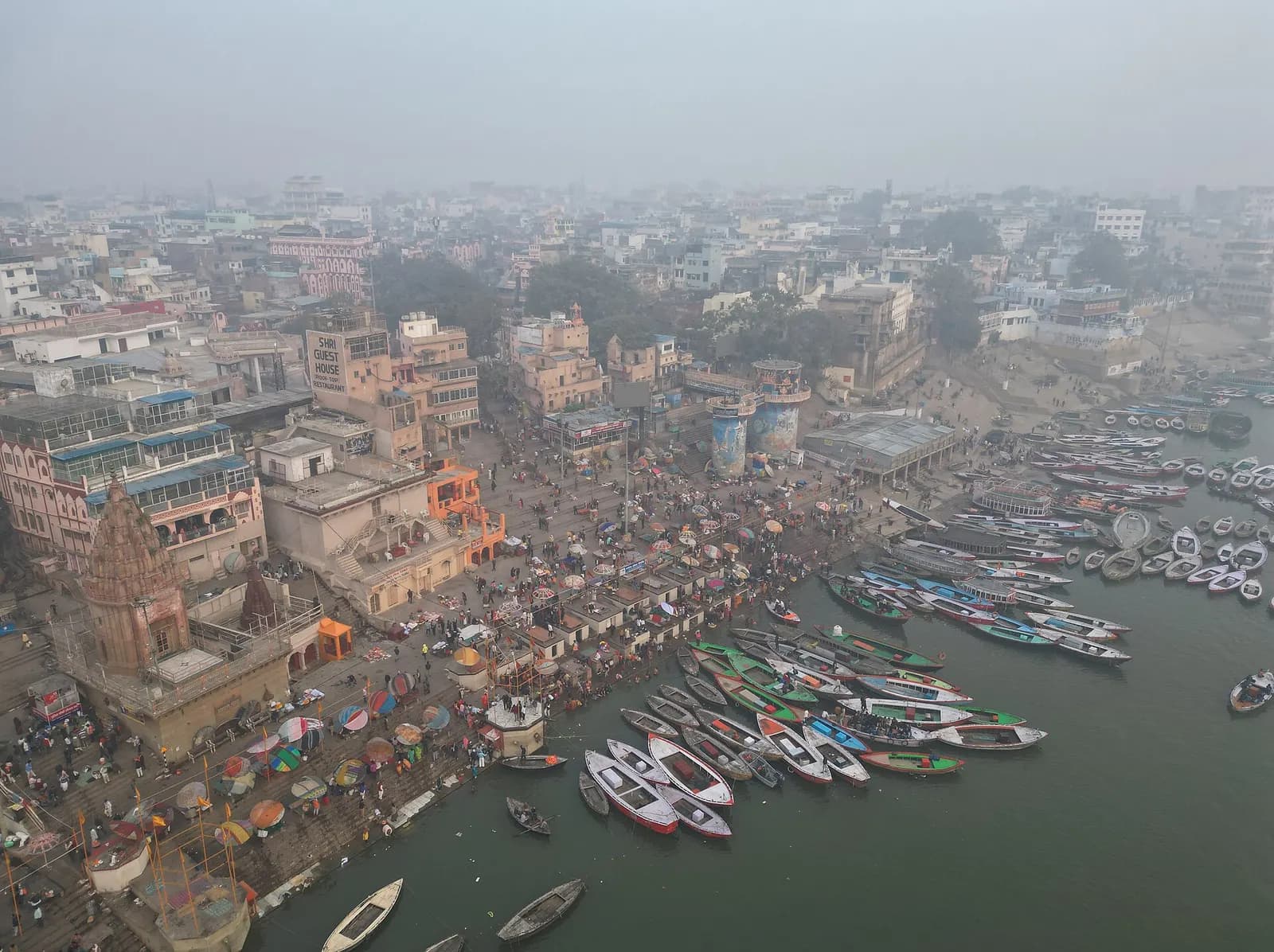
Varanasi and the Ganga Spiritual Trail
Six days from the ghats of Kashi to the Sangam and the Saryu
Route: Varanasi → Sarnath → Prayagraj → Ayodhya
- Group
- 2–12 (private)
- From
- ₹49,000 pp
Tagsfestivals · india calendar · culture · holi · durga puja · onam · hornbill