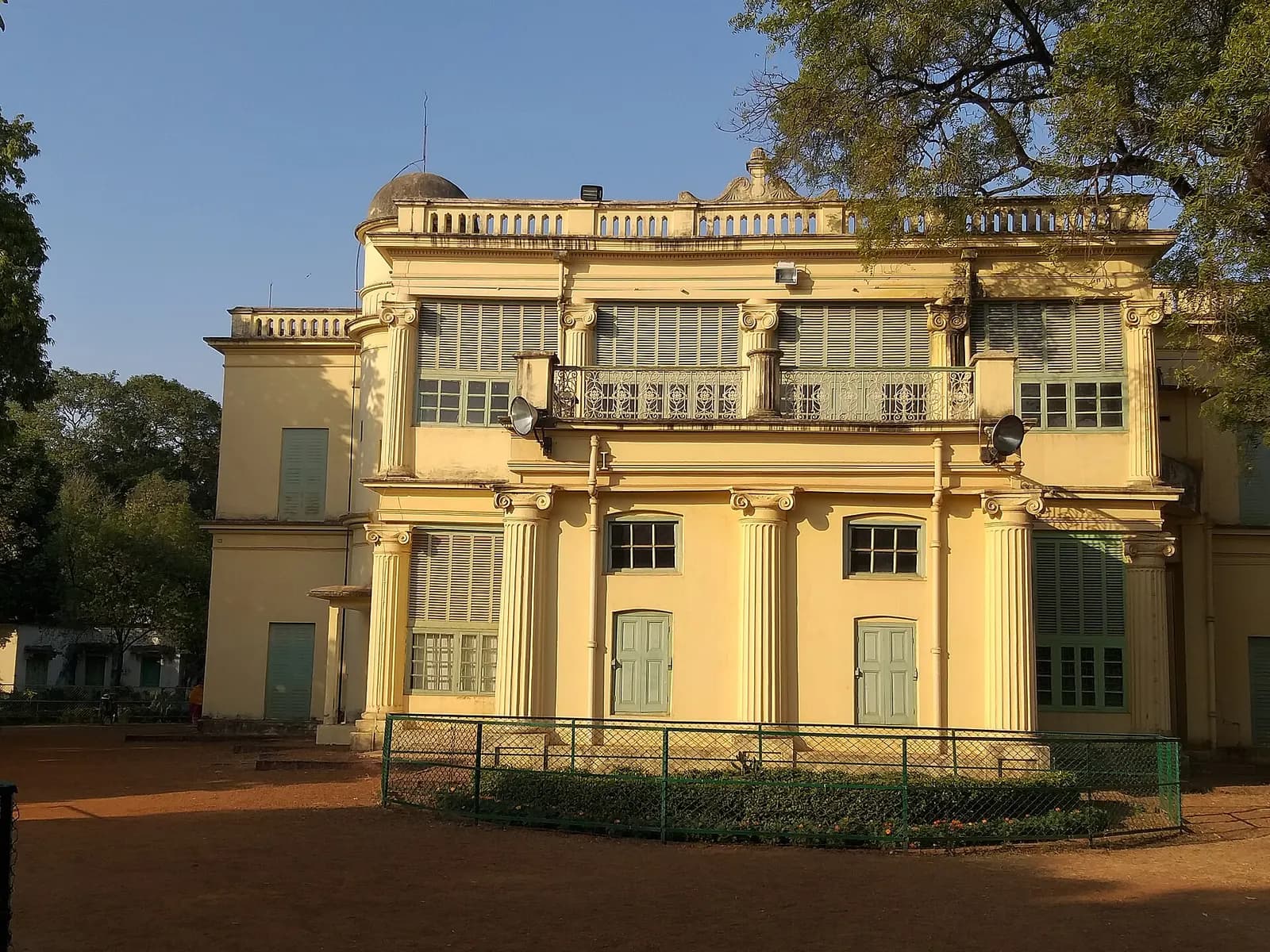
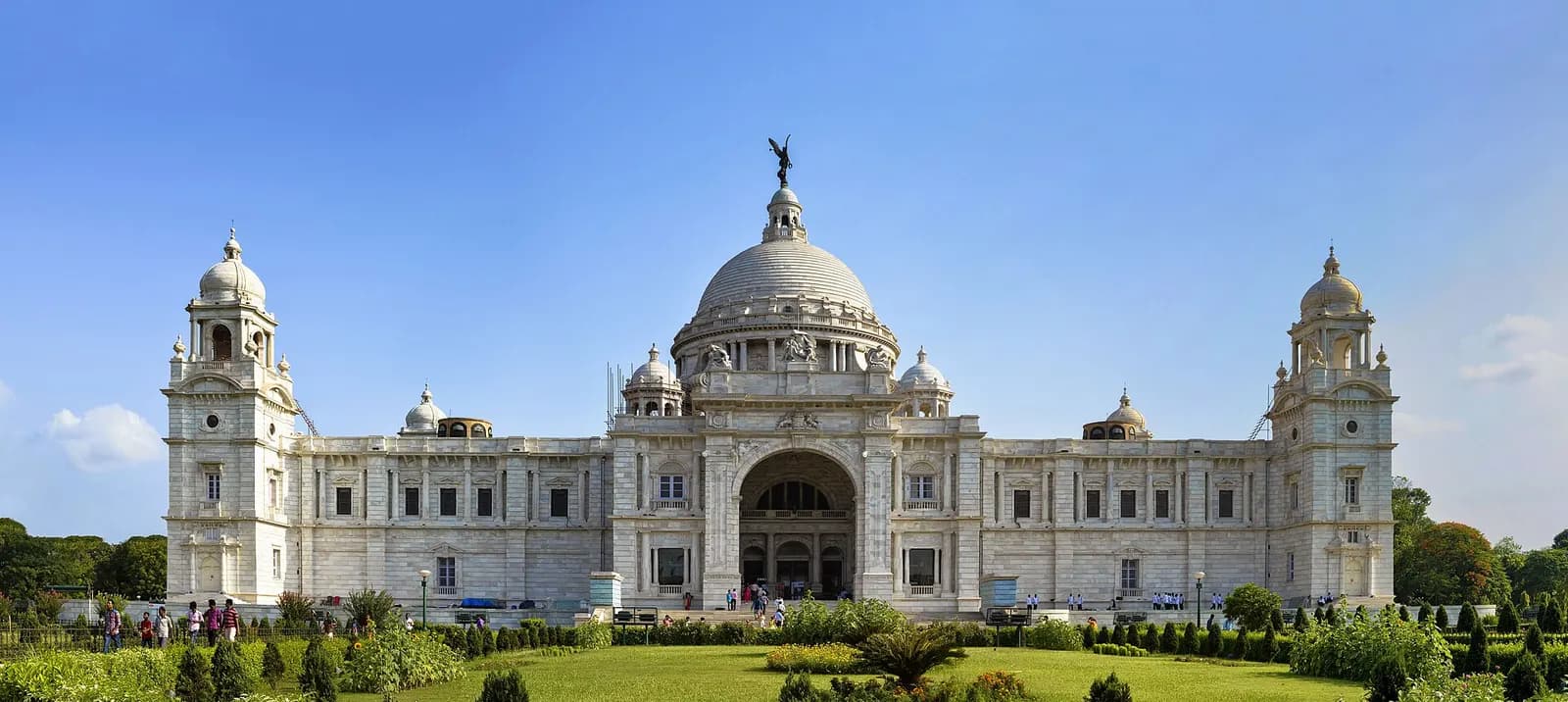
Kolkata grew from three riverside villages that the East India Company stitched into a port, and by 1772 it was the capital of British India, a rank it kept until 1911. The result is a city of unusually dense texture: Palladian facades going green with damp around Dalhousie Square, the Marble Palace of 1835 where a Bengali zamindar hung European canvases above his own menagerie, and the white Makrana dome of the Victoria Memorial, finished in 1921. Mornings belong to the Hooghly.
At Mullick Ghat the flower market piles marigolds under the steel lattice of Howrah Bridge, a cantilever span opened in 1943 that carries a hundred thousand vehicles and even more people on foot every day. Upriver, Rani Rashmoni's nine-spired Dakshineswar Kali temple of 1855, with its twelve riverside Shiva shrines, faces Belur Math across the water. Afternoons are for College Street, two kilometres of secondhand book stalls, and the ceiling fans and cutlets of the Indian Coffee House.
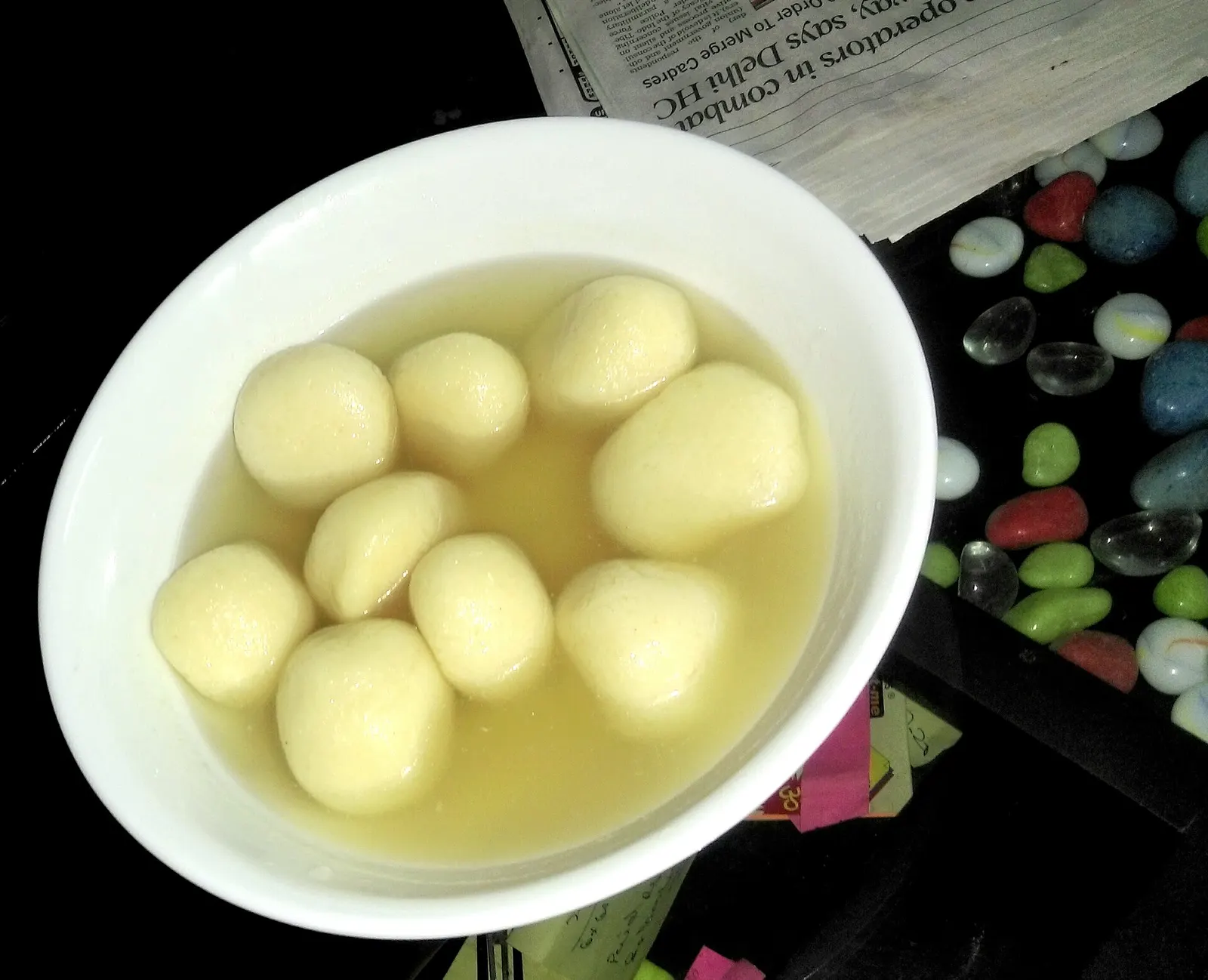
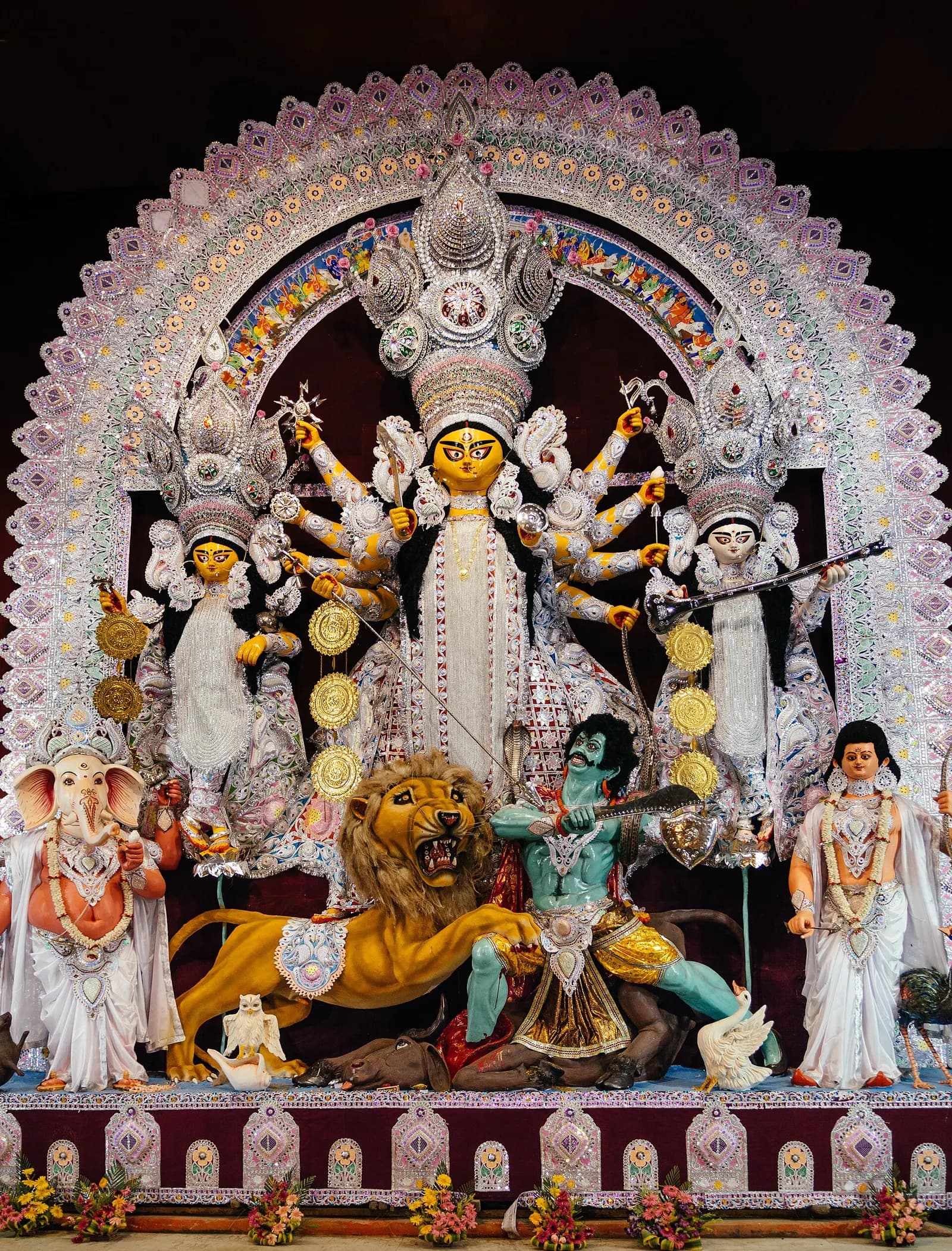
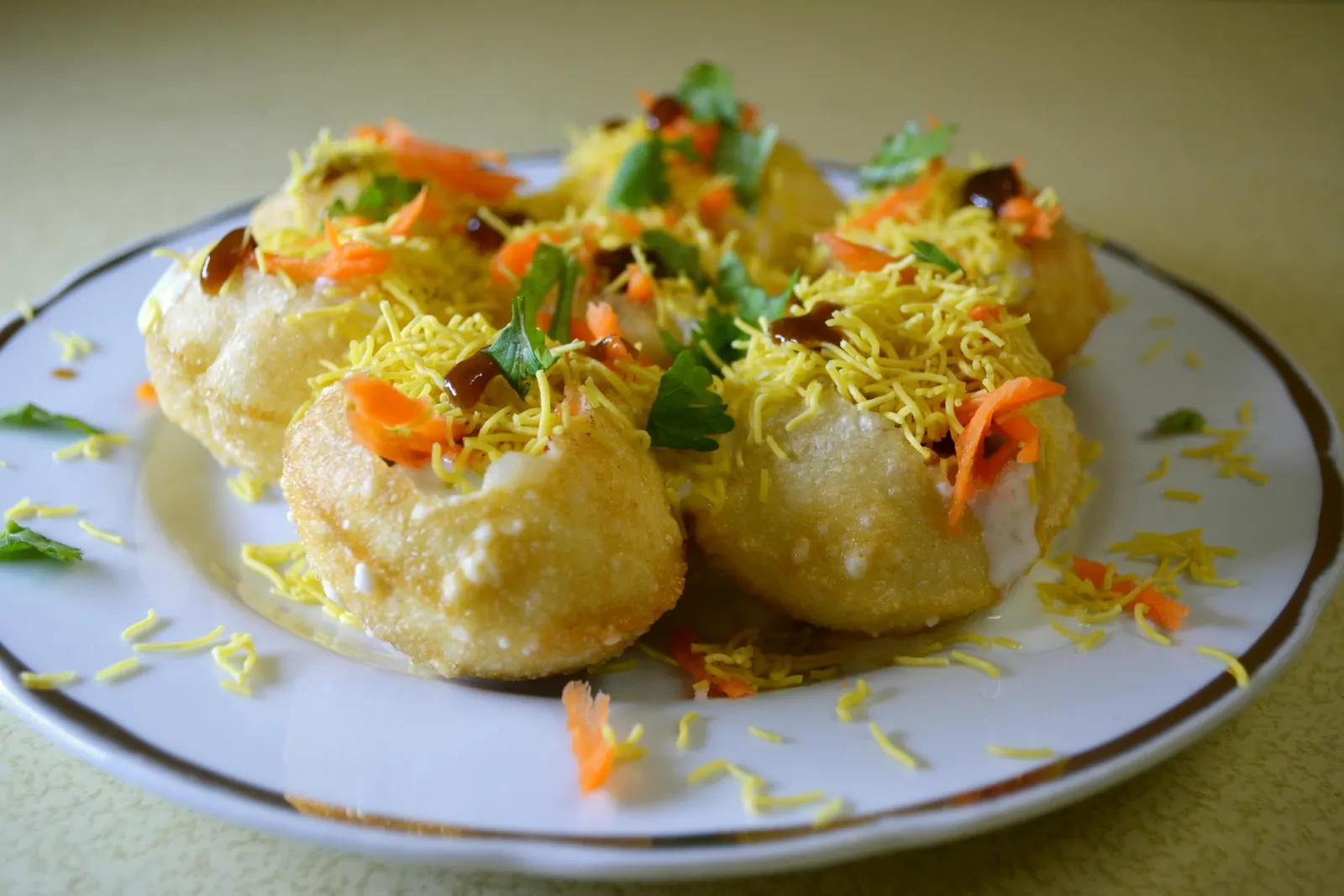
In the lanes of Kumartuli, sculptors build Durga out of river clay all year for the autumn nights when the city pours into the streets to see the pandals, a festival now inscribed on the UNESCO intangible heritage list. Eat the way Kolkata does: phuchka from a pavement cart, a kathi roll on Park Street, kosha mangsho with luchi in an old Bengali kitchen, and mishti doi from a clay pot.
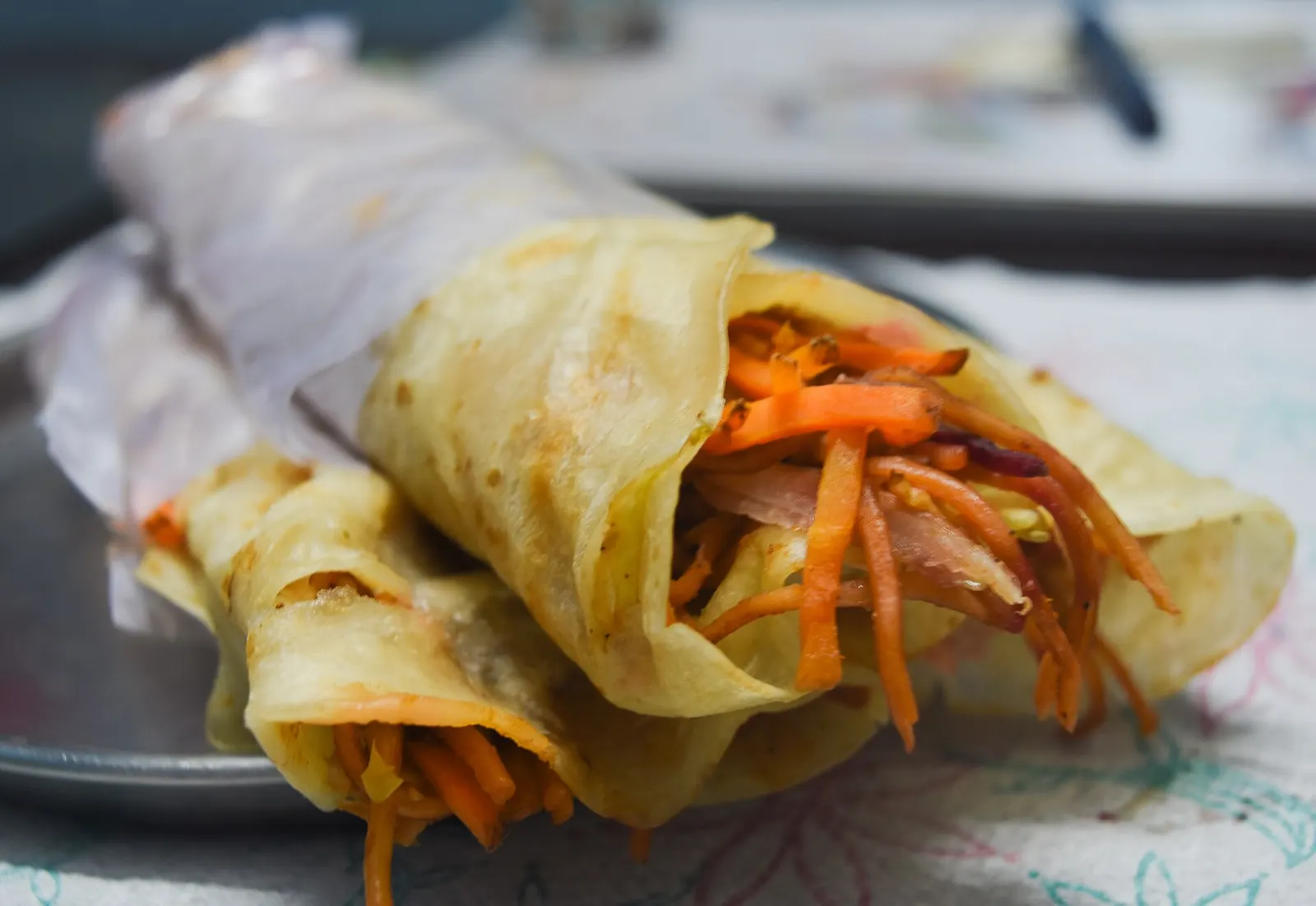 Street food