DEVGAMAN

North India · Temple

Vaishno Devi

Trikuta hills pilgrimage to the Mother Goddess in a cave

33.03° N · 74.95° E

Best months to be here

  • January
  • February
  • March — a best month
  • April — a best month
  • May
  • June
  • July
  • August
  • September — a best month
  • October — a best month
  • November — a best month
  • December

Best: Mar–Apr

At a glance

Region
North India
Kind of place
Temple · Ancient
Ideal stay
2 days
Altitude
1,585 m
Coordinates
33.03° N, 74.95° E

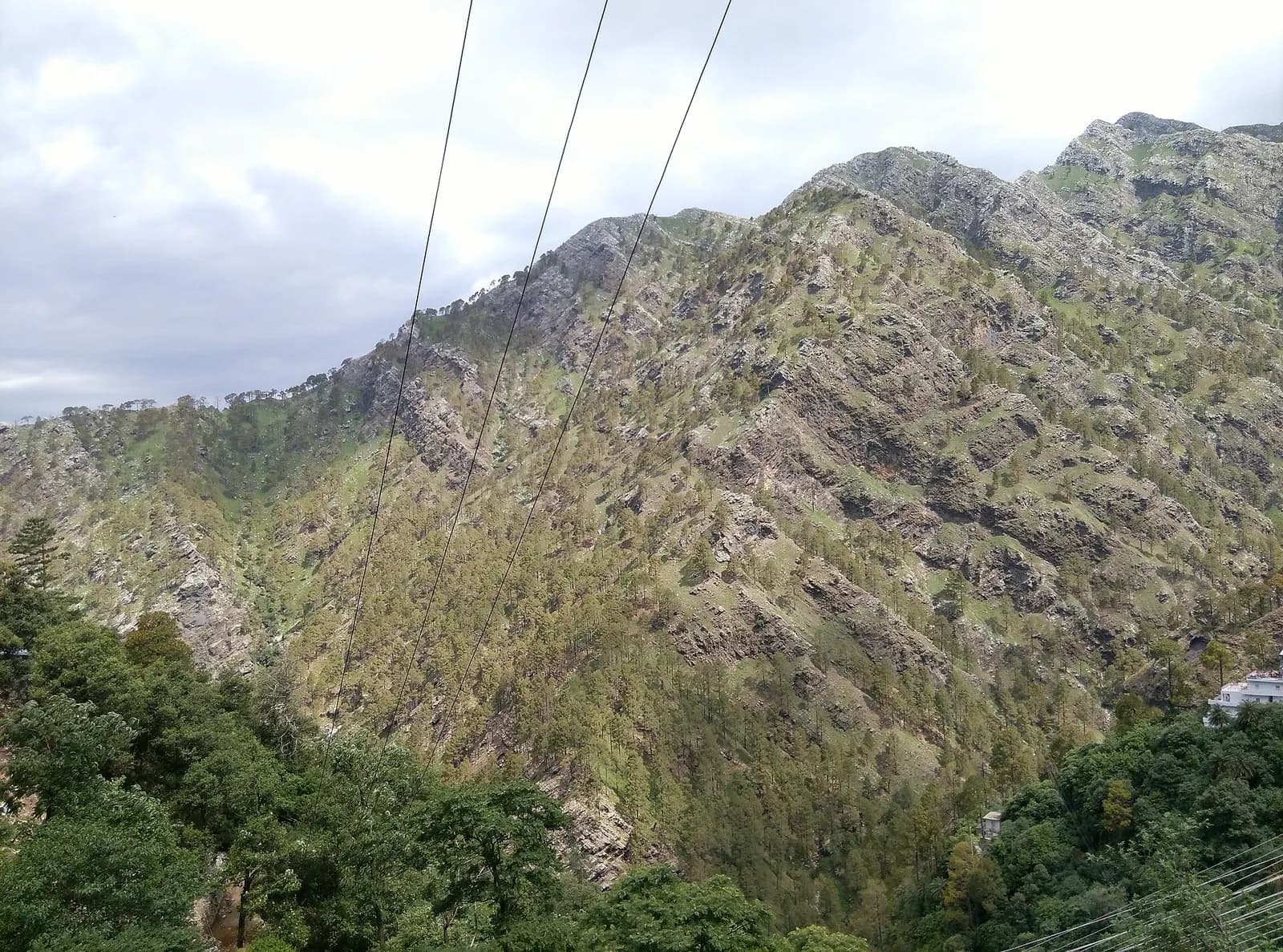
The story is told to every child on the path. Vaishnavi, a form of the Mother Goddess, was pursued by the tantric Bhairon Nath through these hills, hid for nine months in the Garbh Joon cave at Adhkuwari, and finally took his head at the mouth of the holy cave, where she remains as three pindis for Maha Kali, Maha Lakshmi and Maha Saraswati. The shrine was known to pilgrims long before the Dogra rulers built up the present town of Katra, and since 1986 it has been run by the Shri Mata Vaishno Devi Shrine Board, which paved the track, lit it, and built the rest houses and langars along it.

The walk begins at Banganga, where the goddess is said to have struck water from a rock, and climbs 12 km through Charan Paduka, Adhkuwari, Himkoti and Sanjichhat to the Bhawan at about 1,585 m. Most pilgrims start after dark to avoid the heat, so the trail glows all night with lamps, tea stalls and the sound of Jai Mata Di. Darshan in the cave takes a minute; the queue can take hours.

Bhairon Nath's temple sits 2.5 km higher still, reached by a ropeway, and the pilgrimage is not considered complete without it. Around Navratri the hills hold a lakh of people a day. What stays with you is not the shrine but the walk itself, shared with grandmothers on ponies, barefoot young men and families carrying sleeping children up a mountain.
What not to miss in Vaishno Devi

  1. The holy cave with the three pindis at Bhawan
  2. Banganga, the first halt where the trek begins
  3. Adhkuwari (Garbh Joon) cave shrine at the halfway point
  4. Bhairon Nath temple and the ropeway above Bhawan
  5. Night-time ascent lit all the way from Katra
  6. Himkoti viewpoint over the Katra valley

Best Mar–Apr

Best time to visit Vaishno Devi

March to April and September to November; Navratri is the busiest and most festive time; avoid the July to August monsoon.

Give Vaishno Devi 2 days and it repays the time; with fewer you are choosing between The holy cave with the three pindis at Bhawan and Banganga, the first halt where the trek begins. We build the hours around the weather — early starts when it is hot, long afternoons when it is not.

  • Ideal stay — 2 days
  • Season — Mar–Apr
Plan a trip here

On the ground

Things to do in Vaishno Devi

The days we would actually plan for you, in the order that suits the light.

  • Walk the 12 km trail through the night and reach Bhawan at sunrise
  • Take the helicopter from Katra to Sanjichhat and walk the last 2.5 km
  • Ride the Bhawan to Bhairon ropeway for the return view over Trikuta
  • Eat rajma chawal at Peera on the Jammu to Katra highway
  • Visit the Shiv Khori cave temple, 80 km from Katra, on the way back

At the table

What to eat in Vaishno Devi

  • Rajma chawal from the Peera dhabas
  • Kalari kulcha, Jammu's pan-fried cheese bun
  • Ambal, the Dogri sweet-sour pumpkin curry
  • Patisa and khoya sweets from Katra market
  • Sattu drink and lassi at the trail stalls

Getting there

How to reach Vaishno Devi

Shri Mata Vaishno Devi Katra railway station is in town, with direct trains from Delhi; Jammu airport is 48 km; Katra to Banganga is a short walk.

Airport pickups, station transfers and the driver for the days here are all part of what we arrange — including the hour you should leave, which is usually earlier than you think.

Travel tips from our trips

  • Register for a free RFID yatra card online or at the Katra counters; you cannot pass Banganga without it.
  • Leave heavy bags, leather items and food at the cloakroom before Banganga; only a small bag is allowed into the cave.
  • Ponies, pithus and palkis have fixed rates displayed at Katra; battery cars run from Adhkuwari to Bhawan and must be booked ahead.
  • Helicopter seats to Sanjichhat sell out weeks in advance around Navratri and holidays; book on the Shrine Board site.
  • Wear broken-in shoes and carry a light jacket; the trail is paved but steep, and Bhawan is noticeably colder than Katra.

Next door

Near Vaishno Devi

Places that join Vaishno Devi without a long drive — the way a real week is built.

Shikara boats on Dal Lake in Srinagar with the Zabarwan hills behindLake
Themes:RomanceCultureFoodHeritage

Jammu & Kashmir

Srinagar

Houseboats on Dal Lake, Mughal gardens and chinar-shaded autumn light

Ideal stay
3 days
Best time
April to October for gardens and lakes; late October to November for chinar autumn; December to February for snow
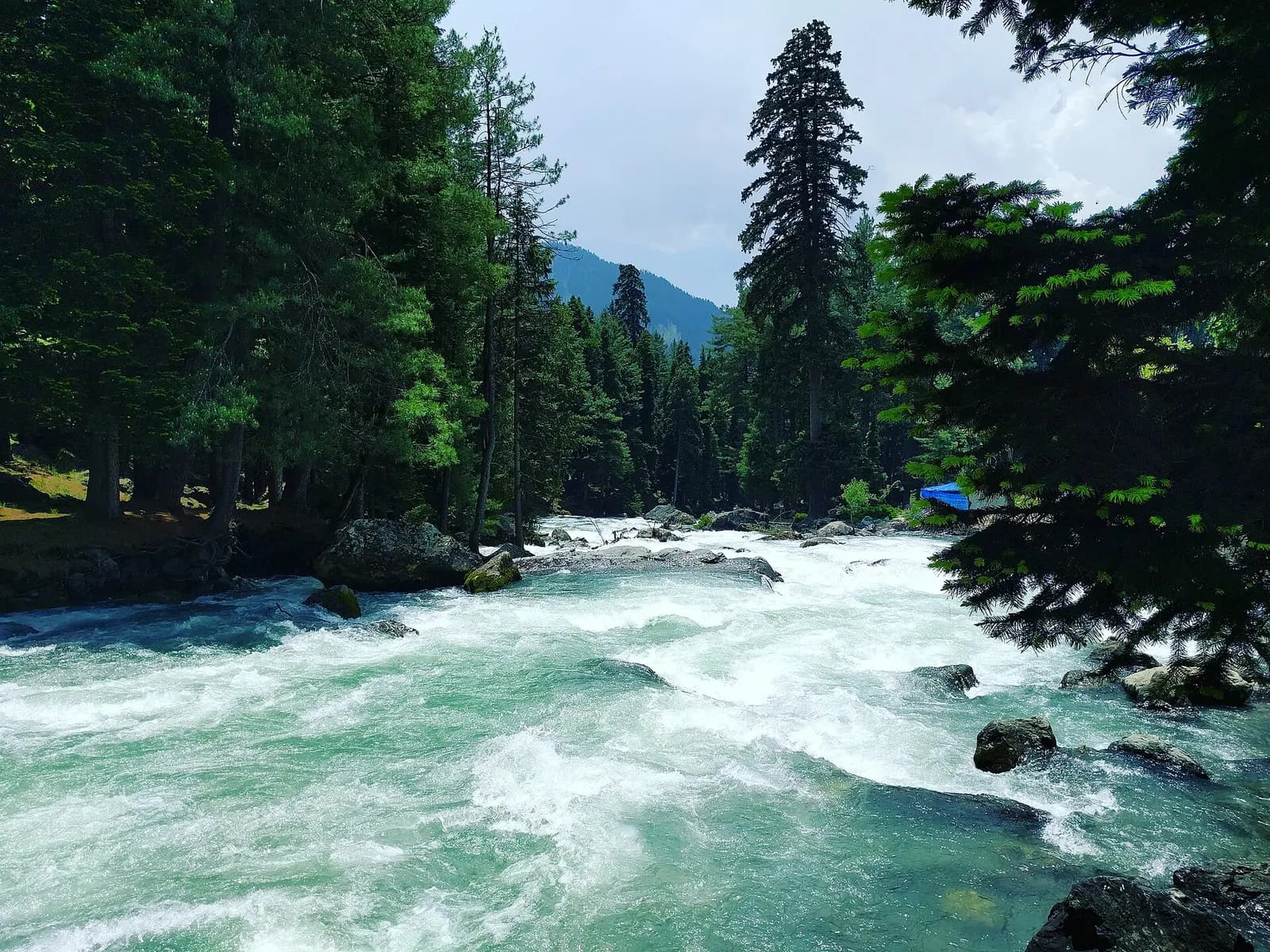
The Lidder river running through pine forest at Pahalgam in KashmirValley
Themes:NatureAdventureSpiritualFamily

Jammu & Kashmir

Pahalgam

Lidder river, pine valleys and the road to Amarnath

Ideal stay
2 days
Best time
April to June and September to October; July and August for the Amarnath Yatra; December to February for snow
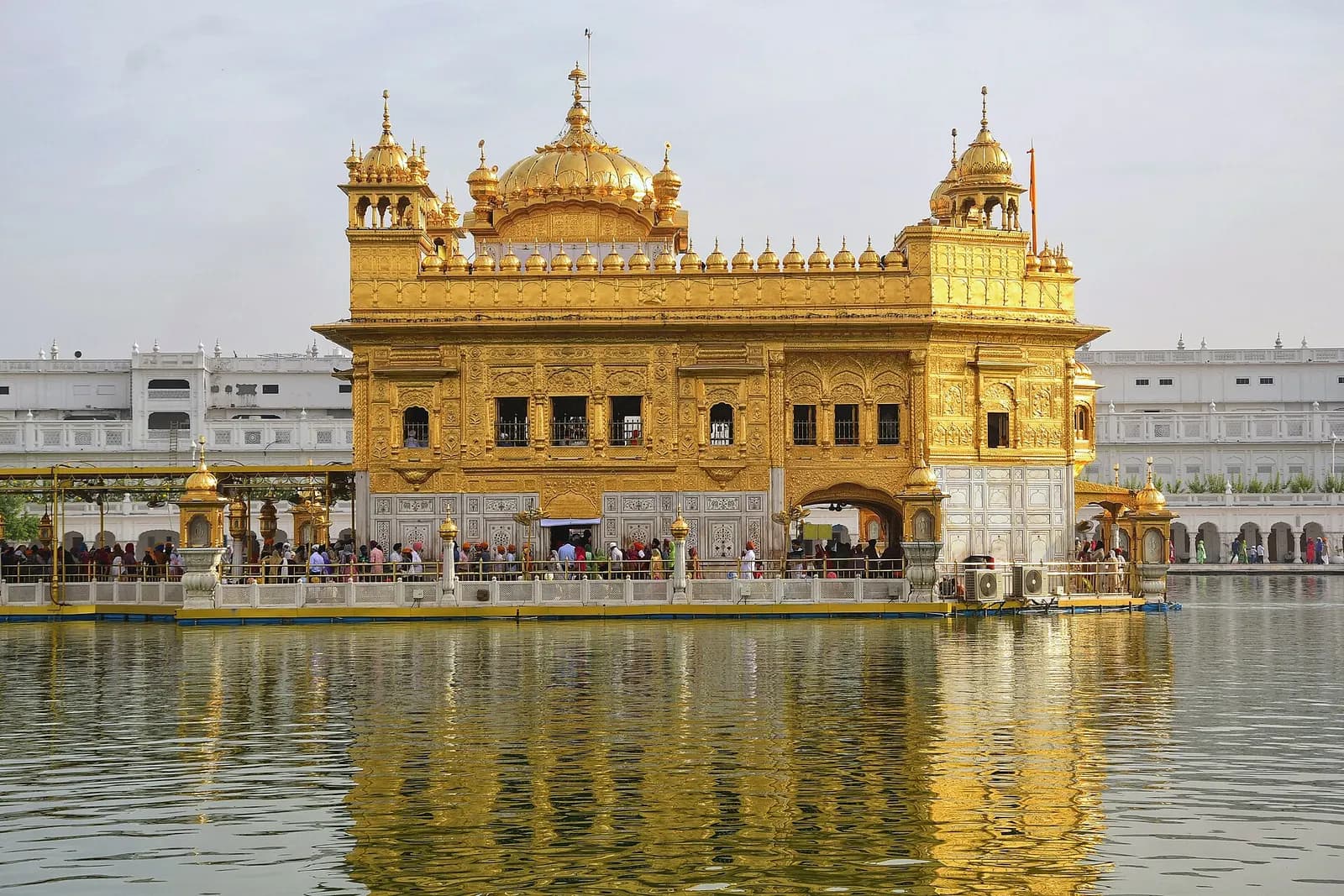
The Golden Temple, Harmandir Sahib, reflected in the sacred pool at AmritsarTemple
Themes:SpiritualFoodCultureHeritage

Punjab

Amritsar

The Golden Temple, the langar, and the border drums

Ideal stay
2 days
Best time
October to March; November and February are the most comfortable
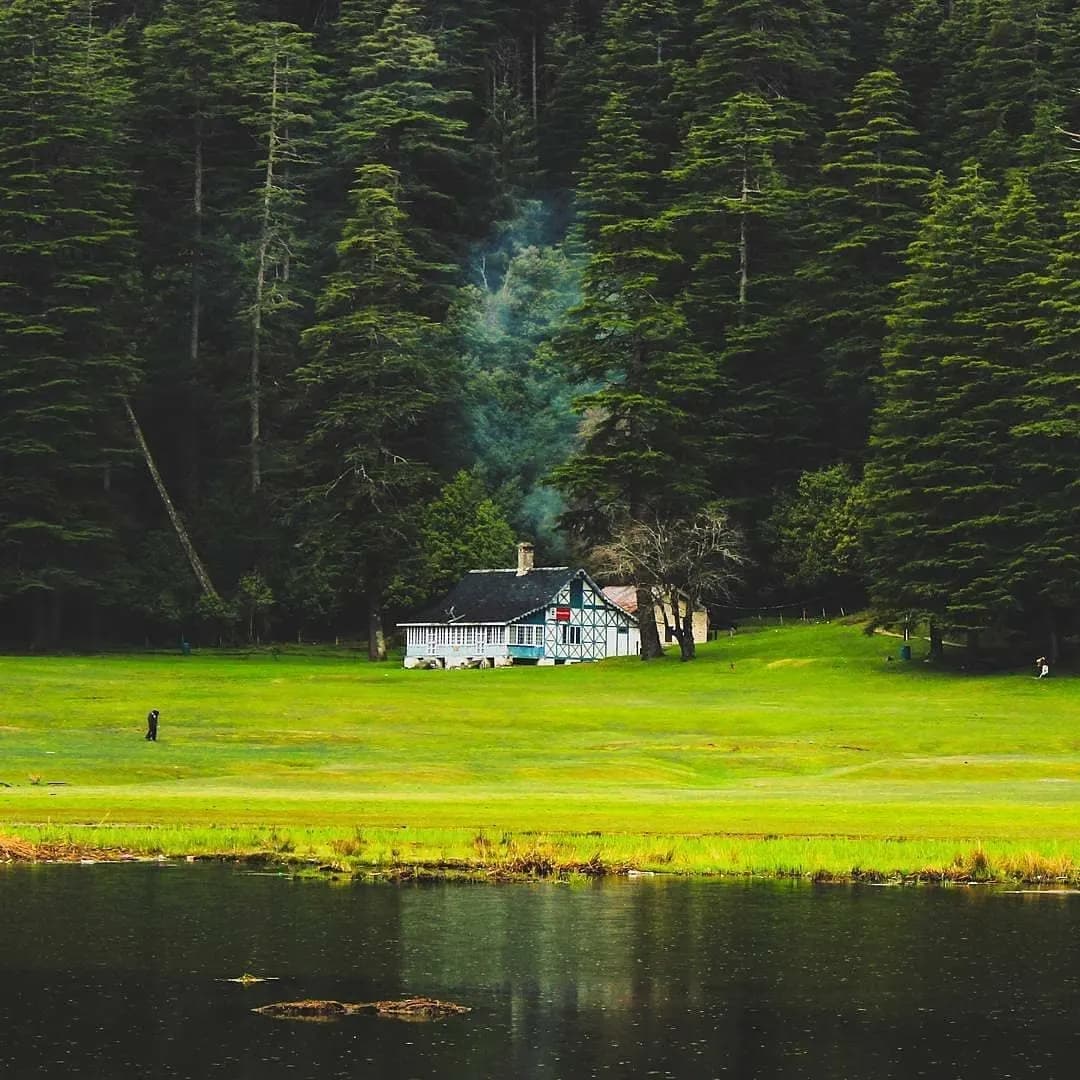
Khajjiar meadow with its small lake ringed by deodar forest near DalhousieHill station
Themes:FamilyNatureRomanceHeritage

Himachal Pradesh

Dalhousie & Khajjiar

Victorian churches, a deodar-ringed meadow and Chamba's ancient temples

Ideal stay
3 days
Best time
March to June and October to November; December to February for snow at Dainkund and Khajjiar; Chamba's Minjar fair in late July or August
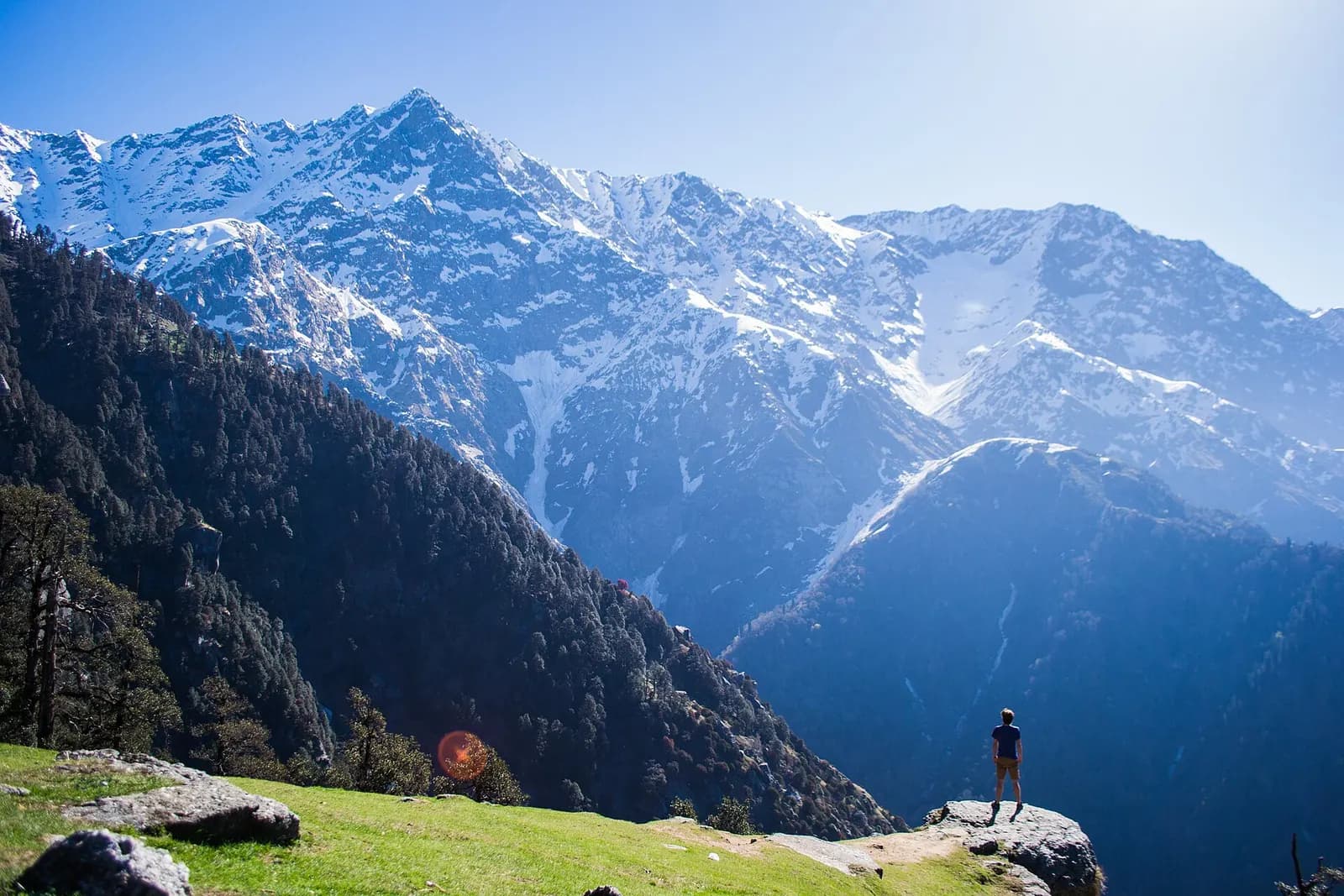
McLeod Ganj houses climbing the ridge with the snow-covered Dhauladhar range aboveHill station
Themes:SpiritualCultureAdventureFood

Himachal Pradesh

Dharamshala & McLeod Ganj

The Dalai Lama's hill town, Tibet in exile beneath the Dhauladhar

Ideal stay
3 days
Best time
March to June and mid-September to November; Losar in February–March; avoid the July–August monsoon

Before you ask

Questions we are asked about Vaishno Devi

When is the best time to visit Vaishno Devi?
March to April and September to November; Navratri is the busiest and most festive time; avoid the July to August monsoon. On the calendar that is Mar–Apr. We build Vaishno Devi into a journey inside that window wherever we can; when your dates are fixed outside it, we re-plan the hours of the day around the weather rather than talk you out of the trip.
How many days do you need in Vaishno Devi?
We plan 2 days in Vaishno Devi. That is enough for The holy cave with the three pindis at Bhawan, Banganga, the first halt where the trek begins and Adhkuwari (Garbh Joon) cave shrine at the halfway point, at a pace that still leaves room for a long lunch. Add a day if you are continuing to Srinagar and Pahalgam.
How do you reach Vaishno Devi?
Shri Mata Vaishno Devi Katra railway station is in town, with direct trains from Delhi; Jammu airport is 48 km; Katra to Banganga is a short walk. We arrange the transfer and the driver as part of the journey, so you are met on arrival instead of negotiating a taxi at the gate, and the timings are set around when Vaishno Devi is at its best rather than around the clock.
What is Vaishno Devi famous for?
Vaishno Devi is a temple town in Jammu & Kashmir, North India, best known for The holy cave with the three pindis at Bhawan, Banganga, the first halt where the trek begins and Adhkuwari (Garbh Joon) cave shrine at the halfway point. Travellers come for spiritual, family and culture, and most give it 2 days.
Is Vaishno Devi good for families?
Yes. Vaishno Devi is one of the places we plan for families: 2 days is enough, the highlights sit close together, and Mar–Apr keeps the weather kind. Tell us the children's ages and we will trim the driving, start the mornings early and leave an afternoon free.

Vaishno Devi, planned by hand

Shall we begin?

चलिए, शुरू करते हैं

Tell us how many days you have. We will build Vaishno Devi into a journey that suits them.