India does not have one street food culture, it has a few hundred, and the borders between them are sharp. Cross from Amritsar to Lucknow and the fat changes from white butter to ghee, the bread from tandoori kulcha to sheermal, the spicing from raw and loud to layered and quiet. This is a trail through ten cities, each with one dish worth planning a morning around, plus what it costs and where the queue forms.
The north: Delhi, Amritsar, Lucknow, Varanasi
Delhi: the paratha and the kebab, both
Start in Chandni Chowk before nine, when Paranthe Wali Gali is still frying rather than performing. The shops there have been at it since the 1870s and the range runs well past aloo to rabri, papad and karela; expect INR 80 to 150 for a plate with pickle and pumpkin curry. Cross to Sitaram Bazaar for Kuremal's kulfi frozen inside a hollowed mango, and finish after dark at the Jama Masjid end for seekh kebab and nihari. Old Famous Jalebi Wala at the Dariba Kalan corner fries the thick, ghee-heavy jalebi that most of India has forgotten.
Amritsar: kulcha, and the world's largest kitchen
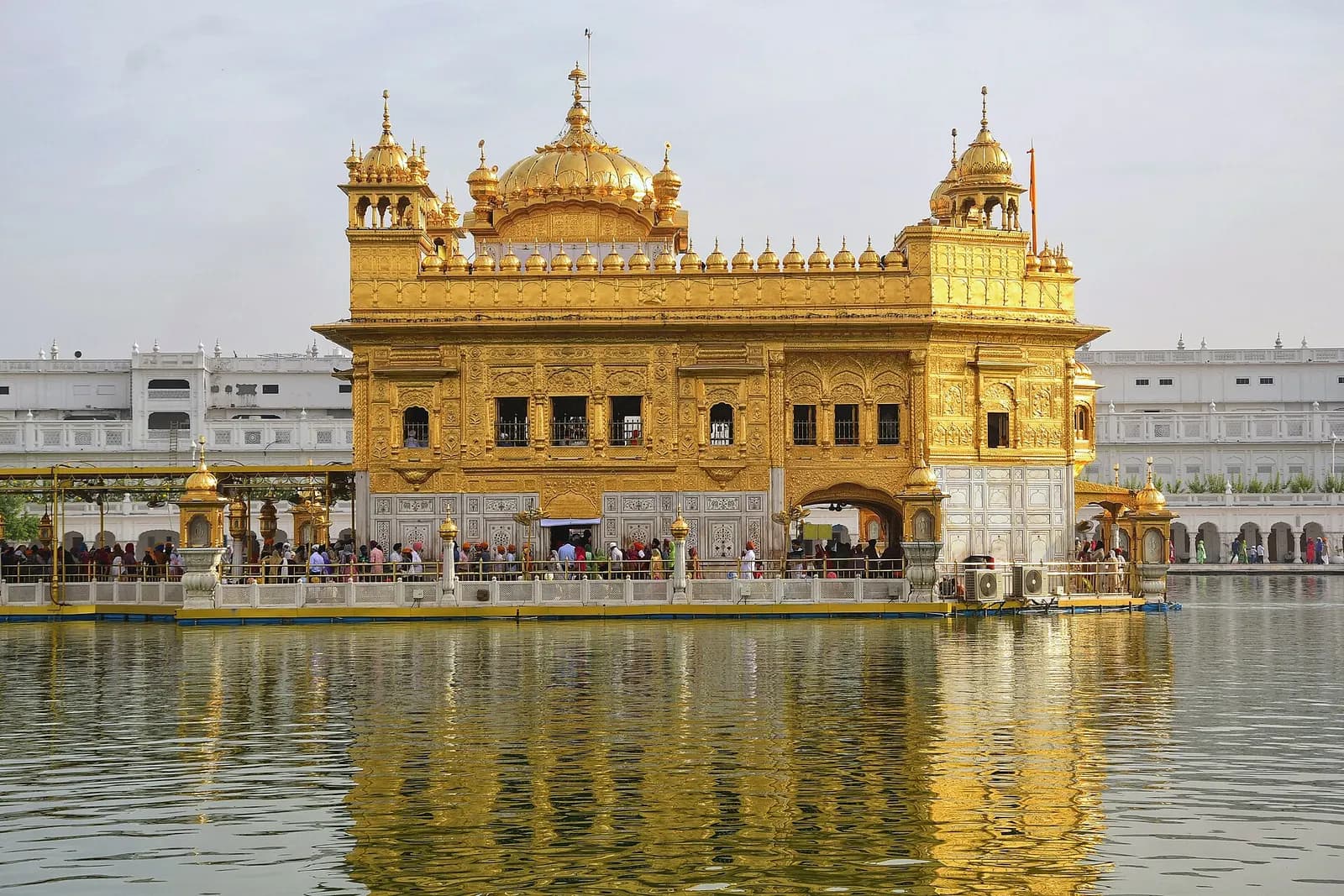
Amritsari kulcha is not the Delhi version. It is stuffed, slapped onto a tandoor wall, cracked open by hand and drowned in white butter, served with chhole and a raw onion. INR 60 to 120 at the Ranjit Avenue and Lawrence Road stalls. Add Amritsari fish, river sole in an ajwain and gram-flour batter, on Majitha Road. Then eat at the Golden Temple langar, where volunteers serve free meals to somewhere between 50,000 and 100,000 people a day, and roll rotis alongside them.
Lucknow: galawati and the winter foam
Lucknow eats in the past tense, in the best way. The galawati kebab, minced so fine it is spread rather than shaped, is said to have been created for a toothless nawab; eat it in Aminabad or Chowk with a warqi paratha, INR 100 to 180. Follow it with kulcha nihari near Akbari Gate at breakfast, basket chaat in Hazratganj in the evening, and in December and January the malaiyo, a saffron foam of dew-set milk that vanishes on the tongue and from the market by ten in the morning.
Varanasi: kachori-sabzi at sunrise
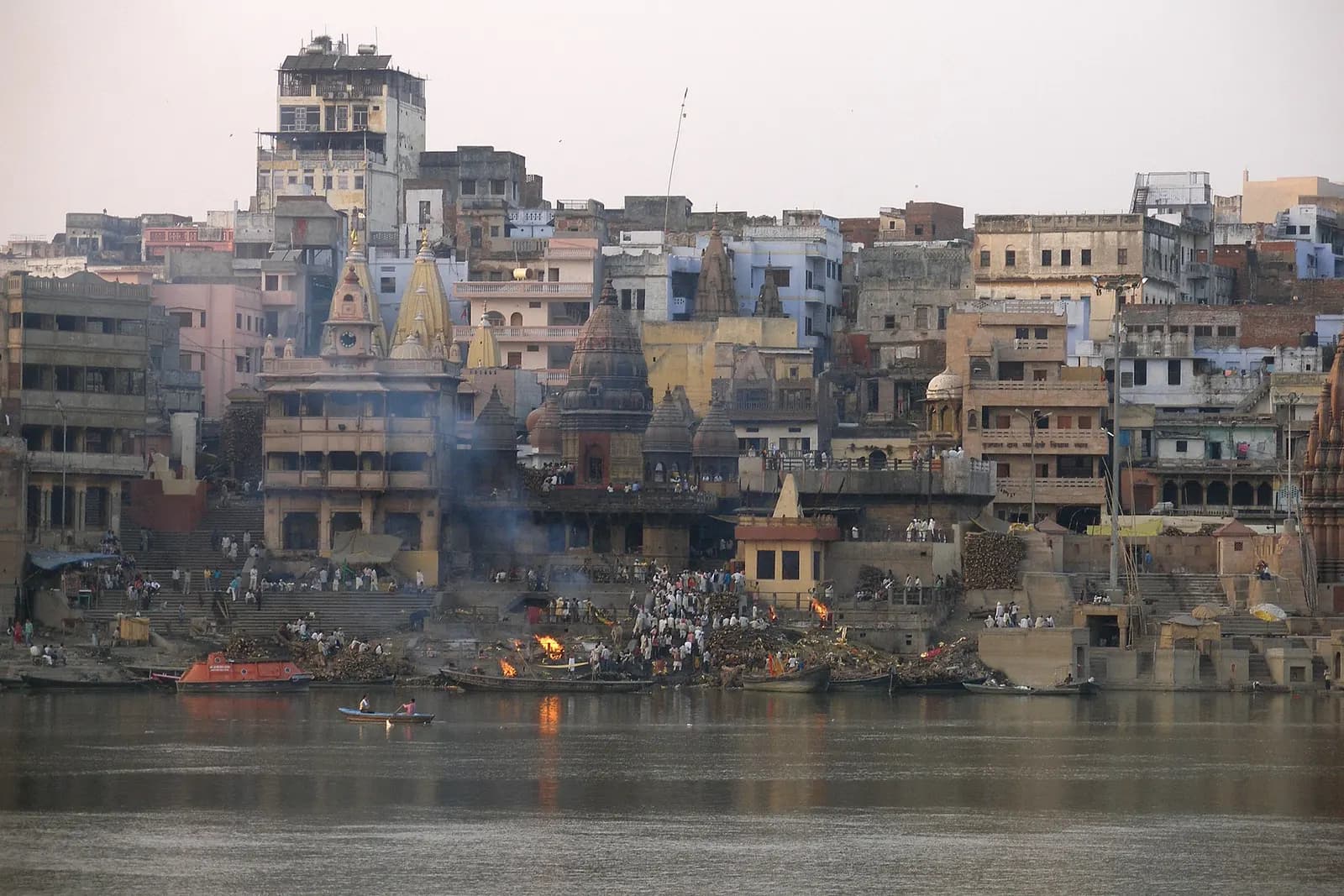
The Banarasi breakfast is a fierce potato curry with two puffed kachoris and a hot jalebi, eaten standing in Kachori Gali after a boat ride, for under INR 80. Later, tamatar chaat and palak chaat, then a thick lassi in a clay kulhad near Manikarnika, and a banarasi paan folded around rose petal preserve to close the day.
The east: Kolkata, the roll and everything around it
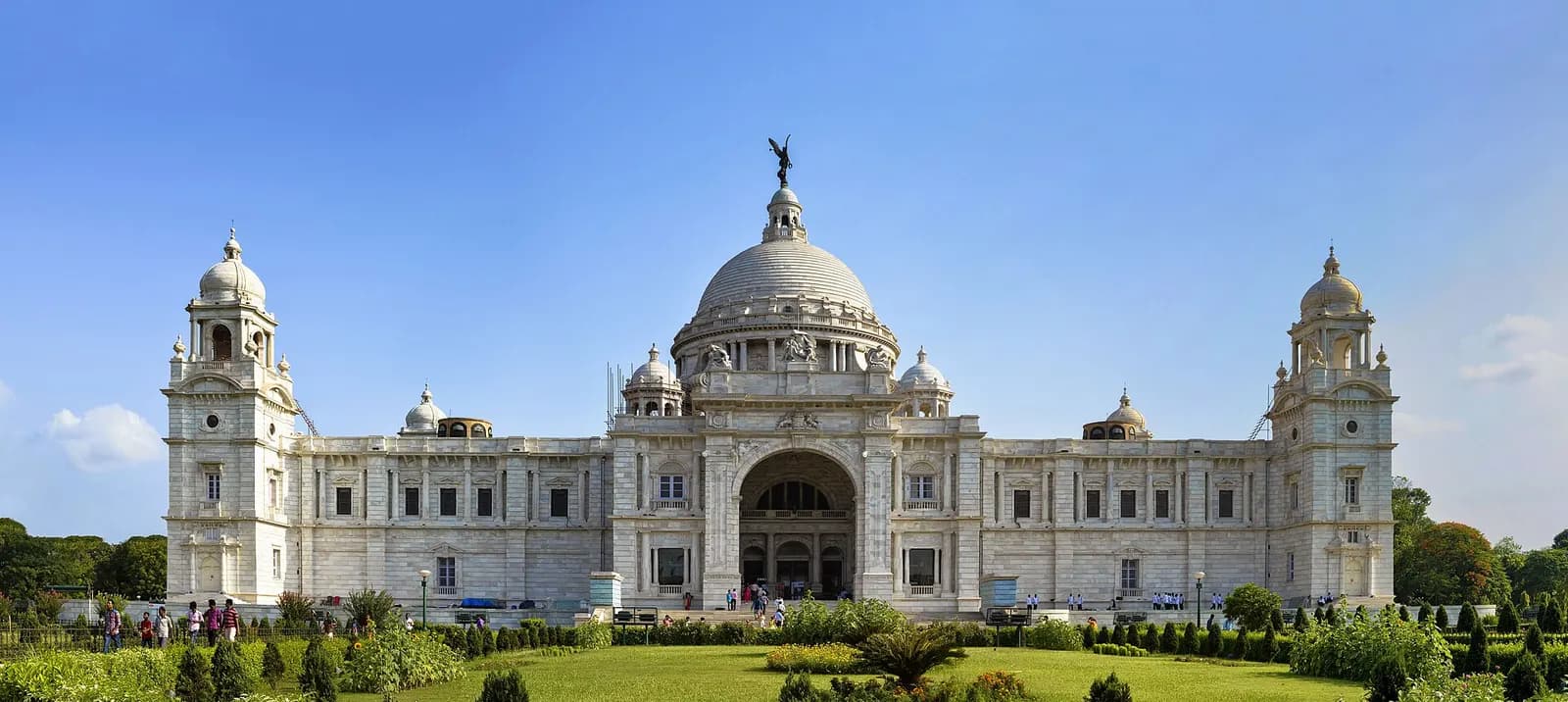
The kathi roll was invented here: a paratha fried against an egg, wrapped around skewered kebab with onion, lime and green chilli. INR 90 to 200 on Park Street. But the city's real range is elsewhere: phuchka, sharper and drier than Delhi's golgappa, filled with tamarind water; telebhaja fritters near College Street; kosha mangsho in Shyambazar; nolen gur sandesh in winter; and, on a Sunday at six in the morning, the Chinese breakfast market at Tiretti Bazaar.
The west: Mumbai, Ahmedabad, Indore
Mumbai: vada pav and Ramzan nights
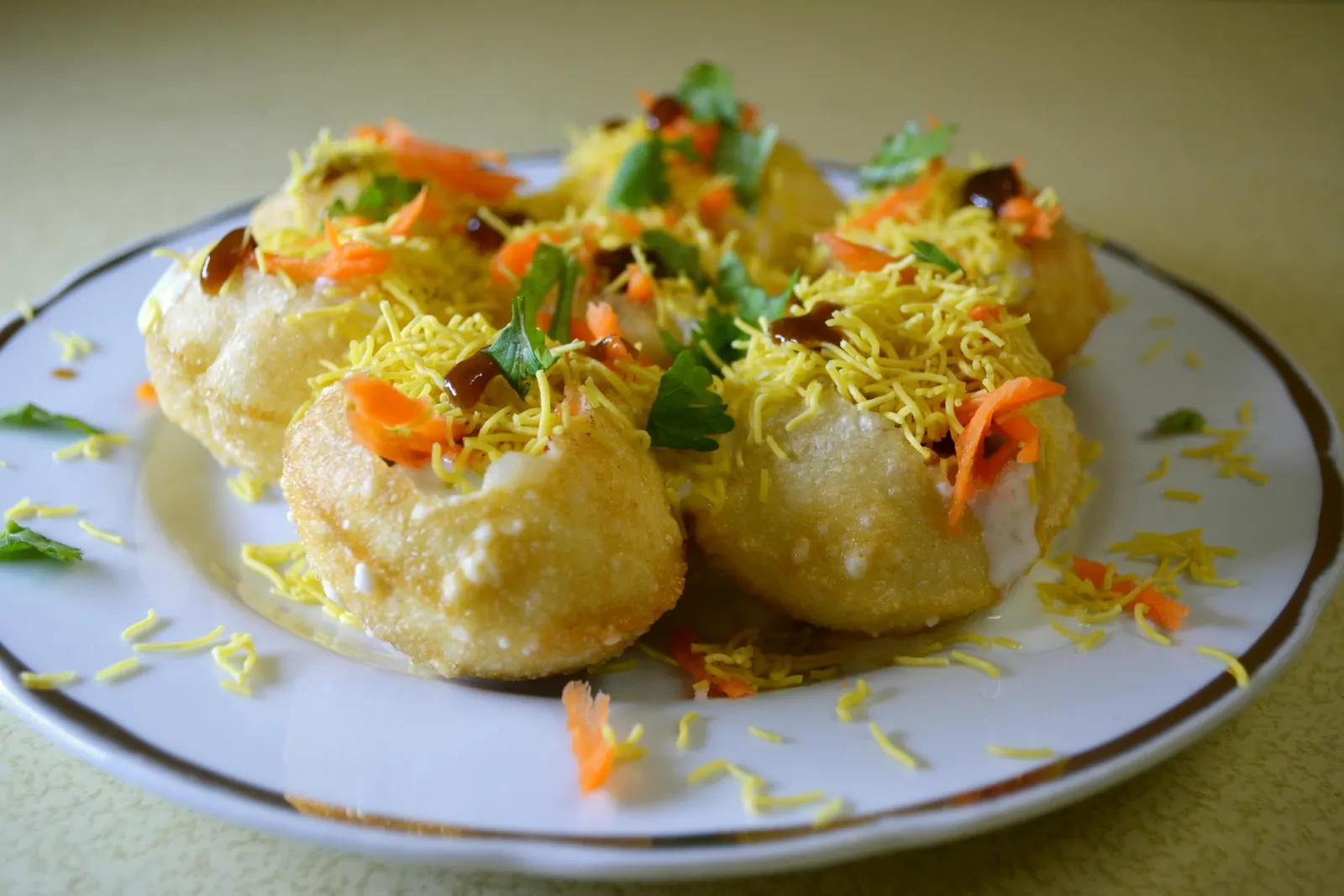
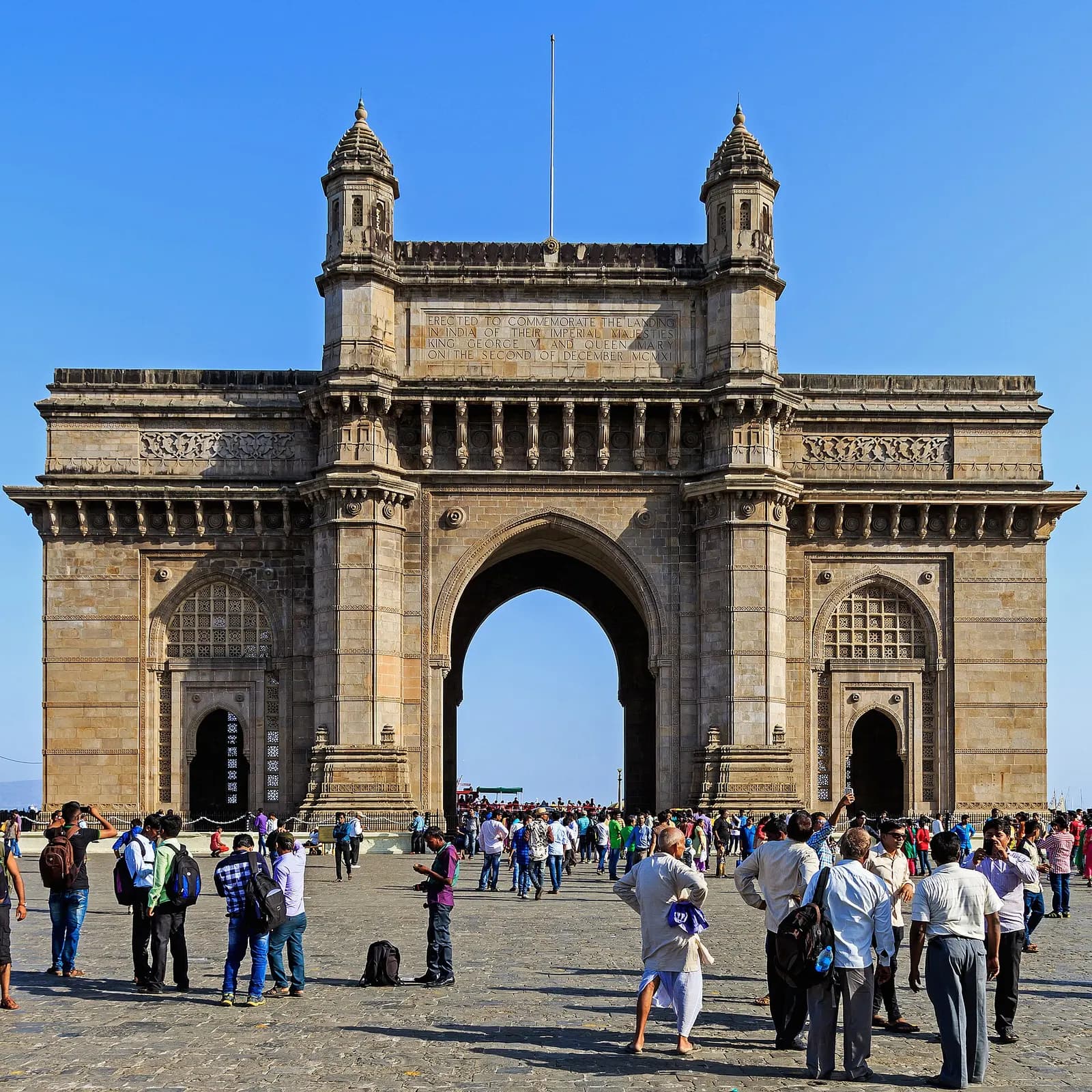
A vada pav costs INR 20 to 40 and is the most efficient thing anyone has ever done with a potato. Eat one outside Dadar station, then move to bhel and sev puri at Girgaum Chowpatty in the evening breeze, pav bhaji in Tardeo, and Ram Ashraya in Matunga for filter coffee and idli. During Ramzan, Mohammed Ali Road becomes a corridor of baida roti, seekh and malpua that runs until three in the morning.
Ahmedabad: fafda on Sunday, Manek Chowk at midnight
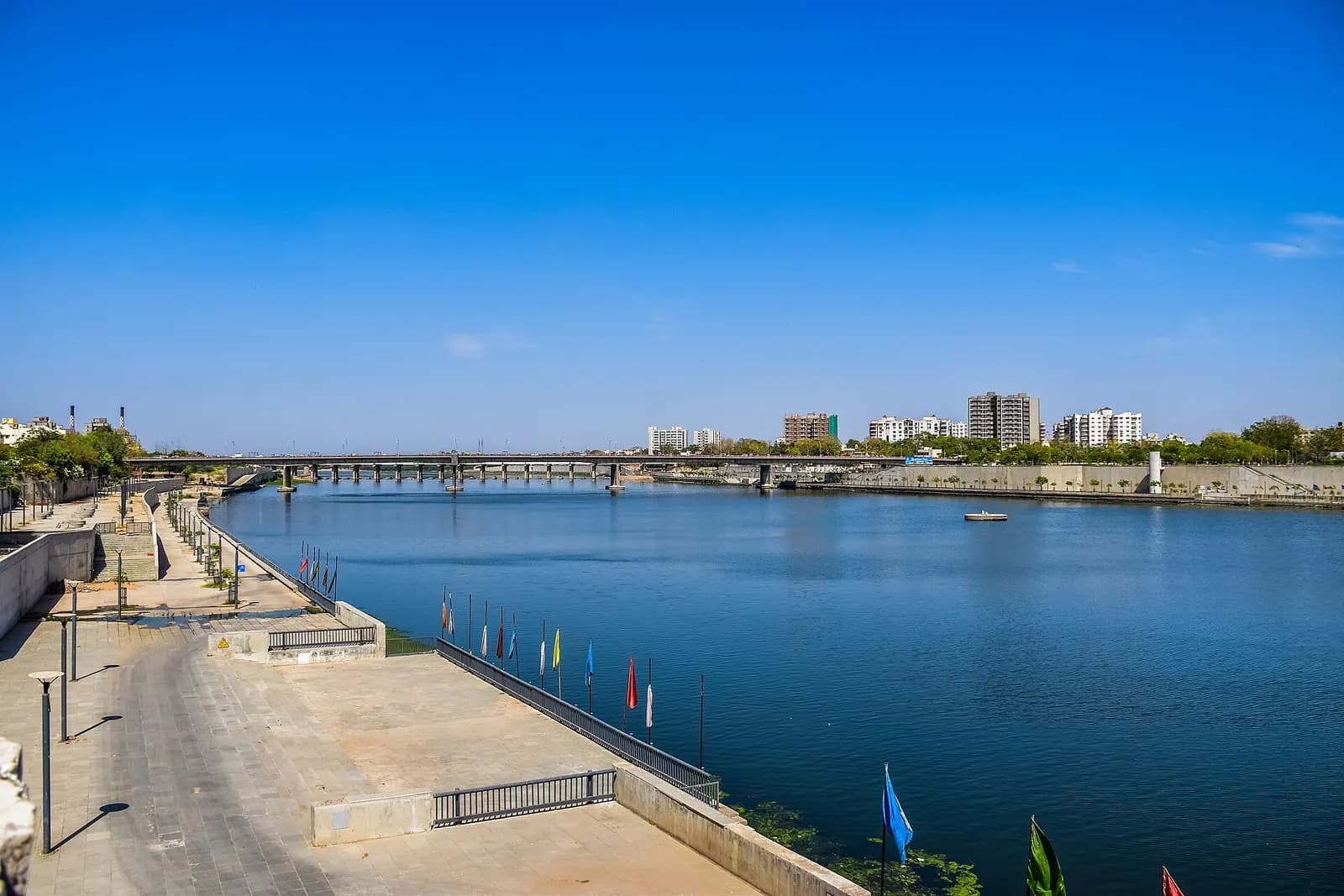
Sunday morning in Ahmedabad means fafda with fried chilli and papaya chutney alongside hot jalebi, a combination that makes no sense until you try it. Khaman, dhokla and dabeli fill the day. After ten at night, Manek Chowk turns from a jewellers' square into a food market where sandwiches are buried in butter and cheese until they stop being sandwiches. Come in mid-January and the whole city is on its roofs flying kites for Uttarayan.
Indore: the night market that runs till two
Sarafa Bazaar is the best argument for Indore. Silver shops shut around ten and food carts open in front of their shutters until nearly two in the morning: bhutte ka kees, grated corn cooked with milk and spice; garadu, fried yam dusted with jeeravan masala, in winter; dahi bada flipped high off a spoon; and hot malpua. Mornings belong to Chhappan Dukan, where poha with sev, sprinkled with fennel, is eaten with a jalebi at seven.
The south: Hyderabad and Chennai
Hyderabad: Irani chai and the Ramzan haleem
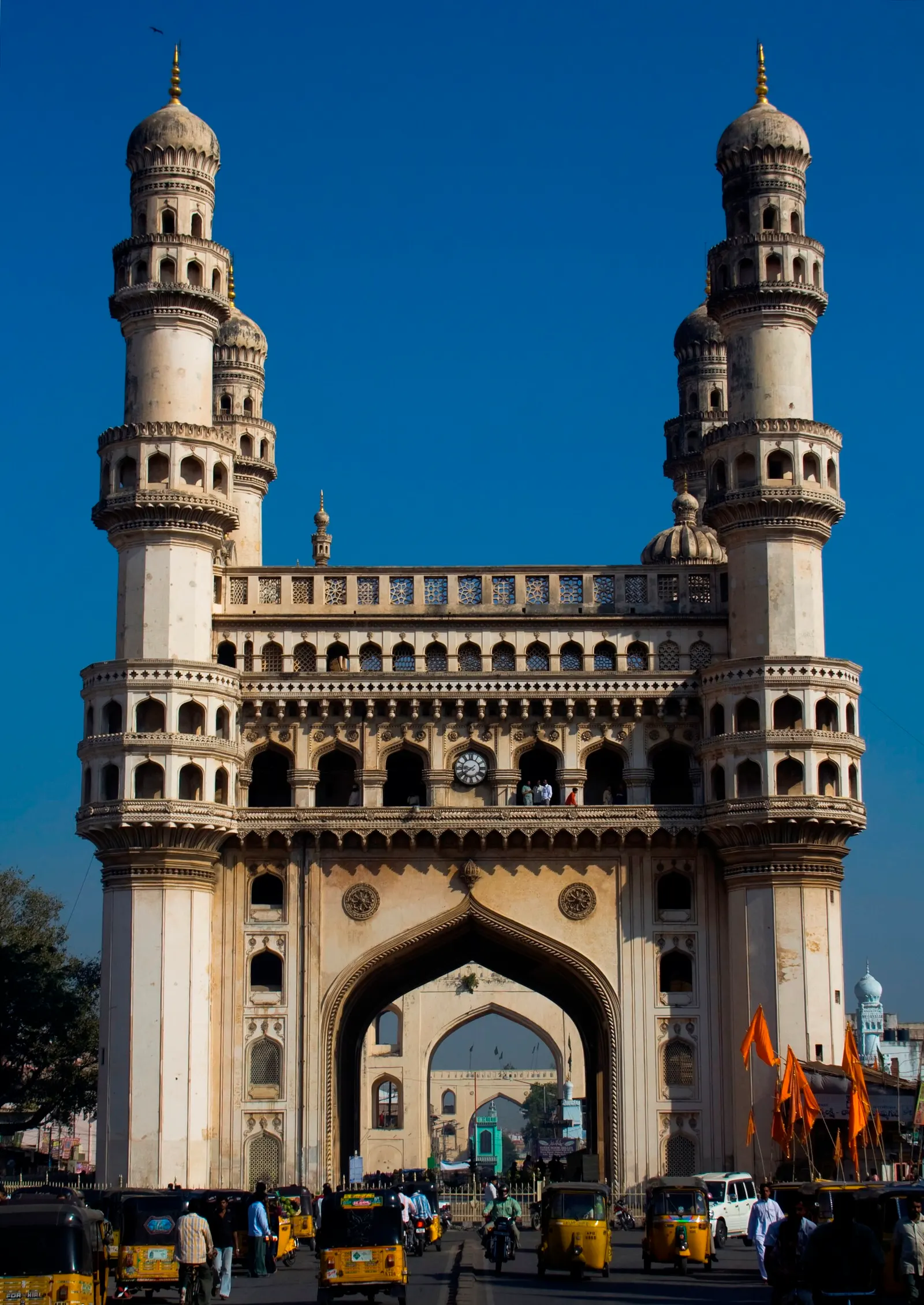
Sit opposite the Charminar with a cup of Irani chai and an Osmania biscuit, which costs about INR 30 and buys you an hour. Eat haleem in Ramzan, when hundreds of temporary wood-fired vats pound wheat and mutton to a paste across the old city, and biryani the rest of the year. Late at night, tawa dosa carts near Nampally serve until one, and dessert is double ka meetha or qubani ka meetha, apricots stewed with cream.
Chennai: the beach, the window and the coffee
Marina Beach at sunset means sundal, warm chickpeas with coconut, and bajji fried to order, for INR 30 to 60. In Mylapore, a window shop sells bondas straight onto a banana leaf, and a hundred metres away a mess pours degree coffee, filter decoction pulled between two steel tumblers. Sowcarpet after dark is a north Indian chaat quarter, and Burma Bazaar sells atho, Burmese noodles brought by returnees in the 1960s.
How to eat street food and stay well
- Choose stalls with turnover. A queue is a food-safety signal, not a delay.
- Prefer food fried, griddled or boiled in front of you over anything pre-cut or sitting in water.
- Skip ice, tap water and raw chutneys on a first day; drink bottled or hot.
- Carry ORS sachets and eat your biggest street meal at lunch, not midnight, on day one.
- Budget INR 300 to 600 a person for a serious four-stop crawl in any of these cities.
FAQs
Is Indian street food safe for first-time visitors?
Broadly yes, with sense. Busy stalls that cook to order in hot oil are safer than a quiet restaurant reheating a buffet. Ease in over two or three days rather than starting with everything at once.
Where should a vegetarian go?
Almost anywhere, but Ahmedabad, Indore, Varanasi and Chennai are entirely comfortable, and most Delhi and Kolkata chaat is vegetarian by default. Jain travellers should say so up front; most stalls will cook without onion and garlic.
Which single city is the best for street food?
Indore for concentration and late hours, Kolkata for range and depth, Delhi for history. If you only have one weekend, take Indore.
When is the best season for a food trail?
October to March. Winter also unlocks seasonal food that exists nowhere else in the year: malaiyo in Varanasi and Lucknow, garadu in Indore, nolen gur in Bengal.
DEVGAMAN can build this as a real route, with the crawls timed to when each stall is at its best and a local eater walking you through the lanes. Message us on WhatsApp with your cities and appetite and we will do the rest.
Places in this story
Plan this trip
 18 days · 17 nights
Themes:HeritageSpiritualCulture
Moderate · Best Oct–Nov
Kanyakumari to Kashmir: The Grand Trunk
Eighteen days up the spine of India, from the cape to the valley
Route: Kanyakumari → Madurai → Hampi → Hyderabad +6 more
- Group
- 2–8 (private)
- From
- ₹2,15,000 pp
Tagsstreet food · food travel · chaat · delhi · kolkata · hyderabad · indore