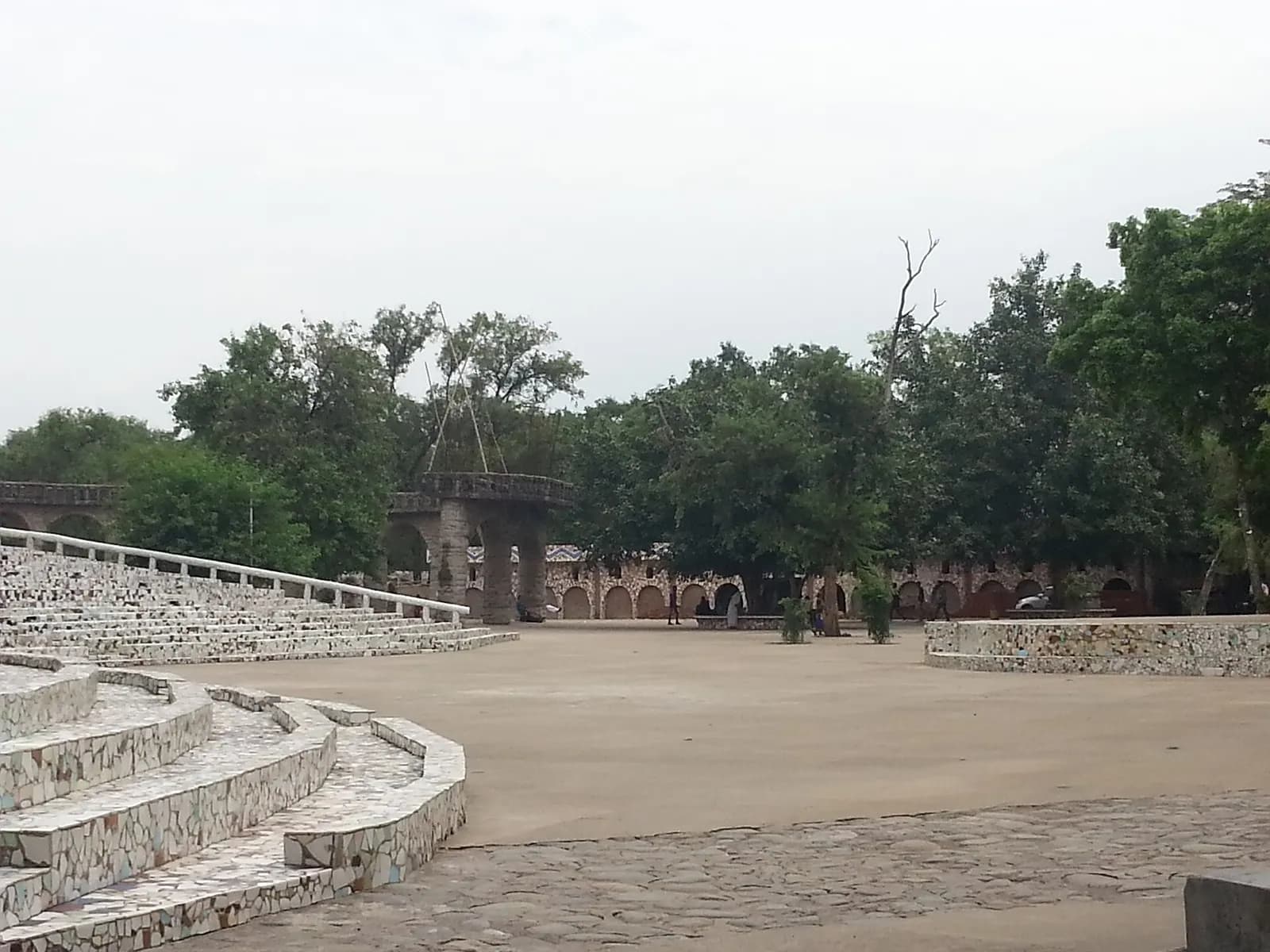
Nehru wanted a capital for a partitioned Punjab that was unfettered by the traditions of the past, and Le Corbusier, taking over Albert Mayer's first plan in 1951, gave him one: a grid of self-contained sectors, each with its own market and park, a green belt running through the middle, and at the head of it all the Capitol Complex, three concrete monuments to the state, the High Court, the Secretariat and the Legislative Assembly, with the Open Hand turning in the wind. It became a World Heritage Site in 2016 and is visited on guided tours that start from the Tourist Centre in Sector 1. But Chandigarh's other founding figure was Nek Chand, a roads inspector who, from 1957, secretly built a garden of figures out of broken bangles, tiles and porcelain in a forest gorge; when it was discovered in 1975 it was too loved to demolish, and the Rock Garden now covers 40 acres of waterfalls, courtyards and thousands of dancing figures.
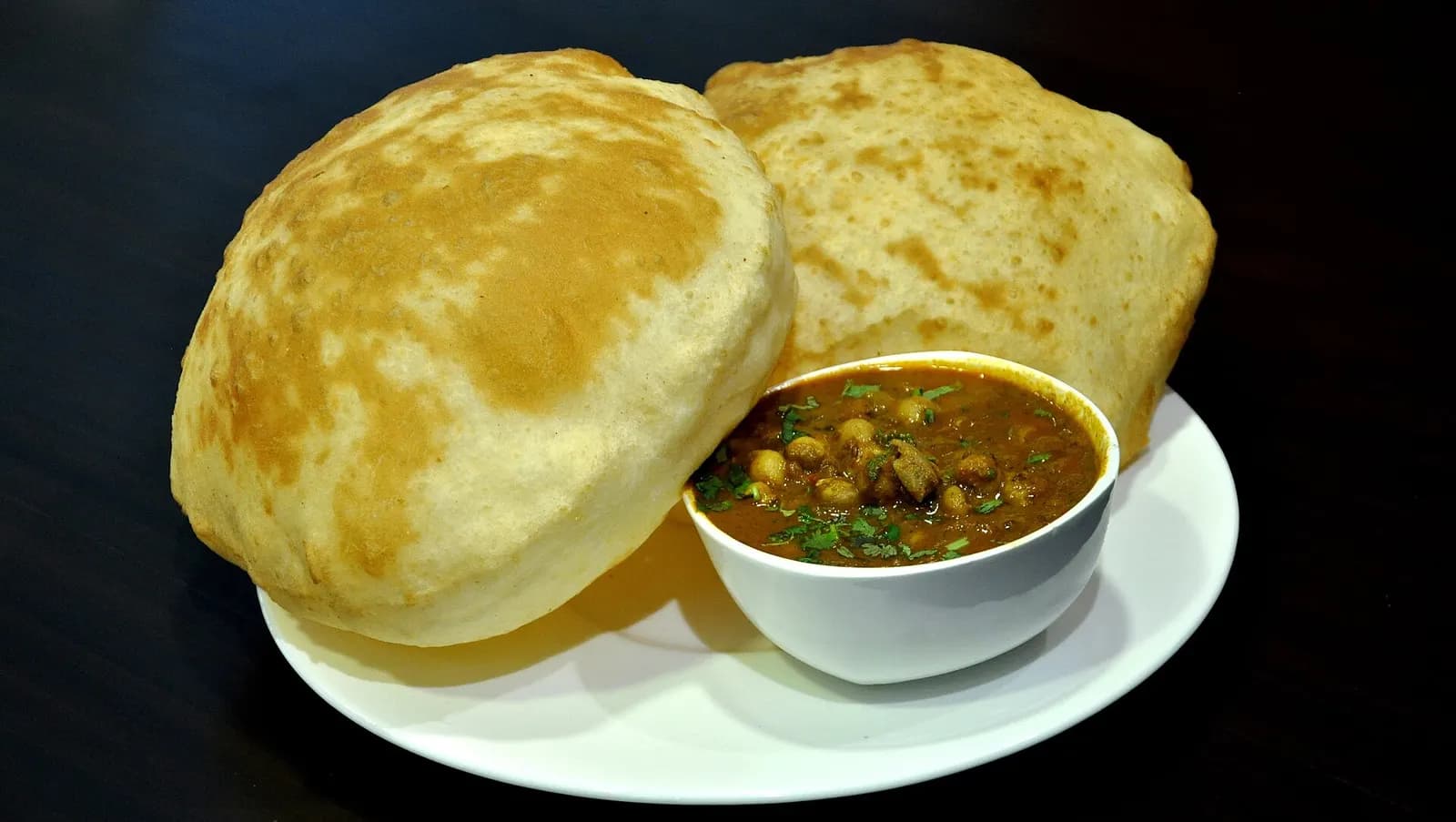
Sukhna Lake next door is where the city walks at dusk, with rowing boats and a promenade below the Shivalik hills. Add the Rose Garden in February, the Government Museum with its Gandhara sculptures, the Le Corbusier Centre in his old office, and Sector 17's plaza for an evening. The food is Punjabi and generous: chole bhature, butter chicken from Pal Dhaba, sarson da saag in winter.
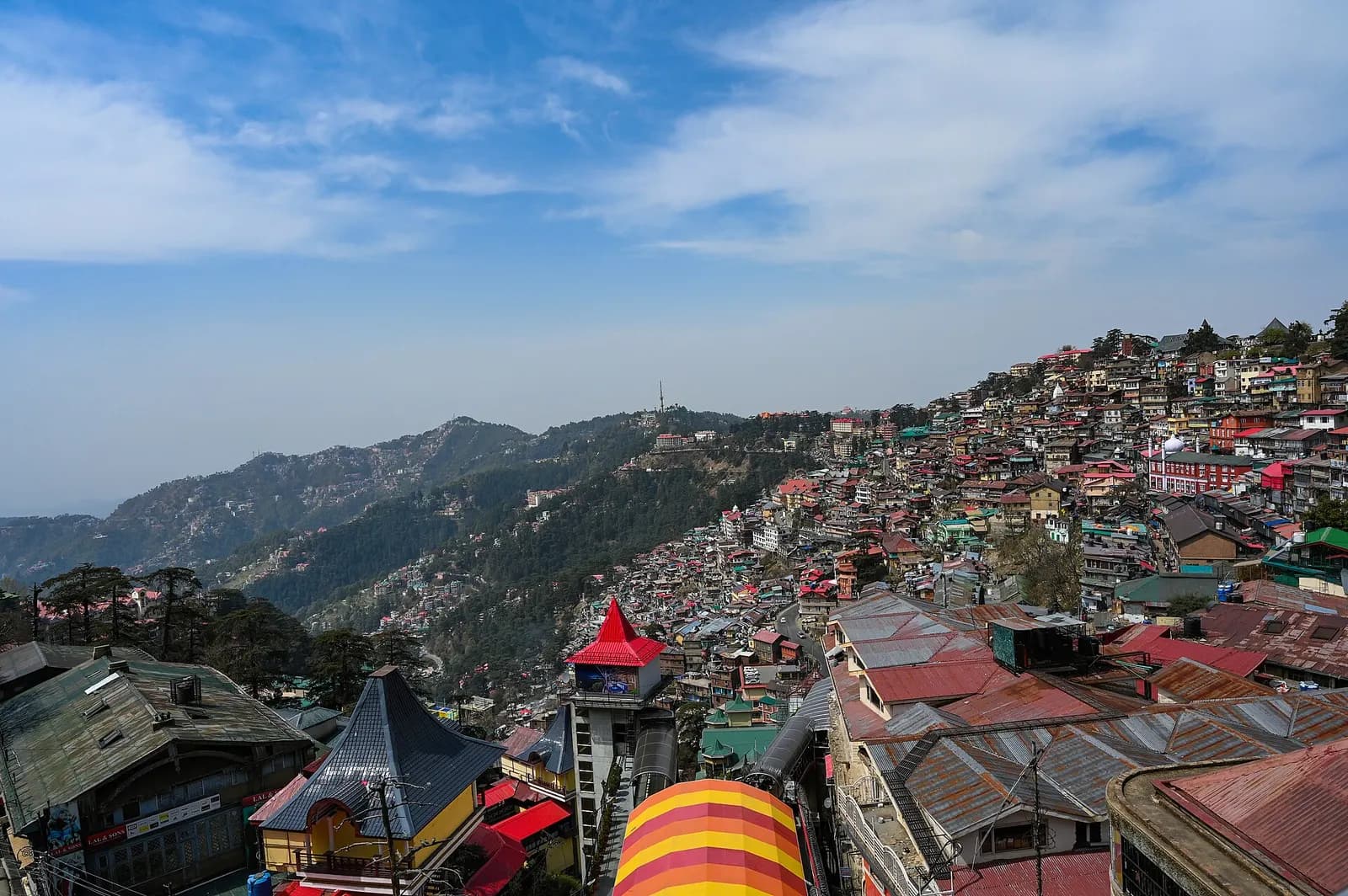
Chandigarh is also the gateway to Shimla, Kasauli and the Himalaya beyond.
 Vegetarian