Dharamshala was a British cantonment named for a pilgrims' rest house and half-forgotten after the 1905 Kangra earthquake. In 1960 the fourteenth Dalai Lama accepted Nehru's offer of McLeod Ganj as a home for the Tibetan government in exile, and the upper town became Little Lhasa. The Tsuglagkhang complex holds the Dalai Lama's residence, the Namgyal Monastery and a Tibet Museum that tells the exile story plainly.
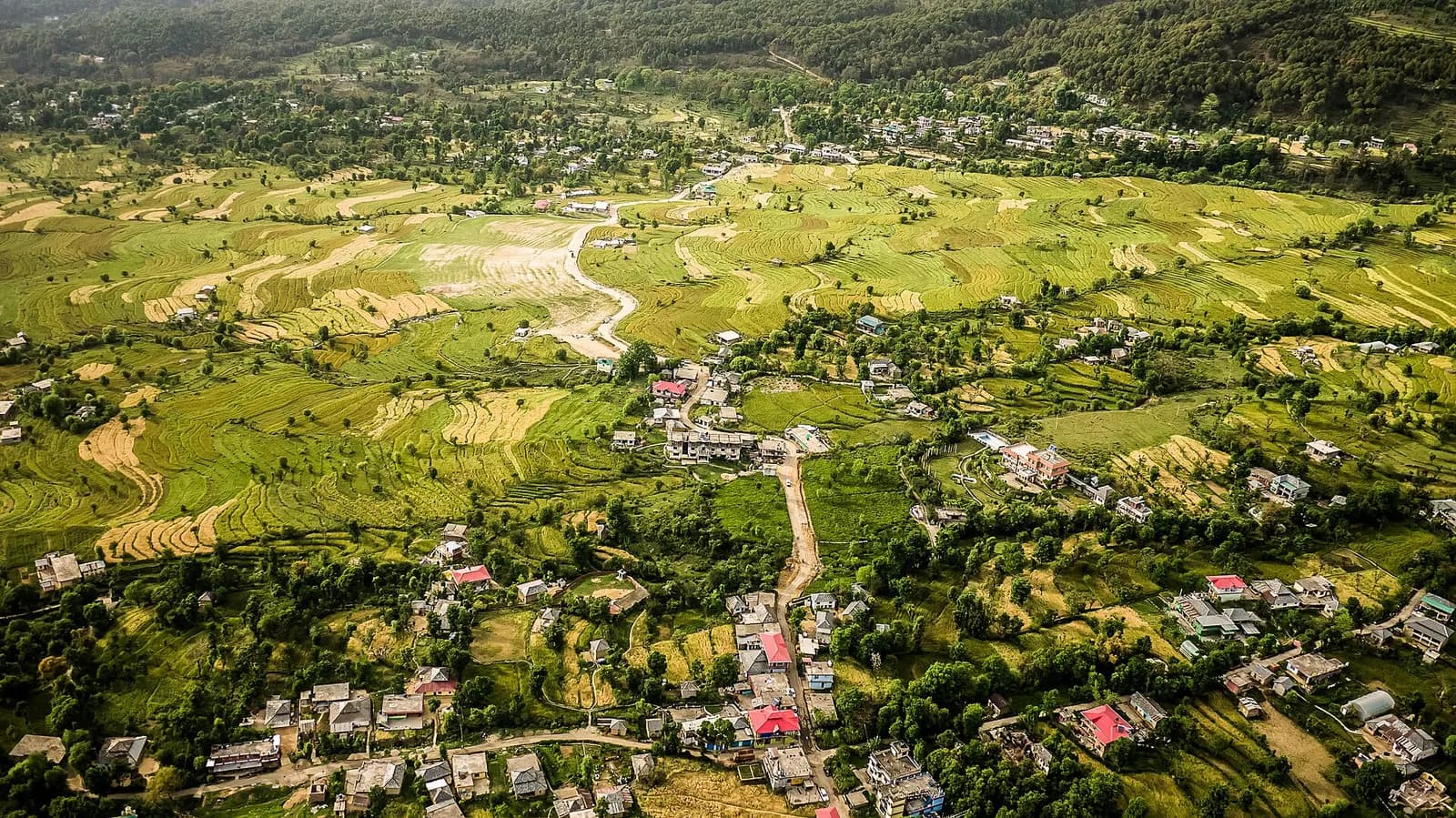
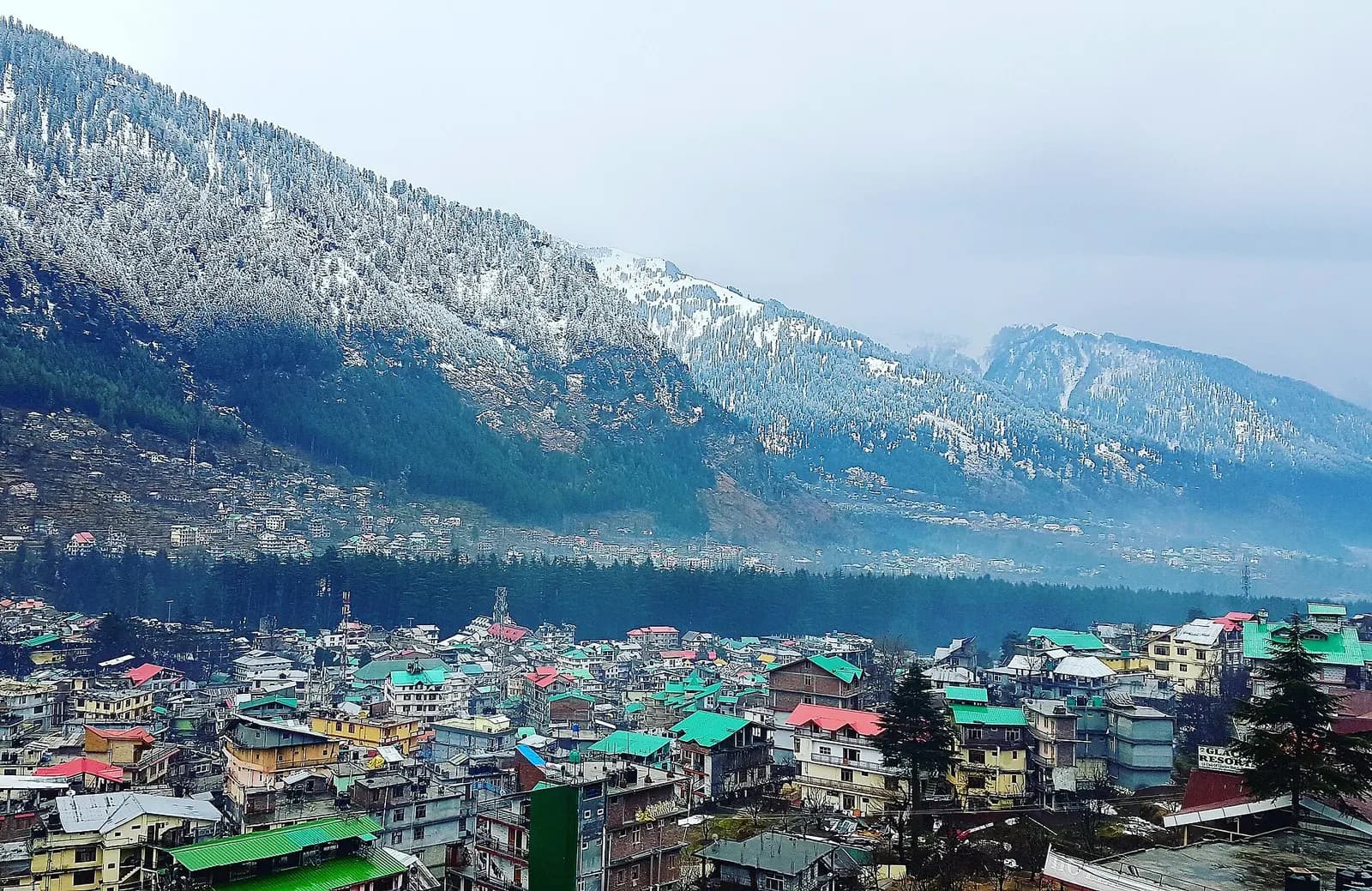
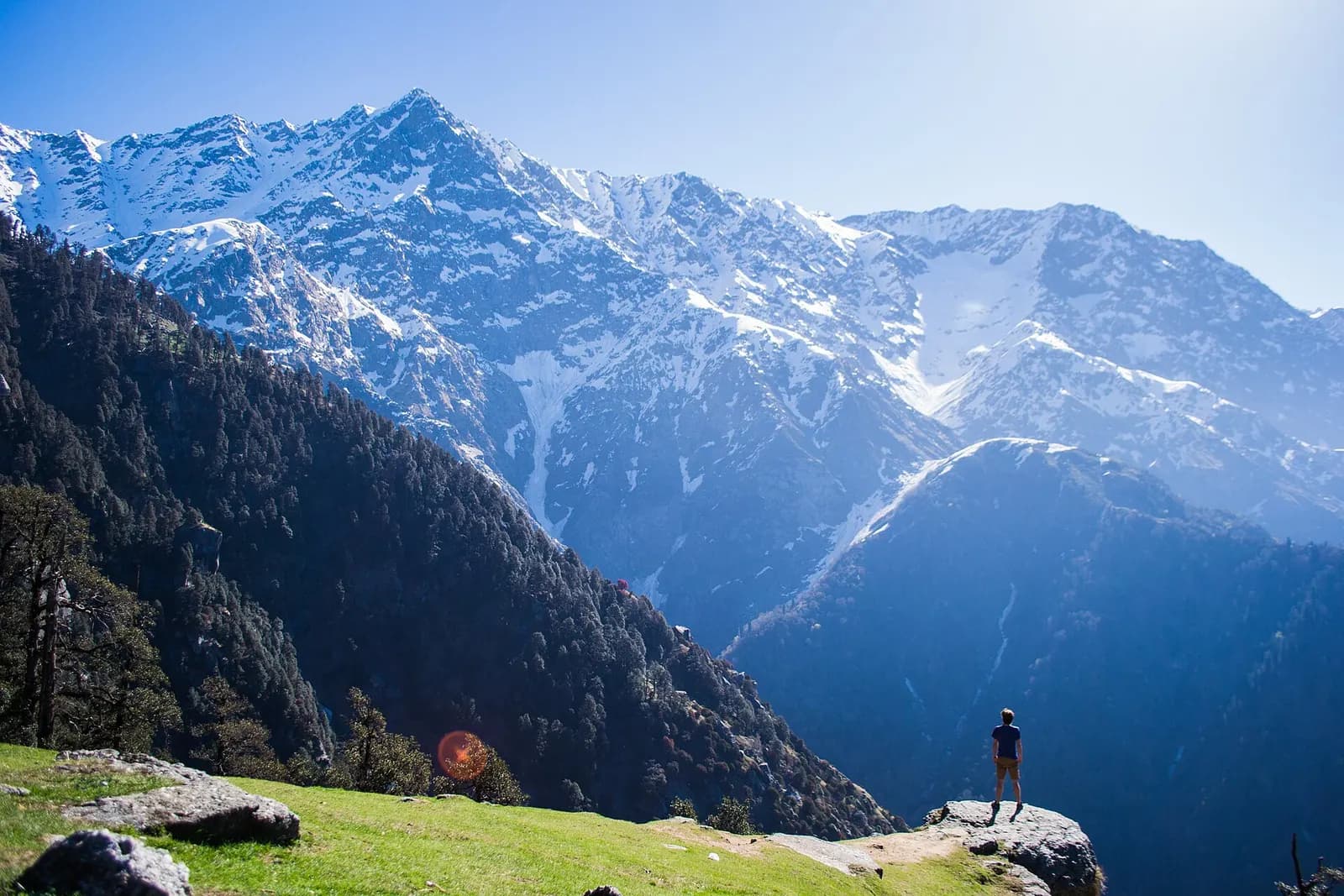
Mornings here begin with maroon-robed monks circling the kora path with prayer beads, cafes serving butter tea and tsampa, and the Dhauladhar range, a granite curtain topping 4,500 m, rising straight above the roofs. From Dharamkot or Bhagsu you walk to the Bhagsu Nag temple and waterfall, then up to Triund at 2,828 m, a meadow-ridge where the whole Kangra valley falls away on one side and the snow peaks stand on the other. Lower Dharamshala has the HPCA stadium, where the Dhauladhar stands over the boundary, and the road to Kangra Fort, one of the oldest forts in India.
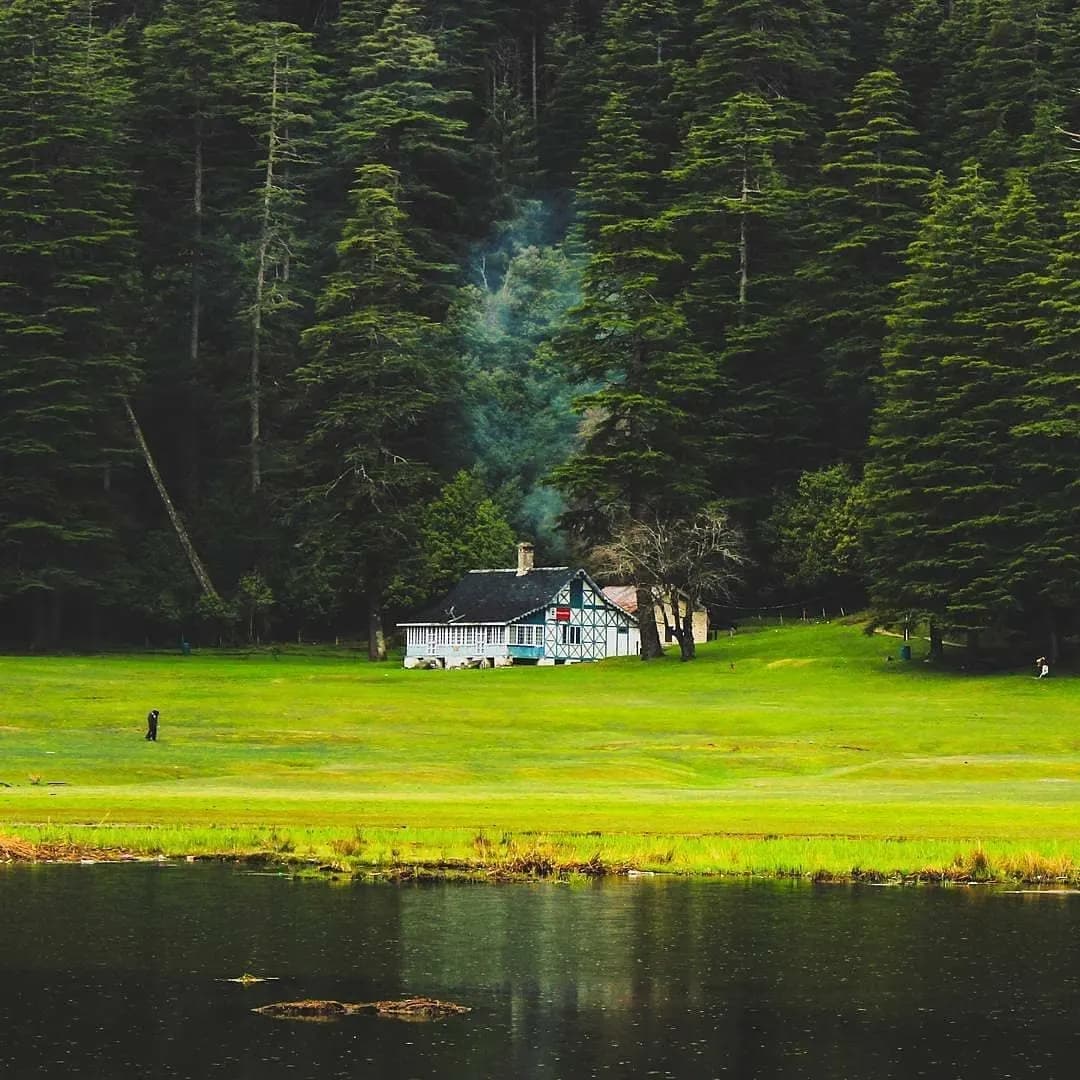
The Norbulingka Institute at Sidhpur keeps thangka painting, wood carving and appliqué alive. St. John in the Wilderness, a neo-Gothic church of 1852 in a deodar forest, holds Lord Elgin's grave.
Losar, the Tibetan new year in February or March, and the Dalai Lama's public teachings, announced on his website, are the times to plan around.
 Drink
Drink