DEVGAMAN

North India · Wildlife

Ranthambore

Tiger country of dry forest, lakes and a tenth-century fort
26.02° N · 76.50° E

Best months to be here

  • January — a best month
  • February — a best month
  • March — a best month
  • April — a best month
  • May — a best month
  • June
  • July
  • August
  • September
  • October — a best month
  • November — a best month
  • December — a best month

Best: Oct–May

At a glance

Region
North India
Kind of place
Wildlife · Medieval
Ideal stay
3 days
Coordinates
26.02° N, 76.50° E

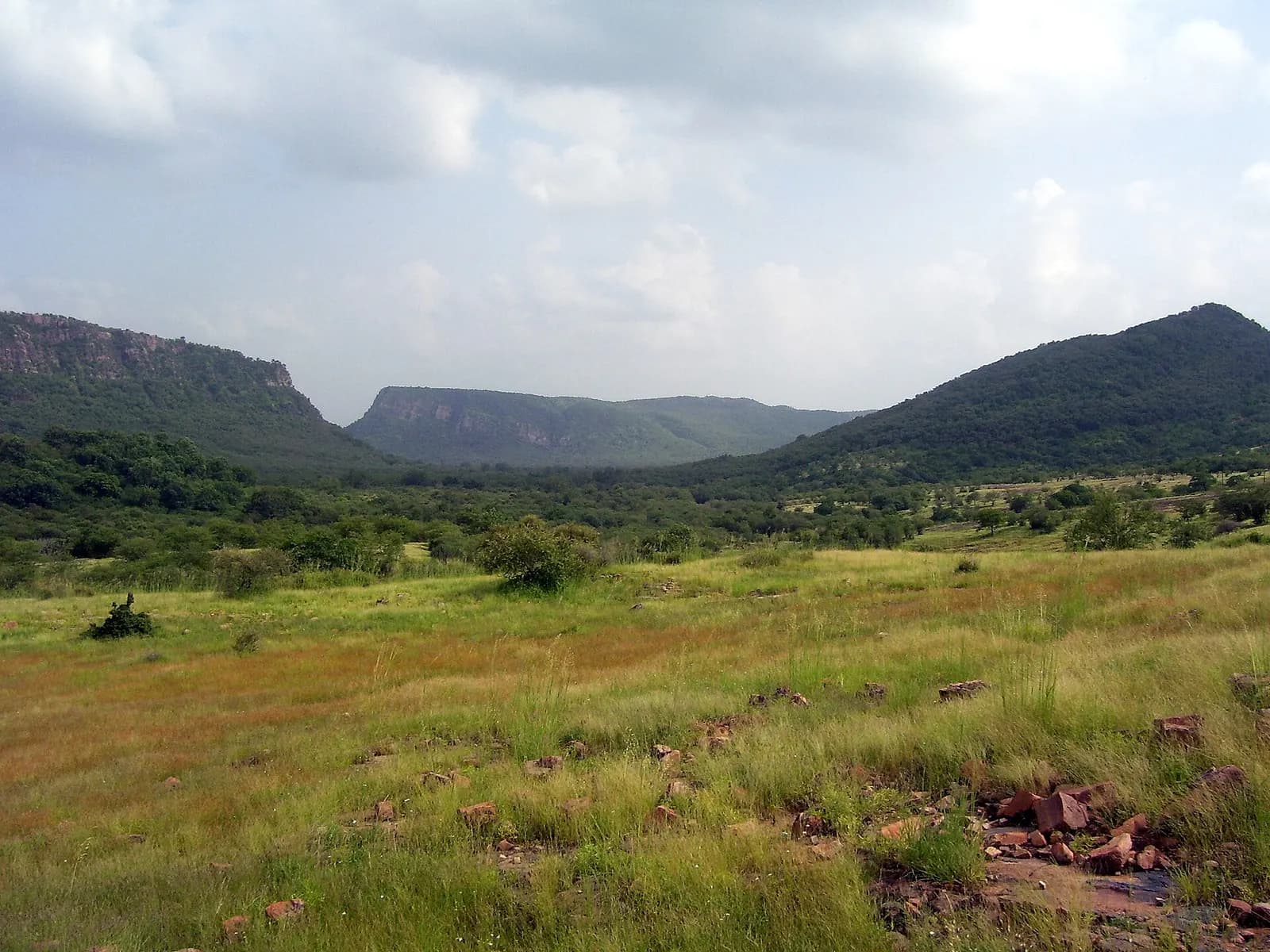
Ranthambore was the hunting preserve of the Jaipur maharajas, and the tigers here grew up around people, so they are unusually visible: a tigress may walk straight down a jeep track past Padam Talao and the Jogi Mahal banyan without breaking stride. The reserve covers 1,334 square kilometres of dhok forest, ravines and three lakes, with a 392 square kilometre core divided into ten zones; zones one to five surround the lakes and the fort, and six to ten stretch into the buffer. Morning safaris leave at first light, afternoon ones around 2.30, in open six-seat gypsies or twenty-seat canters, with the park's famous tigress Machli, who died in 2016, still the reference point for every guide.

Between drives, walk up to Ranthambore Fort, built by the Chauhans in the tenth century and besieged by Alauddin Khilji in 1301; the Trinetra Ganesh temple inside receives wedding invitations by post from across India, and the ramparts give a view over the lakes where sambar wade and crocodiles bask. Leopards, sloth bears, marsh crocodiles and more than 300 bird species share the ground. The town of Sawai Madhopur has the Dastkar craft centre, where women from park-edge villages sell block prints.

Summer, from April to June, is the best season for tigers as they come to water, but it is fierce; winter is comfortable and green.

What not to miss in Ranthambore

  1. Tiger sighting around Padam Talao and Rajbagh Talao
  2. Ranthambore Fort and Trinetra Ganesh temple
  3. Jogi Mahal's giant banyan
  4. Malik Talao's crocodiles and painted storks
  5. Dawn safari in zones 2, 3 or 4
  6. Dastkar Ranthambore craft centre

Best Oct–May

Best time to visit Ranthambore

October to June; sightings peak in the April to June heat, while October to March is comfortable; zones 1 to 5 close July to September.

Give Ranthambore 3 days and it repays the time; with fewer you are choosing between Tiger sighting around Padam Talao and Rajbagh Talao and Ranthambore Fort and Trinetra Ganesh temple. We build the hours around the weather — early starts when it is hot, long afternoons when it is not.

  • Ideal stay — 3 days
  • Season — Oct–May
  • Festivals — Jaipur Literature Festival
Plan a trip here

On the ground

Things to do in Ranthambore

The days we would actually plan for you, in the order that suits the light.

  • Morning and afternoon jeep safaris across at least three zones
  • Guided climb to Ranthambore Fort with its Jain and Hindu shrines
  • Birding at Surwal Lake in winter
  • Village walk and block-printing at Dastkar
  • Night sky watching from a lodge on the buffer edge

At the table

What to eat in Ranthambore

Getting there

How to reach Ranthambore

Sawai Madhopur Junction, 11 km from the park gates, has trains from Delhi, Jaipur and Mumbai; Jaipur Airport is 180 km by road.

Airport pickups, station transfers and the driver for the days here are all part of what we arrange — including the hour you should leave, which is usually earlier than you think.

Travel tips from our trips

  • Book safaris on the Rajasthan forest department portal well in advance; zones are allotted, and gypsies sell out for winter weekends
  • Carry a government photo ID that matches the booking, or you will be turned away at the gate
  • Wear muted colours and layers; winter mornings are near 5°C in an open jeep
  • Zones 1 to 5 close from 1 July to 30 September; zones 6 to 10 stay open in the monsoon
  • The fort is free to enter and open all year; allow two hours and go on a non-safari afternoon

Next door

Near Ranthambore

Places that join Ranthambore without a long drive — the way a real week is built.

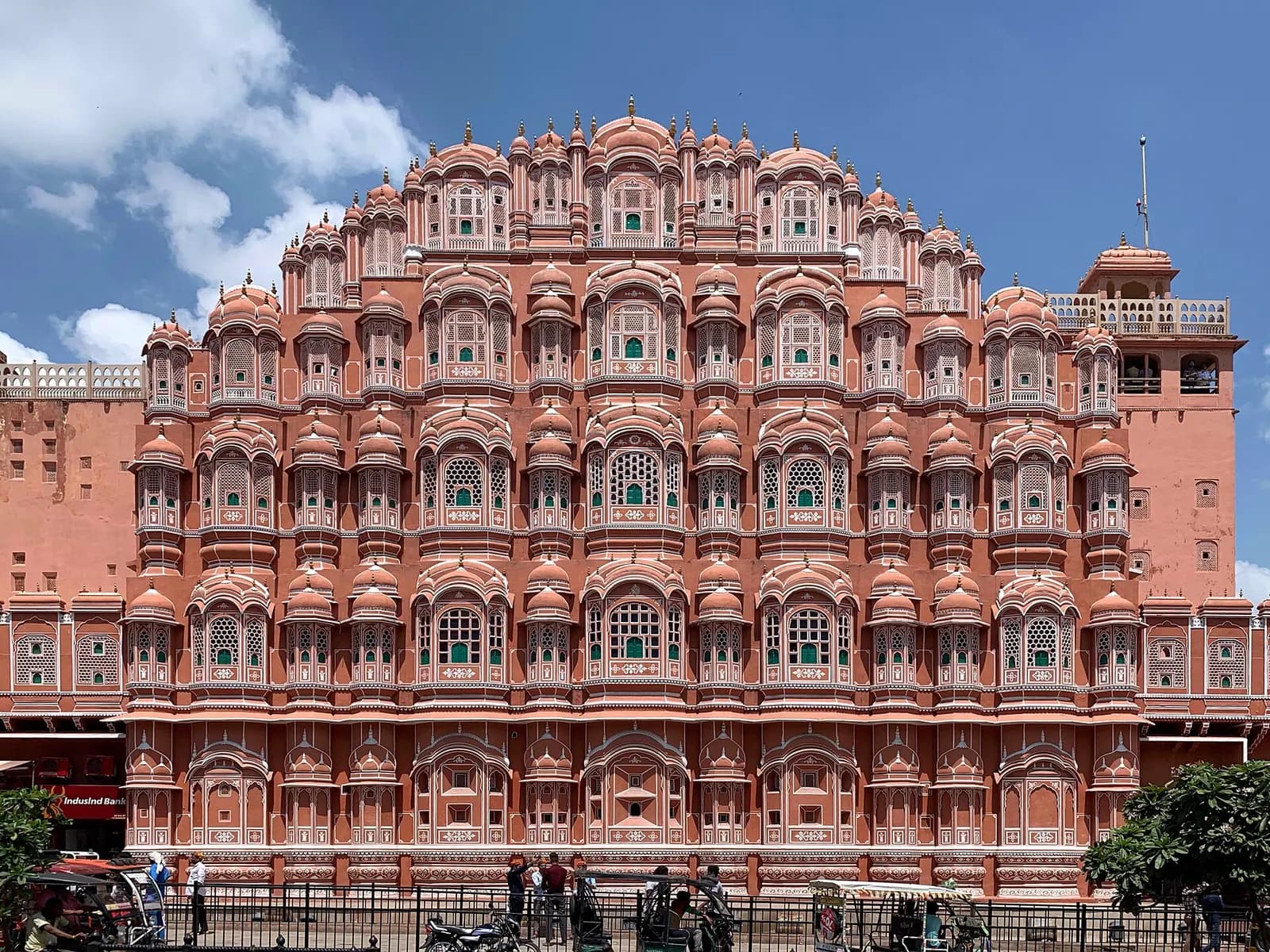
Hawa Mahal, Jaipur's five-storey pink sandstone facade of honeycomb windowsCity
Themes:HeritageCultureFoodPhotography

Rajasthan

Jaipur

Pink-walled planned city of astronomers, jewellers and Rajput kings
Ideal stay
3 days
Best time
October to March
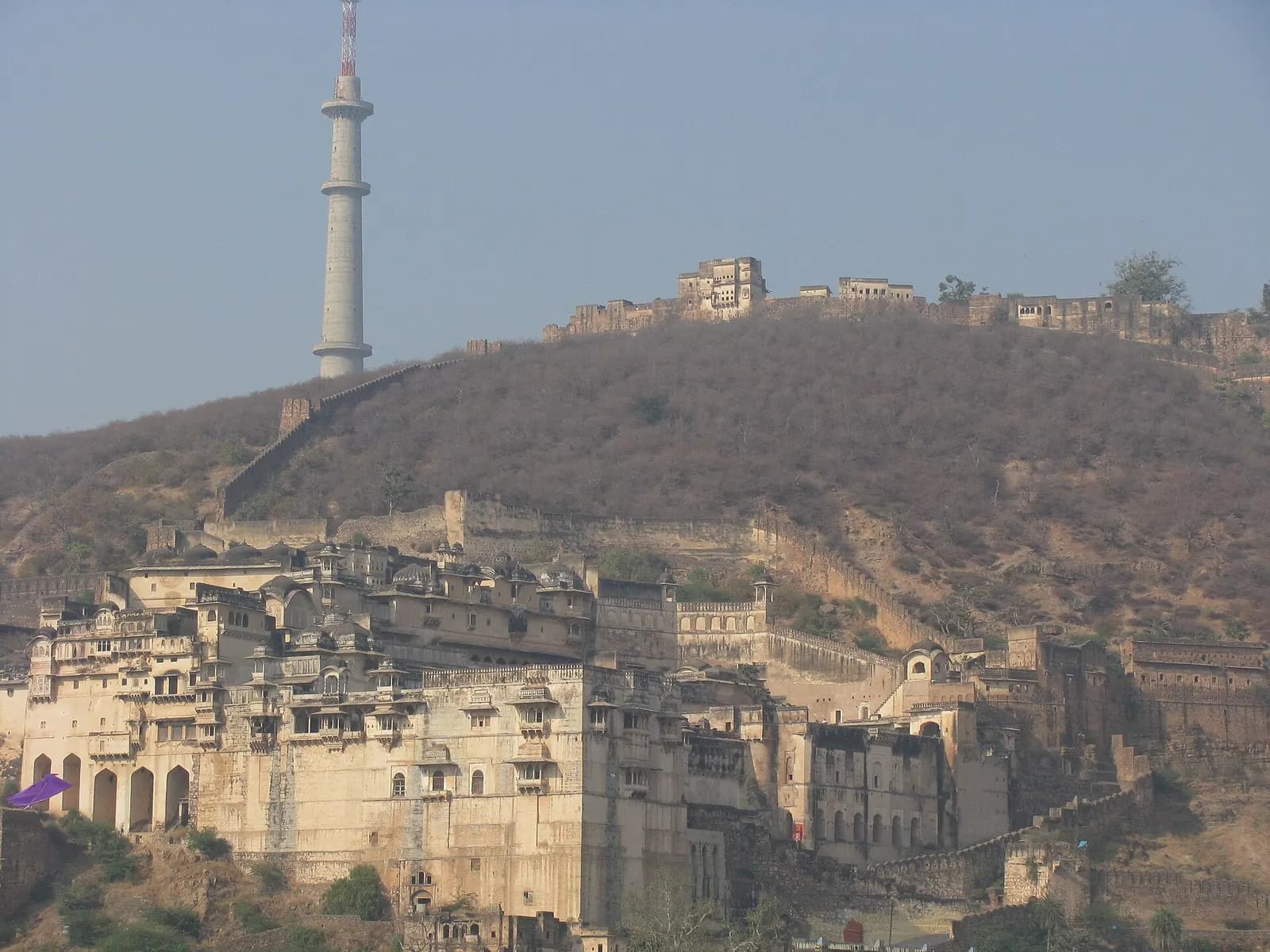
Taragarh Fort and the Garh Palace rising above Bundi's blue-washed old townHeritage
Themes:HeritageOffbeatCulturePhotography

Rajasthan

Bundi

Stepwells, painted palaces and blue lanes below Taragarh Fort
Ideal stay
2 days
Best time
October to March; Bundi Utsav falls in November
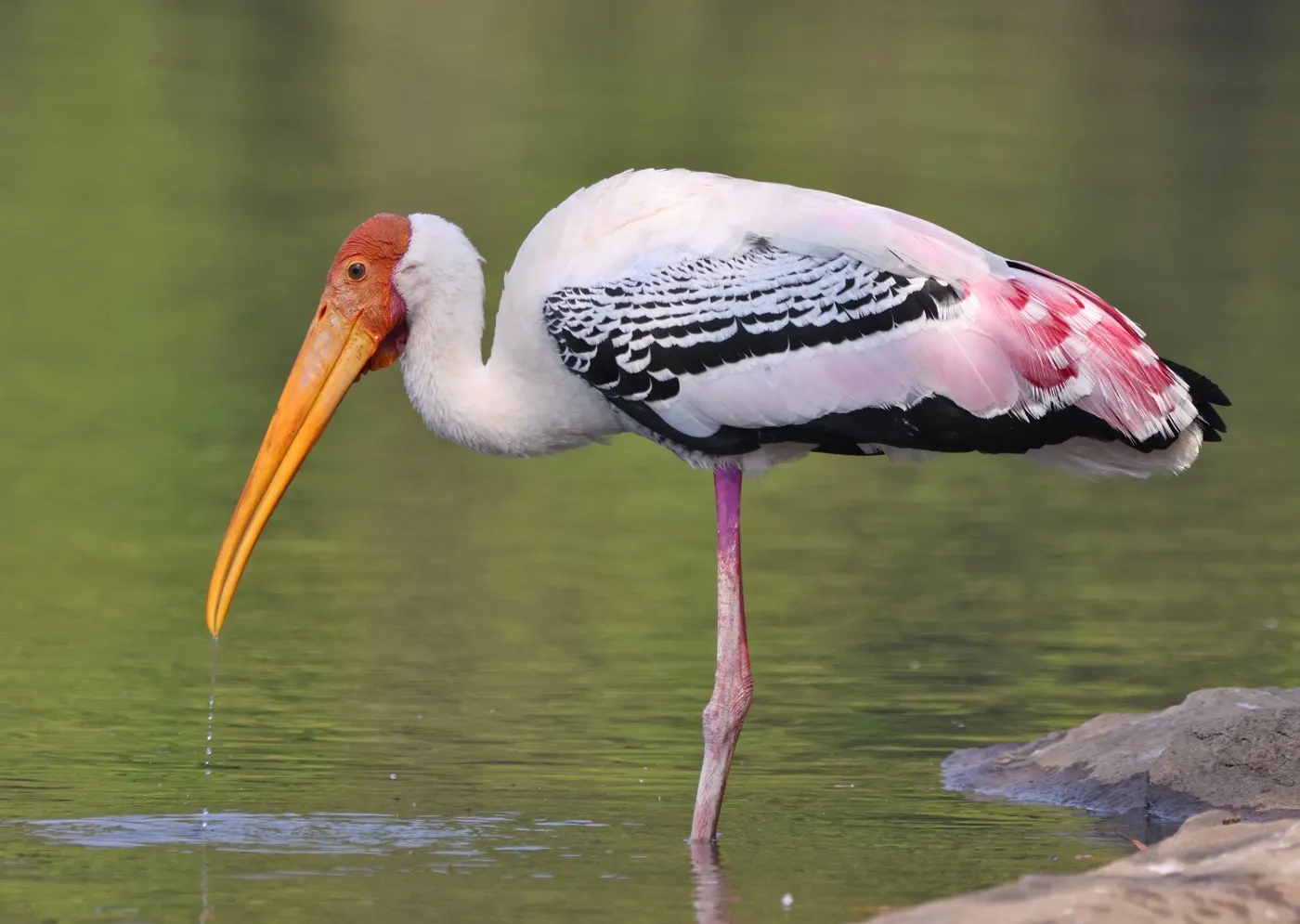
A painted stork, the bird that fills Keoladeo's monsoon heronries at BharatpurWildlife
Themes:WildlifeNaturePhotographyFamily

Rajasthan

Bharatpur & Keoladeo

Wetland of painted storks, sarus cranes and a Jat iron fort

Ideal stay
2 days
Best time
October to February for migratory birds; August to October for nesting; water levels depend on the monsoon
The Taj Mahal in Agra seen across its garden and long reflecting poolHeritage
Themes:HeritageRomancePhotographyFood

Uttar Pradesh

Agra

The Taj at dawn, and a city that outlives it

Ideal stay
2 days
Best time
October to March; the Taj is closed on Fridays and open on five nights around each full moon.

From the journal

Reading on Ranthambore

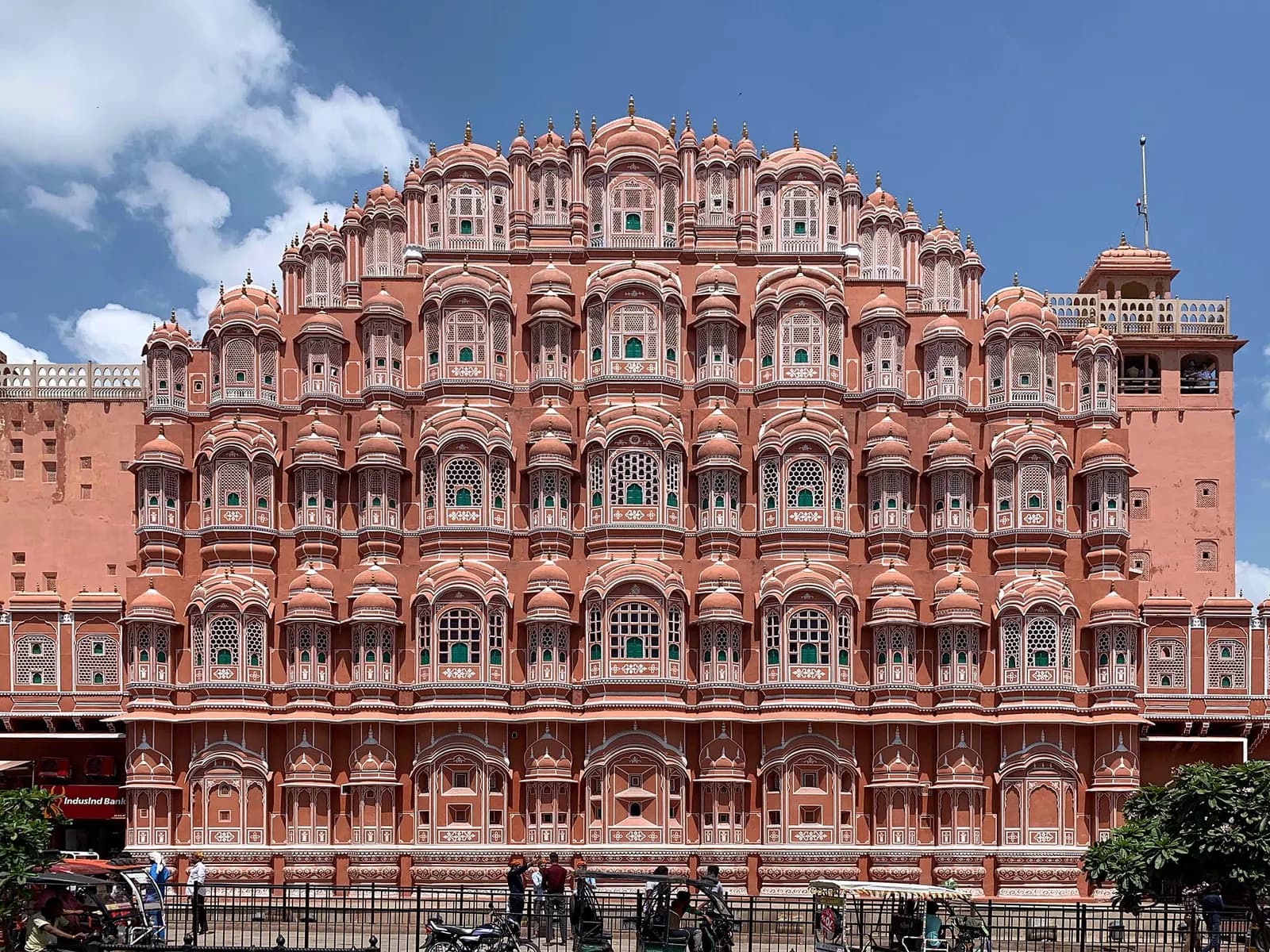
The pink sandstone facade and latticed windows of Hawa Mahal in Jaipur

· Guide · 6 min

Jaipur City Guide: How to See the Pink City Properly

DEVGAMAN is based in Jaipur, so this is the guide we give friends: the order to do the forts in, which bazaar sells what, the kachori and lassi worth queueing for, and the half-day drives most visitors never hear about.

The white marble Taj Mahal in Agra seen across its reflecting watercourse

· Itinerary · 5 min

Golden Triangle Itinerary: 6 Days in Delhi, Agra, Jaipur

A day-by-day plan for Delhi, Agra and Jaipur that fixes the two mistakes most first trips make: too little time in Delhi and too much time on the Agra to Jaipur road. Includes ticket prices, closing days and drive times.

Before you ask

Questions we are asked about Ranthambore

When is the best time to visit Ranthambore?
October to June; sightings peak in the April to June heat, while October to March is comfortable; zones 1 to 5 close July to September. On the calendar that is Oct–May. We build Ranthambore into a journey inside that window wherever we can; when your dates are fixed outside it, we re-plan the hours of the day around the weather rather than talk you out of the trip.
How many days do you need in Ranthambore?
We plan 3 days in Ranthambore. That is enough for Tiger sighting around Padam Talao and Rajbagh Talao, Ranthambore Fort and Trinetra Ganesh temple and Jogi Mahal's giant banyan, at a pace that still leaves room for a long lunch. Add a day if you are continuing to Jaipur and Bundi.
How do you reach Ranthambore?
Sawai Madhopur Junction, 11 km from the park gates, has trains from Delhi, Jaipur and Mumbai; Jaipur Airport is 180 km by road. We arrange the transfer and the driver as part of the journey, so you are met on arrival instead of negotiating a taxi at the gate, and the timings are set around when Ranthambore is at its best rather than around the clock.
What is Ranthambore famous for?
Ranthambore is a wildlife park in Rajasthan, North India, best known for Tiger sighting around Padam Talao and Rajbagh Talao, Ranthambore Fort and Trinetra Ganesh temple and Jogi Mahal's giant banyan. Travellers come for wildlife, nature, photography and adventure, and most give it 3 days.
Is Ranthambore good for families?
Ranthambore is planned more often for wildlife, nature, photography and adventure than as a family stop, but it works well at a slower pace. 3 days, an early start and one unhurried afternoon is the shape we would suggest, inside the Oct–May window. Tell us who is travelling and we will pace it around them.

Photograph of Ranthambore: THerrington · CC BY-SA 3.0

All destinations

Ranthambore, planned by hand

Shall we begin?

चलिए, शुरू करते हैं

Tell us how many days you have. We will build Ranthambore into a journey that suits them.