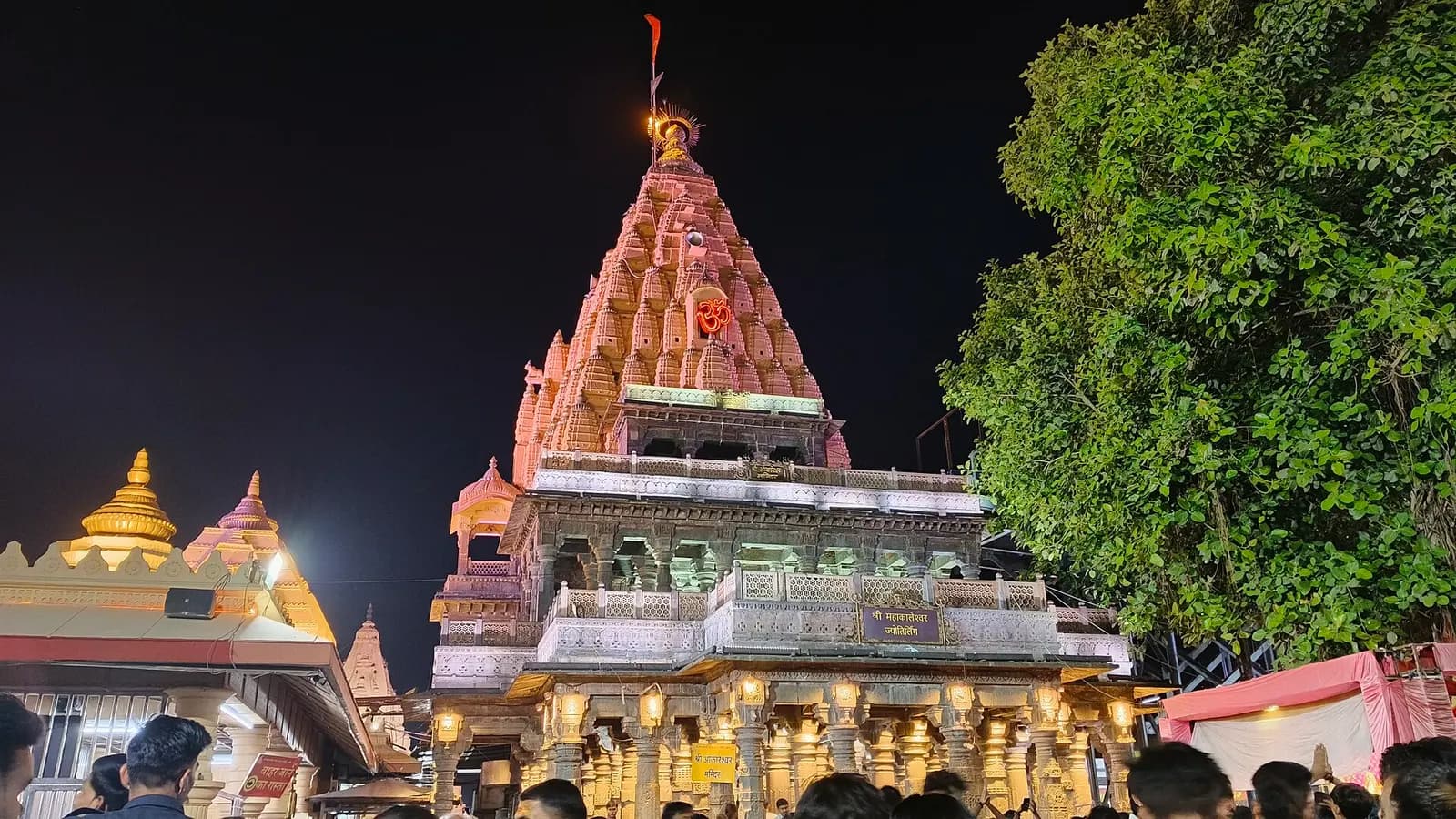
Ujjain was Avantika, capital of the Avanti kingdom in the 6th century BCE, a trading city on the road from the Ganga plain to the western ports, the place where Ashoka served as Mauryan viceroy, where Vikramaditya's court and Kalidasa's Meghaduta belong, and where Hindu astronomers fixed their prime meridian. Its pull today is the Mahakaleshwar temple, one of the twelve Jyotirlingas and the only one that faces south, associated with time and death. The Bhasma Aarti begins around 4 am: the lingam is bathed, dressed and smeared with sacred ash to drums, conches and chanting, with pilgrims watching from the Nandi hall.
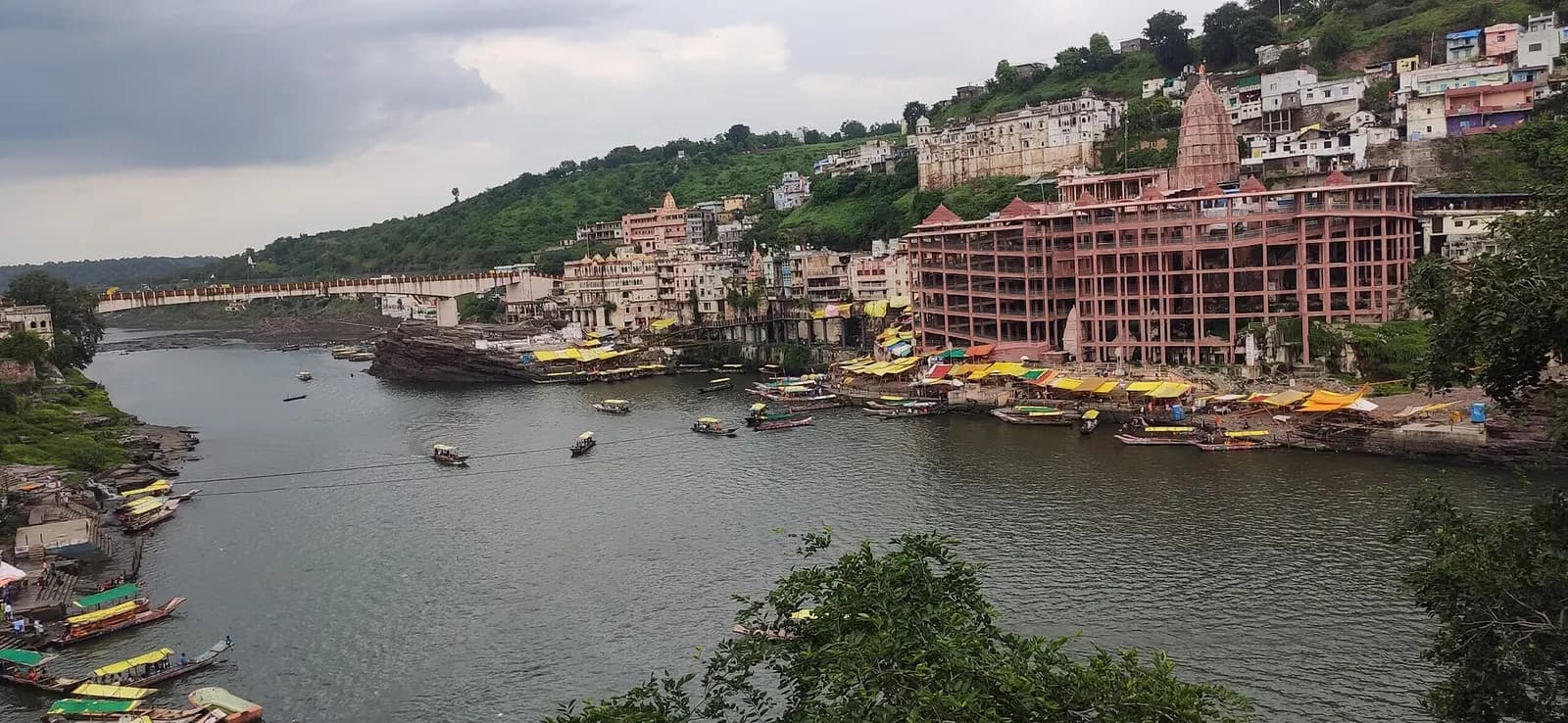
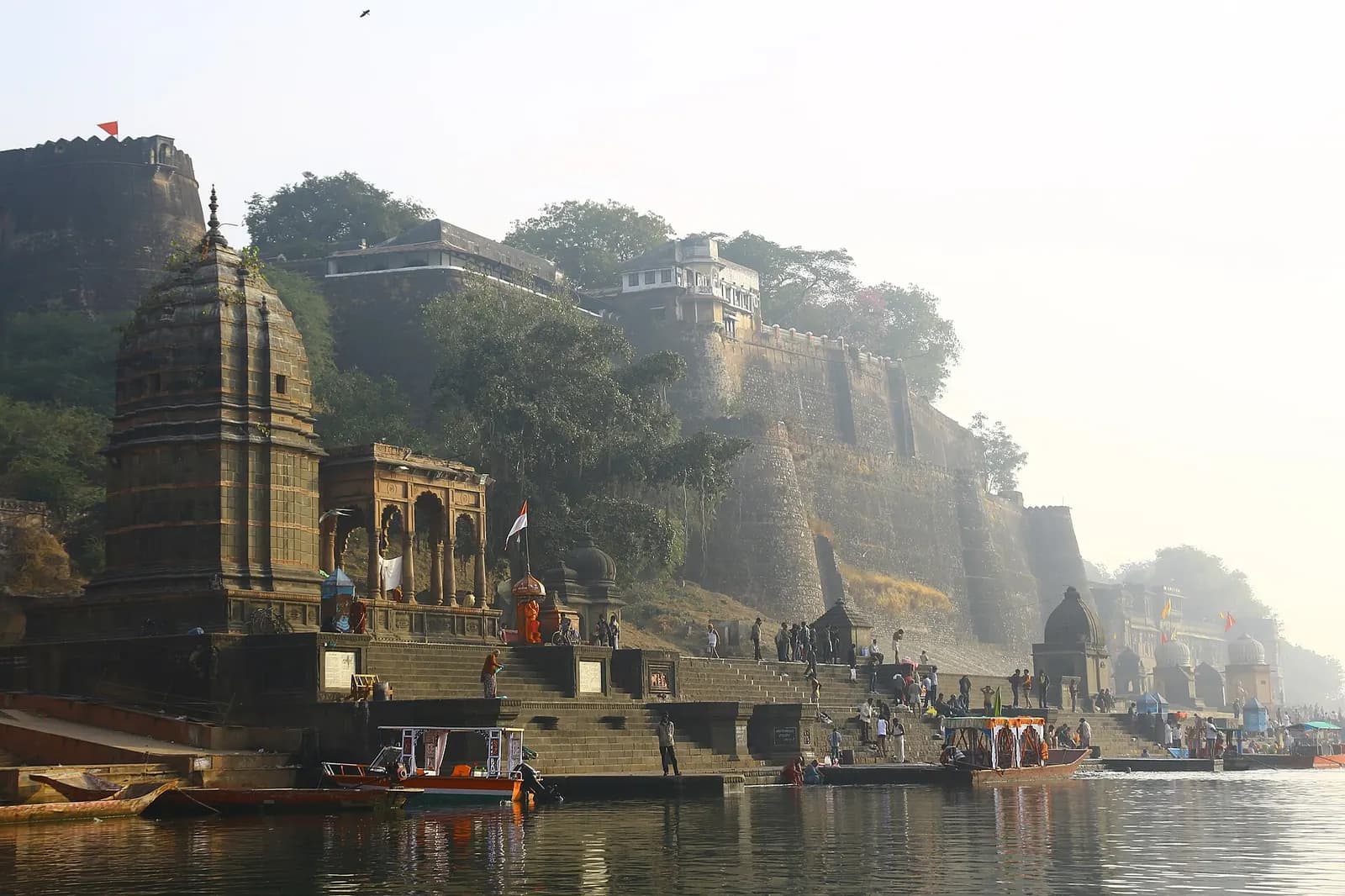
Registration is online or at the counter a day ahead, men must wear a dhoti with bare chest and women a sari. The Mahakal Lok corridor, opened in 2022, links the temple to the Rudra Sagar lake with a walk of sculpted Shiva stories. Beyond it, Ujjain is a town of specific devotions: Kal Bhairav, where liquor is offered and the saucer emptied; Harsiddhi's two lamp towers lit with hundreds of wicks at dusk; Ram Ghat on the Kshipra for the evening aarti; Sandipani Ashram where Krishna studied; Bhartrihari's caves; and the Vedh Shala, the observatory Jai Singh II built in the 1720s.
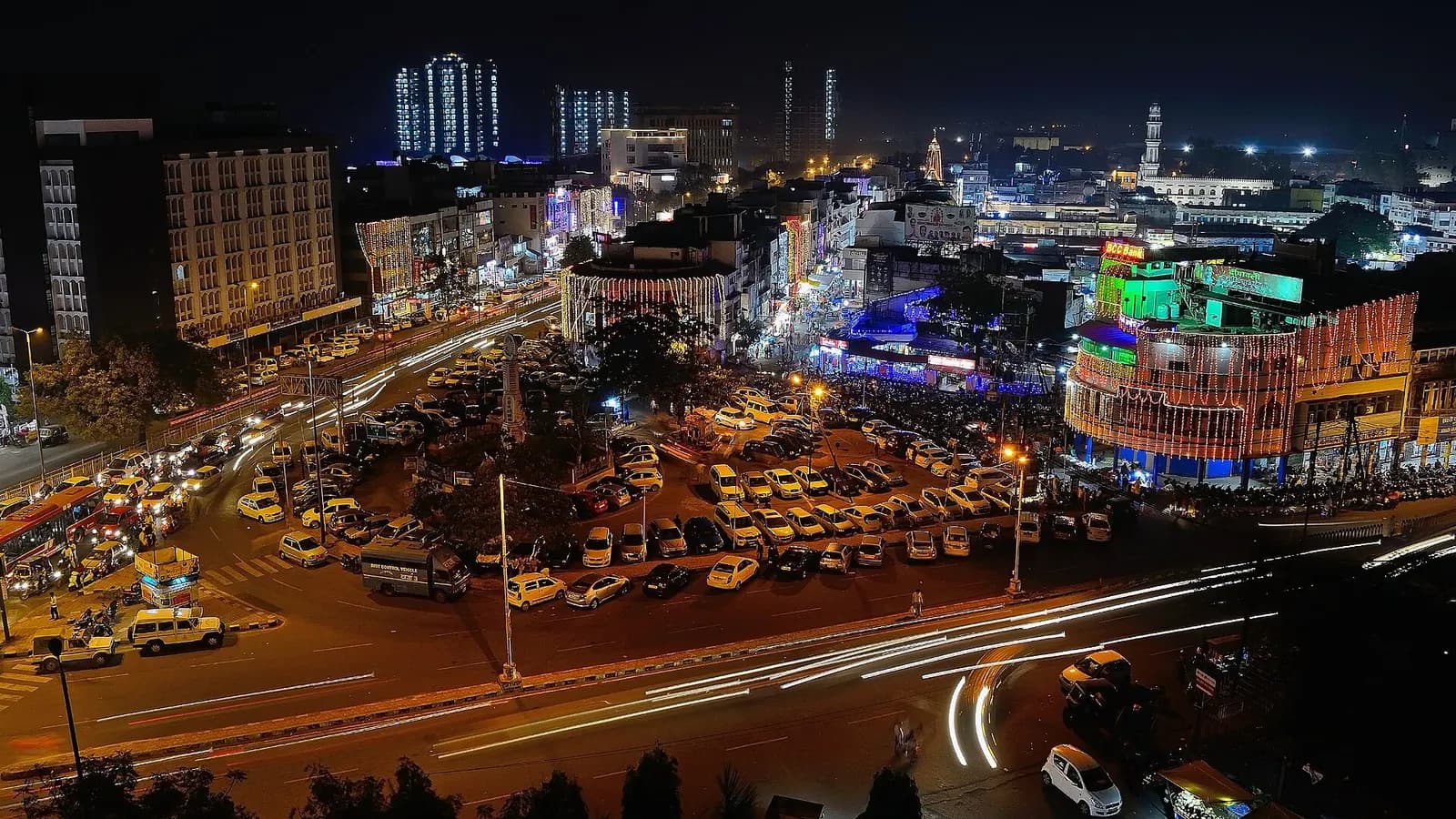
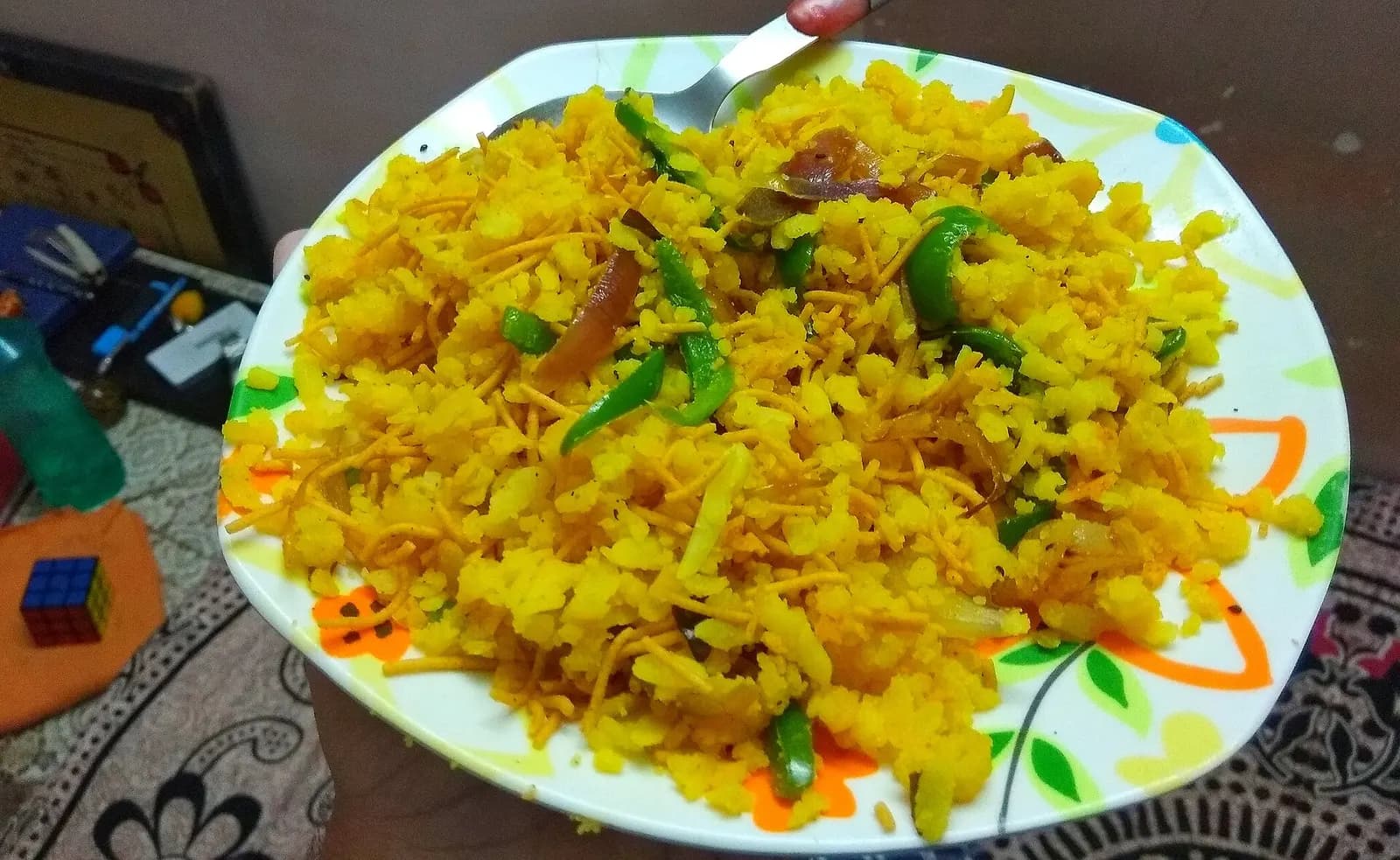
The Simhastha Kumbh comes every twelve years, next in 2028, when millions bathe in the Kshipra. Between temples, eat poha and jalebi in Freeganj and kachori in the old market lanes.
 Street food