DEVGAMAN

Central India · Heritage

Mandu

A monsoon city of ship palaces and Rani Roopmati's pavilion
22.37° N · 75.40° E

Best months to be here

  • January — a best month
  • February — a best month
  • March
  • April
  • May
  • June
  • July — a best month
  • August — a best month
  • September — a best month
  • October — a best month
  • November — a best month
  • December — a best month

Best: Jul–Feb

At a glance

Region
Central India
Kind of place
Heritage · Medieval
Ideal stay
2 days
Altitude
633 m
Coordinates
22.37° N, 75.40° E

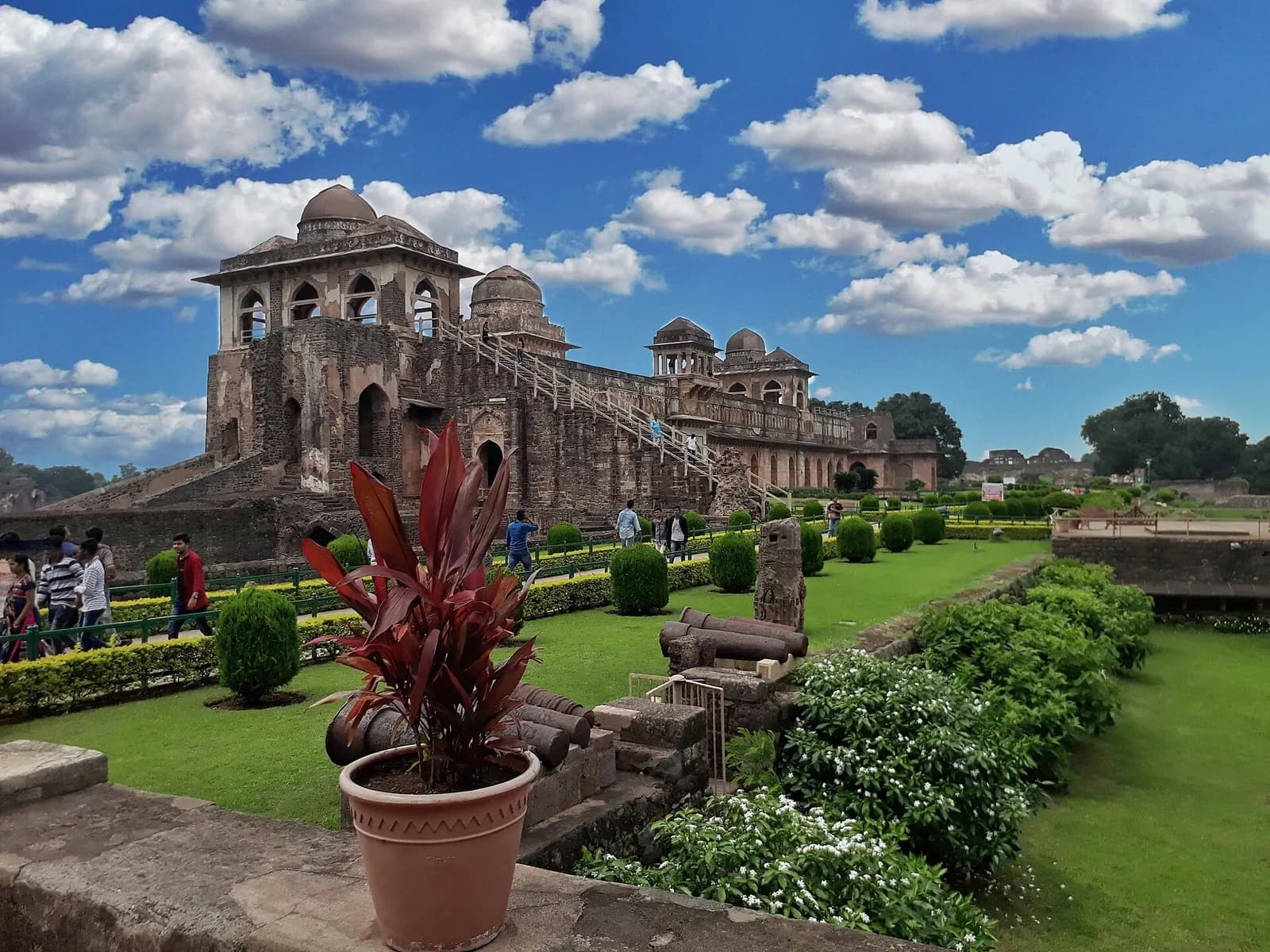
Mandu was a Paramara stronghold that the Delhi Sultanate's governor Dilawar Khan Ghuri made independent in 1401; his son Hoshang Shah moved the Malwa capital here, and under the Khalji sultans, especially the pleasure-loving Ghiyas-ud-din, it became Shadiabad, the city of joy. The plateau is cut off by ravines on every side and entered through the Delhi Darwaza, one of twelve gates. The Royal Enclave holds the Jahaz Mahal, a 120-metre-long palace built narrow between the Munj and Kapur tanks so that in the rains it seems to sail, its roof of domes and pavilions doubled in the water; beside it the Hindola Mahal's sloping buttresses and the Champa Baodi stepwell built for Ghiyas-ud-din's household of thousands.

The Village Group has Hoshang Shah's Tomb, India's first marble mausoleum, whose lattice and dome Shah Jahan's architects studied before the Taj, and the Jami Masjid modelled on the great mosque of Damascus. At the plateau's southern lip, Baz Bahadur's Palace and Roopmati's Pavilion tell Malwa's love story: the sultan who lost his kingdom to Akbar's general Adham Khan and the singer who took poison rather than be captured; from her pavilion you look down to the Narmada glinting on the plain far below. Mandu is at its most beautiful in the monsoon, when the lakes fill and the baobab trees, brought from Africa centuries ago, come into leaf; their sour fruit, Mandu ki imli, is sold at every gate.

What not to miss in Mandu

  1. Jahaz Mahal between the Munj and Kapur tanks
  2. Hoshang Shah's Tomb
  3. Roopmati's Pavilion at sunset
  4. Jami Masjid and Ashrafi Mahal
  5. Hindola Mahal and Champa Baodi
  6. Rewa Kund and Baz Bahadur's Palace

Best Jul–Feb

Best time to visit Mandu

July to September for the monsoon; October to February for cool, clear days.

Give Mandu 2 days and it repays the time; with fewer you are choosing between Jahaz Mahal between the Munj and Kapur tanks and Hoshang Shah's Tomb. We build the hours around the weather — early starts when it is hot, long afternoons when it is not.

  • Ideal stay — 2 days
  • Season — Jul–Feb
Plan a trip here

On the ground

Things to do in Mandu

The days we would actually plan for you, in the order that suits the light.

  • Cycle the plateau between the Royal Enclave, Village Group and Rewa Kund group
  • Monsoon walk to Nilkanth Mahal in its ravine
  • Evening light and sound show at Jahaz Mahal
  • Taste Mandu ki imli (baobab) sherbet and chutney
  • Sunset at Roopmati's Pavilion

At the table

What to eat in Mandu

  • Mandu ki imli (baobab) sherbet
  • Dal bafla
  • Bhutte ka kees
  • Poha
  • Malwa kadhi with bafla

Getting there

How to reach Mandu

Indore Airport is about 100 km (2.5 hours) via Dhar; Indore and Ratlam are the railheads, and Dhar town is 35 km away.

Airport pickups, station transfers and the driver for the days here are all part of what we arrange — including the hour you should leave, which is usually earlier than you think.

Travel tips from our trips

  • Monuments open sunrise to sunset; the ASI ticket covers the Royal Enclave, Hoshang Shah's Tomb and the Rewa Kund group
  • The Mandu Festival over the New Year weekend brings hot-air balloons and music; hotels fill fast
  • The plateau is 20 sq km; hire a bicycle, e-rickshaw or car, as the monument groups are 3 to 5 km apart
  • Monsoon (July to September) is the classic season; the ghat road can be foggy, so drive slowly
  • Carry cash; card machines and ATMs on the plateau are unreliable

Next door

Near Mandu

Places that join Mandu without a long drive — the way a real week is built.

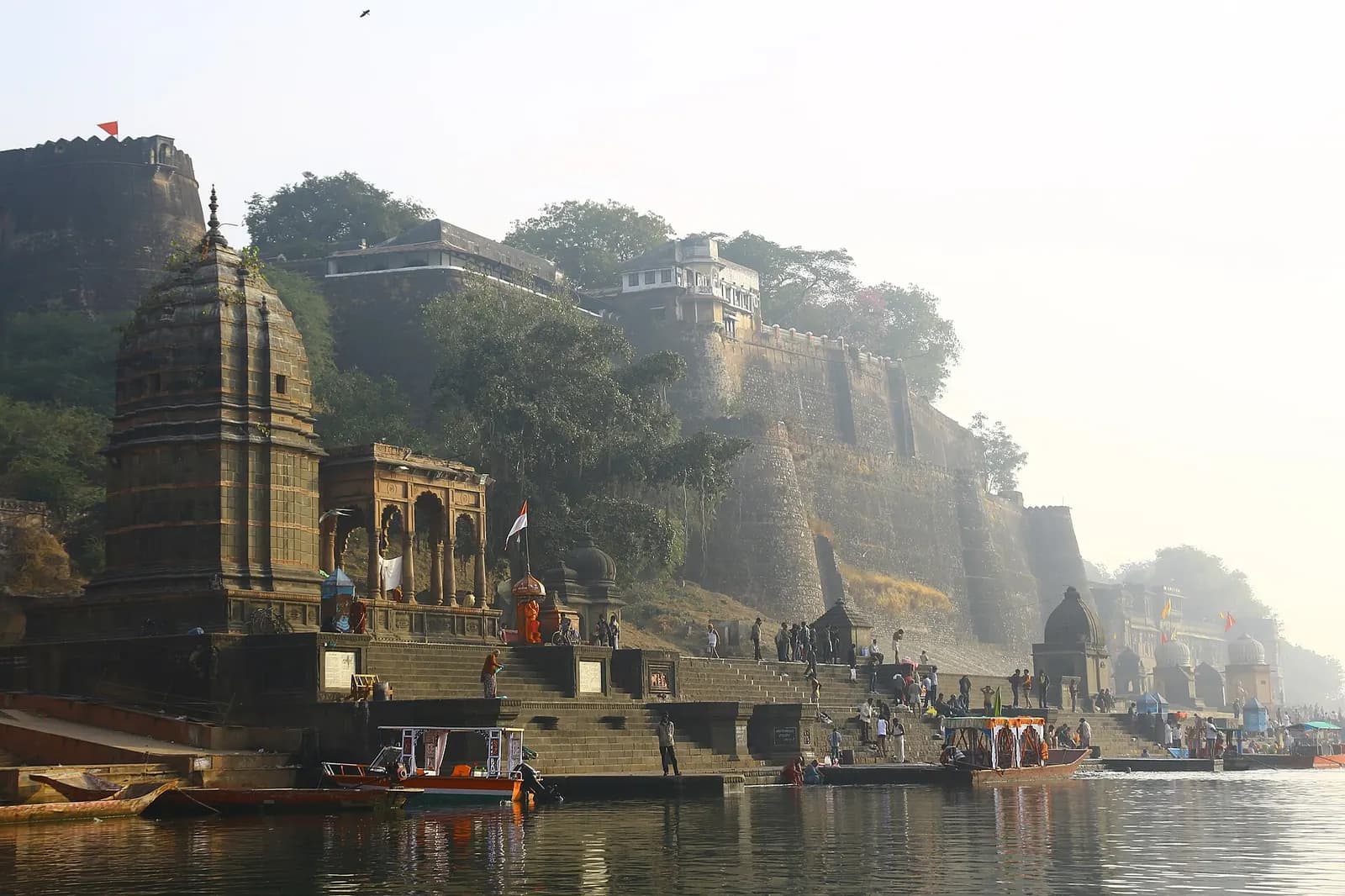
The ghats and fort walls of Maheshwar rising from the Narmada river at duskRiver
Themes:SpiritualCultureRomanceHeritage

Madhya Pradesh

Maheshwar

Ahilyabai's riverside capital of ghats, temples and handwoven sarees
Ideal stay
2 days
Best time
October to March
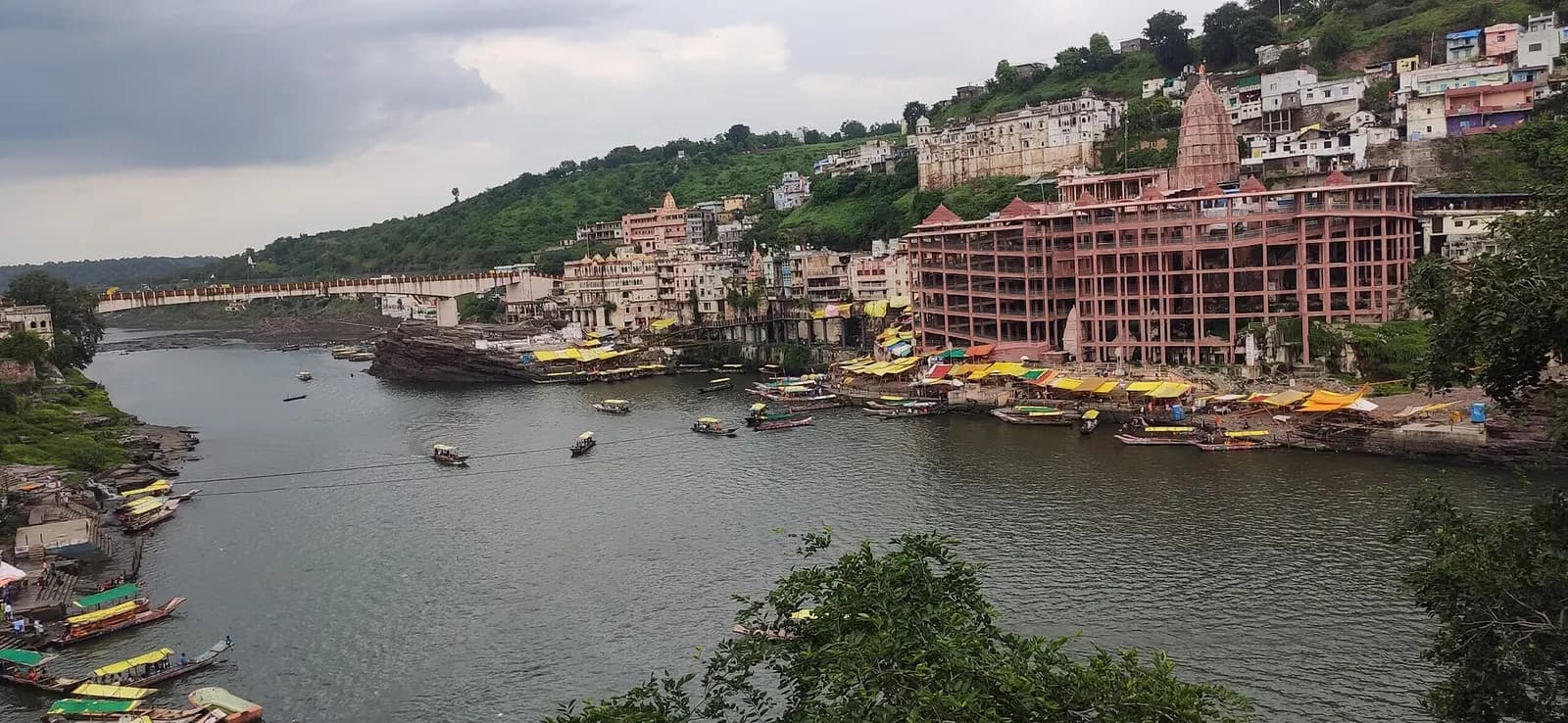
Omkareshwar temple and ghats on Mandhata island rising above the Narmada riverTemple
Themes:SpiritualNatureCultureOffbeat

Madhya Pradesh

Omkareshwar

An island shaped like Om, holding a Jyotirlinga in the Narmada
Ideal stay
1 day
Best time
October to March; August to September for a full
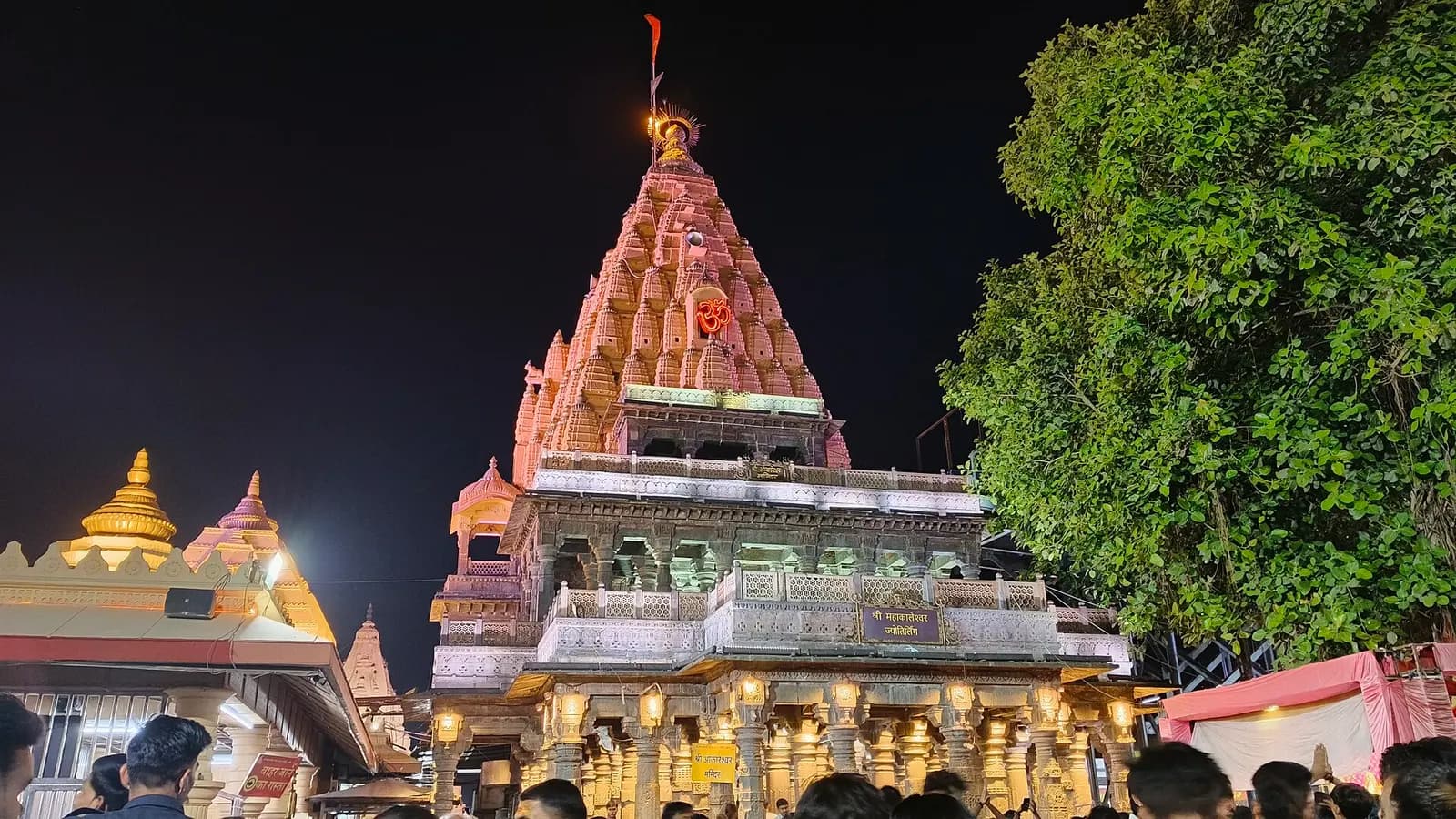
The spire of the Mahakaleshwar Jyotirlinga temple in Ujjain rising above pilgrimsTemple
Themes:SpiritualCultureFoodHeritage

Madhya Pradesh

Ujjain

Mahakal's city where the day begins with ash and drums
Ideal stay
2 days
Best time
October to March; avoid or embrace the Shravan crowds in July and August
The pink domes and minarets of Taj-ul-Masajid in Bhopal reflected in waterCity
Themes:CultureFoodHeritageFamily

Madhya Pradesh

Bhopal

City of lakes, begums, mosques and India's finest tribal museum

Ideal stay
2 days
Best time
October to March

Before you ask

Questions we are asked about Mandu

When is the best time to visit Mandu?
July to September for the monsoon; October to February for cool, clear days. On the calendar that is Jul–Feb. We build Mandu into a journey inside that window wherever we can; when your dates are fixed outside it, we re-plan the hours of the day around the weather rather than talk you out of the trip.
How many days do you need in Mandu?
We plan 2 days in Mandu. That is enough for Jahaz Mahal between the Munj and Kapur tanks, Hoshang Shah's Tomb and Roopmati's Pavilion at sunset, at a pace that still leaves room for a long lunch. Add a day if you are continuing to Maheshwar and Omkareshwar.
How do you reach Mandu?
Indore Airport is about 100 km (2.5 hours) via Dhar; Indore and Ratlam are the railheads, and Dhar town is 35 km away. We arrange the transfer and the driver as part of the journey, so you are met on arrival instead of negotiating a taxi at the gate, and the timings are set around when Mandu is at its best rather than around the clock.
What is Mandu famous for?
Mandu is a heritage site in Madhya Pradesh, Central India, best known for Jahaz Mahal between the Munj and Kapur tanks, Hoshang Shah's Tomb and Roopmati's Pavilion at sunset. Travellers come for heritage, romance, photography and nature, and most give it 2 days.
Is Mandu good for families?
Mandu is planned more often for heritage, romance, photography and nature than as a family stop, but it works well at a slower pace. 2 days, an early start and one unhurried afternoon is the shape we would suggest, inside the Jul–Feb window. Tell us who is travelling and we will pace it around them.

Photograph of Mandu: Aamin · CC BY-SA 4.0

All destinations

Mandu, planned by hand

Shall we begin?

चलिए, शुरू करते हैं

Tell us how many days you have. We will build Mandu into a journey that suits them.