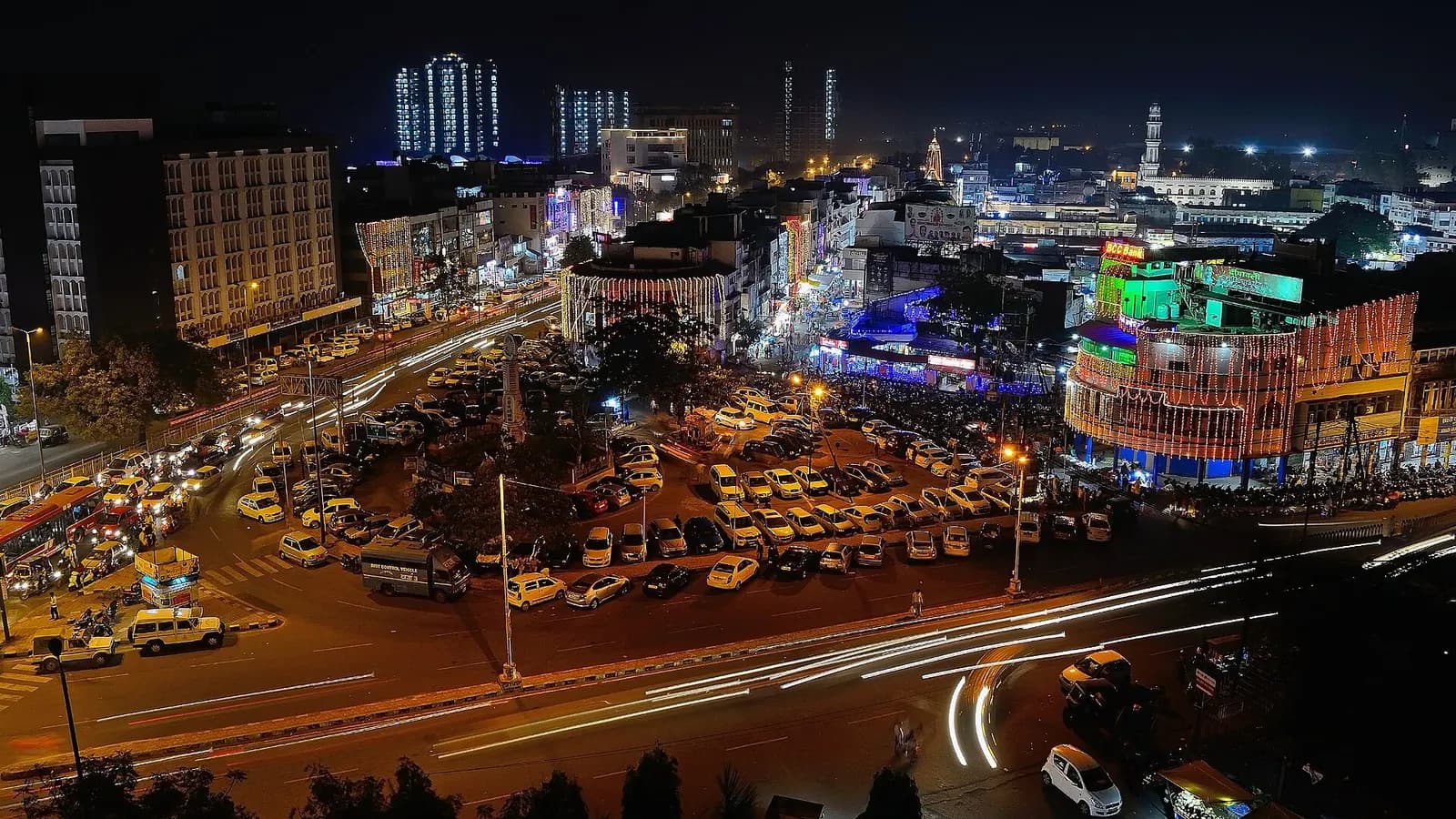
Raja Bhoj dammed the Kolans stream in the 11th century to make the Upper Lake, Bhojtal, and the city that grew on its eastern shore still lives by that water. Bhopal state was founded by Dost Mohammad Khan, an Afghan in Aurangzeb's service, but its shape comes from the Begums, four generations of women rulers from Qudsia Begum in 1819 to Sultan Jahan Begum, who built mosques, colleges and a waterworks and set the city's Urdu manners. The Taj-ul-Masajid, one of the largest mosques in India, took a century to finish; the Jama Masjid and Moti Masjid sit in the old town amid Chowk Bazaar's lanes of zari work and Bhopali batua purses.
Across the lake the new capital of Madhya Pradesh holds a cluster of remarkable buildings: Bharat Bhavan, Charles Correa's terraced arts centre stepping down to the water; the Madhya Pradesh Tribal Museum, an immersive walk through Gond, Bhil and Baiga worlds; and the State Museum's sculpture halls. The memorial to the 1984 gas disaster in the north of the city deserves an hour of silence. A good day starts with poha and jalebi in the old city, moves to Van Vihar's lakeside safari road, and ends with Bhopali gosht korma and sulaimani chai on Chatori Gali.
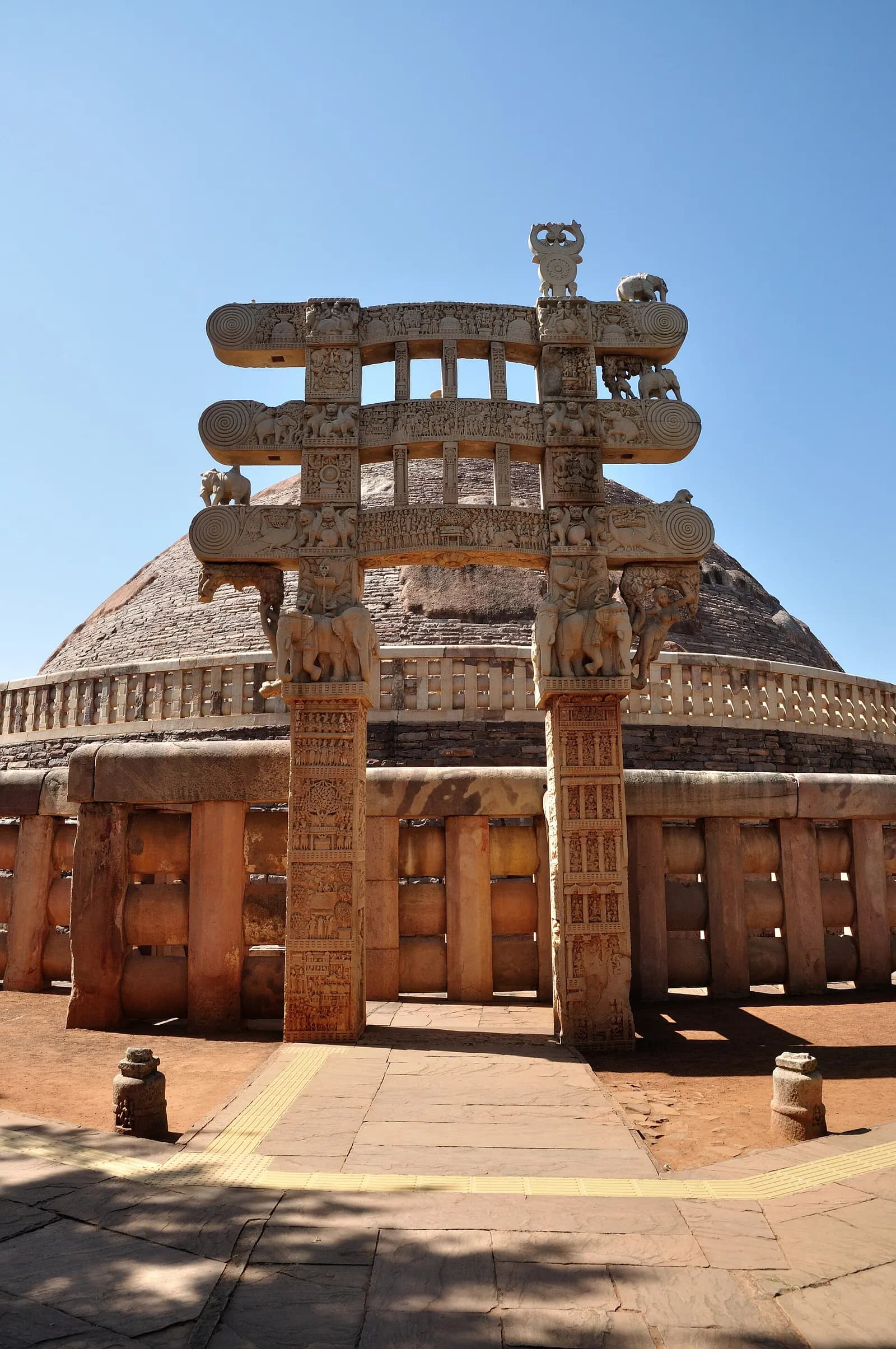
Bhimbetka's rock shelters, painted over 10,000 years, are 45 km south; Bhojpur's 11th-century temple with its single-stone lingam is on the same road, and Sanchi is 46 km north.
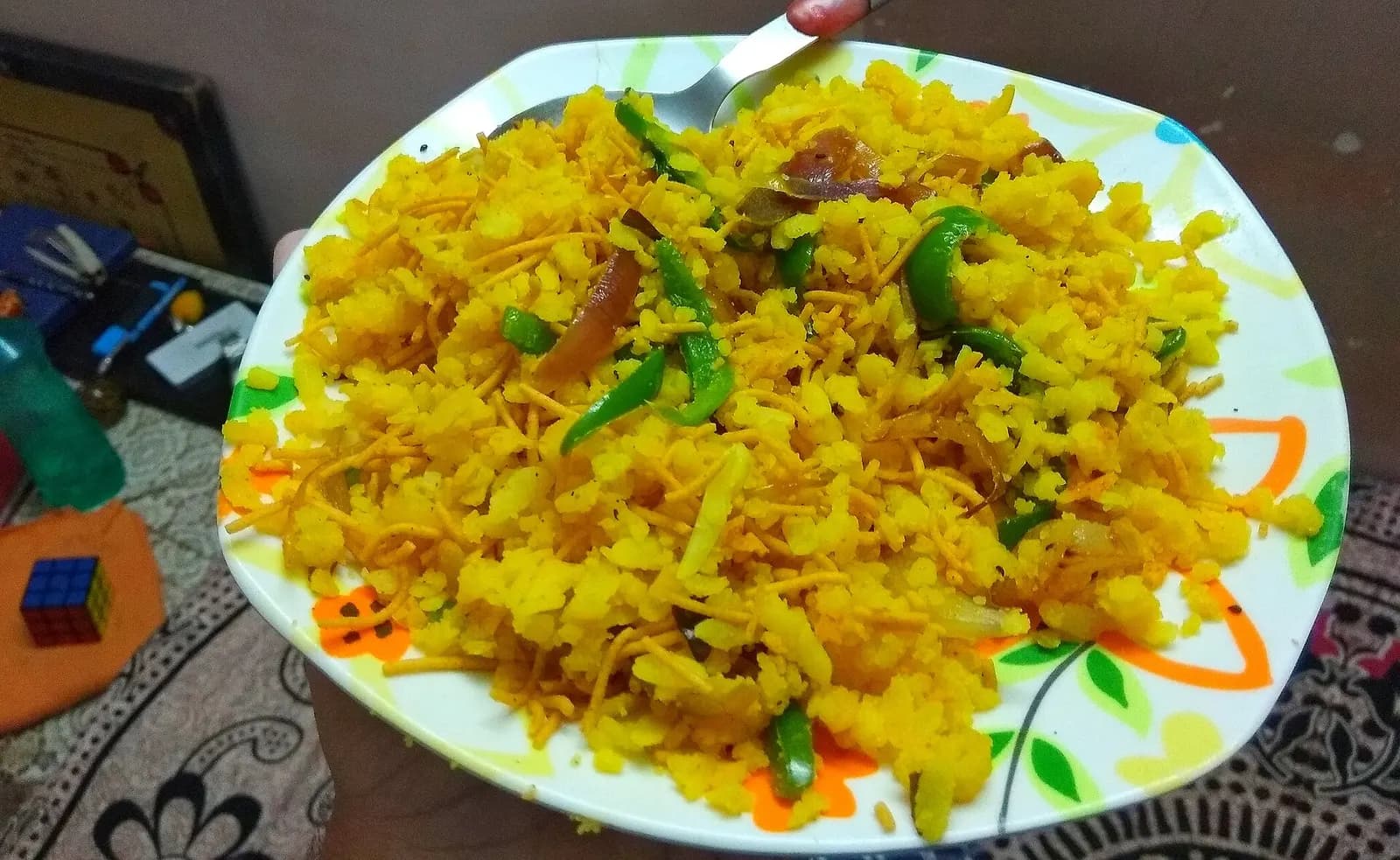 Street food