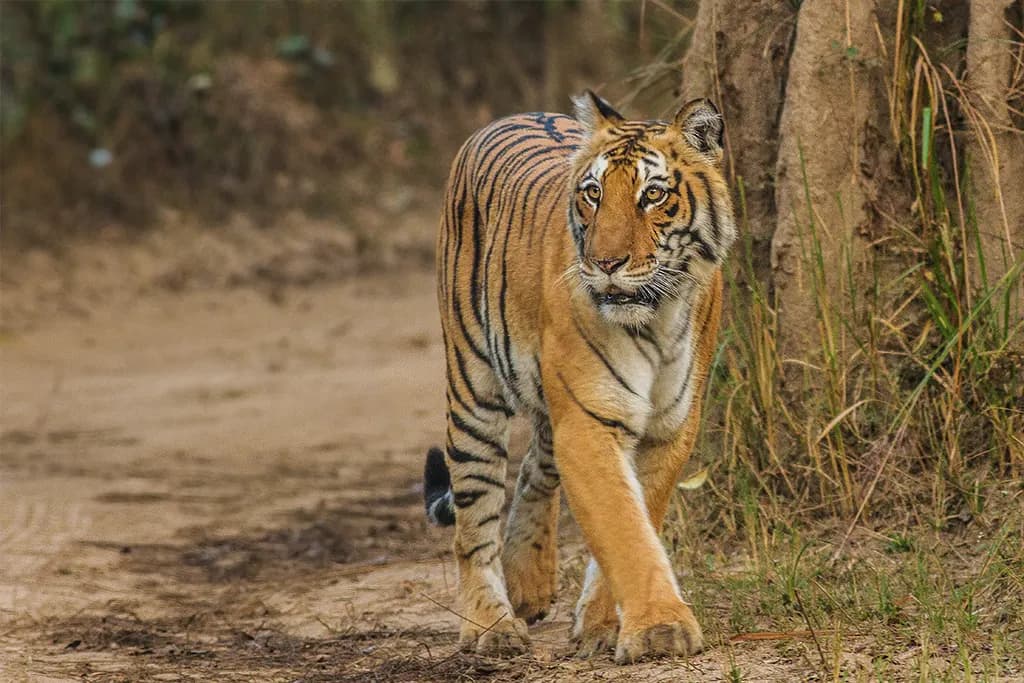
Named Hailey National Park in 1936, renamed for the hunter-turned-conservationist Jim Corbett after his death, and chosen for the launch of Project Tiger on 1 April 1973, this 1,288 sq km reserve is the original Indian jungle. The Ramganga river cuts through it from east to west, backing up behind the Kalagarh dam into a reservoir where gharials sun on the sandbanks and elephant herds cross in the evening. The heart of the park is Dhikala, a forest rest house on a bluff above the river with the chaur grassland stretching to the water, open from mid-November to mid-June only to overnight guests; a dawn drive along Sambar Road here, with mist on the grass and a tiger's alarm calls ringing through the sal, is one of India's great wildlife mornings.
Bijrani, close to Ramnagar, is dense and productive for tigers; Jhirna and Dhela stay open year-round; Durga Devi is the angler's zone for mahseer on the Ramganga; Sitabani in the buffer is where the Ramayana places Sita's exile. Elephants are the other stars, and the park is famous for large herds and for the occasional bull that decides the road is his. Corbett wrote Man-Eaters of Kumaon here, and his winter home at Kaladhungi, now a museum, is a short drive away, as is the Garjiya Devi temple on a rock in the Kosi river.
The best sightings come in April–June when the forest thins and animals come to water. Book early, go slowly, and listen.
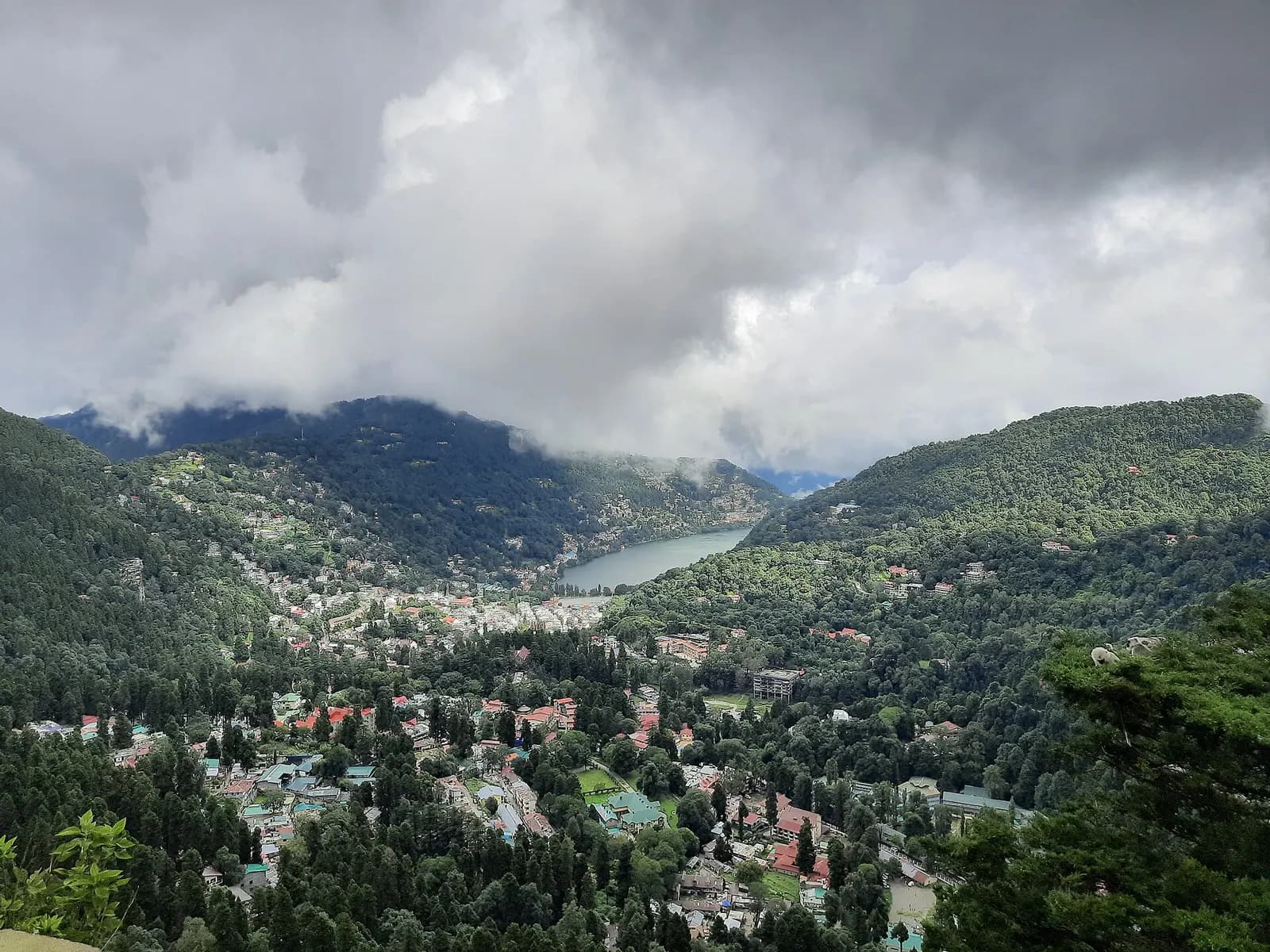 Lake
Lake