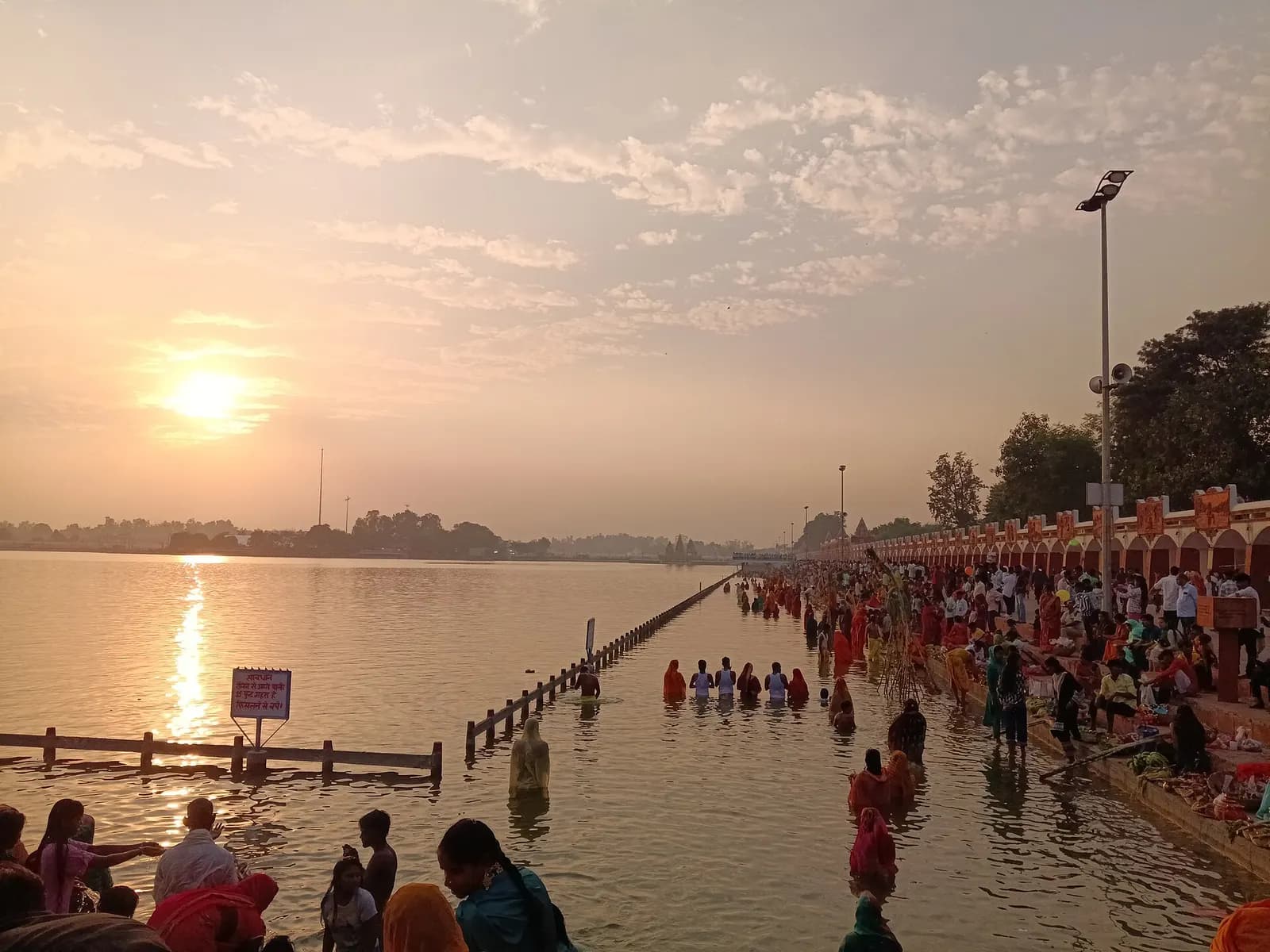
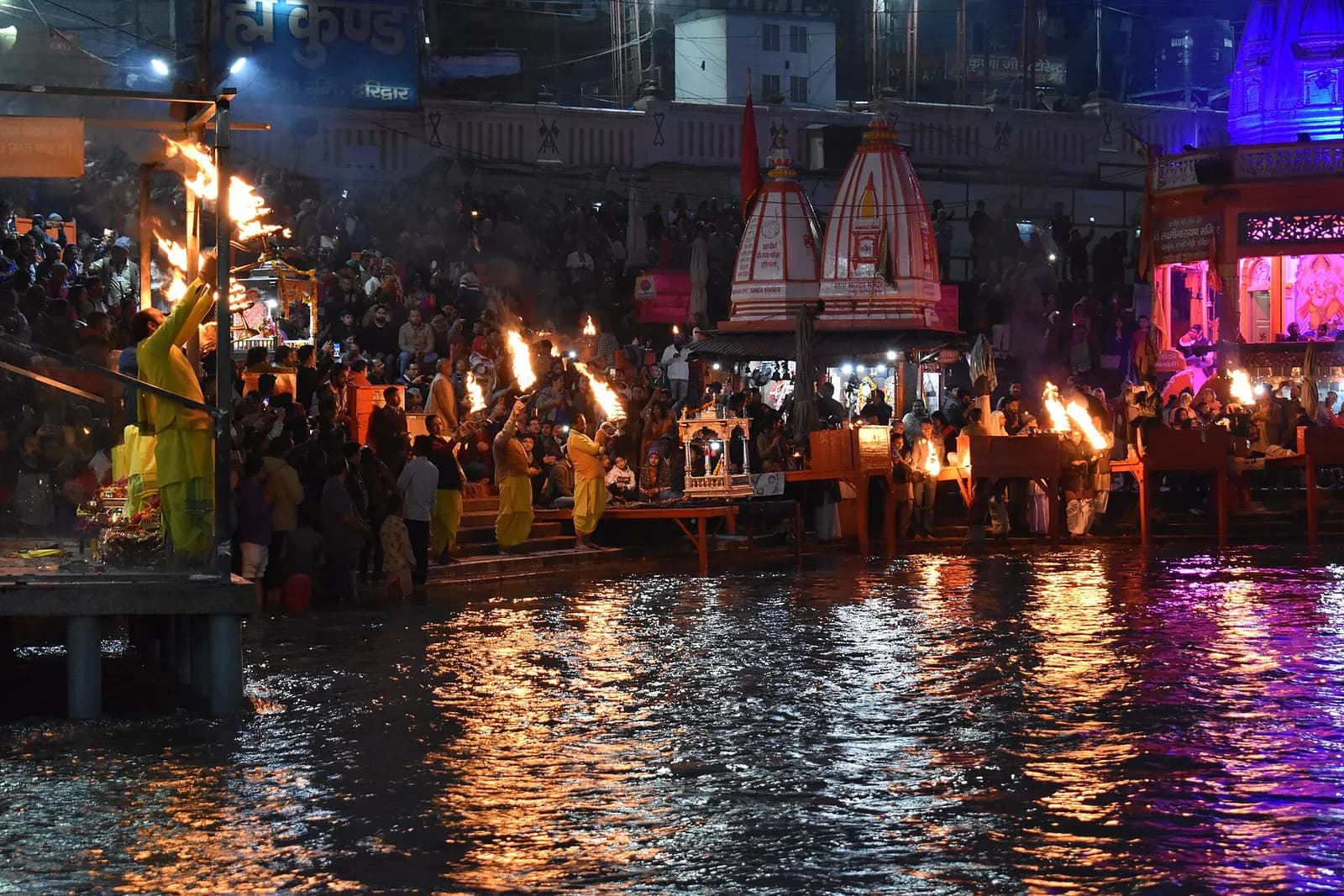
Haridwar, the door of Hari, is one of the seven sacred cities and the first place the Ganga touches the plains. The whole town is a set of steps down to the water. Har Ki Pauri, said to hold Vishnu's footprint, is the ghat where a drop of amrit fell, and every evening at dusk the Ganga Sabha's priests raise multi-tiered lamps while thousands release leaf boats of marigold and flame into the current.
The moment the conches sound is one of the great sights of India. By day, pilgrims bathe holding chains against the current, barbers shave heads for last rites, and the bells never entirely stop. Above the town, Mansa Devi on Bilwa Parvat and Chandi Devi on Neel Parvat are reached by cable car; Maya Devi in the bazaar is a Shakti Peeth from the eleventh century.
Kankhal, the old quarter to the south, has Daksheswar Mahadev, where Sati's father held the sacrifice that began the story, and lanes of dharamshalas built by merchant families. The Kumbh Mela comes to Haridwar every twelfth year (next in 2033, with an Ardh Kumbh in 2027), and each July–August the Kanwar Yatra fills the roads with saffron-clad pilgrims carrying Ganga water home on their shoulders. Between the ghats, Moti Bazaar sells brass lamps, rudraksha and copper kalash; the food is strictly vegetarian and gloriously fried.
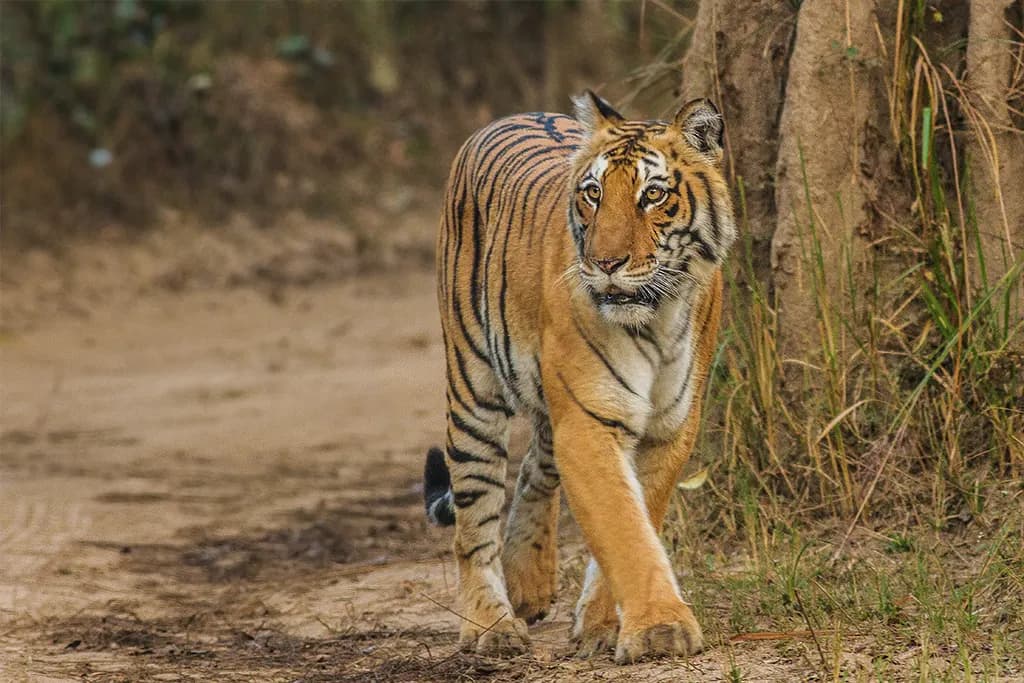
Rajaji Tiger Reserve's Chilla range begins just across the barrage. Haridwar is India at full volume, and worth every decibel.
 River
River