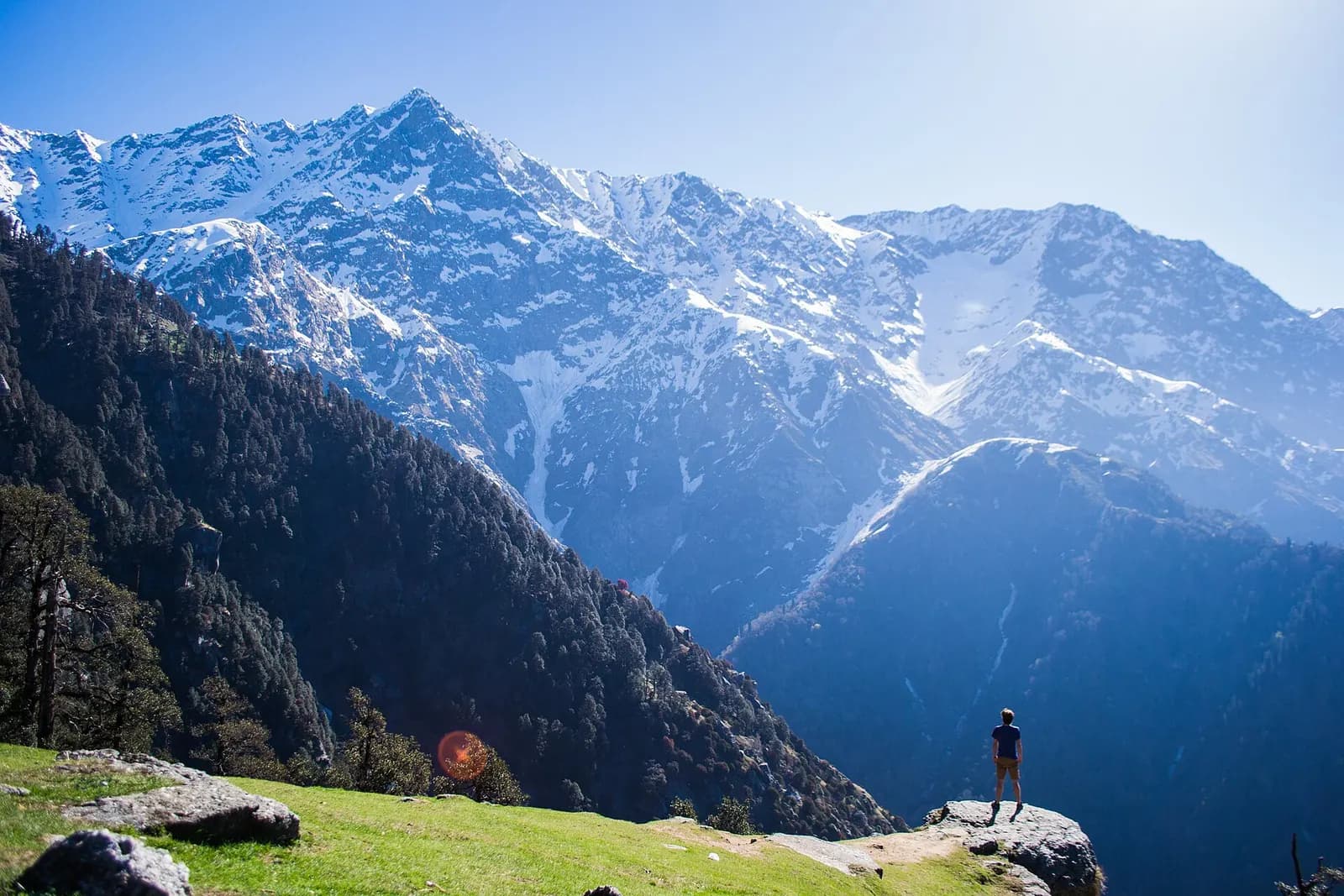
Bir was a quiet Gaddi and Kangra village until Tibetan refugees were settled here in the 1960s and built Chokling Monastery with its gold stupa and towering Padmasambhava statue. Then paragliders discovered that the ridge above, Billing, at 2,400 m, throws thermals off the Dhauladhar that let a wing stay up for hours and cross-country fly to Dharamshala and back. The Paragliding World Cup came in 2015, and now from late September to November and again from March to June, the sky above Bir's landing field is a slow carousel of colour.
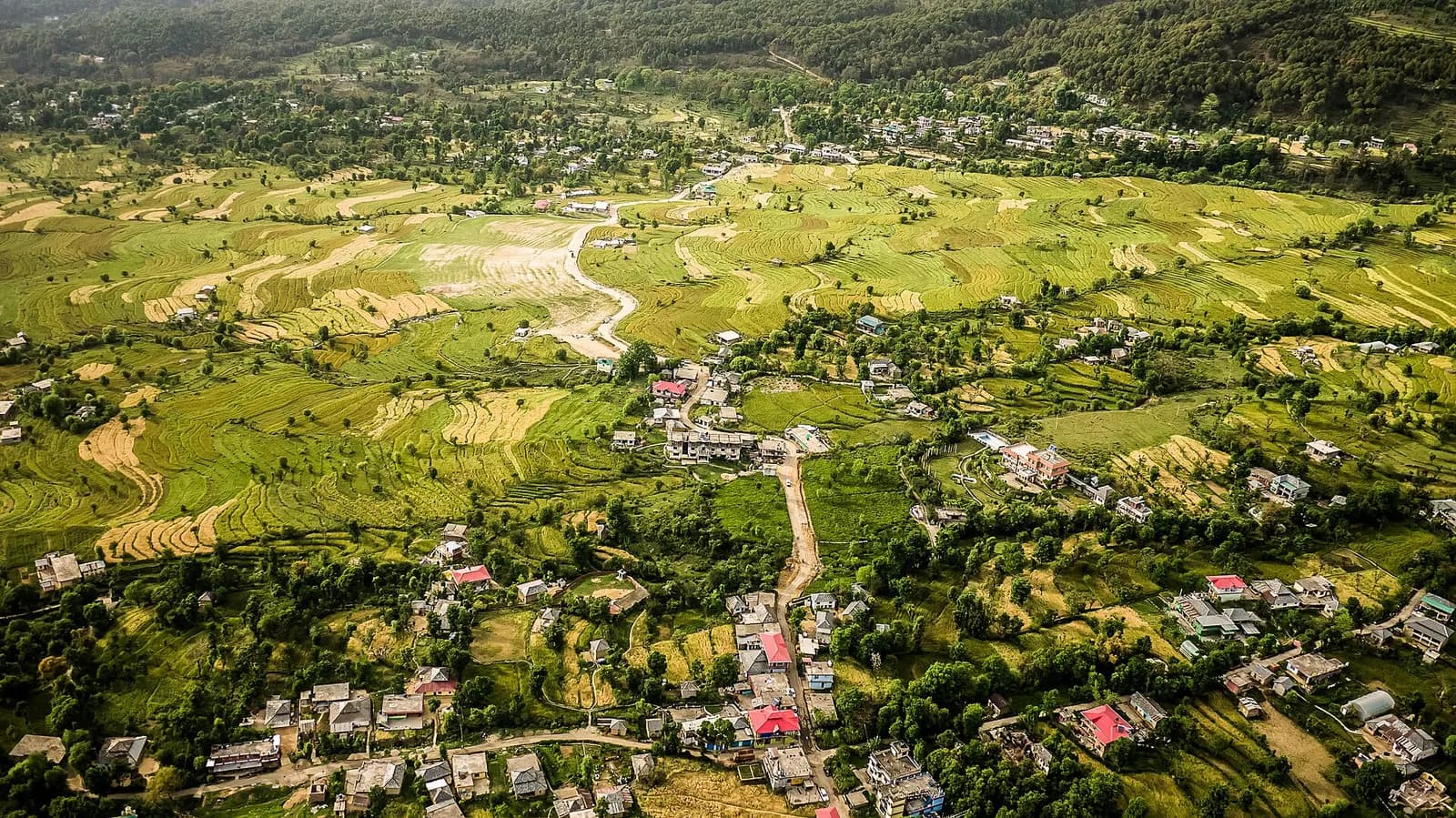
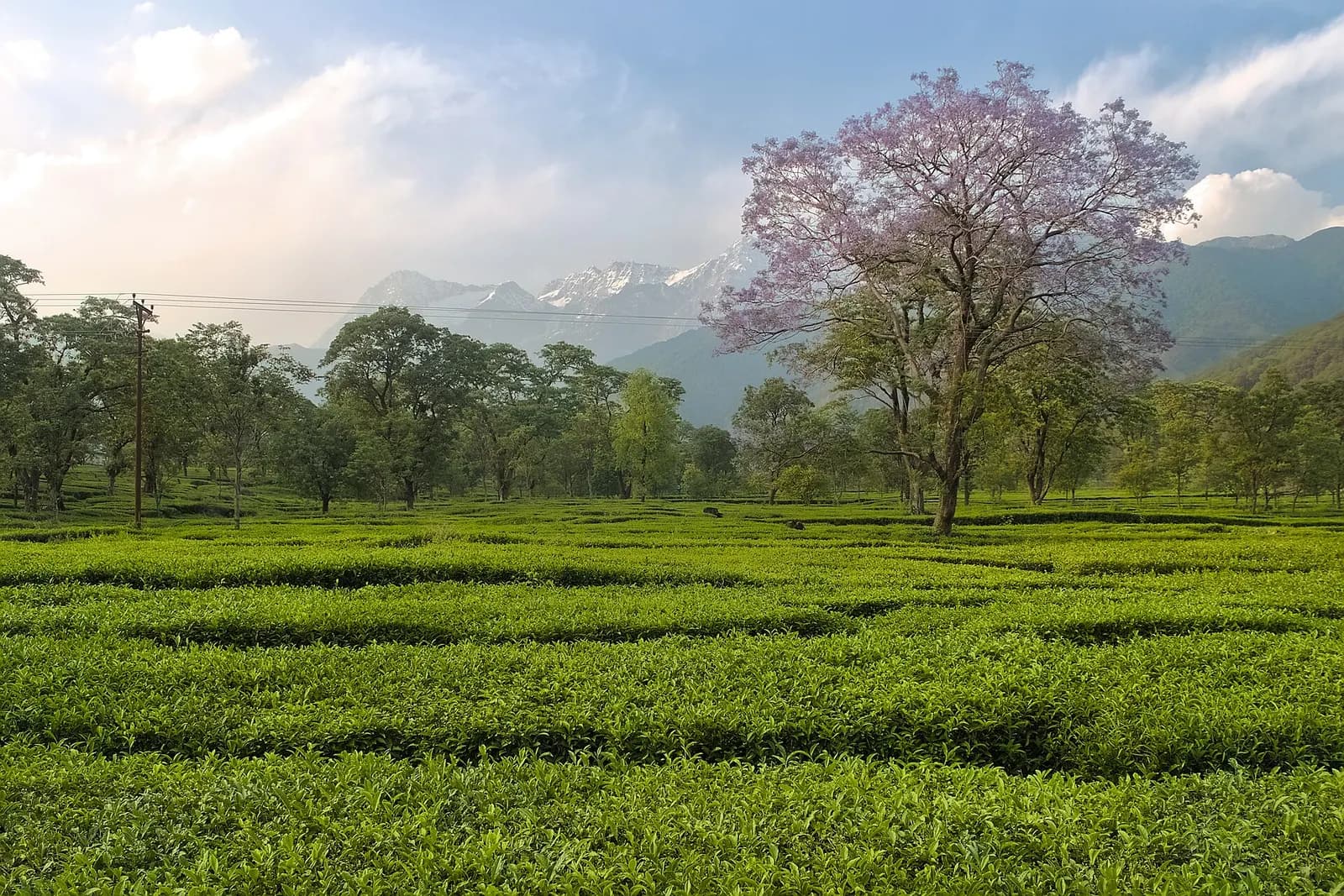
A tandem flight is a 15–30 minute glide from Billing's meadow to the landing zone with the entire Kangra valley, tea gardens, monastery roofs and the Beas plain, spread beneath your feet. On the ground, Bir has become a place people come to stay for weeks: the Deer Park Institute runs courses in Buddhist philosophy and film, Palpung Sherabling, twelve kilometres away at Bhattu, is a great Kagyu seat where you can watch chanting at dawn, and the Dzongsar Institute at Chauntra fills the mornings with debating monks. The lanes hold cafes like Garden Cafe and Silver Linings, a Tibetan handicraft centre and a kilometre of tea bushes.
Fifteen kilometres away, the Baijnath temple of 1204 CE is one of the best-preserved Nagara shrines in the Himalaya. The Kangra Valley narrow-gauge train stops at Ahju, three kilometres out, if you want to arrive slowly.
 Drink
Drink