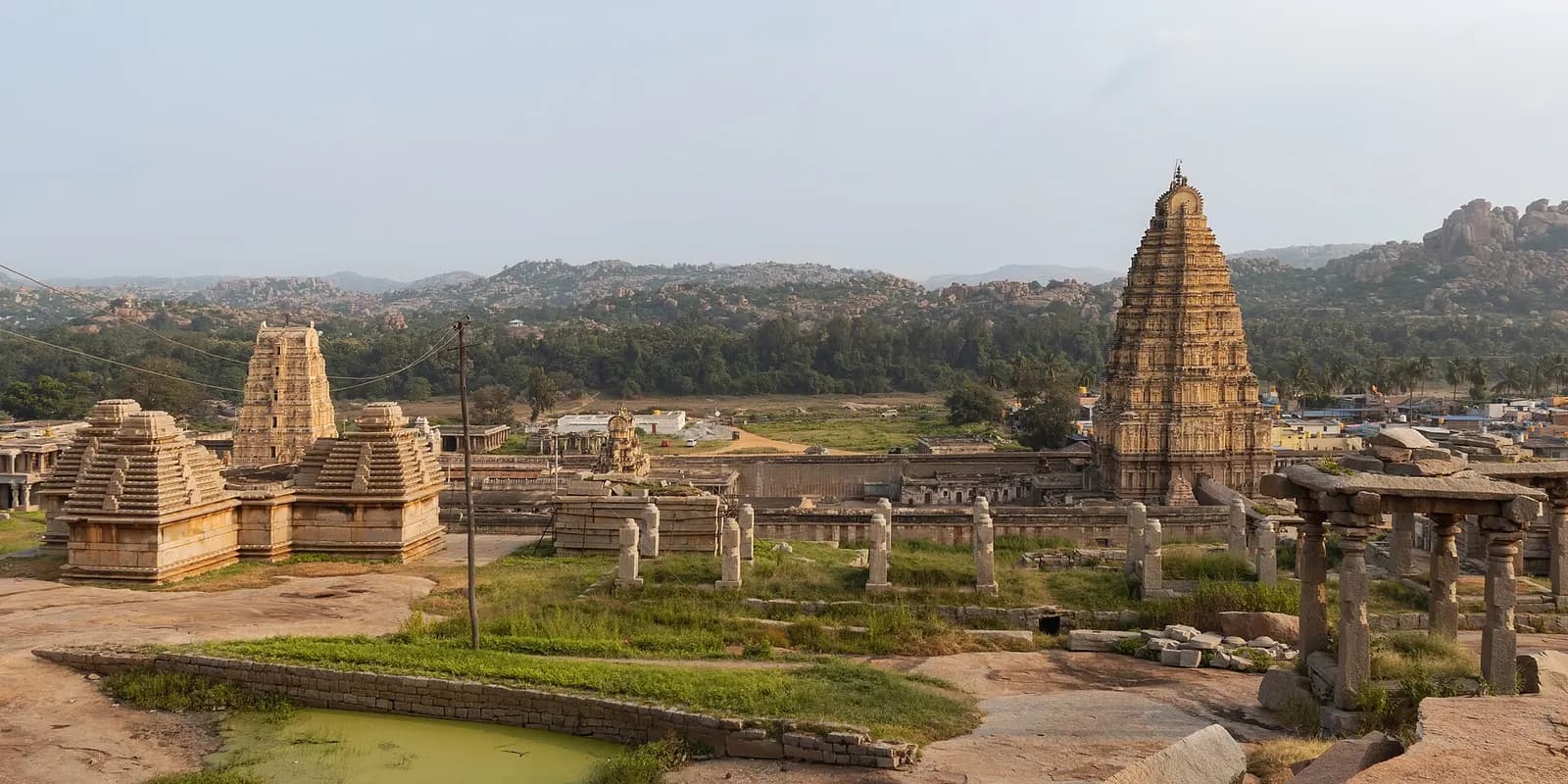
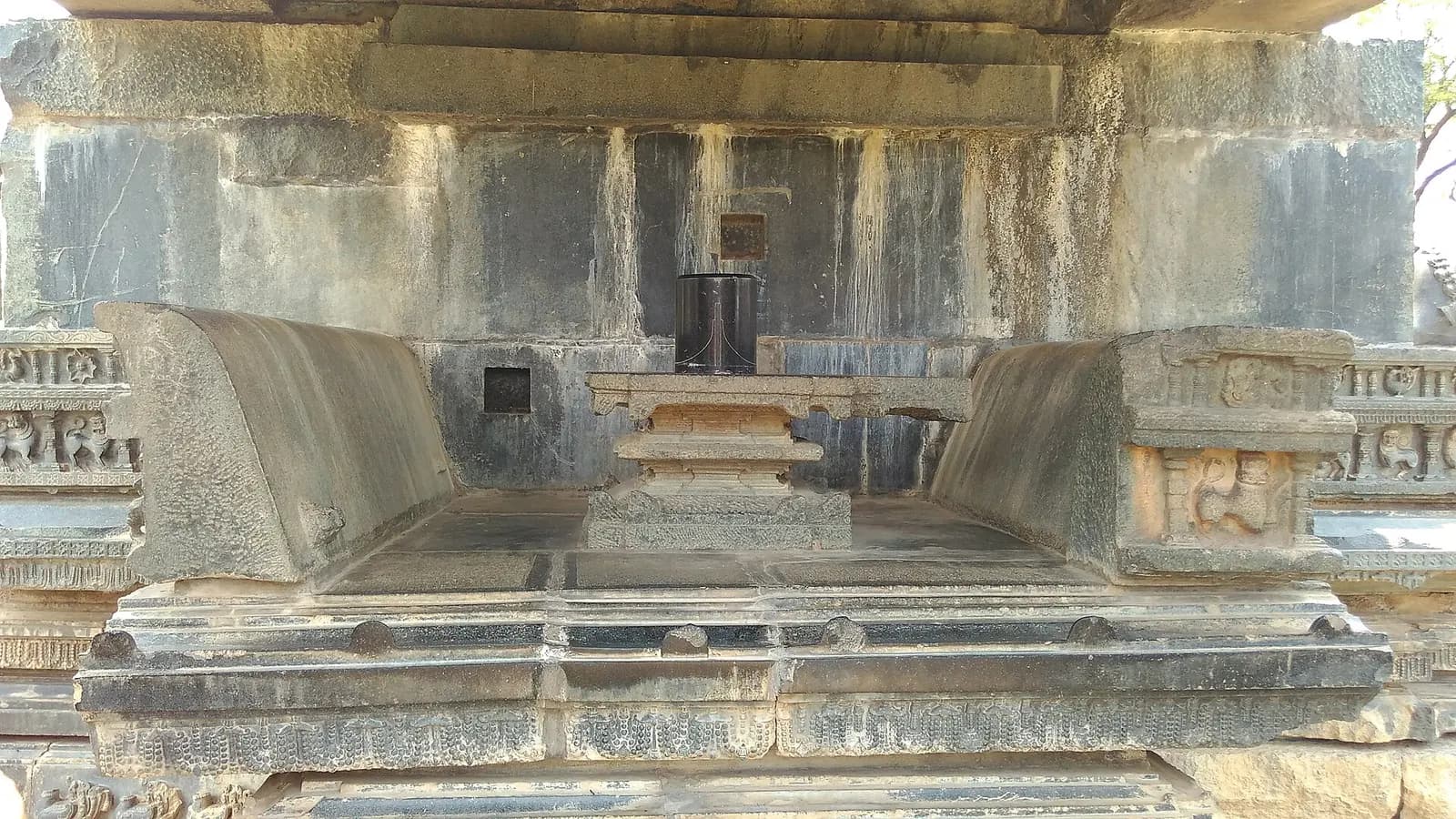
Warangal was Orugallu, the one stone, named for the granite outcrop at its heart, and from the late twelfth century until 1323 it was the Kakatiya capital, held for nearly thirty years by Rudrama Devi, a queen who took the throne in her own name and whose government Marco Polo praised. Delhi Sultanate armies took the city twice and pulled the temples down, which is why the fort's most famous survivors are four free-standing gateways, the Kakatiya Kala Thoranam, ornate torana arches now on Telangana's state emblem, standing in an open field of scattered carved stone. At Hanamkonda, the Thousand Pillar Temple of 1163 survives intact: a star-shaped platform, a triple shrine to Shiva, Vishnu and Surya, black basalt pillars polished to a mirror, and a monolithic Nandi in the courtyard.
The masterpiece is 70 kilometres northeast at Palampet, where the Ramappa or Rudreshwara Temple, consecrated in 1213, is named after its sculptor, a rare honour; its bracket figures of dancers are cut from a dark stone so hard it takes a metallic shine, and its superstructure uses bricks so light they are said to float in water. UNESCO listed it in 2021. Add the Bhadrakali Temple above its boulder-strewn lake and the quiet water at Pakhal and Laknavaram, and Warangal is an easy two nights out of Hyderabad.
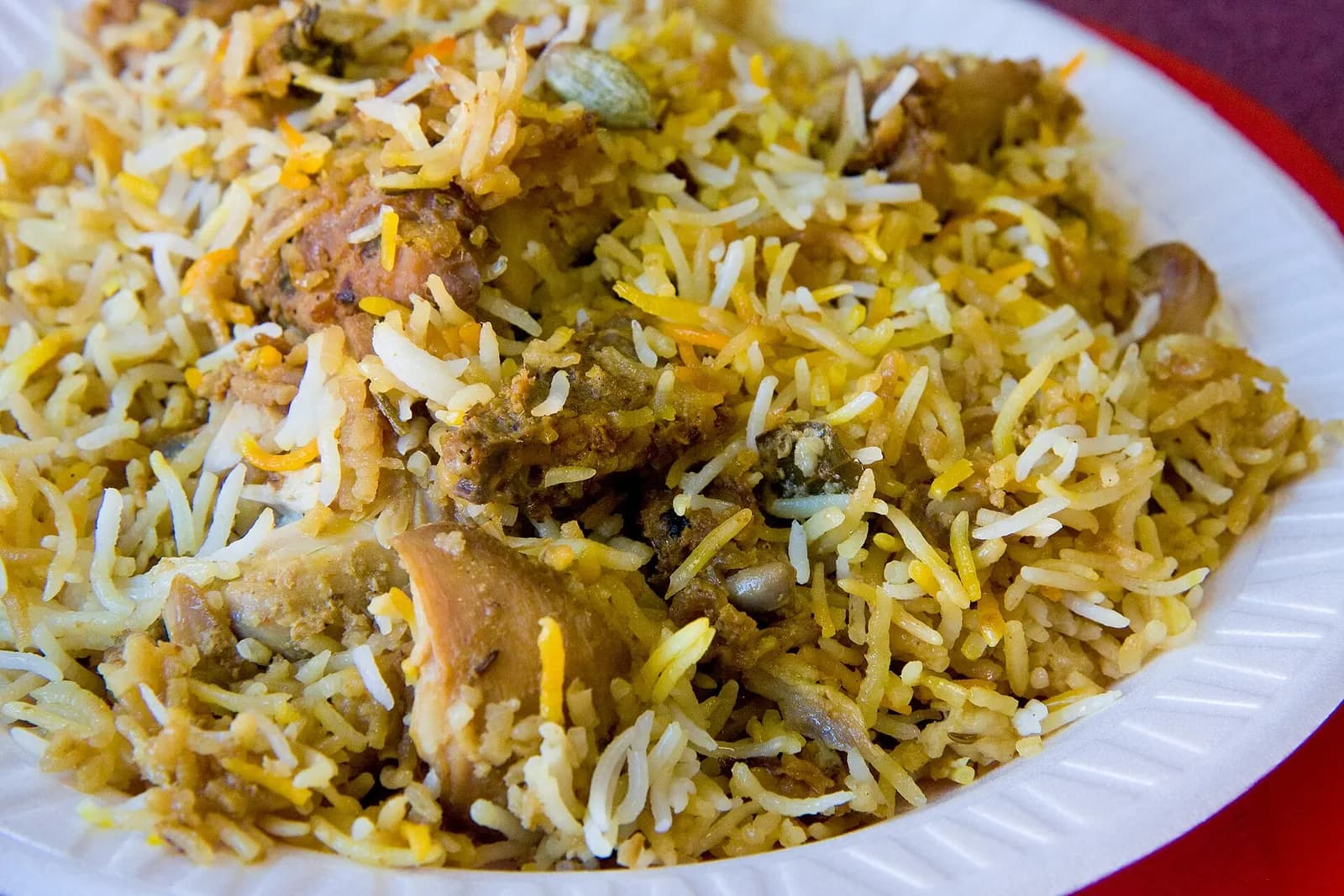 Non-veg