DEVGAMAN

North India · Hill station

Mount Abu

Rajasthan's only hill station, with Dilwara's marble Jain temples

24.59° N · 72.71° E

Best months to be here

  • January — a best month
  • February — a best month
  • March — a best month
  • April
  • May
  • June
  • July
  • August
  • September
  • October — a best month
  • November — a best month
  • December — a best month

Best: Oct–Mar

At a glance

Region
North India
Kind of place
Hill station · Medieval
Ideal stay
2 days
Altitude
1,220 m
Coordinates
24.59° N, 72.71° E

Mount Abu is an island of green granite at the south-western tip of the Aravallis, high enough that winter nights dip toward freezing and summer days stay mild while Jodhpur bakes. Sage Vashishtha is said to have performed the yagna here that created the Agnikula Rajput clans, and the plateau has been holy ground since. The Dilwara temples are the reason to come: Vimal Vasahi, built in 1031, and Luna Vasahi, built in 1230 by the merchant brothers Vastupala and Tejpala, are Jain temples whose plain exteriors hide ceilings of white marble carved into lotuses, dancers and pendants so fine the stone looks like paper.

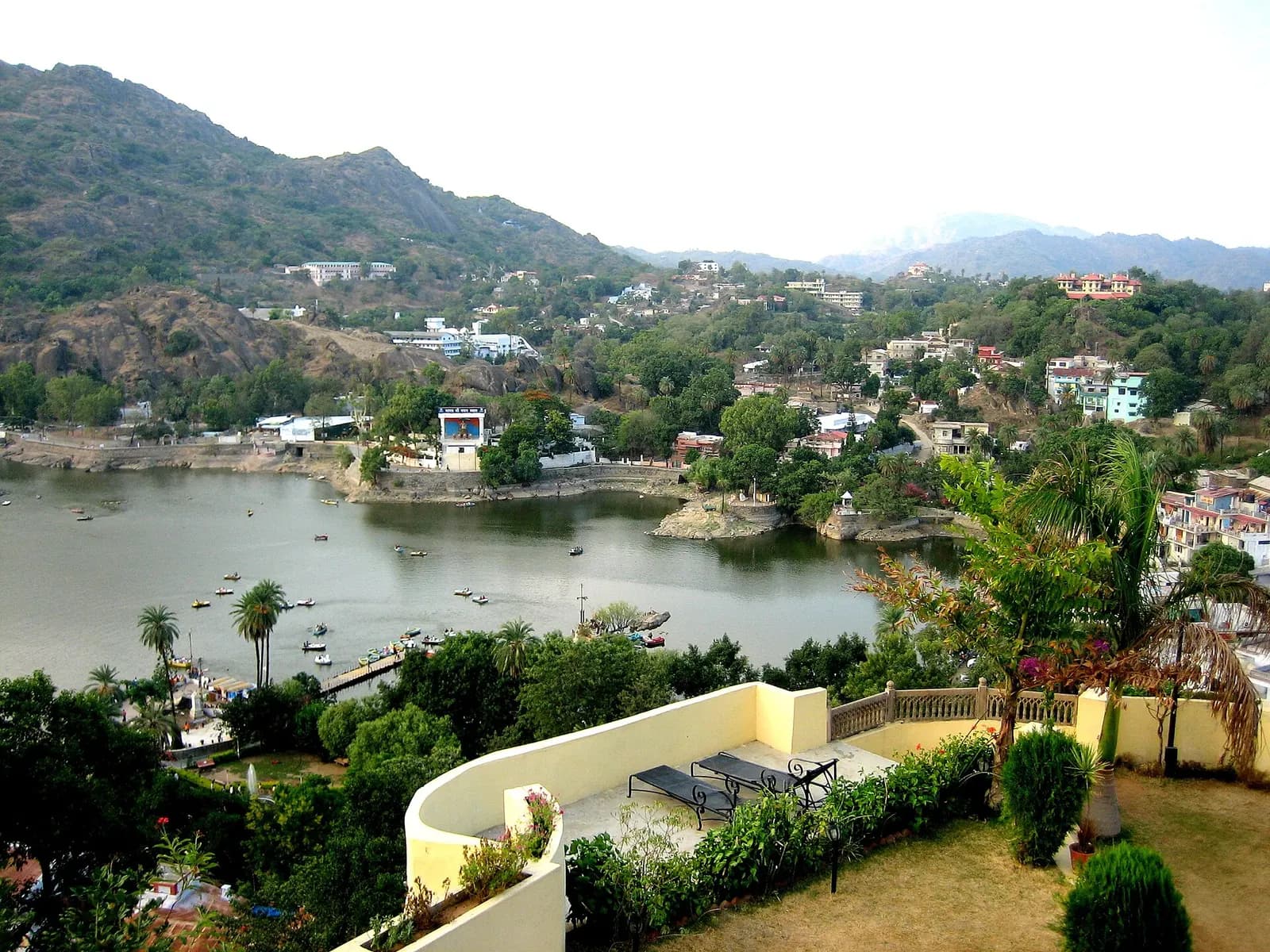
Photography is banned, which makes the seeing better. Nakki Lake in the middle of town, said to have been dug with the fingernails of a god, has boats and a promenade; Toad Rock and Sunset Point are the local walks. Guru Shikhar, at 1,722 metres the highest point of the Aravallis and of western India, has a Dattatreya temple and a view over the plains; Achalgarh Fort below it holds the Achaleshwar Mahadev temple, where a toe of Shiva is worshipped instead of a lingam.

The Brahma Kumaris have their world headquarters here, and Mount Abu Wildlife Sanctuary's sloth bears and leopards still roam the forest above the town.
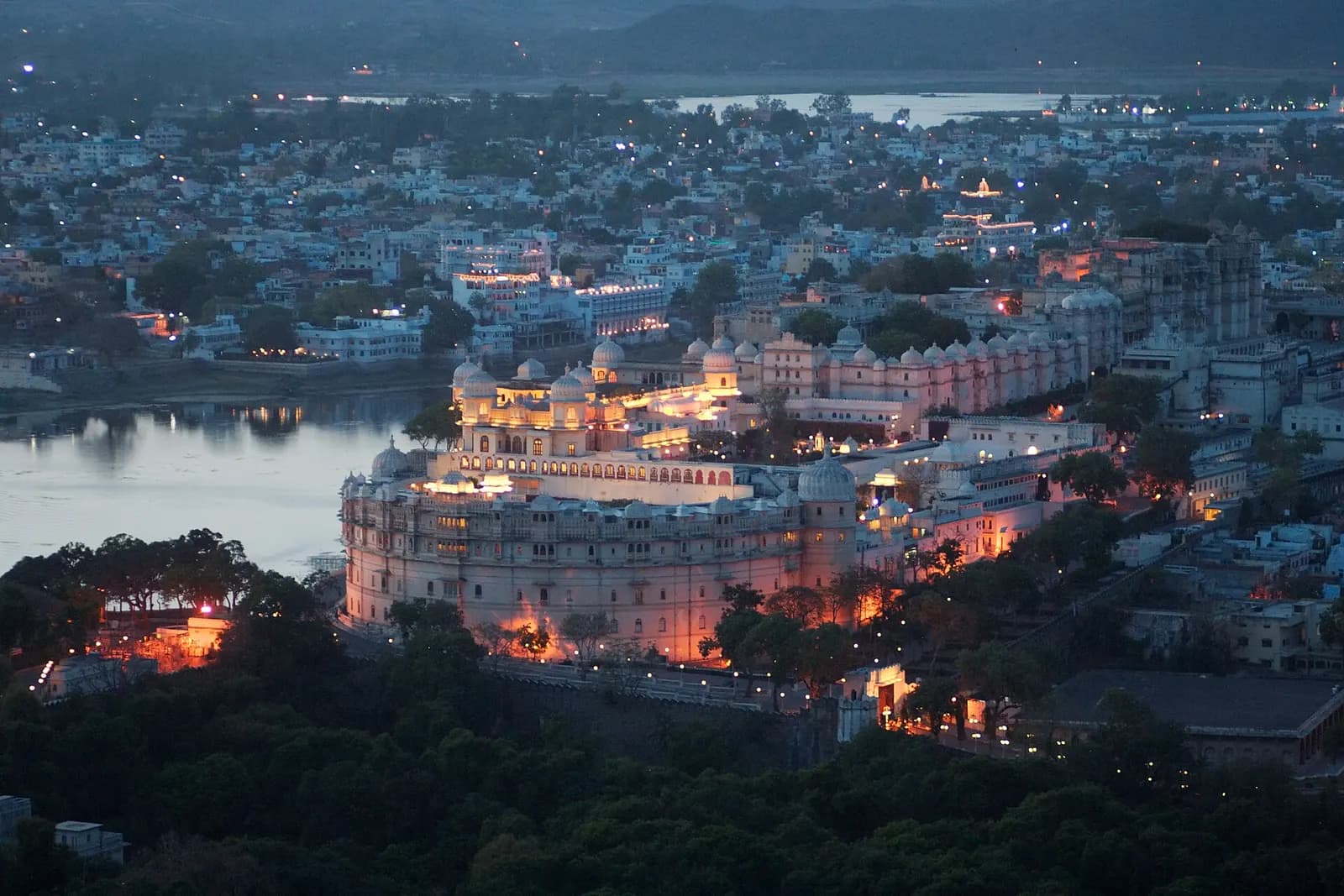
What not to miss in Mount Abu

  1. Dilwara Temples' marble ceilings in Vimal Vasahi and Luna Vasahi
  2. Guru Shikhar, the Aravalli summit at 1,722 m
  3. Nakki Lake boating and evening promenade
  4. Sunset Point over the plains
  5. Achalgarh Fort and Achaleshwar Mahadev
  6. Toad Rock walk

Best Oct–Mar

Best time to visit Mount Abu

October to March for clear, cold days; also July to September when the plateau is green; the Winter Festival runs 29 to 31 December.

Give Mount Abu 2 days and it repays the time; with fewer you are choosing between Dilwara Temples' marble ceilings in Vimal Vasahi and Luna Vasahi and Guru Shikhar, the Aravalli summit at 1,722 m. We build the hours around the weather — early starts when it is hot, long afternoons when it is not.

  • Ideal stay — 2 days
  • Season — Oct–Mar
Plan a trip here

On the ground

Things to do in Mount Abu

The days we would actually plan for you, in the order that suits the light.

  • Sunrise drive to Guru Shikhar before the day-trippers
  • Rowing on Nakki Lake at dusk
  • Forest trails to Trevor's Tank and along Bailey's Walk
  • Meditation retreat at the Brahma Kumaris' Om Shanti Bhawan
  • Wildlife drive in Mount Abu Wildlife Sanctuary for sloth bear

At the table

What to eat in Mount Abu

  • Dal baati churma
  • Gujarati thali
  • Rabri and malai kulfi on the Nakki Lake road
  • Rajasthani kadhi
  • Sev tamatar

Getting there

How to reach Mount Abu

Abu Road station, 28 km down the hill, has trains from Delhi, Jaipur, Ahmedabad and Mumbai; Udaipur airport is 185 km and Ahmedabad 225 km by road.

Airport pickups, station transfers and the driver for the days here are all part of what we arrange — including the hour you should leave, which is usually earlier than you think.

Travel tips from our trips

  • Dilwara admits non-Jain visitors from noon until about 6 pm only; no cameras, leather or shorts, and phones must be deposited
  • Nights are cold from December to February; carry a proper jacket
  • The town is crowded with Gujarat tourists in May and June and at Diwali; midweek in winter is quietest
  • Guru Shikhar's last stretch is about 300 steps; go early to avoid the heat
  • Abu Road, 28 km below, is the railhead; taxis and shared jeeps run up the ghat road

Next door

Near Mount Abu

Places that join Mount Abu without a long drive — the way a real week is built.

Udaipur's City Palace and Lake Pichola seen across the water at golden hourLake
Themes:RomanceHeritageCulturePhotography

Rajasthan

Udaipur

Marble palaces mirrored in Lake Pichola beneath Aravalli hills

Ideal stay
3 days
Best time
September to March; the monsoon months of July and August fill the lakes and turn the hills green
Carved white marble pillars and domed ceiling inside Ranakpur's Chaumukha Jain templeTemple
Themes:SpiritualHeritageNaturePhotography

Rajasthan

Ranakpur

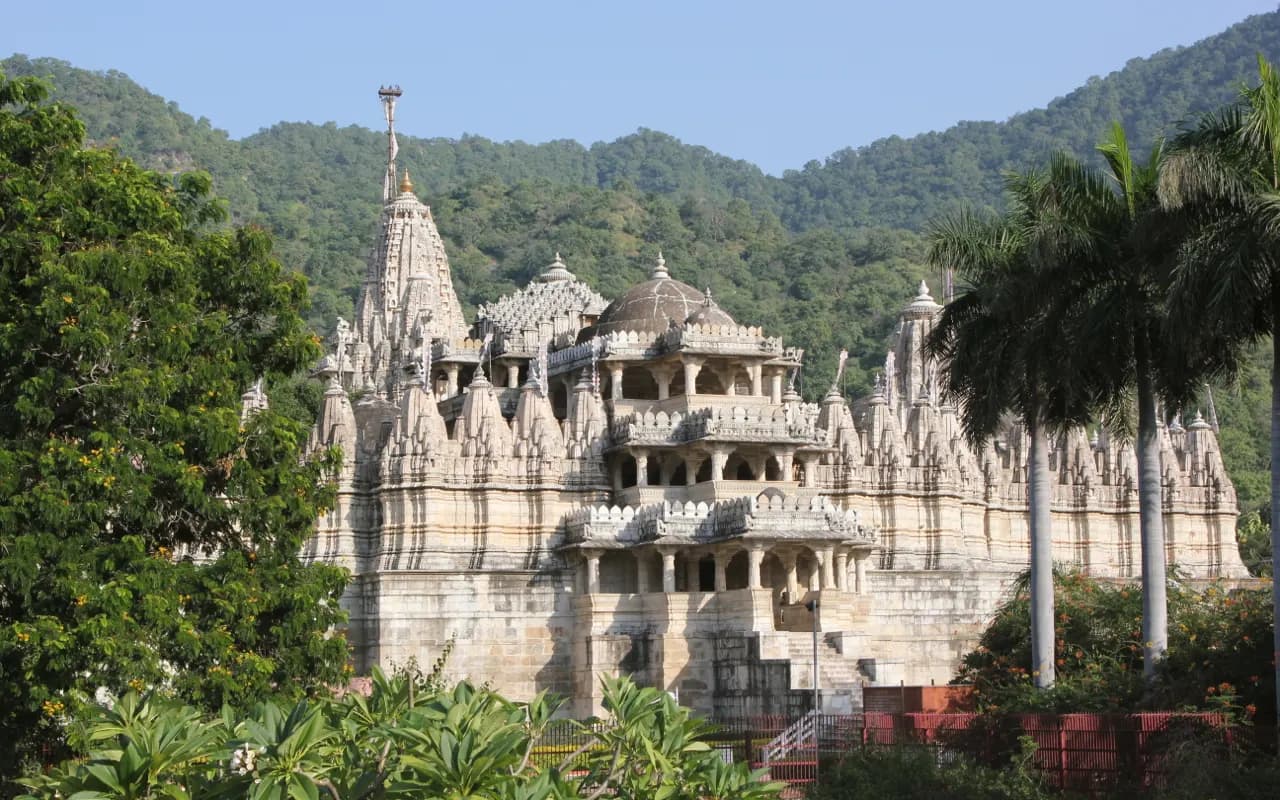
Fifteenth-century Jain temple of 1,444 carved marble pillars

Ideal stay
1 day
Best time
October to March; the valley is green and cool in the monsoon
Kumbhalgarh Fort's long stone wall winding over the Aravalli hillsFort
Themes:HeritageAdventureNaturePhotography

Rajasthan

Kumbhalgarh

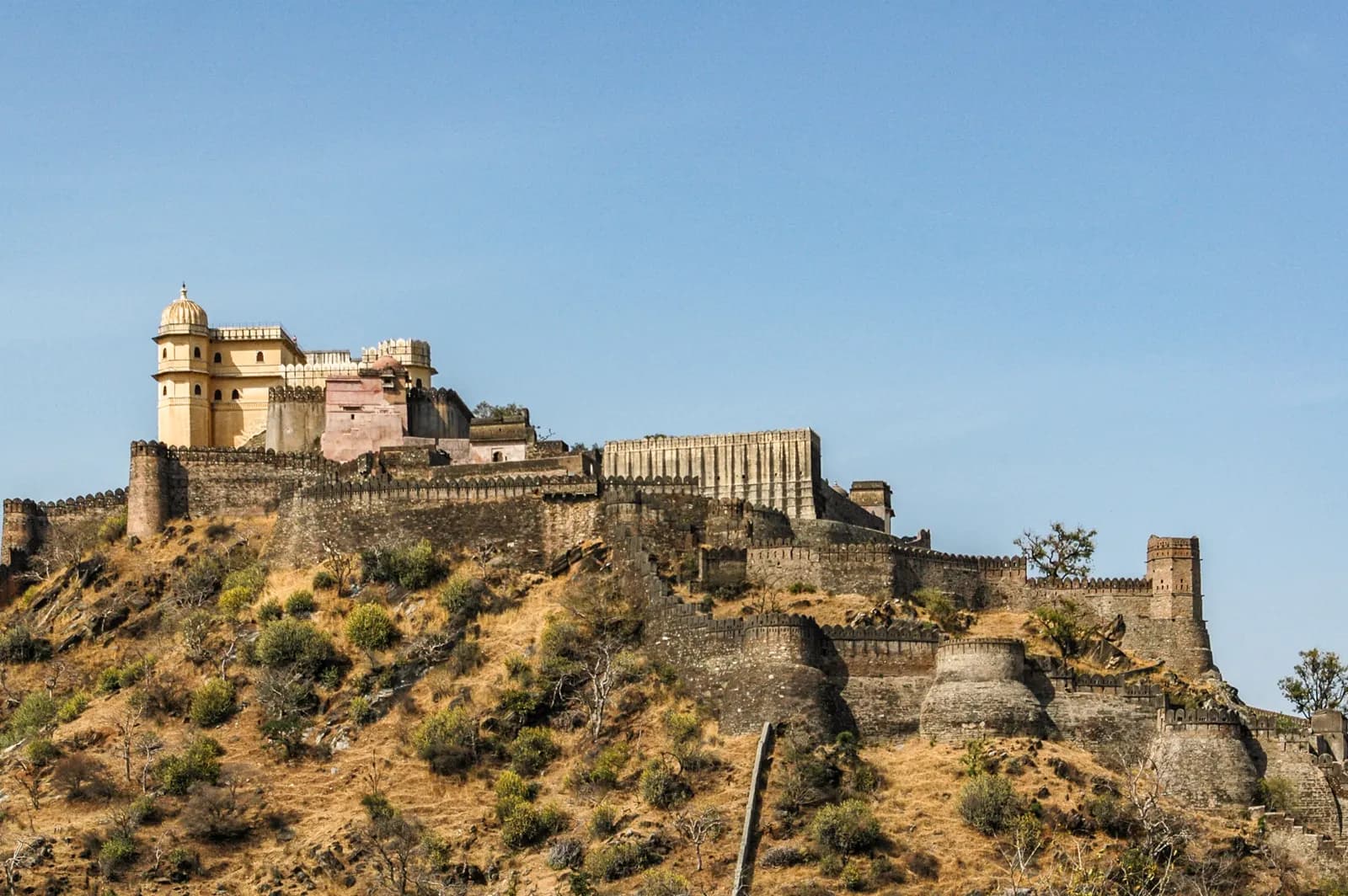
Thirty-six kilometres of wall around Maharana Pratap's birthplace

Ideal stay
1 day
Best time
October to March; the monsoon months of July to September bring green hills and mist over the walls
The carved stone tree-of-life jali of Sidi Saiyyed mosque in AhmedabadCity
Themes:HeritageCultureFoodPhotography

Gujarat

Ahmedabad

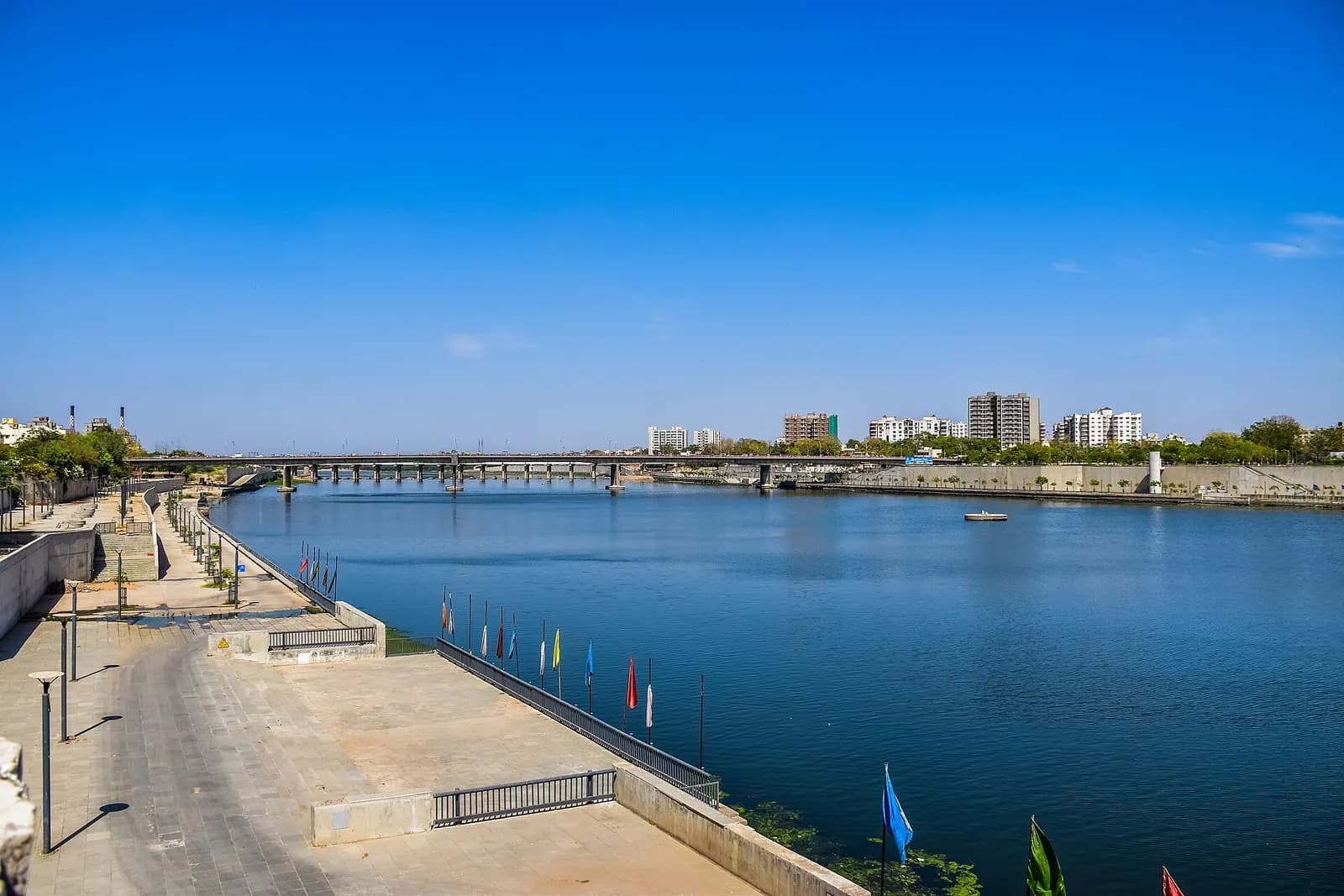
India's first World Heritage City, of pols, mosques and mills

Ideal stay
3 days
Best time
November to February; mid-January brings the Uttarayan kite festival

Before you ask

Questions we are asked about Mount Abu

When is the best time to visit Mount Abu?
October to March for clear, cold days; also July to September when the plateau is green; the Winter Festival runs 29 to 31 December. On the calendar that is Oct–Mar. We build Mount Abu into a journey inside that window wherever we can; when your dates are fixed outside it, we re-plan the hours of the day around the weather rather than talk you out of the trip.
How many days do you need in Mount Abu?
We plan 2 days in Mount Abu. That is enough for Dilwara Temples' marble ceilings in Vimal Vasahi and Luna Vasahi, Guru Shikhar, the Aravalli summit at 1,722 m and Nakki Lake boating and evening promenade, at a pace that still leaves room for a long lunch. Add a day if you are continuing to Udaipur and Ranakpur.
How do you reach Mount Abu?
Abu Road station, 28 km down the hill, has trains from Delhi, Jaipur, Ahmedabad and Mumbai; Udaipur airport is 185 km and Ahmedabad 225 km by road. We arrange the transfer and the driver as part of the journey, so you are met on arrival instead of negotiating a taxi at the gate, and the timings are set around when Mount Abu is at its best rather than around the clock.
What is Mount Abu famous for?
Mount Abu is a hill station in Rajasthan, North India, best known for Dilwara Temples' marble ceilings in Vimal Vasahi and Luna Vasahi, Guru Shikhar, the Aravalli summit at 1,722 m and Nakki Lake boating and evening promenade. Travellers come for spiritual, nature, heritage and family, and most give it 2 days.
Is Mount Abu good for families?
Yes. Mount Abu is one of the places we plan for families: 2 days is enough, the highlights sit close together, and Oct–Mar keeps the weather kind. Tell us the children's ages and we will trim the driving, start the mornings early and leave an afternoon free.

Mount Abu, planned by hand

Shall we begin?

चलिए, शुरू करते हैं

Tell us how many days you have. We will build Mount Abu into a journey that suits them.