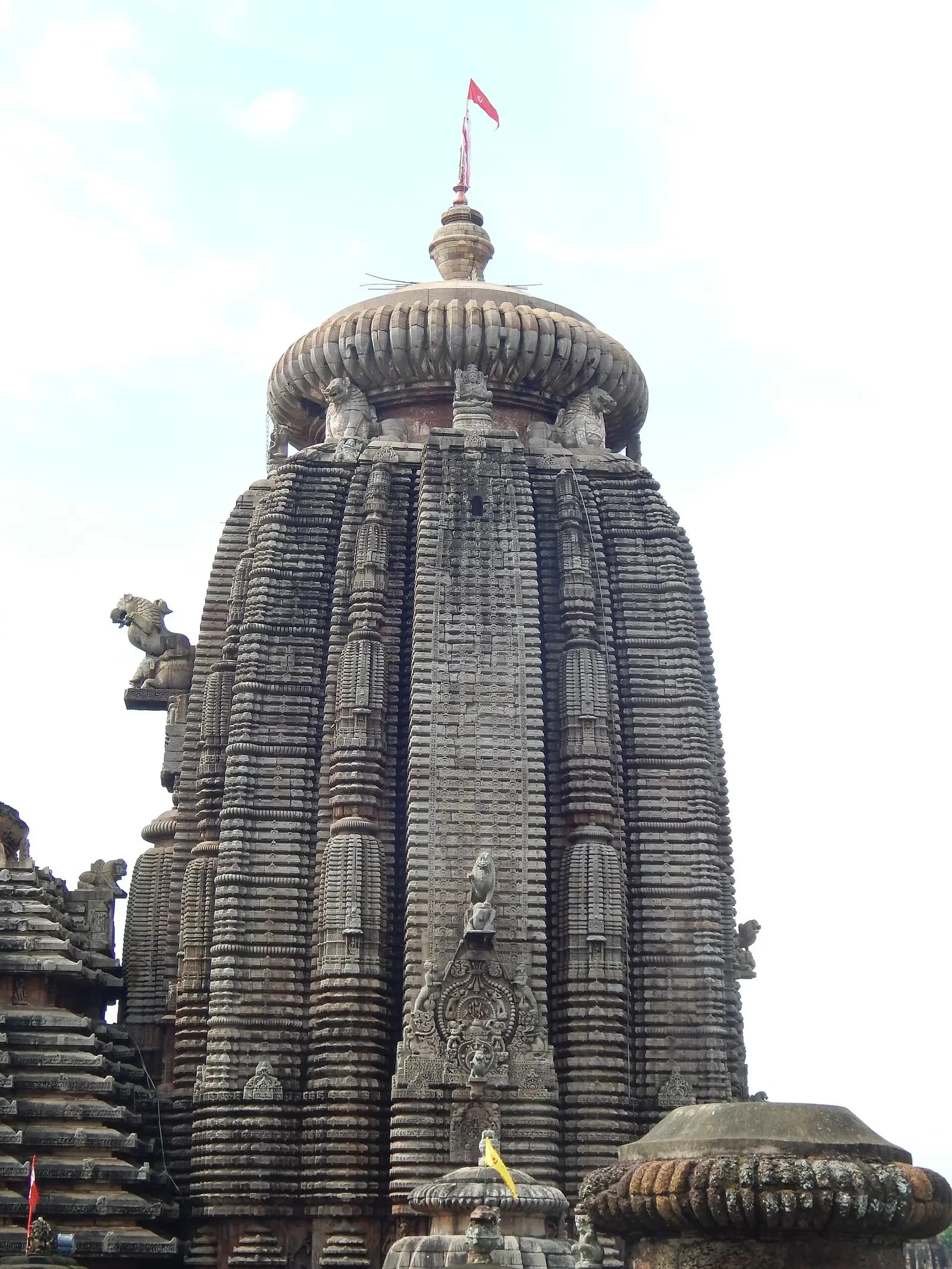
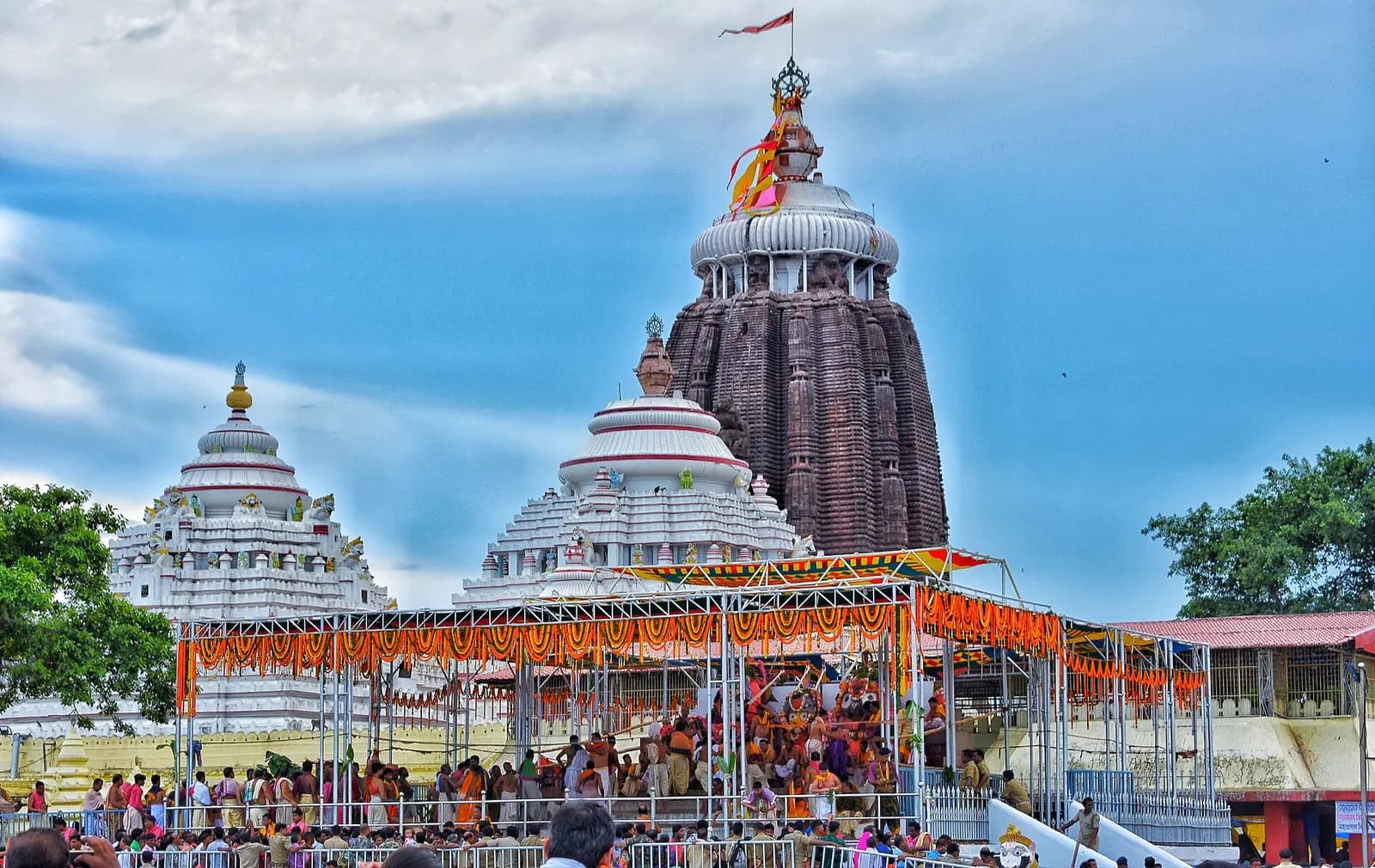
Puri's temple was begun by Anantavarman Chodaganga Deva of the Eastern Ganga dynasty in the twelfth century and completed by Anangabhima Deva III, and at about 65 metres its tower is visible from far out on the Bay of Bengal. What sets it apart is that its deities, Jagannath, Balabhadra and Subhadra, are carved from neem wood and replaced in an elaborate rite every twelve to nineteen years, and that the temple runs what is probably the largest kitchen in the world: hundreds of cooks over some 240 hearths making the Mahaprasad in earthen pots stacked one above the other, sold each afternoon in the Ananda Bazaar inside the compound. The Rath Yatra in June or July is India's most physical festival, when the three chariots, Nandighosa, Taladhwaja and Darpadalana, are newly built each year and hauled three kilometres to the Gundicha Temple.
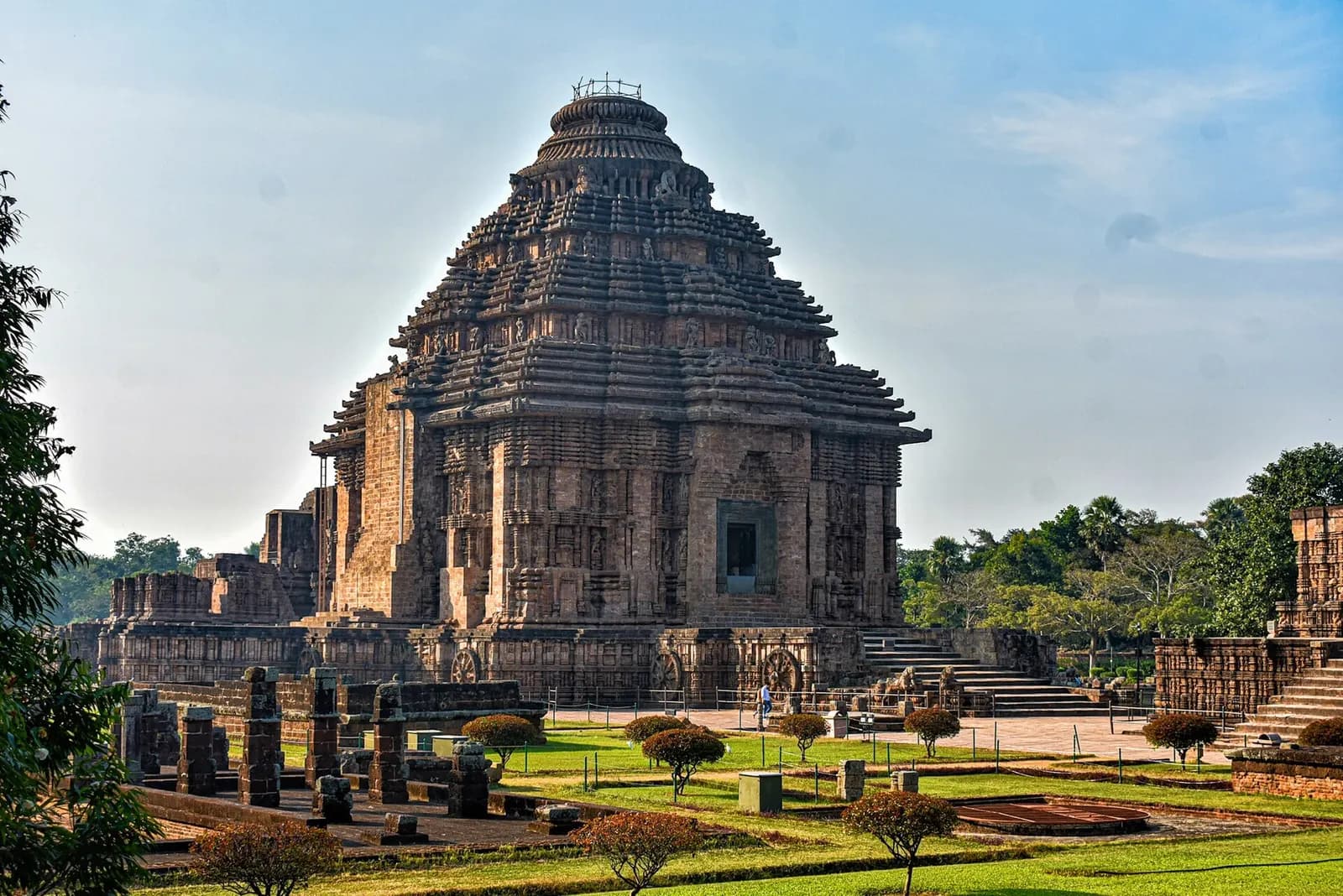
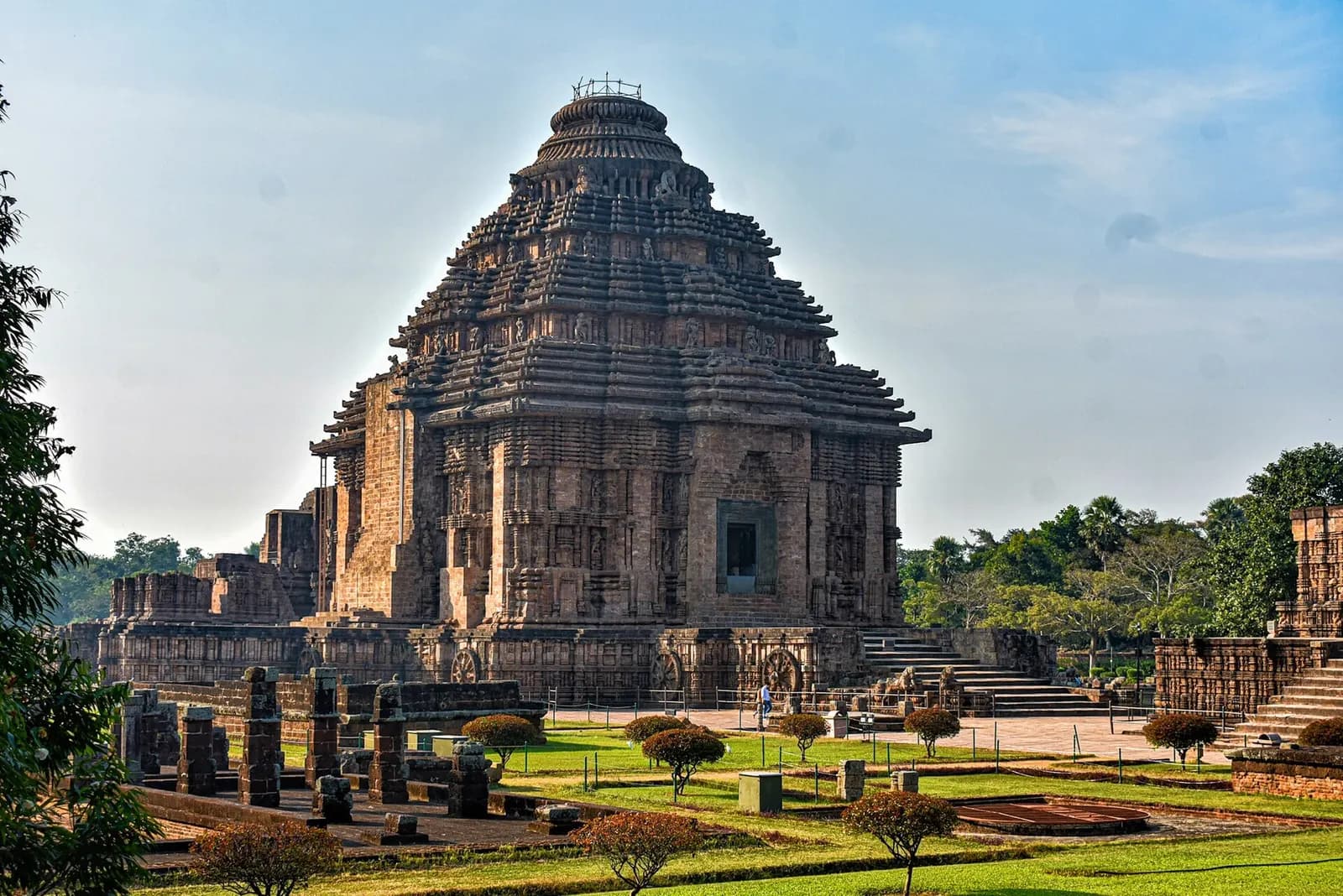
Around all this is a beach town with a long, wide shore where fishermen still launch through the surf, and where dawn brings sea-facing yoga and thousands of pilgrims taking a dip at Swargadwar before darshan. Ten kilometres inland at Raghurajpur, every house in the village paints pattachitra scrolls, palm-leaf etchings and painted masks, and Gotipua dancers train in the lanes. Konark is thirty-five kilometres up the marine drive.
 Sweet
Sweet