DEVGAMAN

Northeast India · Valley

Dzukou Valley

Bamboo-grass hills and the Dzukou lily above Kohima

25.57° N · 94.08° E

Best months to be here

  • January
  • February
  • March
  • April
  • May
  • June — a best month
  • July — a best month
  • August
  • September
  • October — a best month
  • November — a best month
  • December — a best month

Best: Jun–Jul

At a glance

Region
Northeast India
Kind of place
Valley · Timeless
Ideal stay
2 days
Altitude
2,438 m
Coordinates
25.57° N, 94.08° E

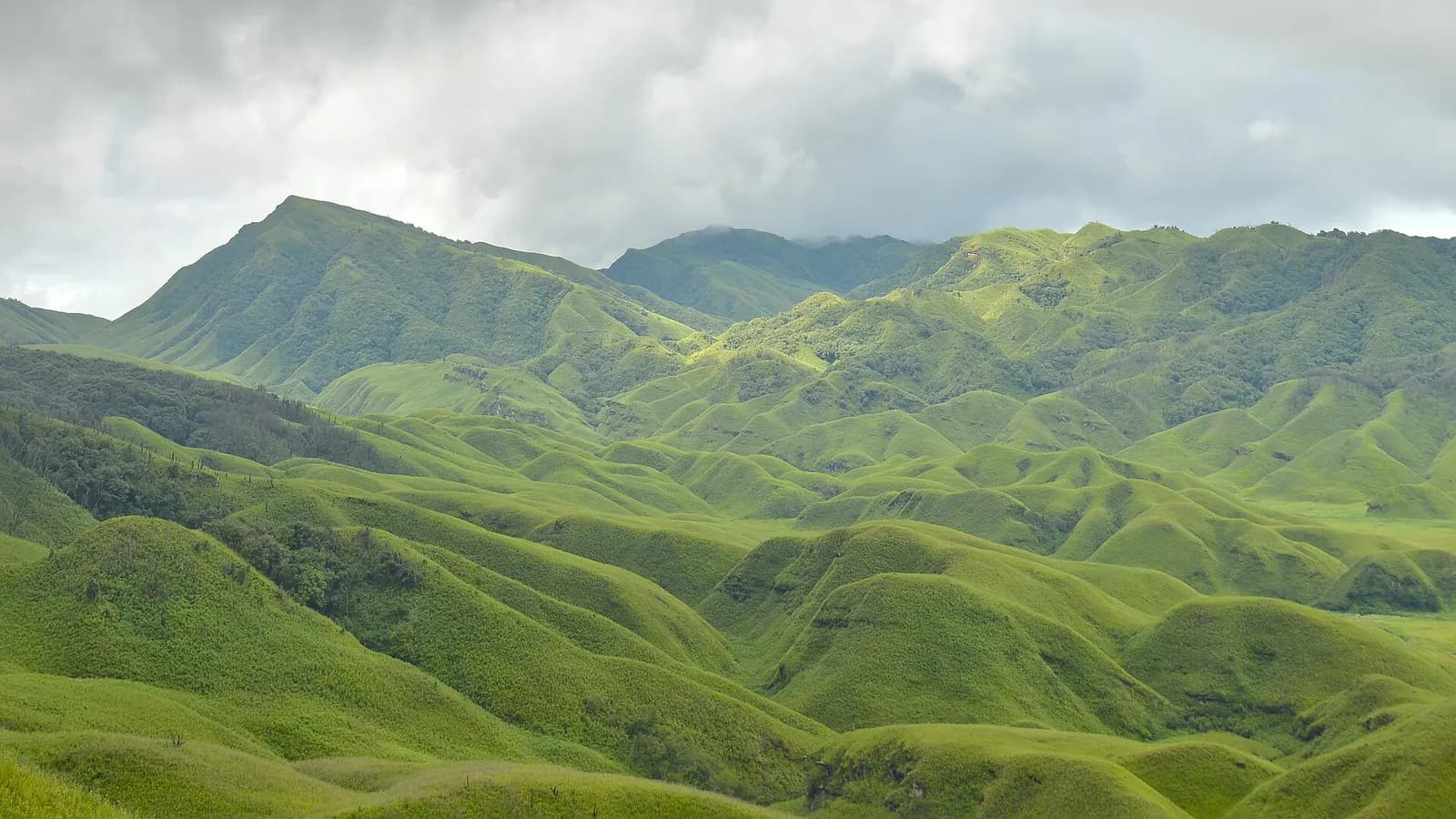
Dzukou is a broad upland valley at about 2,440 metres on the Nagaland-Manipur boundary, and its surface is the strange part: a dense dwarf bamboo that grows to knee height and no higher, so the hills roll away in a green baize that looks mown. A stream cuts a shallow gorge through the middle and freezes into ribbons of ice in January. The usual approach is from Viswema, twenty-five kilometres south of Kohima, where a rough track takes vehicles most of the way up and a stiff climb of an hour or two finishes the job; the older route from Jakhama is longer and rougher, and most trekkers use it as the way down.

At the top there is a rest house with dormitories, a kitchen, cold water and a queue for both, plus caves that trekkers have sheltered in for decades. Late June and July bring the Dzukou lily, a pale pink Lilium recorded nowhere else, along with rhododendrons, aconites and euphorbias; October and November bring clean air, hard frost at dawn and the sharpest views towards Japfu, at 3,048 metres the second-highest peak in Nagaland. Nothing is sold up here, and nothing is left behind either.

Everything you carry in, plastic included, has to come out with you, and open fires are banned after the blazes that scorched a large part of the valley in the winter of 2020.
What not to miss in Dzukou Valley

  1. The rolling dwarf-bamboo floor of the valley, unlike anywhere else in India
  2. The Dzukou lily in bloom through late June and July
  3. The frozen stream and ice ribbons in the gorge in January
  4. Sunrise over the ridge from the rest house at Dzukou base camp
  5. Japfu peak, 3,048 metres, on the skyline to the north
  6. The steep Viswema trailhead climb through pine and bamboo

Best Jun–Jul

Best time to visit Dzukou Valley

June and July for the lilies, October to December for clear cold trekking.

Give Dzukou Valley 2 days and it repays the time; with fewer you are choosing between The rolling dwarf-bamboo floor of the valley, unlike anywhere else in India and The Dzukou lily in bloom through late June and July. We build the hours around the weather — early starts when it is hot, long afternoons when it is not.

  • Ideal stay — 2 days
  • Season — Jun–Jul
  • Festivals — Hornbill Festival
Plan a trip here

On the ground

Things to do in Dzukou Valley

The days we would actually plan for you, in the order that suits the light.

  • Trek up from Viswema and descend the longer Jakhama route the next day
  • Sleep in the base camp dormitory or carry a tent and camp on the grass
  • Walk the valley floor at first light when frost still holds the bamboo
  • Pair the trek with two days in Kohima and Khonoma

At the table

What to eat in Dzukou Valley

  • Instant noodles and black tea cooked at the base camp kitchen
  • Packed smoked pork and rice carried up from Kohima
  • Galho, eaten back in Viswema after the descent

On the thali here

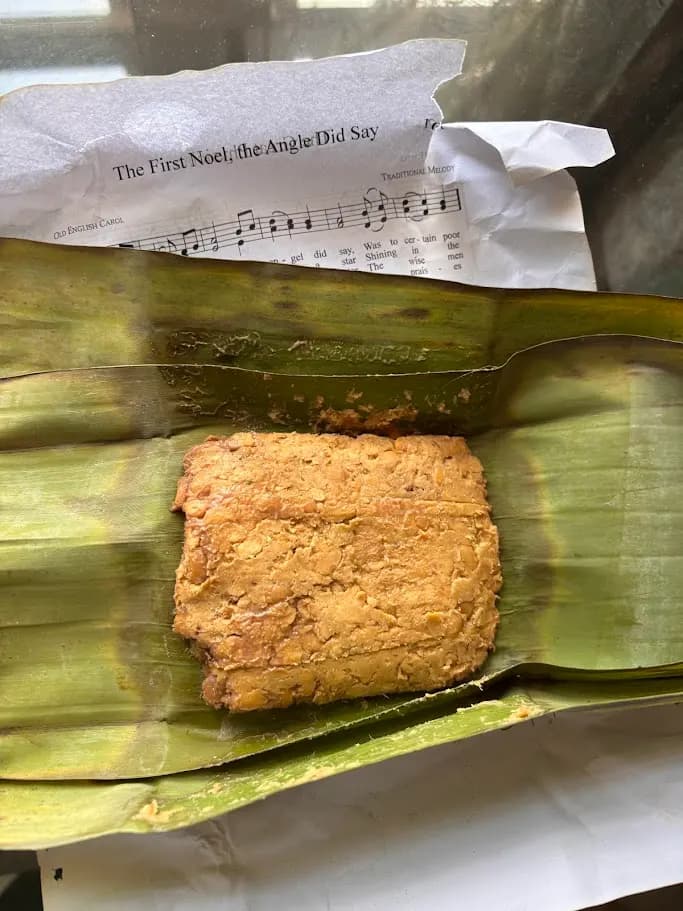
Akhuni, the Naga fermented soybean cooked with smoked porkNon-veg

Nagaland

Naga Smoked Pork with Akhuni

Pork smoked over the kitchen hearth for weeks, then stewed with akhuni fermented soybean, bamboo shoot and raja mircha, the king chilli that once held the world heat record. It is pungent, deeply savoury and eaten with sticky rice. Try it at the Kohima morning market, or at the Hornbill Festival kitchens in Kisama every December.

Getting there

How to reach Dzukou Valley

Dimapur airport and railhead are 100 km from the Viswema trailhead; drive 25 km south of Kohima on NH-2 to Viswema, then trek three to five hours.

Airport pickups, station transfers and the driver for the days here are all part of what we arrange — including the hour you should leave, which is usually earlier than you think.

Travel tips from our trips

  • Indian citizens need a Nagaland Inner Line Permit; foreign nationals need a Protected Area Permit and must register with the FRO in Kohima before trekking.
  • Carry your own sleeping bag, torch, water and warm layers: the base camp has bunks and a kitchen but little else, and nights drop below freezing in December.
  • Open fires are prohibited and all waste must be carried down; the valley burned badly in December 2020 and local groups now enforce this strictly.
  • The climb from Viswema gains around 900 metres and takes three to five hours, so start early and hire a local guide through your Kohima homestay.
  • Lily season overlaps the monsoon: July is muddy and leech-ridden but worth it for the flowers, while August and September are best skipped.

Next door

Near Dzukou Valley

Places that join Dzukou Valley without a long drive — the way a real week is built.

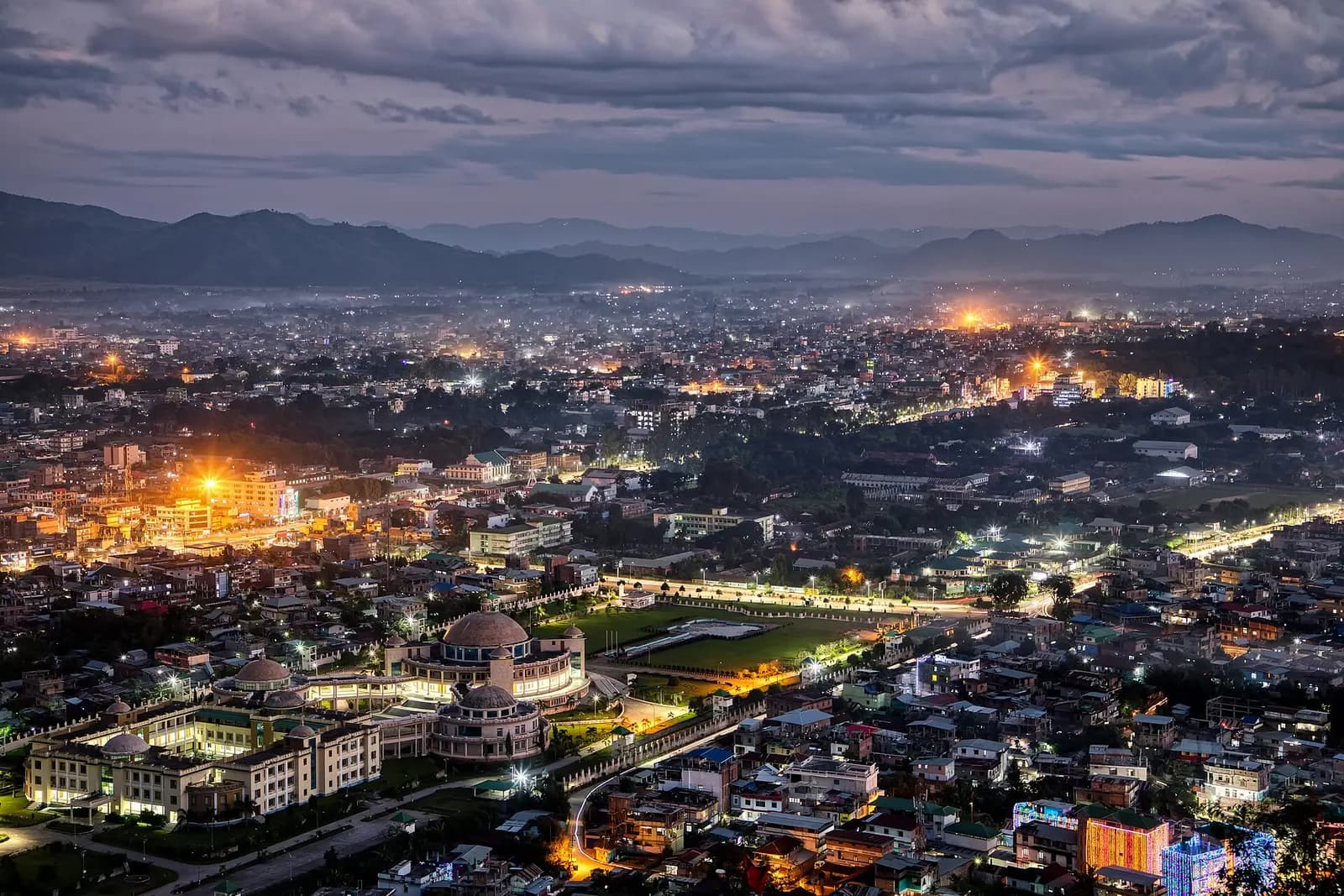
The hill town of Kohima in Nagaland with tin-roofed houses on steep slopesCity
Themes:CultureHeritageFoodOffbeat

Nagaland

Kohima

Naga hills, a war cemetery and December's Hornbill drums

Ideal stay
3 days
Best time
October to April
The western gate of Kangla Fort in Imphal with its white Kangla Sha figuresCity
Themes:CultureHeritageFoodOffbeat

Manipur

Imphal

Kangla's ramparts, a mothers' market and polo's birthplace

Ideal stay
2 days
Best time
October to March; the Sangai Festival runs in late November
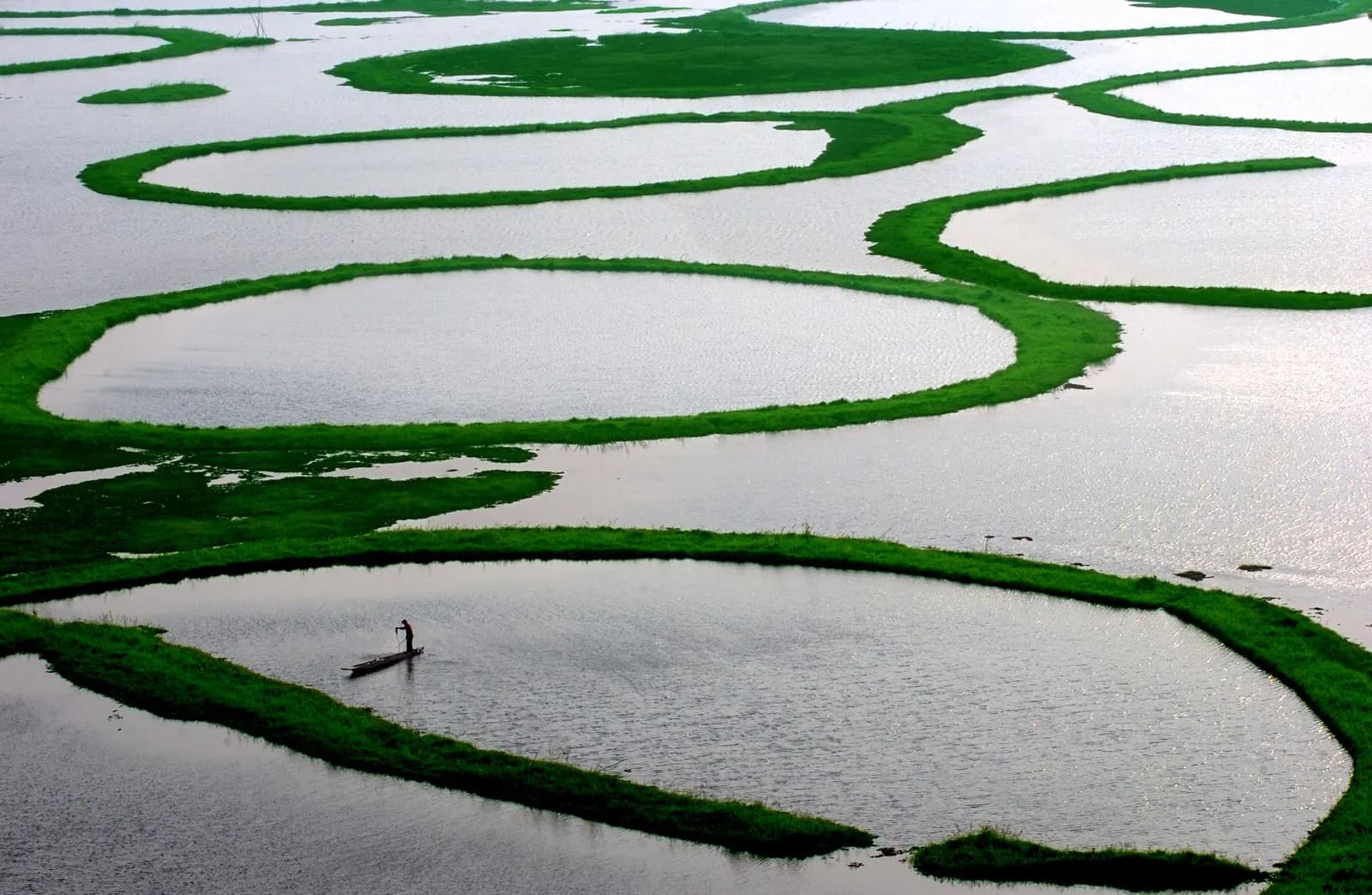
Circular floating phumdi fishing rings on Loktak Lake in ManipurLake
Themes:NatureWildlifePhotographyOffbeat

Manipur

Loktak Lake

Floating islands, fishing rings and the last sangai deer

Ideal stay
2 days
Best time
October to March
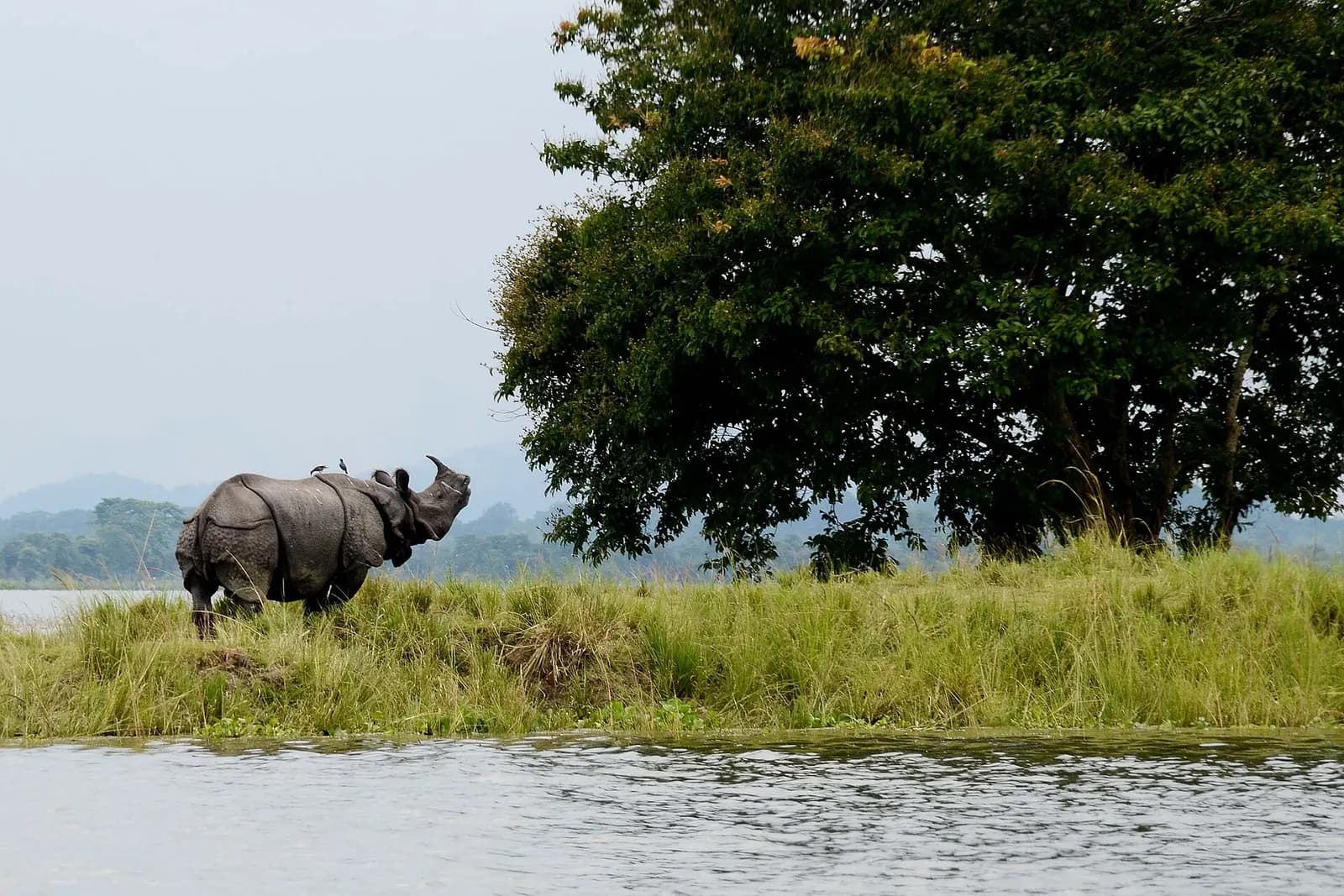
Greater one-horned rhinoceros grazing in the tall grass of Kaziranga National ParkWildlife
Themes:WildlifeNaturePhotographyFamily

Assam

Kaziranga

One-horned rhinos grazing the Brahmaputra's tall-grass floodplain

Ideal stay
2 days
Best time
November to April; January to March for the best sightings

Before you ask

Questions we are asked about Dzukou Valley

When is the best time to visit Dzukou Valley?
June and July for the lilies, October to December for clear cold trekking. On the calendar that is Jun–Jul. We build Dzukou Valley into a journey inside that window wherever we can; when your dates are fixed outside it, we re-plan the hours of the day around the weather rather than talk you out of the trip.
How many days do you need in Dzukou Valley?
We plan 2 days in Dzukou Valley. That is enough for The rolling dwarf-bamboo floor of the valley, unlike anywhere else in India, The Dzukou lily in bloom through late June and July and The frozen stream and ice ribbons in the gorge in January, at a pace that still leaves room for a long lunch. Add a day if you are continuing to Kohima and Imphal.
How do you reach Dzukou Valley?
Dimapur airport and railhead are 100 km from the Viswema trailhead; drive 25 km south of Kohima on NH-2 to Viswema, then trek three to five hours. We arrange the transfer and the driver as part of the journey, so you are met on arrival instead of negotiating a taxi at the gate, and the timings are set around when Dzukou Valley is at its best rather than around the clock.
What is Dzukou Valley famous for?
Dzukou Valley is a valley in Nagaland, Northeast India, best known for The rolling dwarf-bamboo floor of the valley, unlike anywhere else in India, The Dzukou lily in bloom through late June and July and The frozen stream and ice ribbons in the gorge in January. Travellers come for adventure, nature, photography and offbeat, and most give it 2 days.
Is Dzukou Valley good for families?
Dzukou Valley is planned more often for adventure, nature, photography and offbeat than as a family stop, but it works well at a slower pace. 2 days, an early start and one unhurried afternoon is the shape we would suggest, inside the Jun–Jul window. Tell us who is travelling and we will pace it around them.

Dzukou Valley, planned by hand

Shall we begin?

चलिए, शुरू करते हैं

Tell us how many days you have. We will build Dzukou Valley into a journey that suits them.