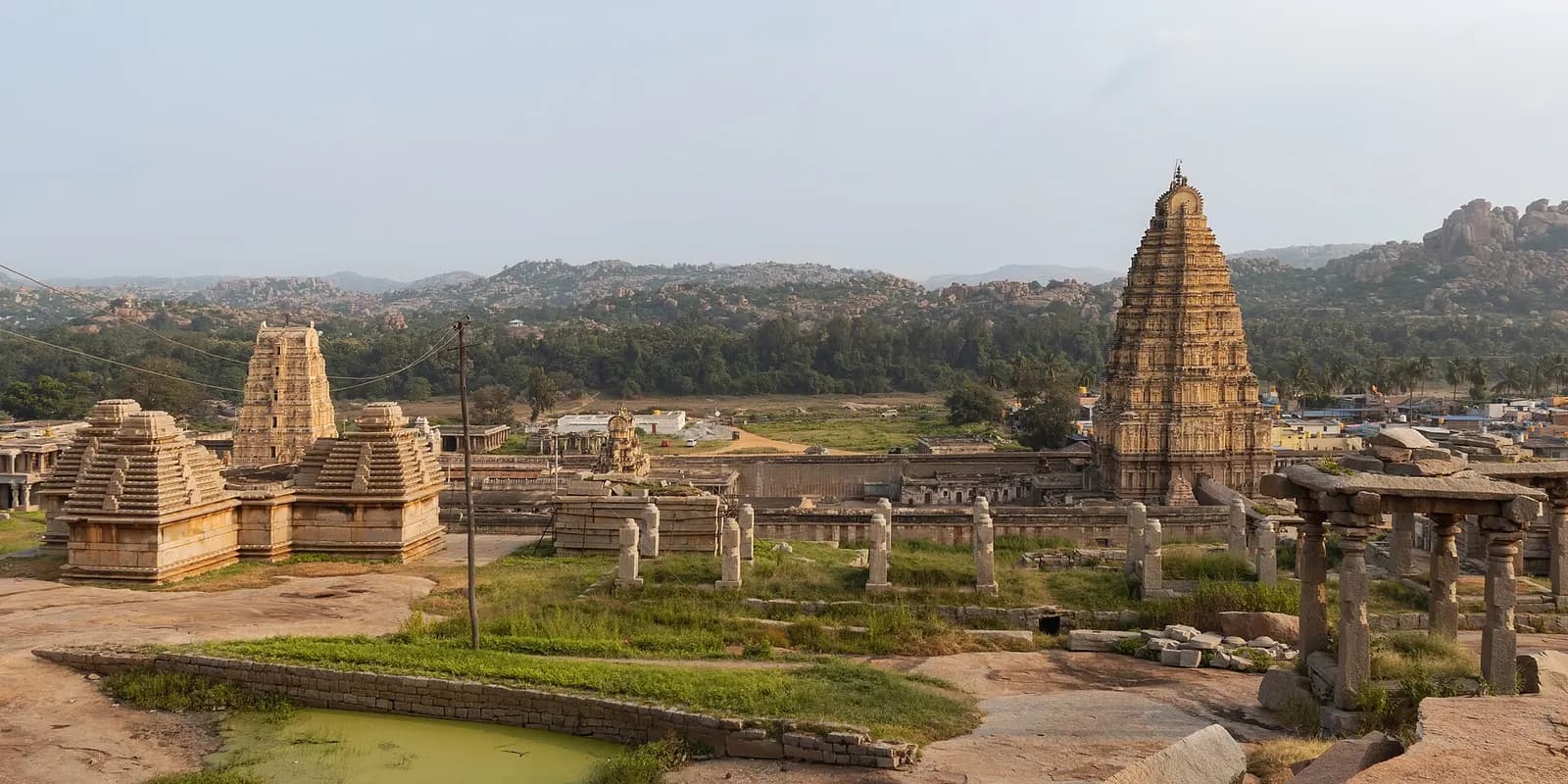
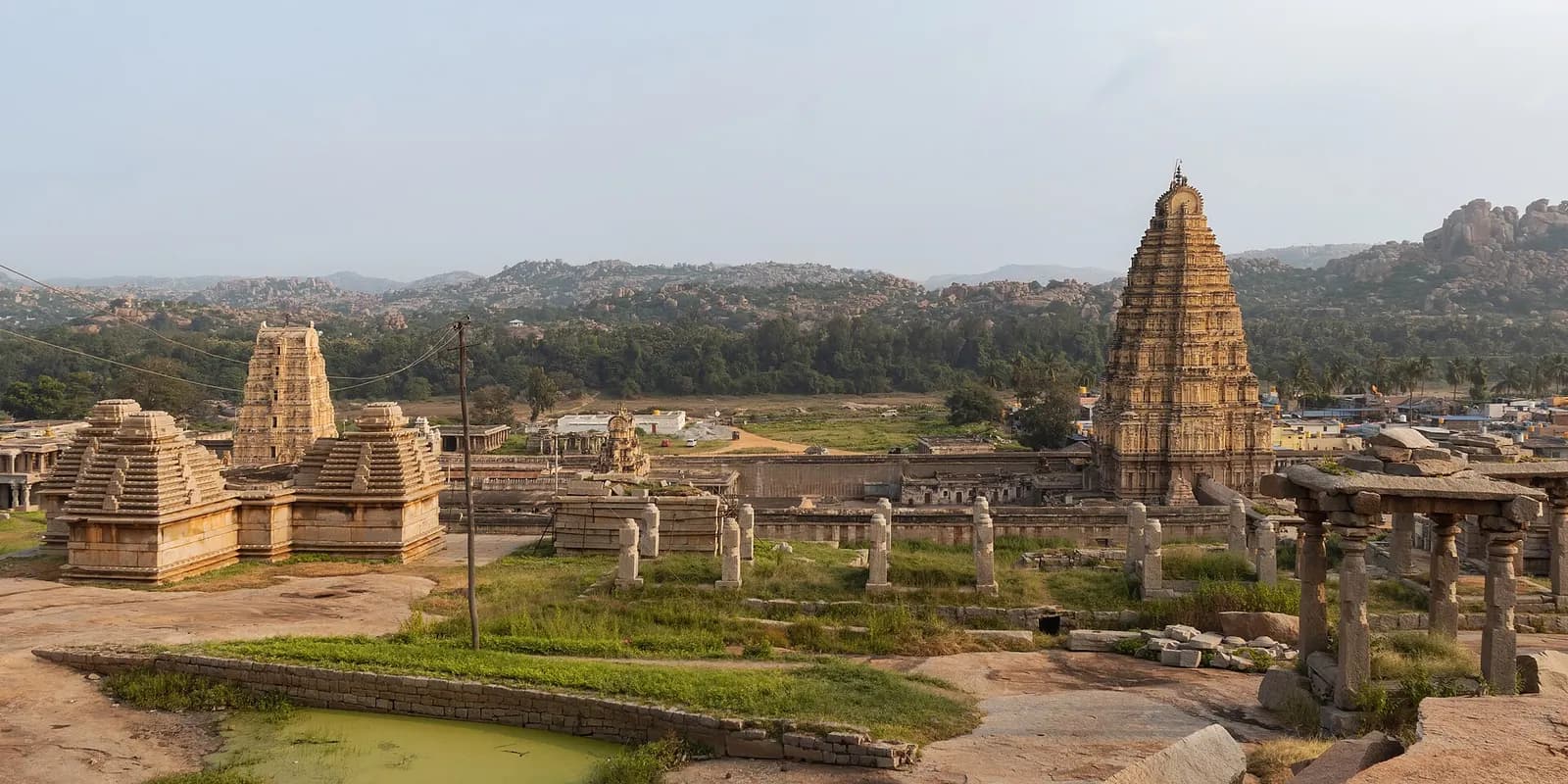
Kempe Gowda I laid out a mud fort and four market streets here in 1537, and the old trade names of the pete still hold: Chickpet for cloth, Balepet for bangles, Akkipet for rice. Under Hyder Ali and Tipu Sultan the town gained Lalbagh, begun around 1760 and crowned in 1889 with a glass house modelled on the Crystal Palace; under the Raj it gained the Cantonment, whose bungalows and churches shaped MG Road and Richmond Town. A day here divides cleanly.
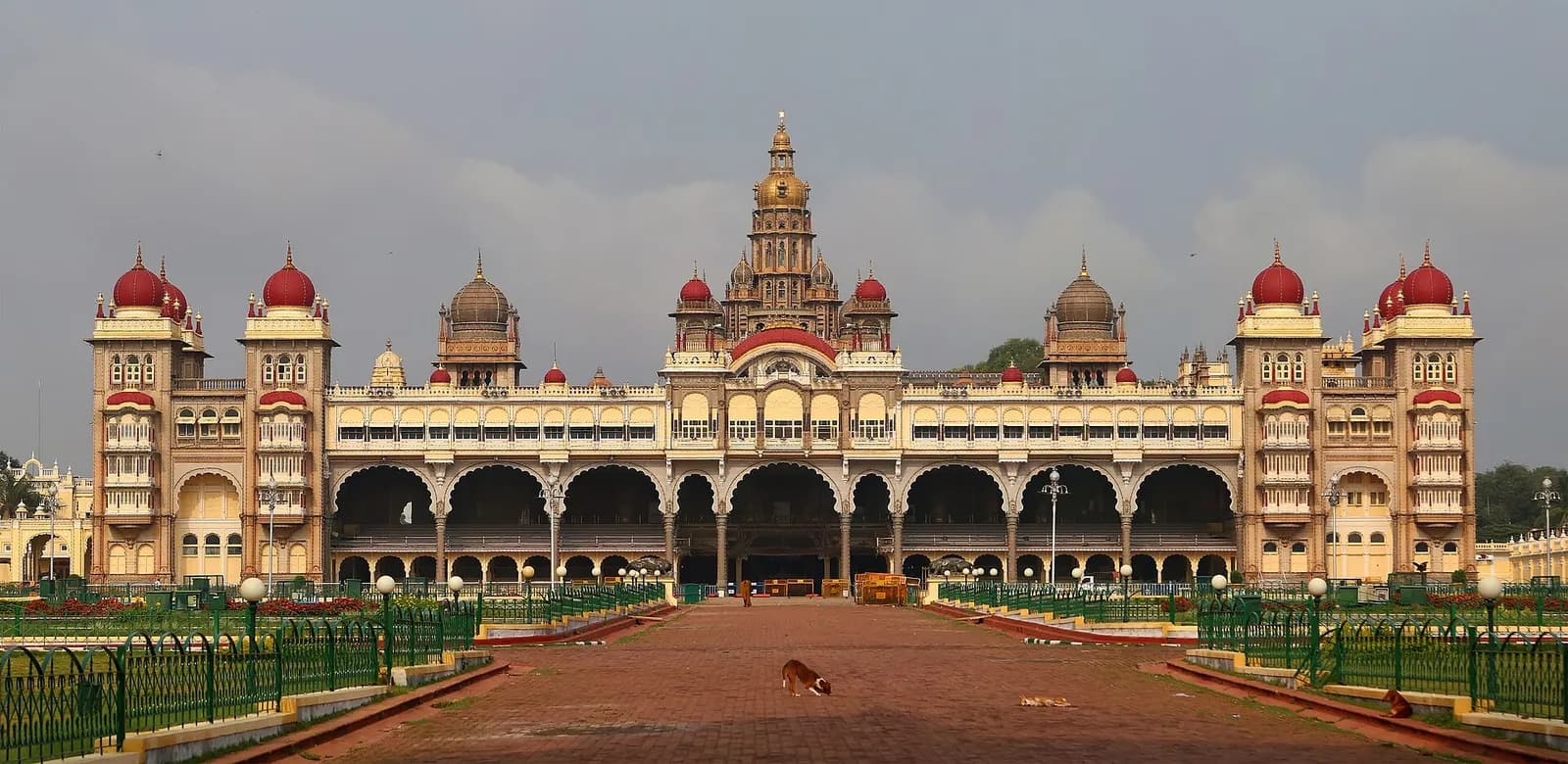
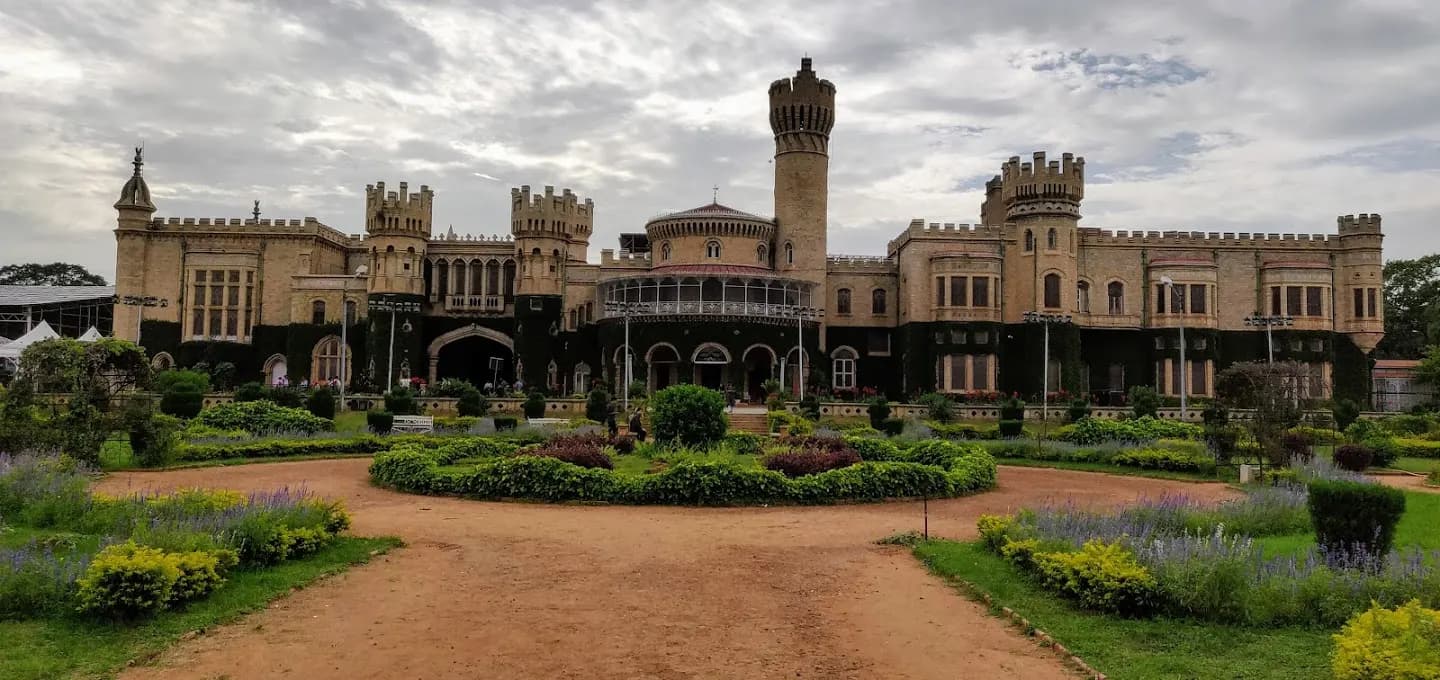
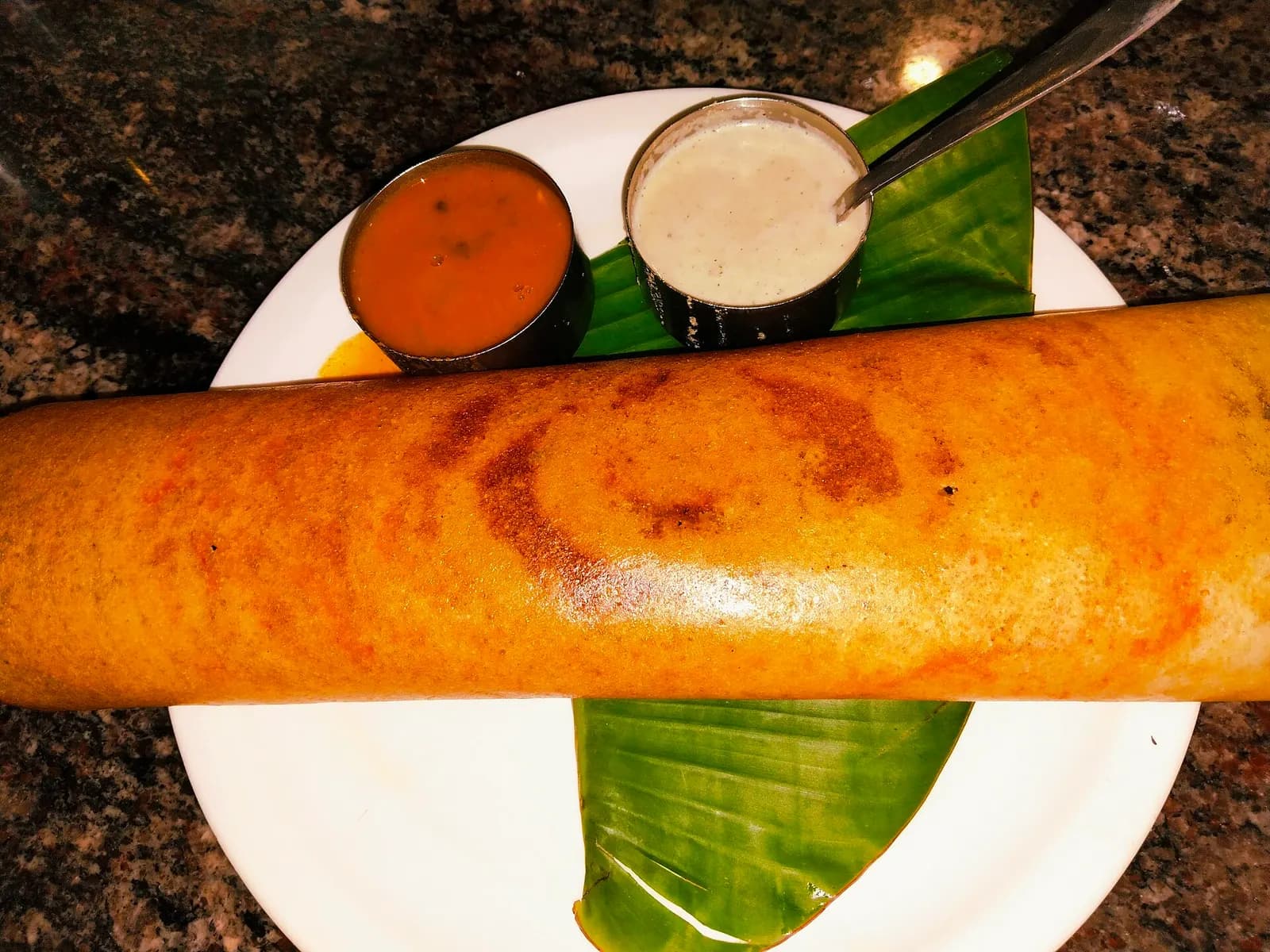
Start early on the Lalbagh rock, a peninsular gneiss outcrop some three thousand million years old with one of Kempe Gowda's four watchtowers on top, then eat benne masala dosa at CTR in Malleswaram. Mid-morning belongs to Bangalore Palace, a Tudor-revival pile of turrets and fluted wooden columns finished in 1878, and to Tipu Sultan's teak-pillared summer palace in the old city. Afternoons drift through Cubbon Park's rain trees to the granite Vidhana Soudha and the red Attara Kacheri.
Evenings are the city's real character: bookshops and cafes on Church Street, a coffee at Koshy's, and the microbrewery scene that made this India's craft-beer capital. Nandi Hills, sixty kilometres north, gives a cloud-sea sunrise and Tipu's summer fort for anyone with a spare morning.
 Vegetarian