DEVGAMAN

South India · Temple

Belur & Halebidu

Hoysala soapstone carved with the patience of ivory work
13.16° N · 75.86° E

Best months to be here

  • January — a best month
  • February — a best month
  • March
  • April
  • May
  • June
  • July
  • August
  • September
  • October — a best month
  • November — a best month
  • December — a best month

Best: Oct–Feb

At a glance

Region
South India
Kind of place
Temple · Medieval
Ideal stay
2 days
Altitude
900 m
Coordinates
13.16° N, 75.86° E

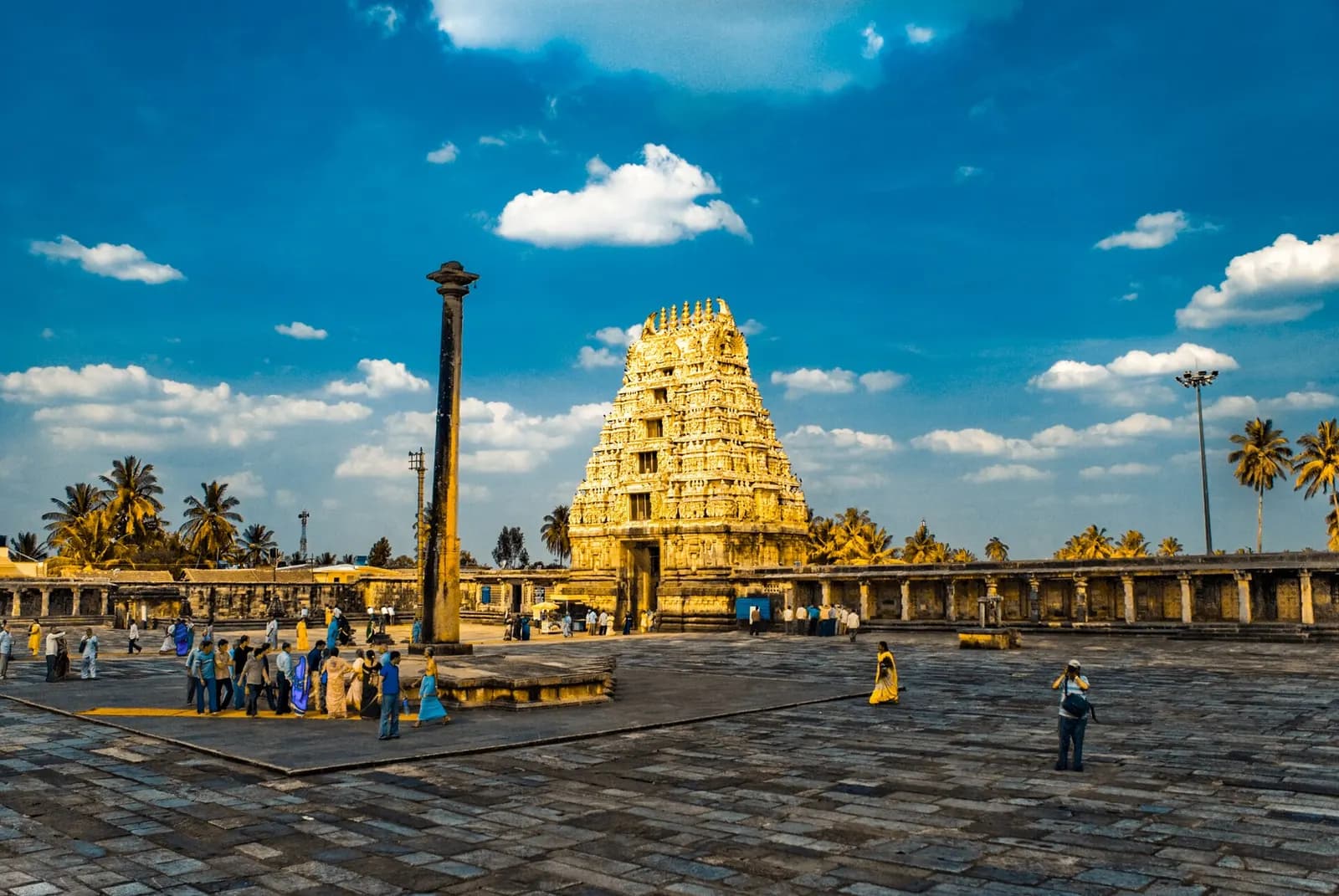
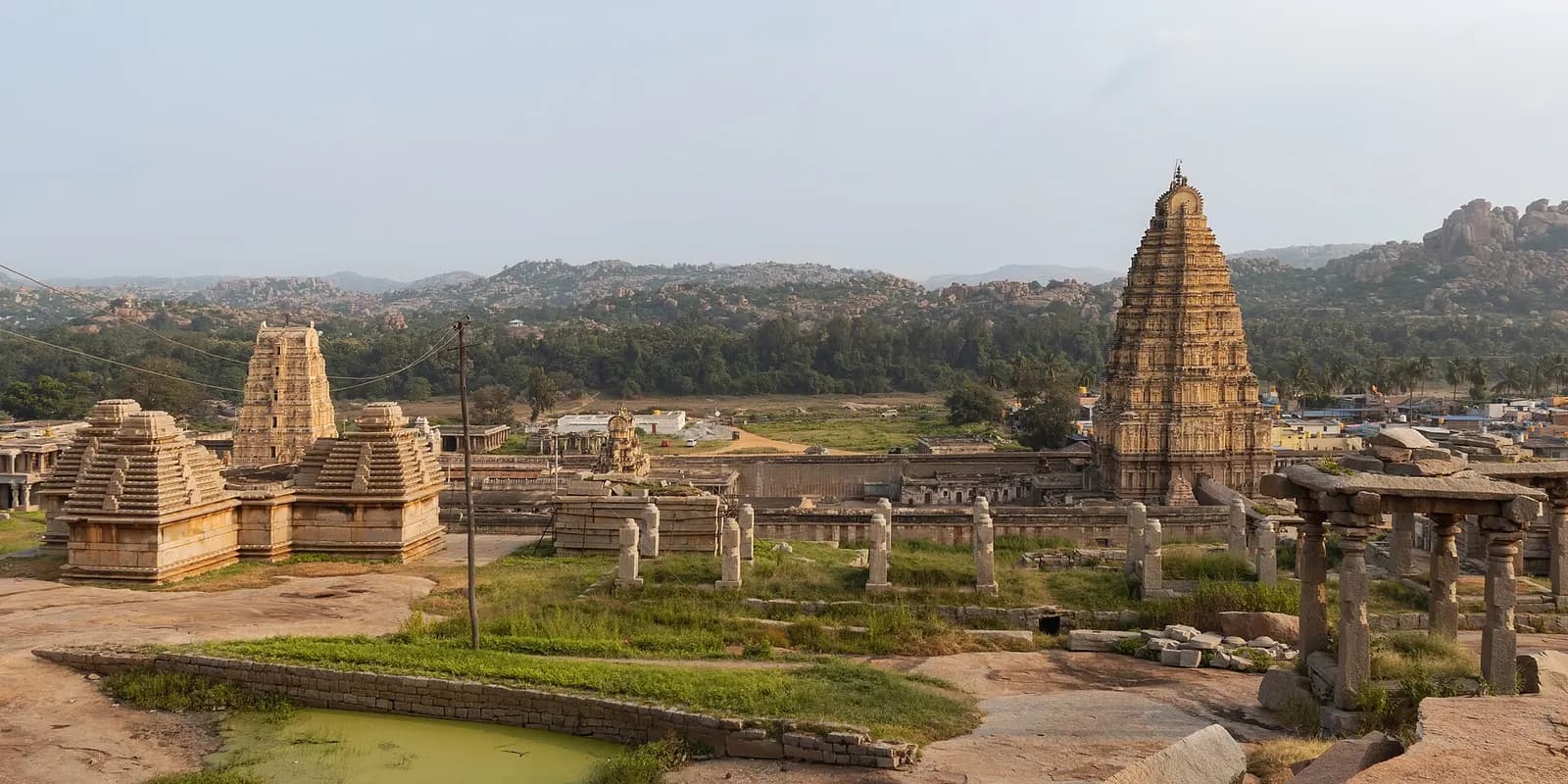
The Hoysalas ruled the southern Deccan from the eleventh to the fourteenth century and built in chloritic schist, a soapstone soft enough to be carved like ivory and hard enough to survive. Vishnuvardhana began the Chennakeshava temple at Belur in 1117 to mark his victory at Talakad; three generations worked on it for over a century, and it remains a living temple where the morning bell rings and the elephant frieze runs unbroken around the base. Look for the forty-two madanika bracket figures, especially the Darpana Sundari with her mirror, and the lathe-turned Narasimha pillar that once rotated on its axis.

Sixteen kilometres away at Halebidu, the old capital Dwarasamudra until Malik Kafur's raids of 1311 and 1327, the Hoysaleswara temple was begun in 1121 and never finished, yet its walls carry the densest sculpture in the country: bands of elephants, lions, horses and foliage, and the Mahabharata read left to right. Two Nandi pavilions face the twin shrines, and a group of Jain basadis with mirror-polished black pillars sits beside a tank a short walk away. UNESCO inscribed the Sacred Ensembles of the Hoysalas, including Somanathapura, in 2023.

Half a day covers both, which leaves time for Shravanabelagola, eighty-five kilometres southeast, where a seventeen-metre Bahubali carved around 983 stands on a granite hill.

What not to miss in Belur & Halebidu

  1. Chennakeshava Temple at Belur and its 42 madanika bracket figures
  2. The unfinished Hoysaleswara Temple at Halebidu
  3. Jain basadis at Halebidu with mirror-polished stone pillars
  4. The Narasimha pillar and Darpana Sundari at Belur
  5. Kedareshwara Temple beside the Halebidu tank
  6. Gommateshwara Bahubali at Shravanabelagola, 85 km southeast

Best Oct–Feb

Best time to visit Belur & Halebidu

October to February, when the Hassan plateau is dry and mild.

Give Belur & Halebidu 2 days and it repays the time; with fewer you are choosing between Chennakeshava Temple at Belur and its 42 madanika bracket figures and The unfinished Hoysaleswara Temple at Halebidu. We build the hours around the weather — early starts when it is hot, long afternoons when it is not.

  • Ideal stay — 2 days
  • Season — Oct–Feb
Plan a trip here

On the ground

Things to do in Belur & Halebidu

The days we would actually plan for you, in the order that suits the light.

  • Guided reading of the Ramayana and Mahabharata friezes panel by panel
  • Attend the morning puja at Belur, still a functioning temple
  • Climb the 600-odd rock-cut steps up Vindhyagiri at Shravanabelagola
  • Add Somanathapura's Chennakesava temple near Mysuru to complete the Hoysala trio
  • Photograph the soapstone in low light, when the undercut carving reads best

At the table

What to eat in Belur & Halebidu

  • Akki rotti and ragi mudde with soppina saaru
  • Maddur vada, the crisp onion and semolina vada of Old Mysore
  • Thatte idli with a spoon of ghee and coconut chutney
  • Malnad-style chicken curry with neer dosa
  • Hassan filter coffee and holige

Getting there

How to reach Belur & Halebidu

Kempegowda International (BLR) is 230 km and Mangaluru (IXE) 190 km; Hassan Junction is the railhead, 35 km from Belur, which is 16 km from Halebidu.

Airport pickups, station transfers and the driver for the days here are all part of what we arrange — including the hour you should leave, which is usually earlier than you think.

Travel tips from our trips

  • Belur is an active temple: leave footwear outside, dress modestly and expect a lunchtime closure
  • Hire the ASI guide at the ticket counter; the iconography is impossible to decode alone
  • Go early or late for raking light; midday sun flattens the carving
  • Both temples can be seen in one day from Hassan, which has the best hotels and rail links
  • Shravanabelagola's rock stair is barefoot and hot after 10 am; carry socks and start at sunrise

Next door

Near Belur & Halebidu

Places that join Belur & Halebidu without a long drive — the way a real week is built.

Coffee plantations and forested hills around Chikmagalur in KarnatakaHill station
Themes:NatureAdventureFoodOffbeat

Karnataka

Chikmagalur

Where Indian coffee began, under Karnataka's highest peak
Ideal stay
3 days
Best time
September to February
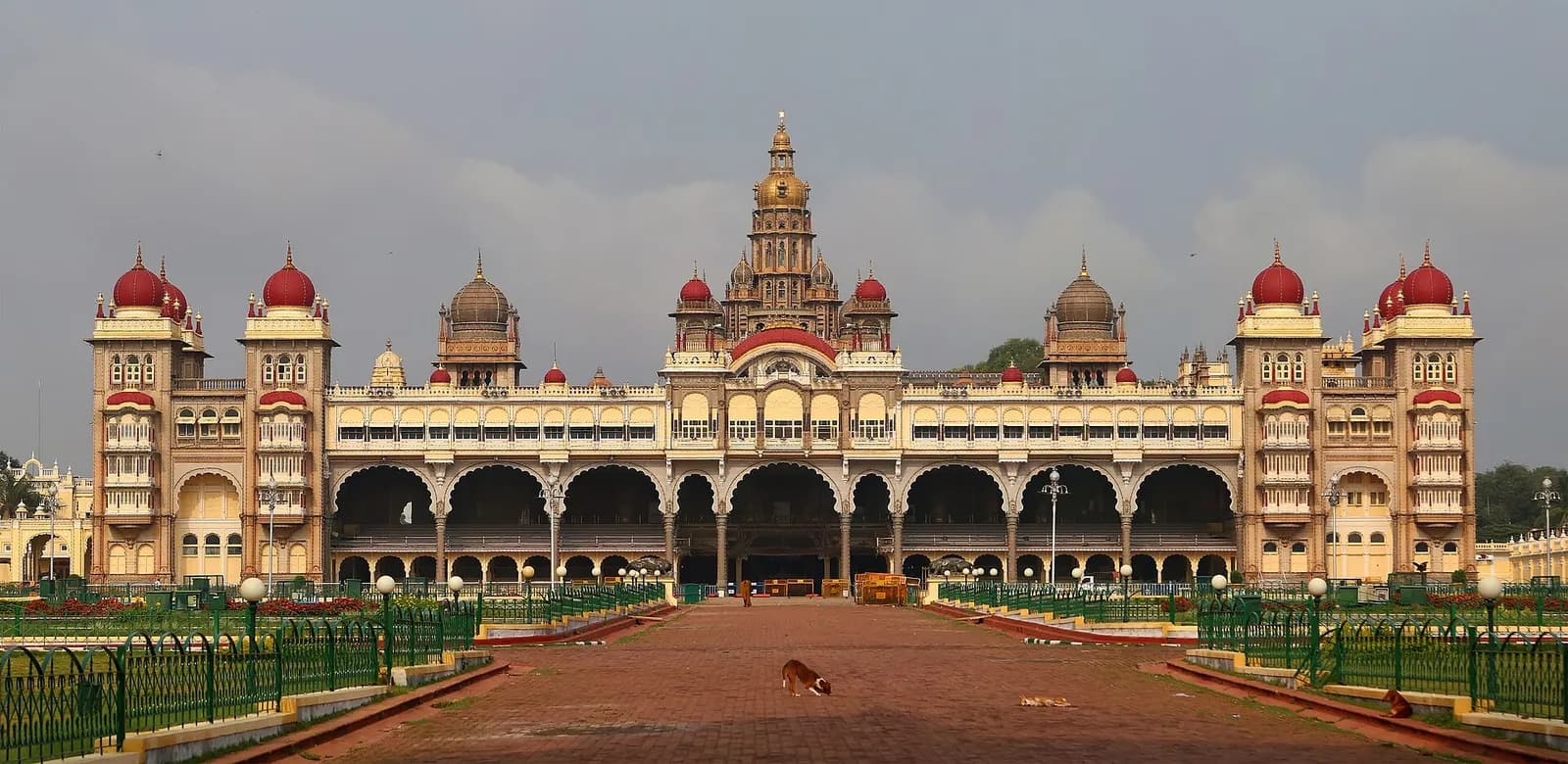
Amba Vilas Palace in Mysuru, the Indo-Saracenic seat of the Wodeyar kingsCity
Themes:HeritageCultureFoodFamily

Karnataka

Mysuru

Wodeyar palaces, sandalwood bazaars and a hill of ten-day Dasara
Ideal stay
2 days
Best time
October to February; the ten-day Dasara falls in September or October
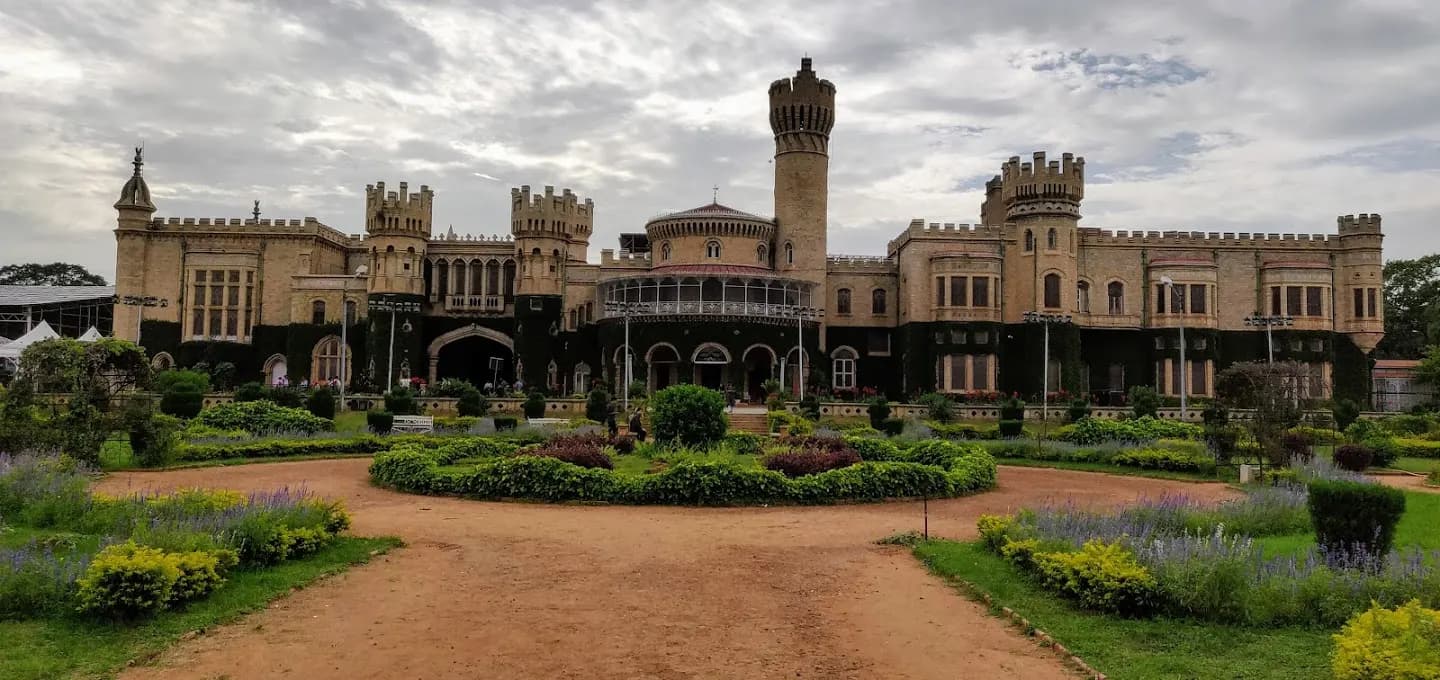
Bangalore Palace, the Tudor-revival residence of the Wodeyars in BengaluruCity
Themes:FoodCultureHeritageFamily

Karnataka

Bengaluru

Garden city of rock outcrops, filter coffee and cool plateau evenings
Ideal stay
2 days
Best time
October to February
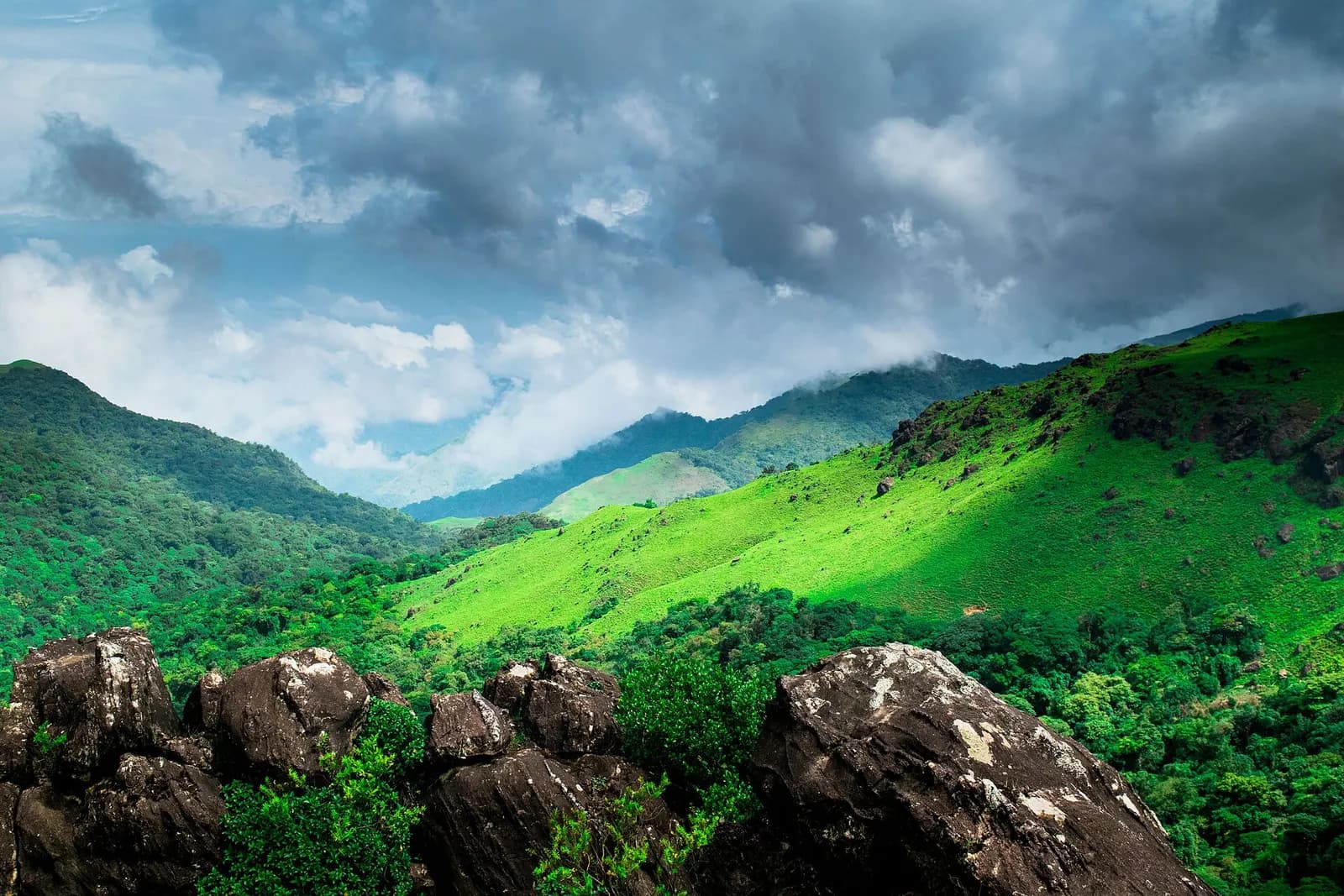
Mist over the coffee estates and forested ridges of Kodagu in KarnatakaHill station
Themes:NatureFoodCultureRomance

Karnataka

Coorg (Kodagu)

Coffee ridges, Kodava kitchens and the source of the Kaveri
Ideal stay
3 days
Best time
October to March; the June to September monsoon is heavy enough to close estate tracks
The stone chariot of the Vittala temple among the boulders of HampiHeritage
Themes:HeritagePhotographySpiritualOffbeat

Karnataka

Hampi

Vijayanagara in ruins among boulders, banana groves and one river

Ideal stay
3 days
Best time
November to February; the Deccan sun from March onwards is punishing by nine in the morning

Before you ask

Questions we are asked about Belur & Halebidu

When is the best time to visit Belur & Halebidu?
October to February, when the Hassan plateau is dry and mild. On the calendar that is Oct–Feb. We build Belur & Halebidu into a journey inside that window wherever we can; when your dates are fixed outside it, we re-plan the hours of the day around the weather rather than talk you out of the trip.
How many days do you need in Belur & Halebidu?
We plan 2 days in Belur & Halebidu. That is enough for Chennakeshava Temple at Belur and its 42 madanika bracket figures, The unfinished Hoysaleswara Temple at Halebidu and Jain basadis at Halebidu with mirror-polished stone pillars, at a pace that still leaves room for a long lunch. Add a day if you are continuing to Chikmagalur and Mysuru.
How do you reach Belur & Halebidu?
Kempegowda International (BLR) is 230 km and Mangaluru (IXE) 190 km; Hassan Junction is the railhead, 35 km from Belur, which is 16 km from Halebidu. We arrange the transfer and the driver as part of the journey, so you are met on arrival instead of negotiating a taxi at the gate, and the timings are set around when Belur & Halebidu is at its best rather than around the clock.
What is Belur & Halebidu famous for?
Belur & Halebidu is a temple town in Karnataka, South India, best known for Chennakeshava Temple at Belur and its 42 madanika bracket figures, The unfinished Hoysaleswara Temple at Halebidu and Jain basadis at Halebidu with mirror-polished stone pillars. Travellers come for heritage, culture, photography and spiritual, and most give it 2 days.
Is Belur & Halebidu good for families?
Belur & Halebidu is planned more often for heritage, culture, photography and spiritual than as a family stop, but it works well at a slower pace. 2 days, an early start and one unhurried afternoon is the shape we would suggest, inside the Oct–Feb window. Tell us who is travelling and we will pace it around them.

Photograph of Belur & Halebidu: Bikashrd · CC BY-SA 4.0

All destinations

Belur & Halebidu, planned by hand

Shall we begin?

चलिए, शुरू करते हैं

Tell us how many days you have. We will build Belur & Halebidu into a journey that suits them.