DEVGAMAN

North India · Temple

Badrinath

Vishnu's painted temple between Nar and Narayan on the Alaknanda

30.74° N · 79.49° E

Best months to be here

  • January
  • February
  • March
  • April
  • May — a best month
  • June — a best month
  • July
  • August
  • September — a best month
  • October — a best month
  • November
  • December

Best: May–Jun

At a glance

Region
North India
Kind of place
Temple · Ancient
Ideal stay
2 days
Altitude
3,133 m
Coordinates
30.74° N, 79.49° E

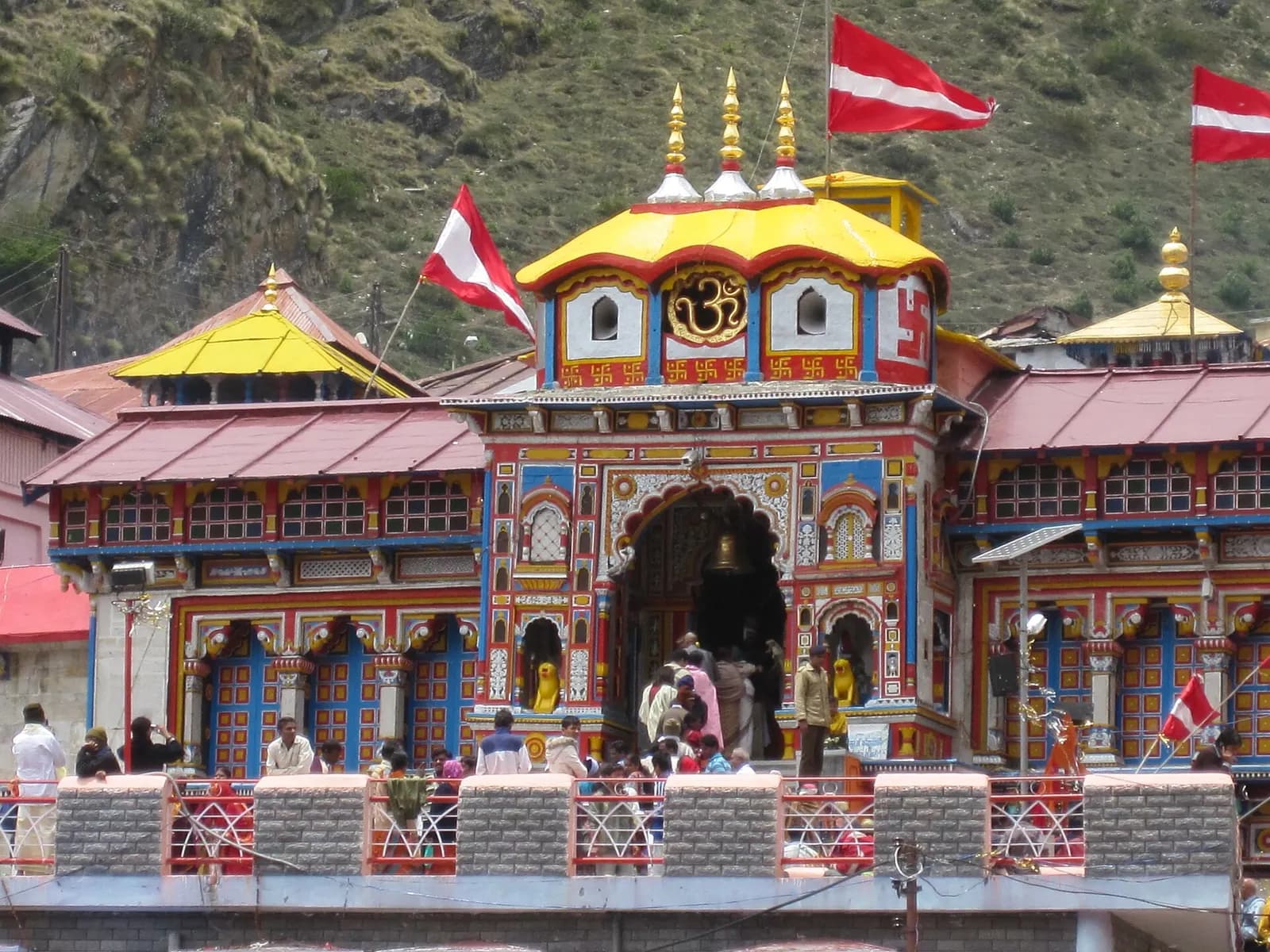
Badri is the wild berry that Vishnu, the story says, lived on while he sat in penance here under Lakshmi's shade; the temple that grew around the black shaligram idol of Badrinarayan was reorganised by Adi Shankaracharya in the eighth century and later painted by Garhwal's kings in the reds, blues and yellows it still wears. The Alaknanda runs green and loud past the temple steps, and pilgrims bathe first at Tapt Kund, a sulphur spring hot enough to cook rice, before climbing to the Singhdwar gate. The head priest, the Rawal, is by tradition a Namboodiri brahmin from Kerala, a thread Shankaracharya tied between the far ends of India.

At Brahma Kapal, beside the river, families offer pind daan for their ancestors. Three kilometres on is Mana, a Bhotia village of stone houses and woollen shawls that the government now signposts as India's first village; here the Saraswati river bursts out of the rock and vanishes under Bhim Pul, Vyas Gufa is where the Mahabharata is said to have been dictated, and the last tea shop of India serves chai to trekkers. Beyond Mana, a 5-km walk reaches the 122-m Vasudhara falls, and a long day the Satopanth lake.

Above everything hangs Neelkanth at 6,596 m, pink at sunrise. The temple opens in late April or May and shuts by mid-November, when the deity moves to the Narsingh temple at Joshimath. A day here is bells, hot spring steam and the sound of the river in a valley of extraordinary scale.
What not to miss in Badrinath

  1. Badrinath temple and the Singhdwar
  2. Tapt Kund hot spring bath
  3. Mana village, Bhim Pul and Vyas Gufa
  4. Vasudhara falls walk
  5. Brahma Kapal on the Alaknanda
  6. Neelkanth peak at sunrise

Best May–Jun

Best time to visit Badrinath

May to June and September to October; the temple opens in late April or May and closes around mid-November; monsoon landslides make July–August risky.

Give Badrinath 2 days and it repays the time; with fewer you are choosing between Badrinath temple and the Singhdwar and Tapt Kund hot spring bath. We build the hours around the weather — early starts when it is hot, long afternoons when it is not.

  • Ideal stay — 2 days
  • Season — May–Jun
Plan a trip here

On the ground

Things to do in Badrinath

The days we would actually plan for you, in the order that suits the light.

  • Attend the pre-dawn Maha Abhishek by advance booking with the temple committee
  • Walk Mana's lanes and buy hand-knitted Bhotia woollens
  • Trek Mana–Vasudhara falls and back in a morning
  • Charan Paduka climb for the valley panorama
  • Combine with Joshimath's Narsingh temple and Adi Shankaracharya's math

At the table

What to eat in Badrinath

  • Bhandara khichdi and kadhi
  • Phanu with rice
  • Mandua roti and aloo ke gutke
  • Jhangora kheer
  • Mana potatoes roasted at the last tea shop

Getting there

How to reach Badrinath

Jolly Grant (Dehradun) airport 315 km; Rishikesh railhead 295 km; by road on NH-7 via Devprayag, Rudraprayag and Joshimath (45 km from Joshimath); helicopter services from Dehradun in season.

Airport pickups, station transfers and the driver for the days here are all part of what we arrange — including the hour you should leave, which is usually earlier than you think.

Travel tips from our trips

  • Char Dham registration is compulsory; checkposts at Joshimath and Pandukeshwar verify it
  • Temple hours are about 4:30 am to 9 pm with a midday closure; VIP and abhishek slots are sold by the temple committee, not by agents
  • Bathing at Tapt Kund is customary before darshan; the water is very hot, so enter slowly
  • The road via Joshimath has convoy timings and occasional gates; leave Rishikesh by 5 am to reach the same day
  • Nights are cold year-round; oxygen is thin at 3,100 m, so rest on arrival before the climb to Charan Paduka

Next door

Near Badrinath

Places that join Badrinath without a long drive — the way a real week is built.

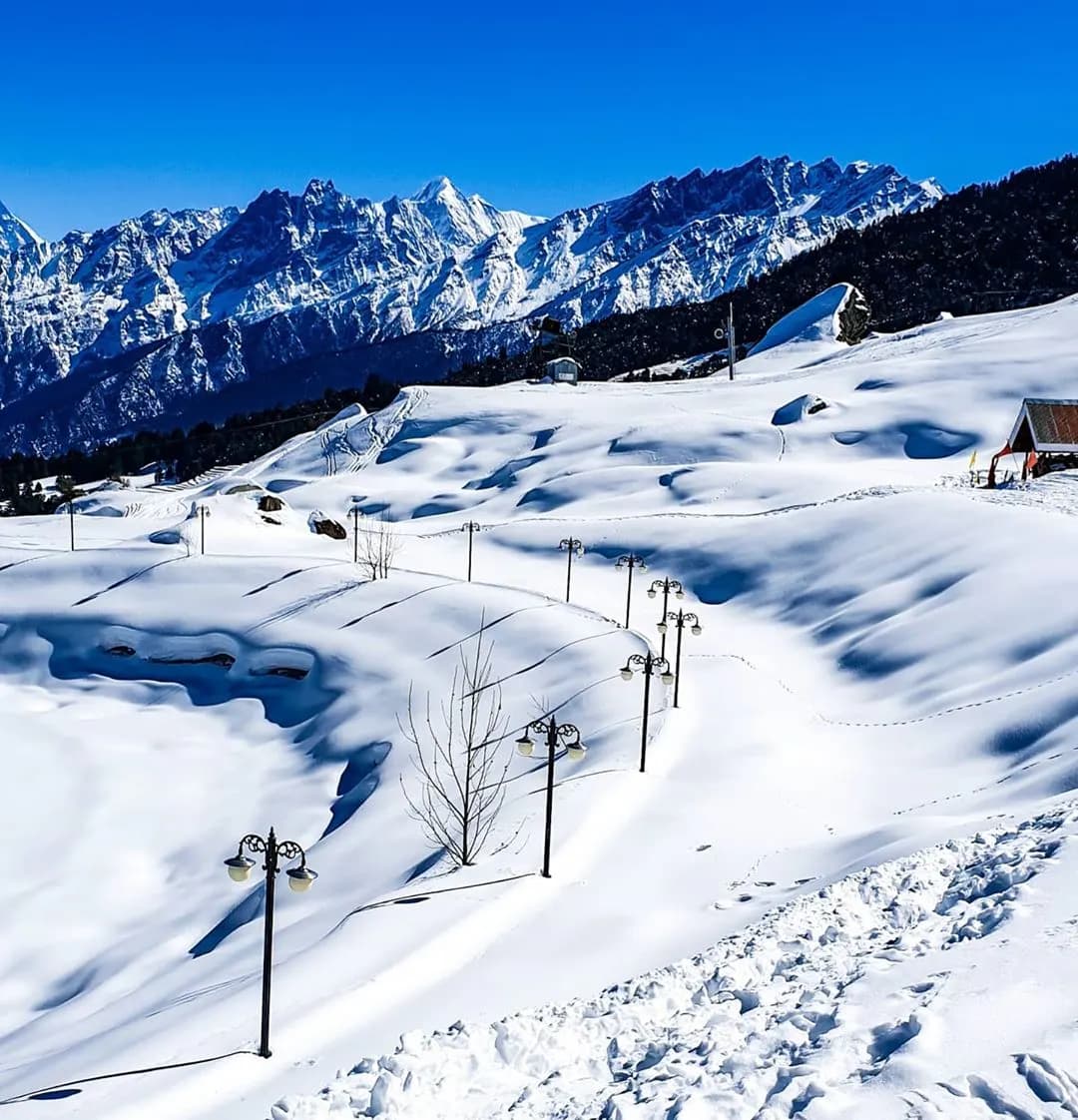
Snow-covered ski slopes of Auli with the Nanda Devi range on the horizonMountain
Themes:AdventureNatureRomancePhotography

Uttarakhand

Auli

Ski slopes and oak meadows facing Nanda Devi

Ideal stay
2 days
Best time
Late December to March for snow and skiing; May to June and September to October for the Gorson meadows and clear views of Nanda Devi
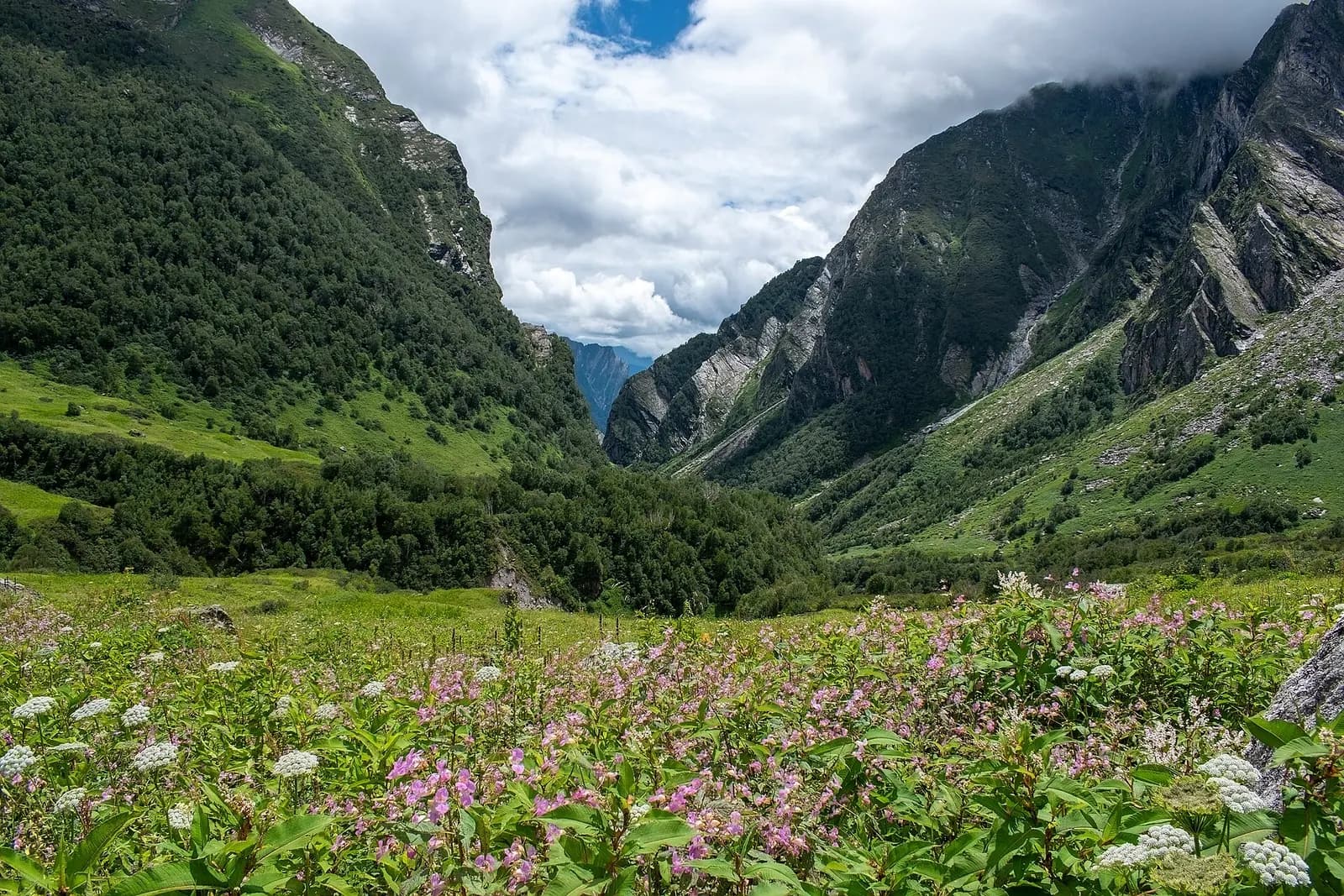
Alpine meadows in bloom in the Valley of Flowers with mist on the peaks aboveValley
Themes:NatureAdventurePhotographySpiritual

Uttarakhand

Valley of Flowers

A monsoon meadow of blue poppies and Brahma kamal above Ghangaria

Ideal stay
4 days
Best time
Mid-July to mid-August for peak bloom; the park is open from June 1 to October; Hemkund Sahib opens late May to early October
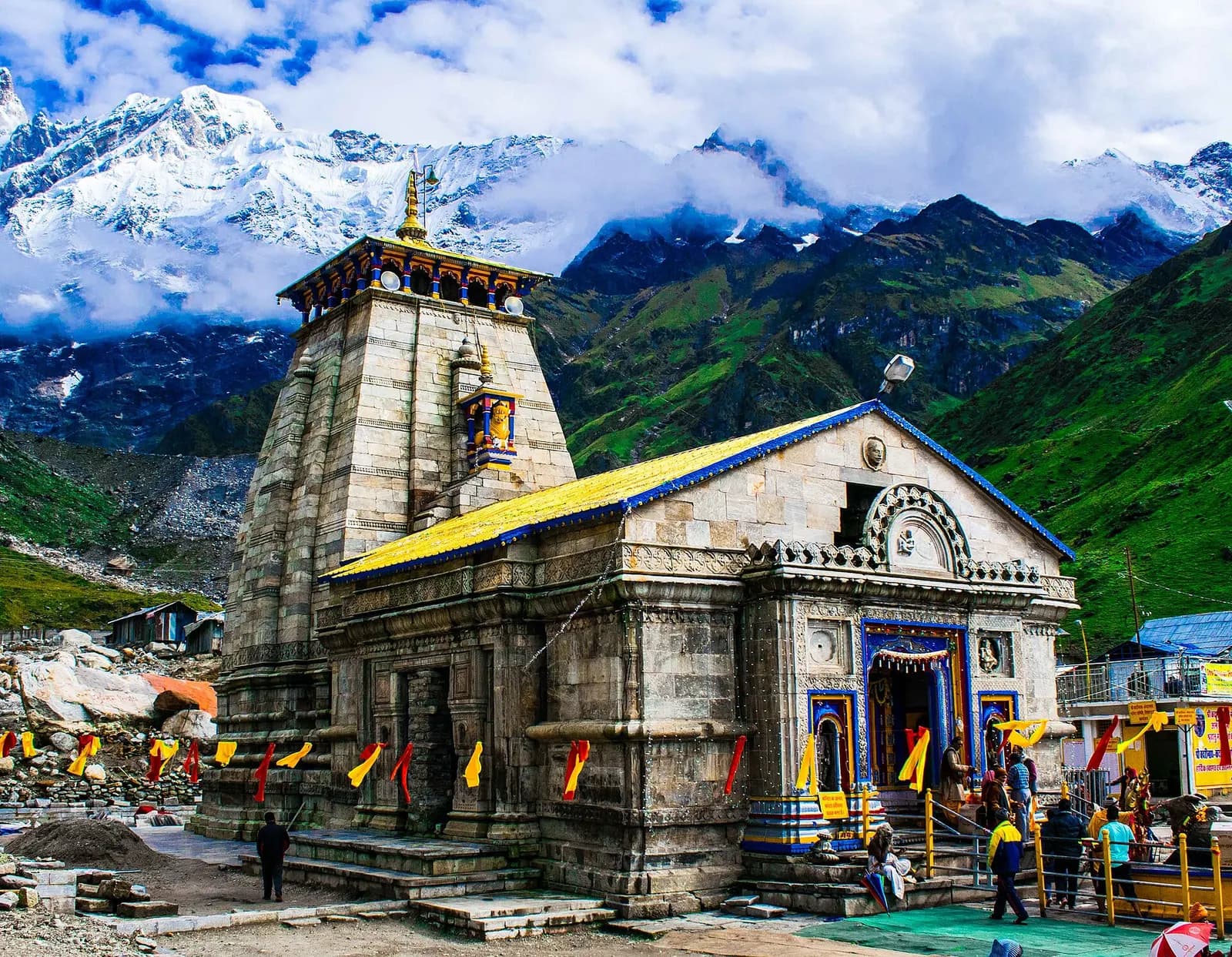
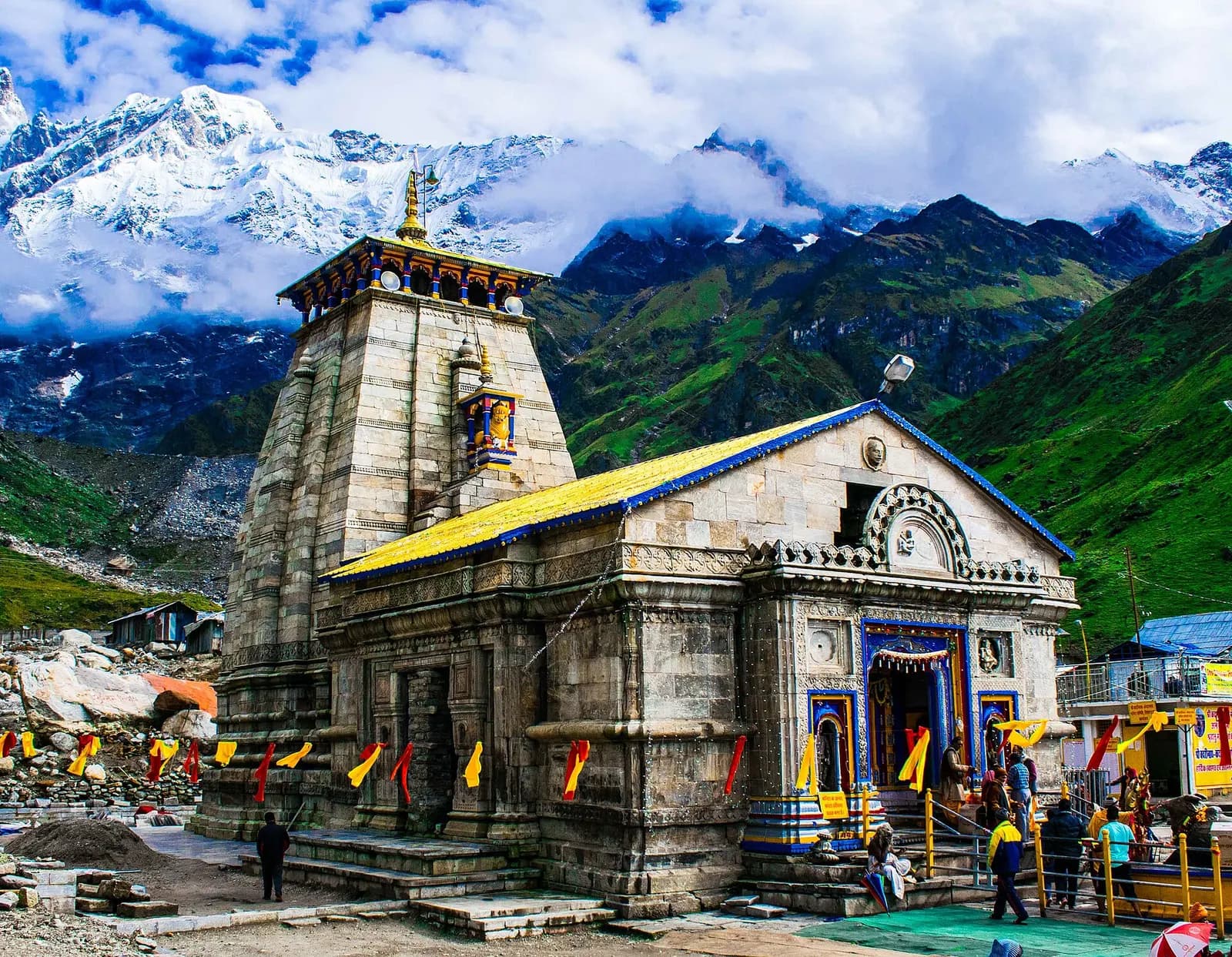
Kedarnath stone temple with snow-covered Kedar Dome rising behind itTemple
Themes:SpiritualAdventureNature

Uttarakhand

Kedarnath

A stone temple to Shiva beneath the glaciers of the Mandakini

Ideal stay
3 days
Best time
May to June and September to mid-October; the temple opens around Akshaya Tritiya
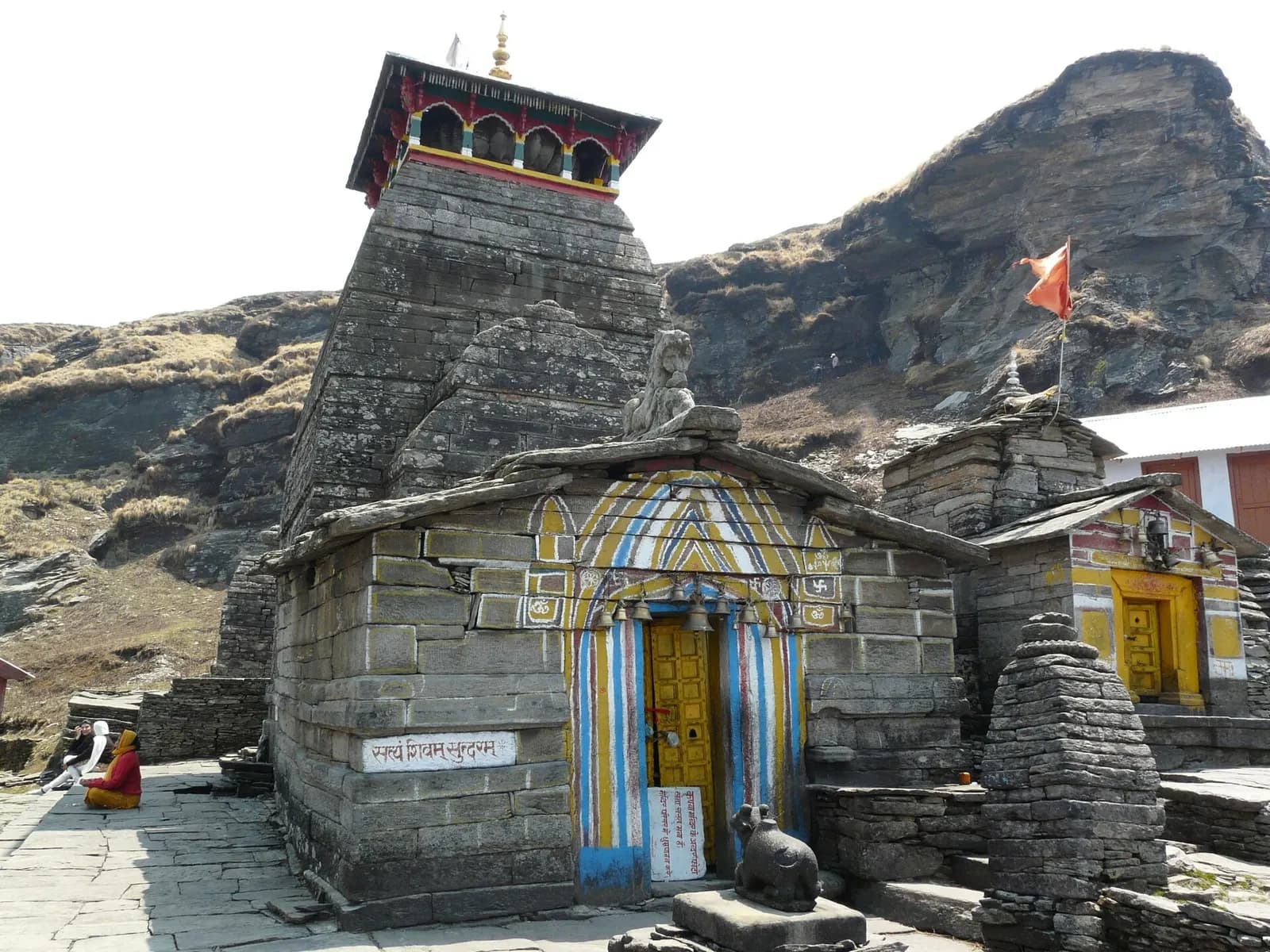
Tungnath stone temple on its ridge above Chopta with snow peaks beyondMountain
Themes:SpiritualAdventureNaturePhotography

Uttarakhand

Chopta & Tungnath

The highest Shiva temple, and a summit facing Nanda Devi

Ideal stay
3 days
Best time
March to June for rhododendron and meadows; September to November for clear peaks; December to February for snow treks
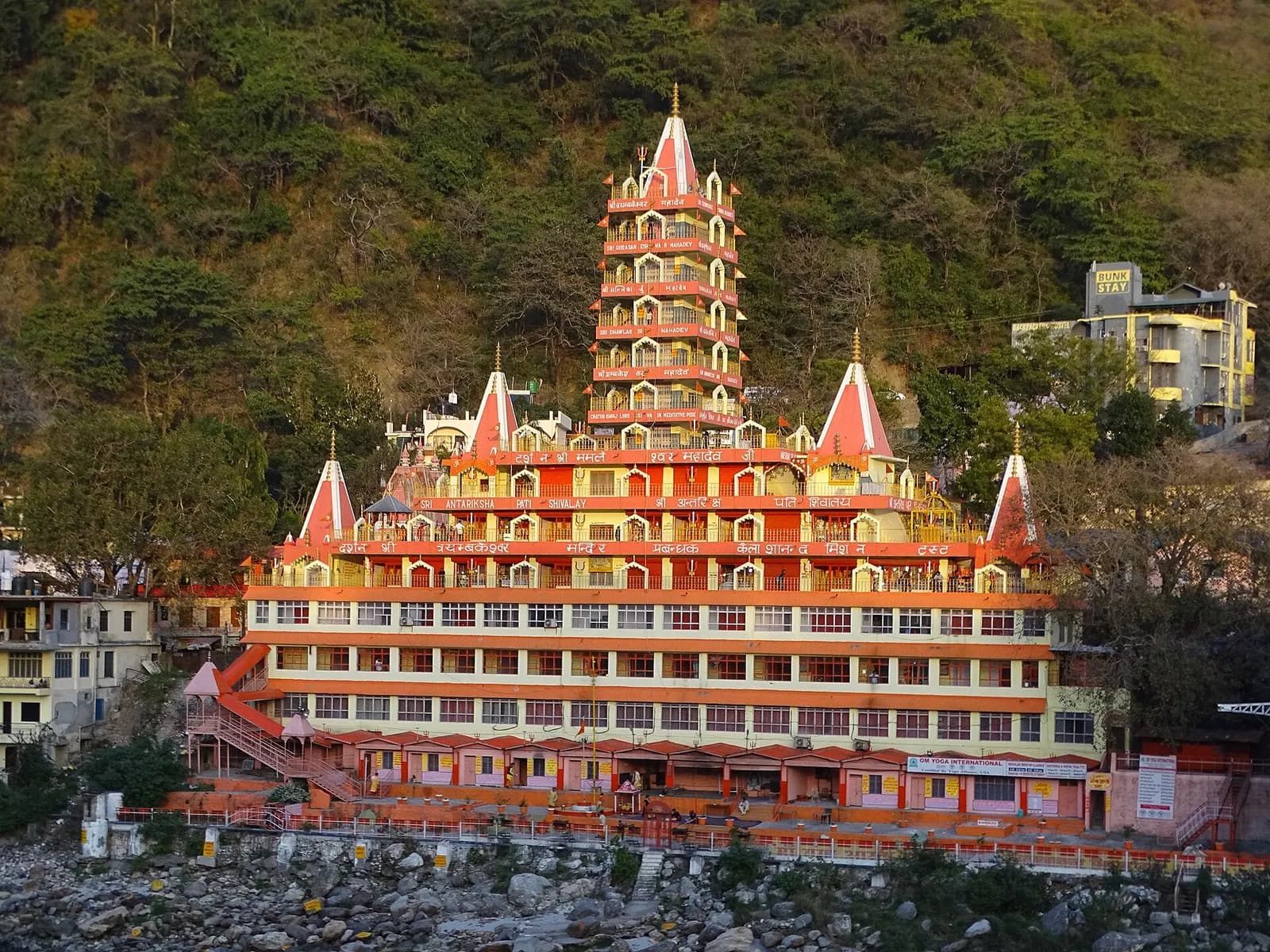
Suspension bridge over the green Ganga at Rishikesh with temples and forested hillsRiver
Themes:SpiritualWellnessAdventureFood

Uttarakhand

Rishikesh

Where the Ganga leaves the Himalaya and the world comes to breathe

Ideal stay
3 days
Best time
Late September to December and February to April; rafting runs mid-September to June; the International Yoga Festival is in the first week of March

1 journey

Tours that visit Badrinath

Kedarnath temple in stone below the snow-covered Kedarnath dome11 days · 10 nights
Themes:SpiritualAdventureNature

Challenging · Best May–Jun

Char Dham Yatra

Eleven days to the four Himalayan seats, from Har Ki Pauri to Badrinath

Route: Haridwar → Kedarnath → Badrinath → Rishikesh

Group
2–12 (private)
From
₹98,000 pp

Before you ask

Questions we are asked about Badrinath

When is the best time to visit Badrinath?
May to June and September to October; the temple opens in late April or May and closes around mid-November; monsoon landslides make July–August risky. On the calendar that is May–Jun. We build Badrinath into a journey inside that window wherever we can; when your dates are fixed outside it, we re-plan the hours of the day around the weather rather than talk you out of the trip.
How many days do you need in Badrinath?
We plan 2 days in Badrinath. That is enough for Badrinath temple and the Singhdwar, Tapt Kund hot spring bath and Mana village, Bhim Pul and Vyas Gufa, at a pace that still leaves room for a long lunch. Add a day if you are continuing to Auli and Valley of Flowers.
How do you reach Badrinath?
Jolly Grant (Dehradun) airport 315 km; Rishikesh railhead 295 km; by road on NH-7 via Devprayag, Rudraprayag and Joshimath (45 km from Joshimath); helicopter services from Dehradun in season. We arrange the transfer and the driver as part of the journey, so you are met on arrival instead of negotiating a taxi at the gate, and the timings are set around when Badrinath is at its best rather than around the clock.
What is Badrinath famous for?
Badrinath is a temple town in Uttarakhand, North India, best known for Badrinath temple and the Singhdwar, Tapt Kund hot spring bath and Mana village, Bhim Pul and Vyas Gufa. Travellers come for spiritual, nature and adventure, and most give it 2 days.
Is Badrinath good for families?
Badrinath sits at 3,133 m, so altitude decides it. It suits families with older children who can give a day to acclimatising before anything strenuous. We plan 2 days here, keep the first one slow, and travel in May–Jun when the road and the weather are at their most forgiving.

Badrinath, planned by hand

Shall we begin?

चलिए, शुरू करते हैं

Tell us how many days you have. We will build Badrinath into a journey that suits them.