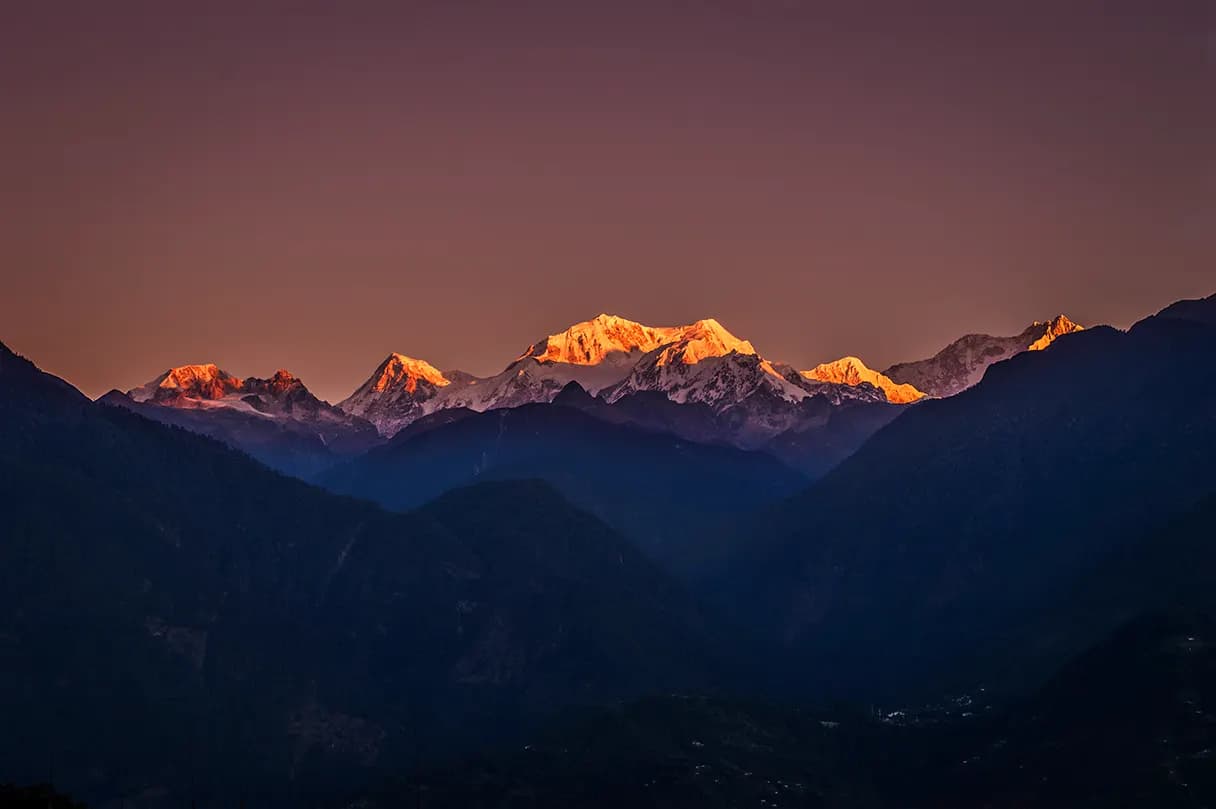
DEVGAMAN

Northeast India · Monastery

Ravangla

A 130-foot Buddha, tea gardens and Maenam's ridge walk
27.31° N · 88.36° E

Best months to be here

  • January
  • February
  • March — a best month
  • April — a best month
  • May — a best month
  • June
  • July
  • August
  • September
  • October — a best month
  • November — a best month
  • December — a best month

Best: Mar–May

At a glance

State
Sikkim
Region
Northeast India
Kind of place
Monastery · Modern
Ideal stay
2 days
Altitude
2,013 m
Coordinates
27.31° N, 88.36° E

Ravangla is a small bazaar town on a saddle at about 2,000 metres in south Sikkim, with Kanchenjunga to the north and the Maenam ridge rising behind it. Its landmark is new: Tathagata Tsal, the Buddha Park opened in 2013 on Rabong Gyaza, a hill long identified in Sikkimese texts as sacred, where a 130-foot gilded Sakyamuni stands over a lawn and a relic hall that the Dalai Lama consecrated. Six kilometres away, old Ralang Monastery was built in 1768 after the fourth Chogyal returned from Tsurphu in Tibet, and the newer Palchen Choeling Monastic Institute below it fills each winter with masked Kagyed dances.

Down the eastern slope lies Temi, the only tea estate in Sikkim, planted in 1969 by Tibetan refugee families and still producing a single-estate flush that sells under its own name; the drive through it in April, past pruned bushes and a colonial-era bungalow, is one of the loveliest short roads in the state. The walk everyone should take starts at the Maenam sanctuary gate: four hours up through magnolia, oak and rhododendron to the 3,263-metre summit and the Bhaley Dunga cliff, with red panda country on either side. Evenings belong to the hot springs at Borong and Ralong on the Rangit, which villagers use through the coldest weeks of winter, walking down with bedding and cooking pots.

What not to miss in Ravangla

  1. Tathagata Tsal and its 130-foot gilded Buddha above the relic hall
  2. Old Ralang Monastery of 1768 and the Palchen Choeling institute
  3. Temi Tea Garden, the only tea estate in Sikkim
  4. The Maenam Wildlife Sanctuary climb to a 3,263-metre summit
  5. Bhaley Dunga, the cliff edge above the Rangit valley
  6. Hot springs at Borong and Ralong beside the river

Best Mar–May

Best time to visit Ravangla

March to May for flowers and October to December for views; Pang Lhabsol falls in August or September.

Give Ravangla 2 days and it repays the time; with fewer you are choosing between Tathagata Tsal and its 130-foot gilded Buddha above the relic hall and Old Ralang Monastery of 1768 and the Palchen Choeling institute. We build the hours around the weather — early starts when it is hot, long afternoons when it is not.

  • Ideal stay — 2 days
  • Season — Mar–May
Plan a trip here

On the ground

Things to do in Ravangla

The days we would actually plan for you, in the order that suits the light.

  • Walk the circumambulation path around the Buddha statue at sunrise
  • Time a visit to the Kagyed masked dances at Ralang in December
  • Trek four hours up through rhododendron forest to Maenam peak
  • Tour the Temi tea factory and taste the first flush at the bungalow
  • Soak in the Ralong hot springs in the January cold with local families

At the table

What to eat in Ravangla

  • Sikkimese thali with gundruk, dal and dalle pickle
  • Buckwheat phapar ko roti with churpi
  • Pork curry with fermented bamboo shoot
  • Temi tea, Sikkim's only estate-grown flush

Getting there

How to reach Ravangla

Pakyong airport is 78 km and Bagdogra 110 km; New Jalpaiguri is the railhead, 105 km, with Ravangla about 65 km from Gangtok by road.

Airport pickups, station transfers and the driver for the days here are all part of what we arrange — including the hour you should leave, which is usually earlier than you think.

Travel tips from our trips

  • Foreign nationals need a Sikkim Inner Line Permit; no extra permit is required for Ravangla, Ralang or Temi.
  • The Maenam trek needs a forest entry ticket at the gate and is best started by 7 am, as cloud closes the summit by midday.
  • Buddha Park charges a small entry fee and closes at 5 pm; shoes come off in the relic hall.
  • Nights are cold from November to February and most homestays rely on blankets rather than heating, so pack accordingly.
  • Ravangla pairs naturally with Pelling and Namchi on a loop rather than as a day trip from Gangtok, which is 65 km away.

Next door

Near Ravangla

Places that join Ravangla without a long drive — the way a real week is built.

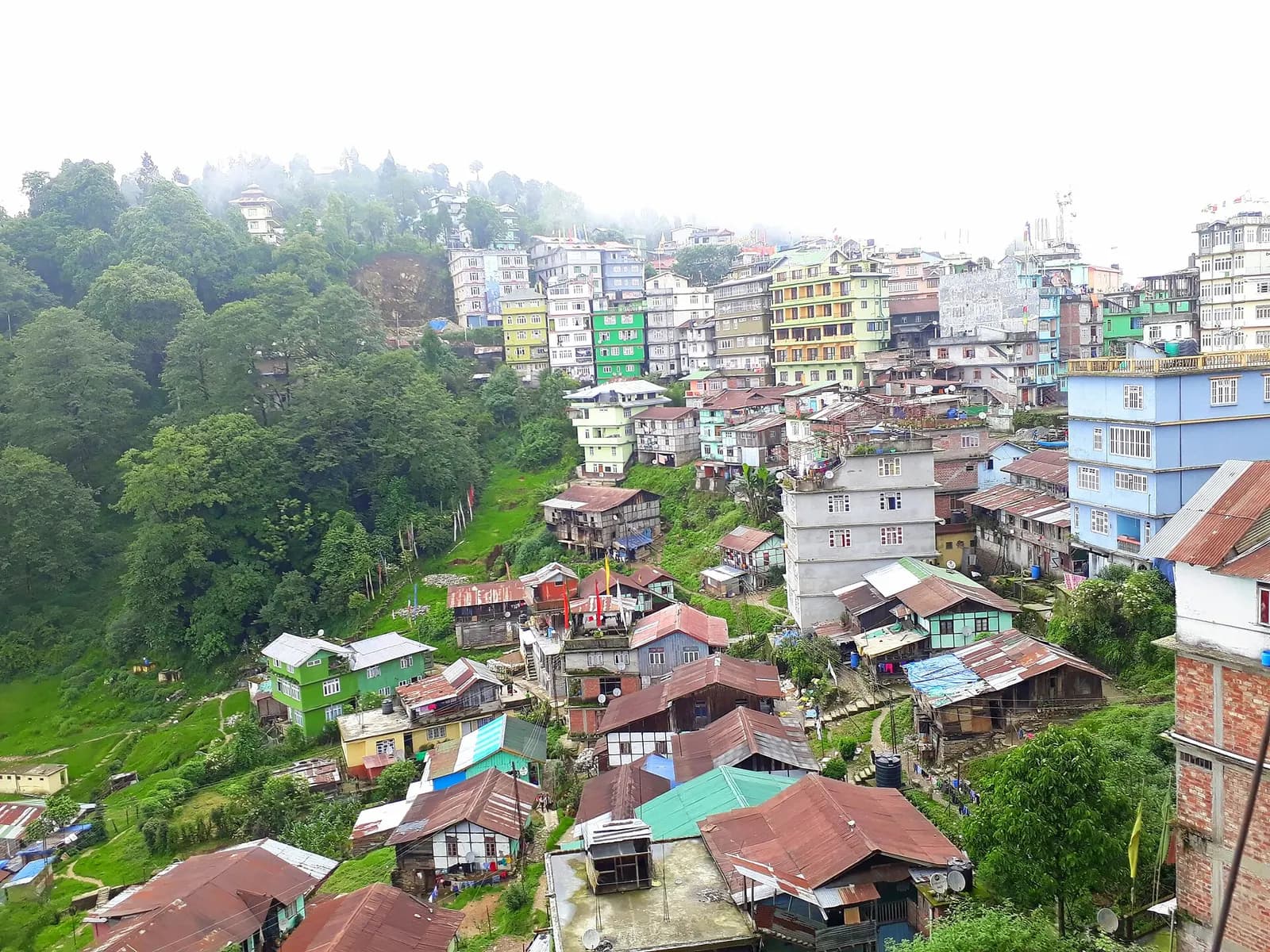
The Kanchenjunga range seen at sunrise from Pelling in West SikkimHill station
Themes:NatureSpiritualHeritagePhotography

Sikkim

Pelling

Sunrise on Kanchenjunga above Sikkim's old royal capital
Ideal stay
2 days
Best time
March to May for rhododendrons
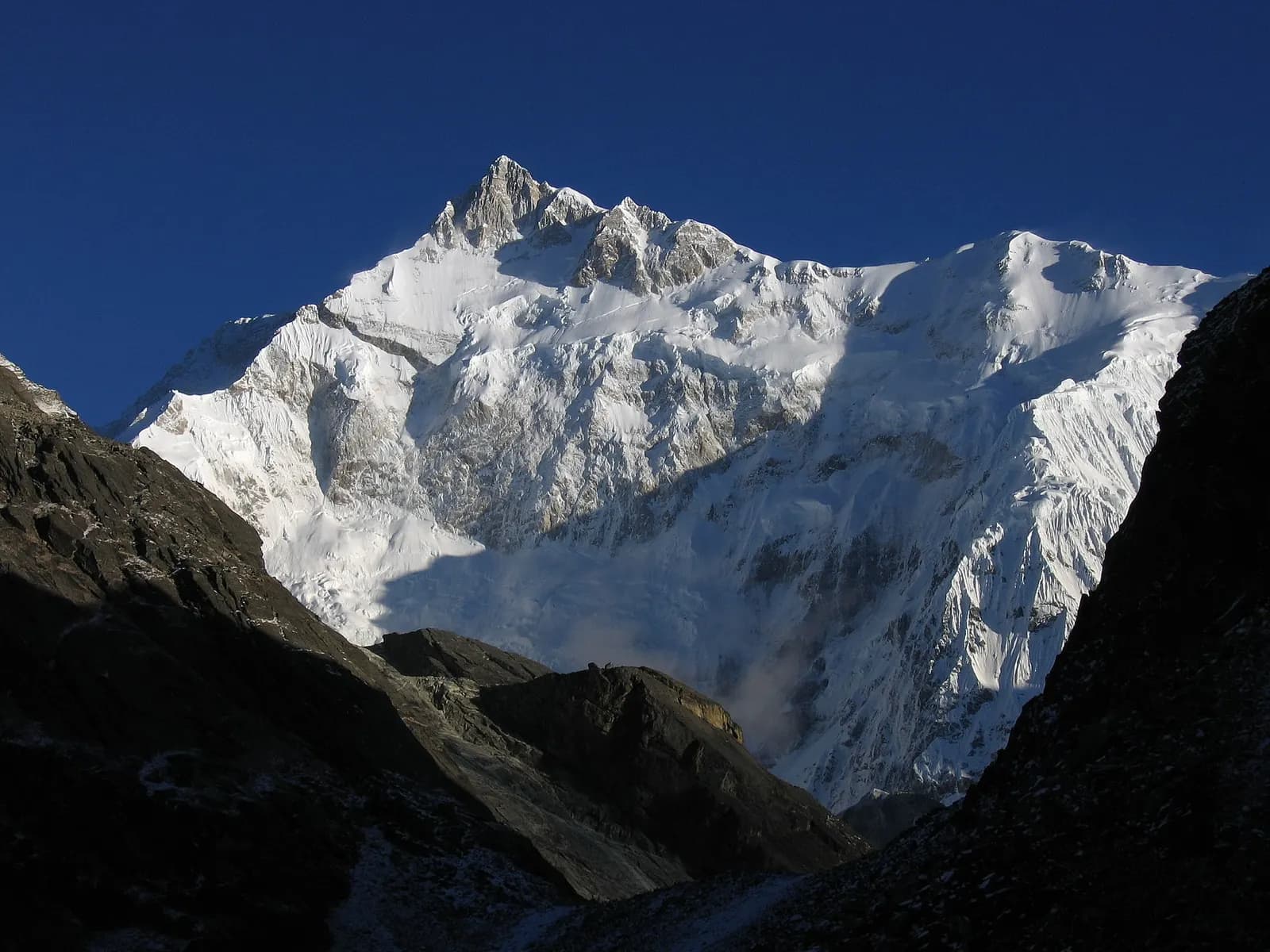
Gangtok's houses stacked along its ridge in Sikkim with mountains behindCity
Themes:CultureSpiritualNatureFood

Sikkim

Gangtok

Prayer flags, ridge streets and Kanchenjunga above a mountain capital
Ideal stay
3 days
Best time
March to May and October to early December for clear Kanchenjunga mornings
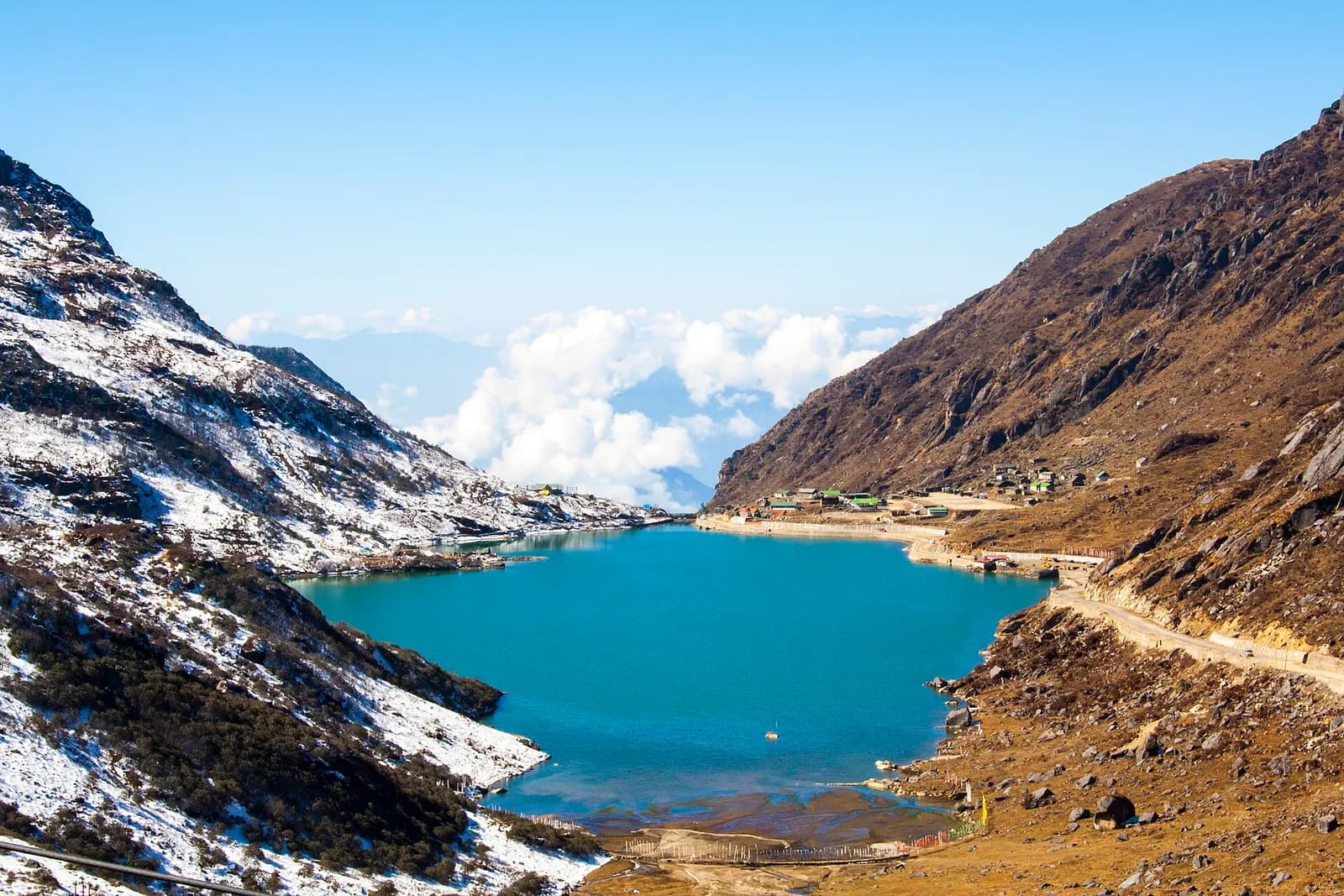
Tsomgo Lake in East Sikkim ringed by snow-streaked ridgesLake
Themes:NatureAdventurePhotography

Sikkim

Tsomgo Lake & Nathu La

A sacred glacial lake and the old Silk Route border pass
Ideal stay
1 day
Best time
April to early June and September to November; snow and ice from December to February
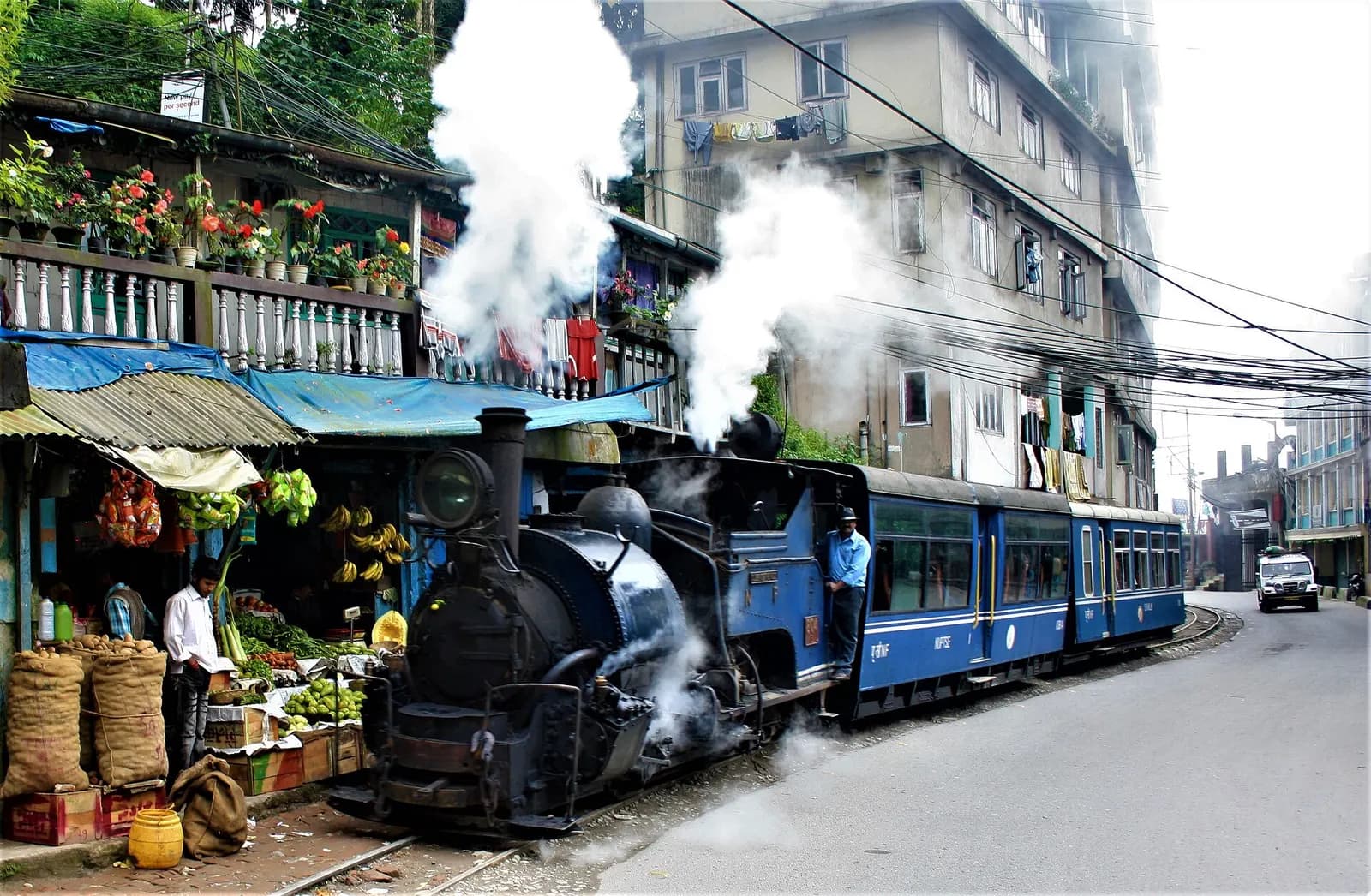
The Darjeeling Himalayan Railway toy train running down a narrow street past shops in DarjeelingHill station
Themes:NatureCultureFoodPhotography

West Bengal

Darjeeling

Toy trains, first-flush tea and Kanchenjunga at first light

Ideal stay
3 days
Best time
March to May and October to early December for clear mountain views

Before you ask

Questions we are asked about Ravangla

When is the best time to visit Ravangla?
March to May for flowers and October to December for views; Pang Lhabsol falls in August or September. On the calendar that is Mar–May. We build Ravangla into a journey inside that window wherever we can; when your dates are fixed outside it, we re-plan the hours of the day around the weather rather than talk you out of the trip.
How many days do you need in Ravangla?
We plan 2 days in Ravangla. That is enough for Tathagata Tsal and its 130-foot gilded Buddha above the relic hall, Old Ralang Monastery of 1768 and the Palchen Choeling institute and Temi Tea Garden, the only tea estate in Sikkim, at a pace that still leaves room for a long lunch. Add a day if you are continuing to Pelling and Gangtok.
How do you reach Ravangla?
Pakyong airport is 78 km and Bagdogra 110 km; New Jalpaiguri is the railhead, 105 km, with Ravangla about 65 km from Gangtok by road. We arrange the transfer and the driver as part of the journey, so you are met on arrival instead of negotiating a taxi at the gate, and the timings are set around when Ravangla is at its best rather than around the clock.
What is Ravangla famous for?
Ravangla is a monastery in Sikkim, Northeast India, best known for Tathagata Tsal and its 130-foot gilded Buddha above the relic hall, Old Ralang Monastery of 1768 and the Palchen Choeling institute and Temi Tea Garden, the only tea estate in Sikkim. Travellers come for spiritual, nature, culture and offbeat, and most give it 2 days.
Is Ravangla good for families?
Ravangla is planned more often for spiritual, nature, culture and offbeat than as a family stop, but it works well at a slower pace. 2 days, an early start and one unhurried afternoon is the shape we would suggest, inside the Mar–May window. Tell us who is travelling and we will pace it around them.

Ravangla, planned by hand

Shall we begin?

चलिए, शुरू करते हैं

Tell us how many days you have. We will build Ravangla into a journey that suits them.