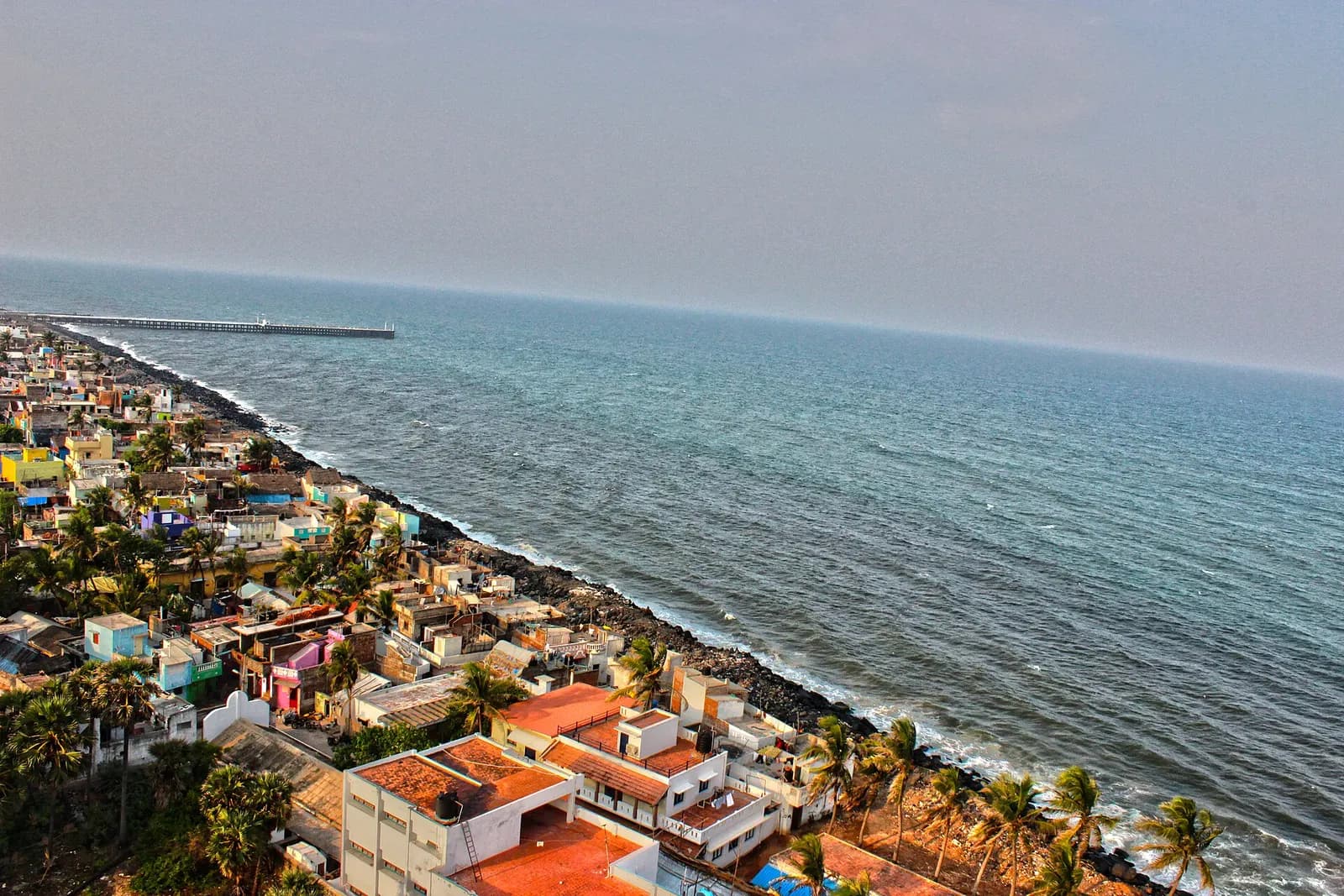
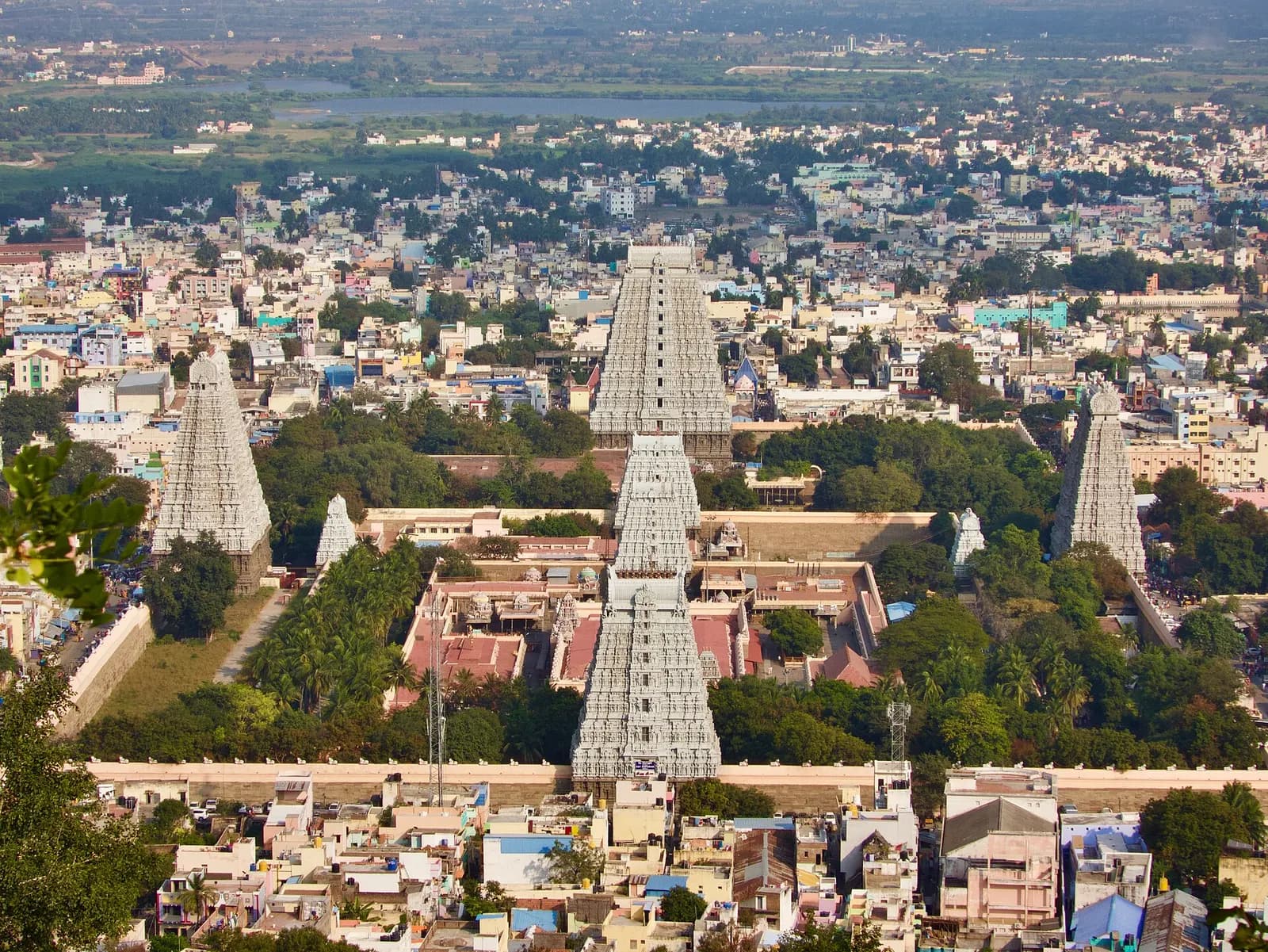
Chennai began as Madraspatnam, a strip of surf-battered coast the East India Company bought in 1639 and fortified as Fort St George, the first English settlement in India; its paymaster's building and St Mary's Church, consecrated in 1680, still stand inside what is now the Tamil Nadu Secretariat. Around that colonial core the city is far older. Mylapore, where the Kapaleeshwarar Temple's gopuram rises over a stepped tank, was a port trading with Rome long before the Pallavas held this coast, and San Thome Basilica claims the tomb of the apostle Thomas.
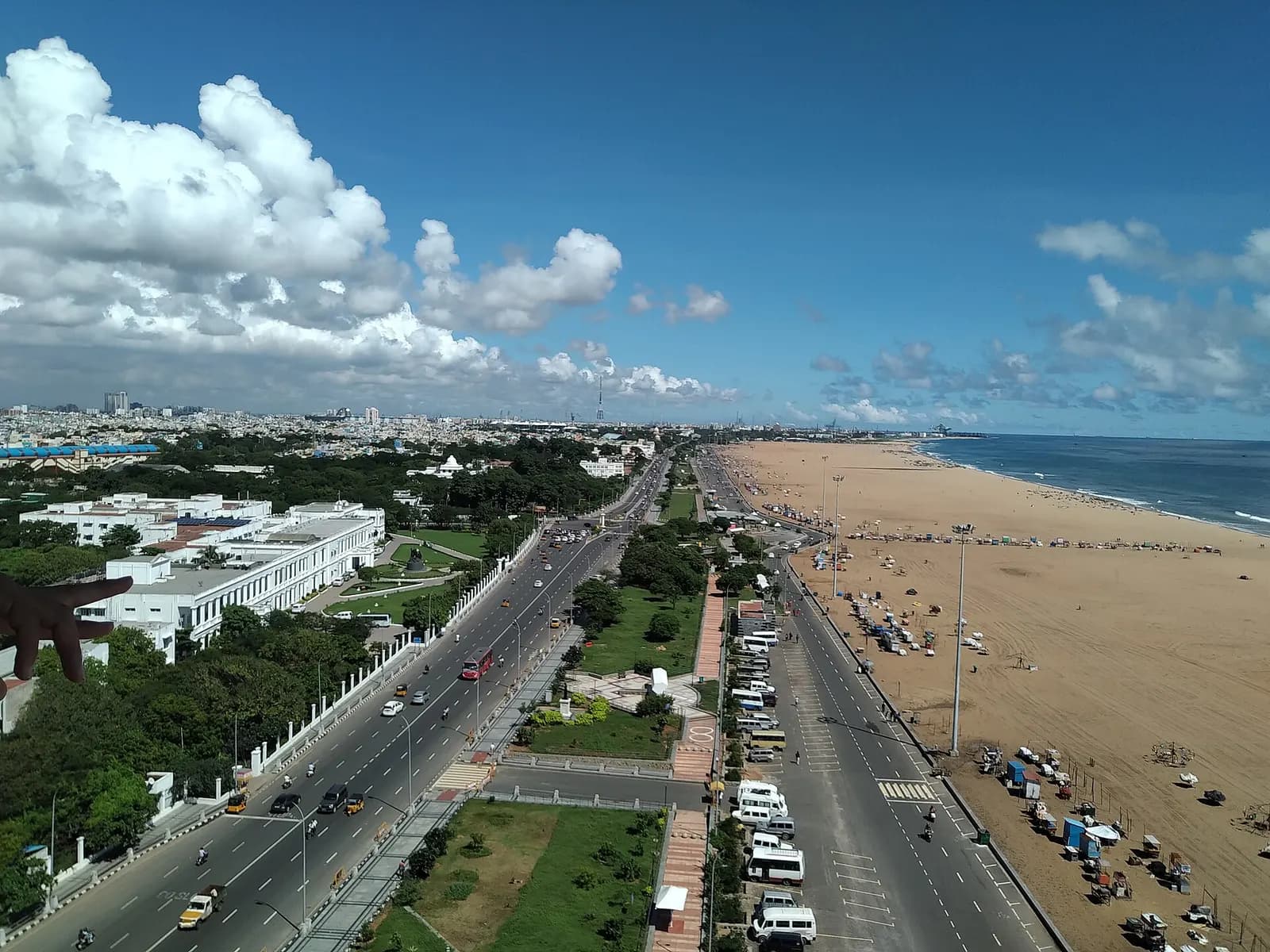
A day here has a rhythm. Walk the Marina before seven, when fishermen haul catamarans onto the sand and the Ice House and the university's Indo-Saracenic facades catch the light. Mid-morning belongs to the Government Museum in Egmore, whose bronze gallery holds the finest Chola Natarajas outside a working temple.
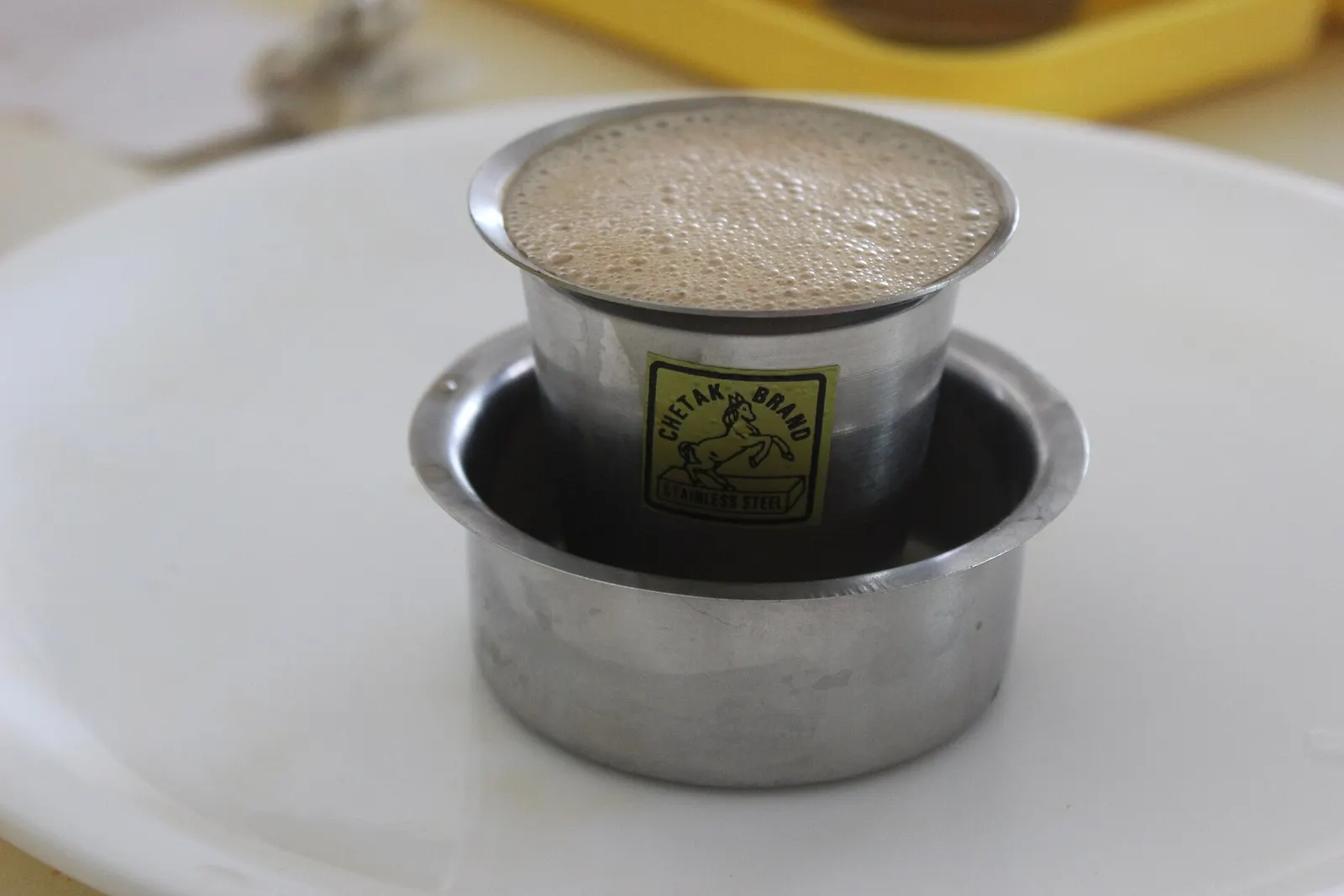
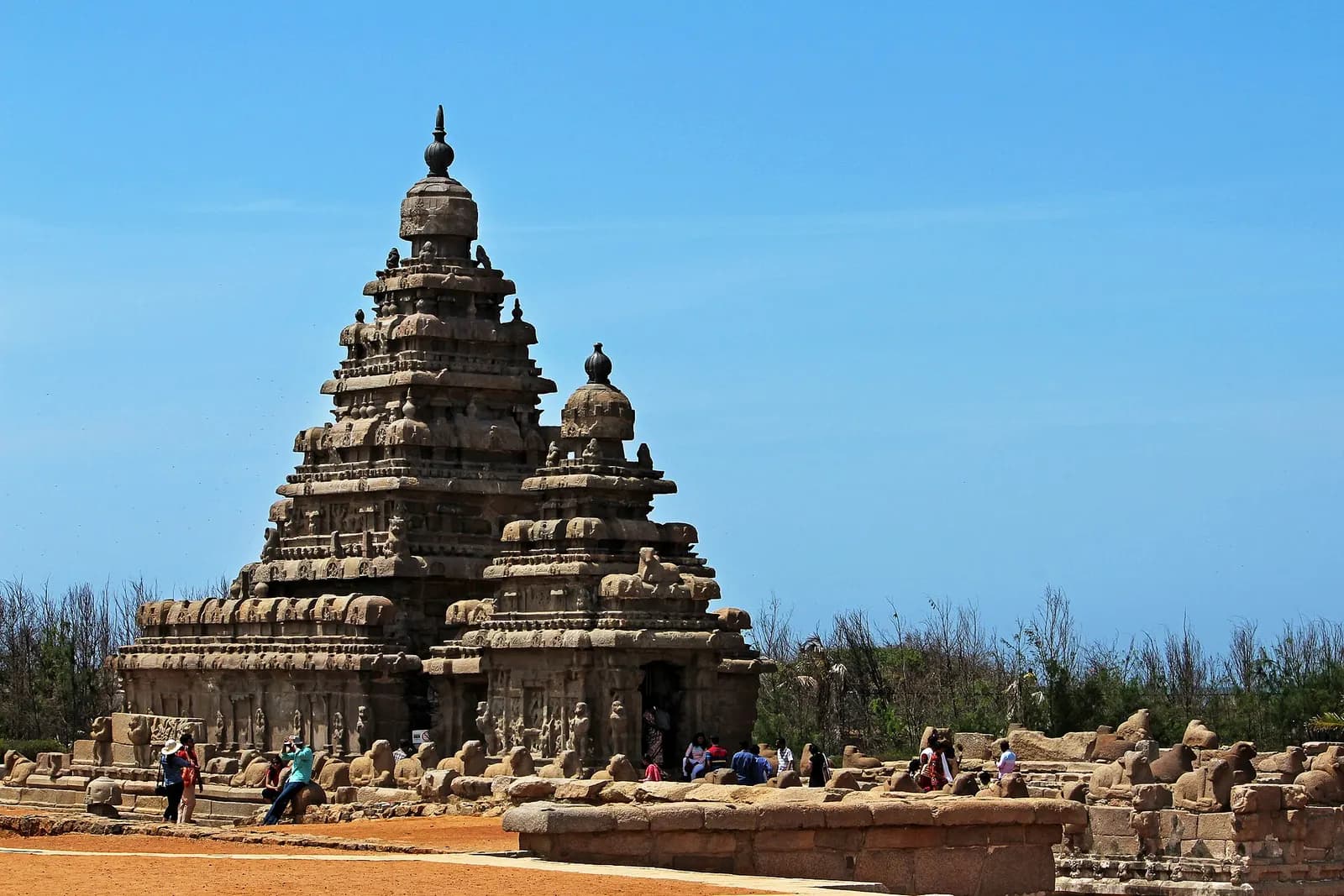
Lunch is a banana-leaf meal in Mylapore; afternoons are for the flower market on Kutchery Road, silks in T Nagar and second-hand books on Anna Salai. In December and January the city turns inward for the Margazhi music season, when more than a thousand Carnatic concerts and Bharatanatyam recitals run across sabhas from the Music Academy to Narada Gana Sabha, canteen sambar included. Chennai is also the gateway south, with Mahabalipuram an hour down the East Coast Road.
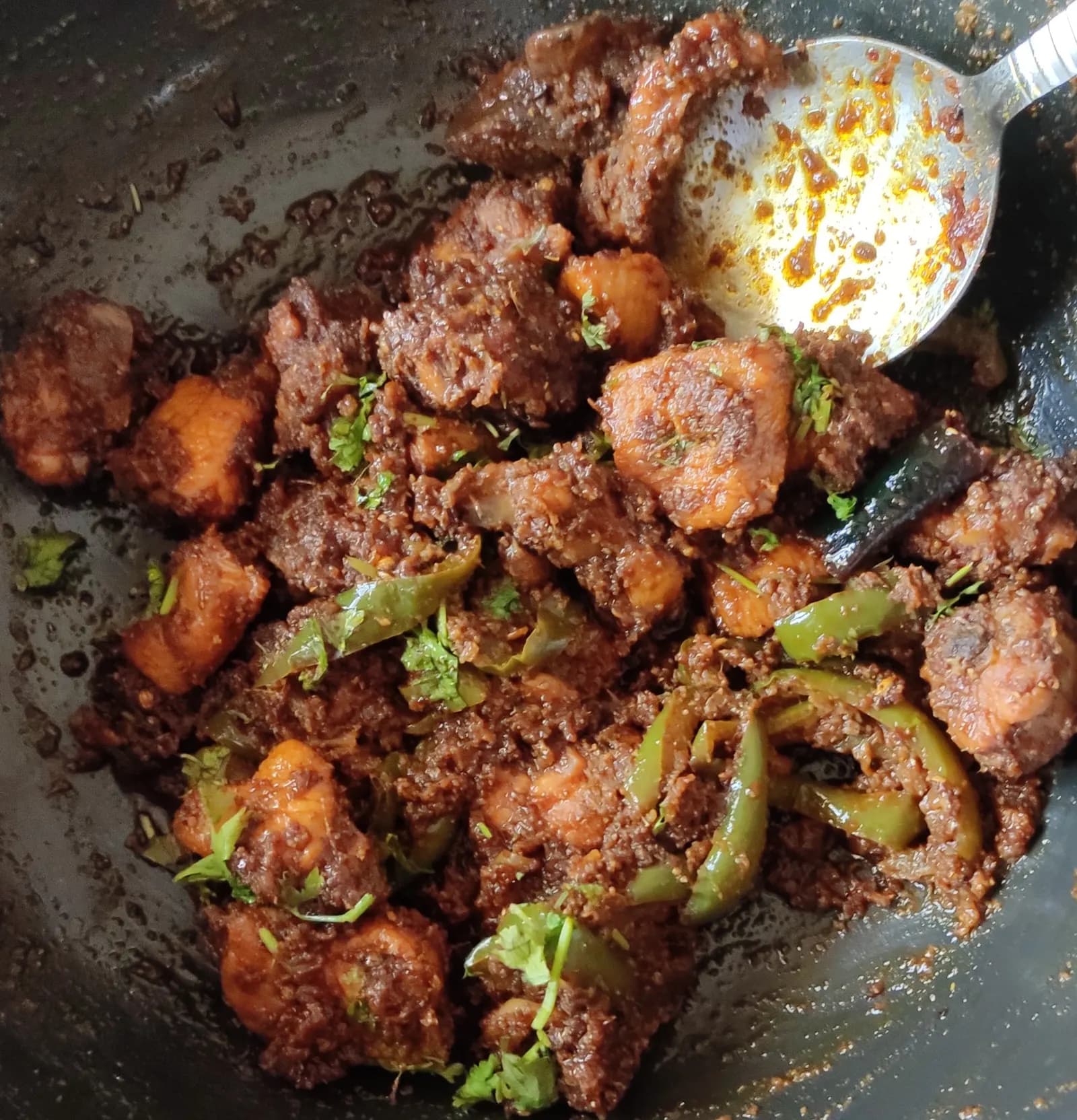 Non-veg