DEVGAMAN

Central India · Fort

Gwalior

A hill fort that has watched over the heartland for fourteen centuries
26.23° N · 78.17° E

Best months to be here

  • January — a best month
  • February — a best month
  • March — a best month
  • April
  • May
  • June
  • July
  • August
  • September
  • October — a best month
  • November — a best month
  • December — a best month

Best: Oct–Mar

At a glance

Region
Central India
Kind of place
Fort · Medieval
Ideal stay
2 days
Altitude
200 m
Coordinates
26.23° N, 78.17° E

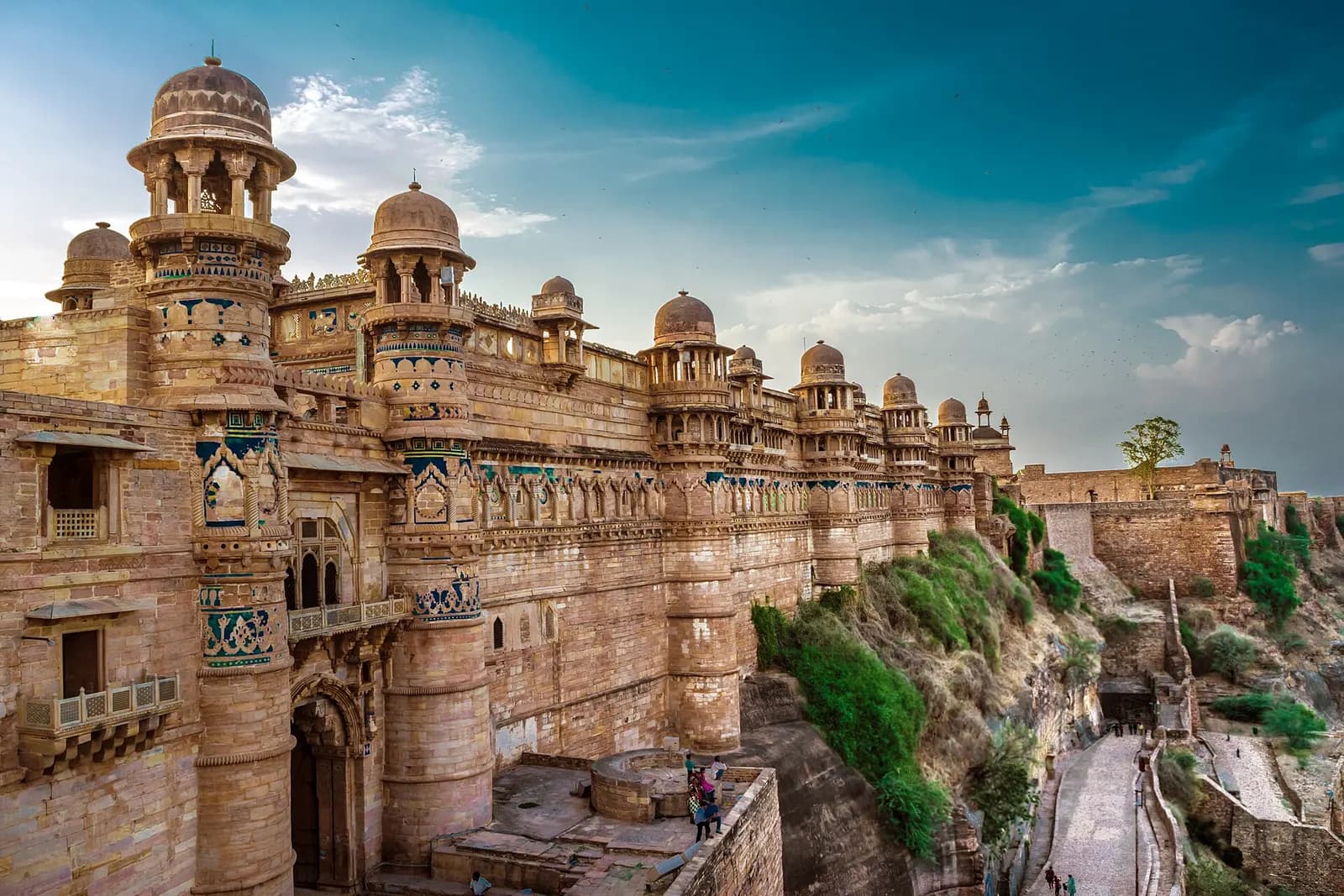
The rock of Gwalior, Gopachal, has been fortified since at least the 6th century, when legend says a chieftain named Suraj Sen was cured of leprosy by the sage Gwalipa and named the fort for him. Every power that mattered in north India held it in turn: the Kachchhapaghatas, Tomars, Delhi Sultans, Mughals, Marathas and finally the British, who took it during the 1857 uprising. The approach from the Urwahi side passes rock-cut Jain tirthankaras up to 17 metres tall, carved in the 15th century and defaced under Babur; the eastern road climbs through a chain of gateways to the Man Mandir, the palace of Raja Man Singh Tomar with its blue, yellow and green tilework of ducks and elephants.

Behind it lie the twin Sas-Bahu temples, 11th-century towers of miniature spires, and the Teli ka Mandir, a 9th-century temple with a wagon-vault roof unlike anything else in the north. The small Chaturbhuj Temple beside the gate carries a 9th-century inscription with one of the oldest known written zeros. Down in the city, the Scindias' Jai Vilas Palace has a Durbar Hall hung with two 3.5-tonne chandeliers and a silver toy train that carried brandy around the dining table.

Tansen, Akbar's greatest musician, is buried beside his Sufi master Ghaus Mohammed, and the December Tansen Samaroh brings singers to perform beside his tomb. A good day means a morning on the fort, a bedai and kachori lunch in the old bazaars, and a slow evening in the Gujari Mahal museum.

What not to miss in Gwalior

  1. Man Mandir Palace glazed tiles
  2. Teli ka Mandir and the Sas-Bahu temples on the fort
  3. Gopachal rock-cut Jain colossi
  4. Jai Vilas Palace Durbar Hall
  5. Tansen's tomb and the December Tansen Samaroh
  6. Gujari Mahal archaeological museum

Best Oct–Mar

Best time to visit Gwalior

October to March; December for the Tansen Samaroh.

Give Gwalior 2 days and it repays the time; with fewer you are choosing between Man Mandir Palace glazed tiles and Teli ka Mandir and the Sas-Bahu temples on the fort. We build the hours around the weather — early starts when it is hot, long afternoons when it is not.

  • Ideal stay — 2 days
  • Season — Oct–Mar
Plan a trip here

On the ground

Things to do in Gwalior

The days we would actually plan for you, in the order that suits the light.

  • Fort walk from Urwahi gate at sunrise
  • Evening sound and light show at Man Mandir
  • Bedai and kachori breakfast trail in the old city
  • Winter gajak shopping in the old city bazaars
  • Day trip to the Chausath Yogini temple at Mitaoli and the Bateshwar temples, about 40 km

At the table

What to eat in Gwalior

  • Bedai with aloo sabzi
  • Gwalior kachori
  • Morena gajak
  • Poha
  • Rabri

Getting there

How to reach Gwalior

Gwalior Airport (GWL) has limited flights from Delhi, Mumbai and Bengaluru; Gwalior Junction is on the Delhi to Mumbai main line; Agra is 120 km and Delhi about 330 km by road.

Airport pickups, station transfers and the driver for the days here are all part of what we arrange — including the hour you should leave, which is usually earlier than you think.

Travel tips from our trips

  • The fort is a long, hot walk; go early, wear proper shoes, and take an auto to the top gate if needed
  • Fort monuments close at sunset, followed by sound and light shows in Hindi and English
  • The Jai Vilas Palace museum keeps a weekly closing day, usually Wednesday; confirm it before building an afternoon around the visit
  • November to February is the season; Tansen Samaroh dates fall in December
  • Gwalior is on the Delhi to Bhopal line; the Gatimaan and Shatabdi reach it from Delhi in about 3.5 hours

Next door

Near Gwalior

Places that join Gwalior without a long drive — the way a real week is built.

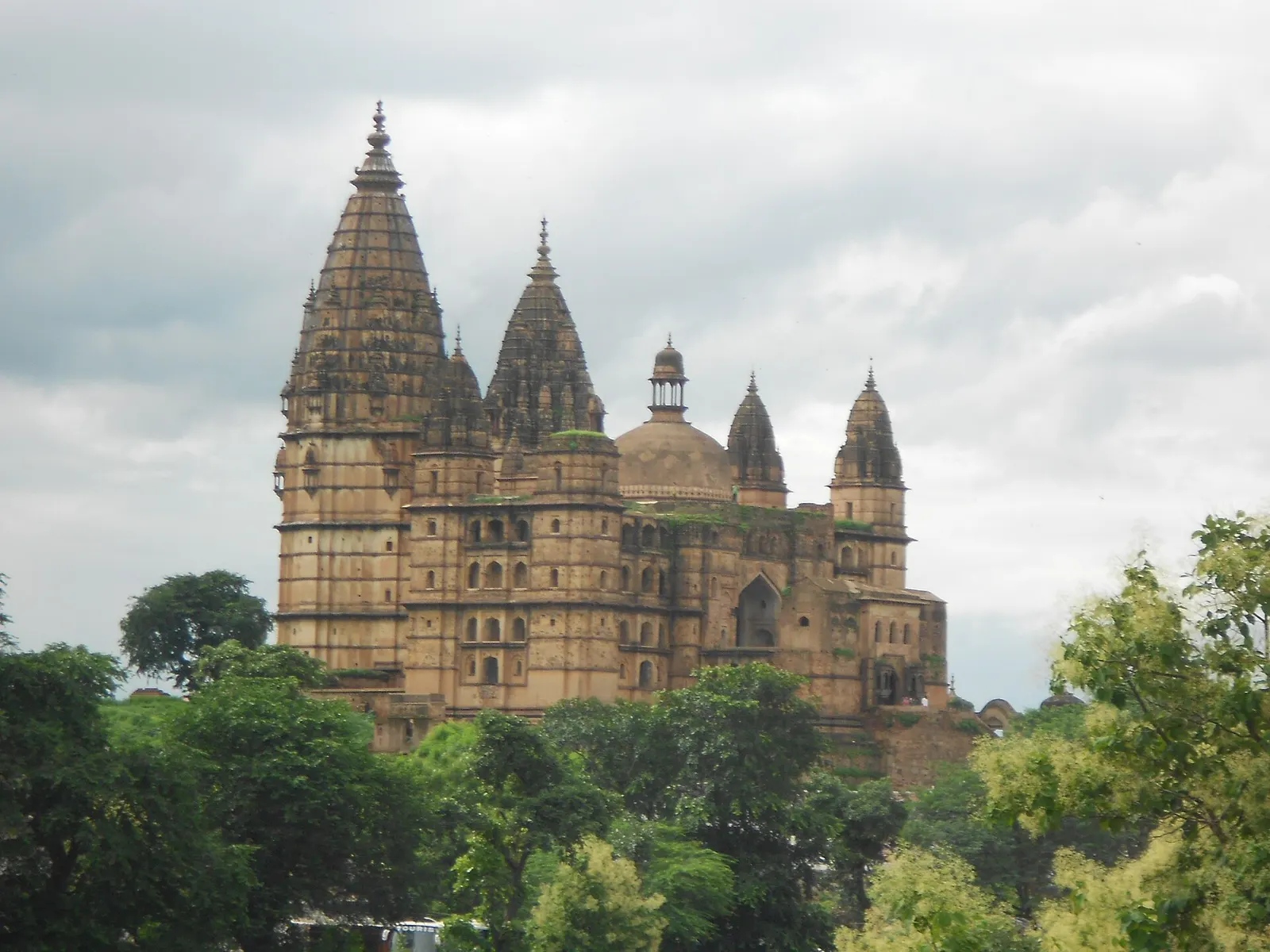
Bundela chhatris of Orchha rising above the Betwa river at sunsetHeritage
Themes:HeritageSpiritualPhotographyRomance

Madhya Pradesh

Orchha

Bundela palaces, riverside cenotaphs and a god who reigns as king
Ideal stay
2 days
Best time
October to March
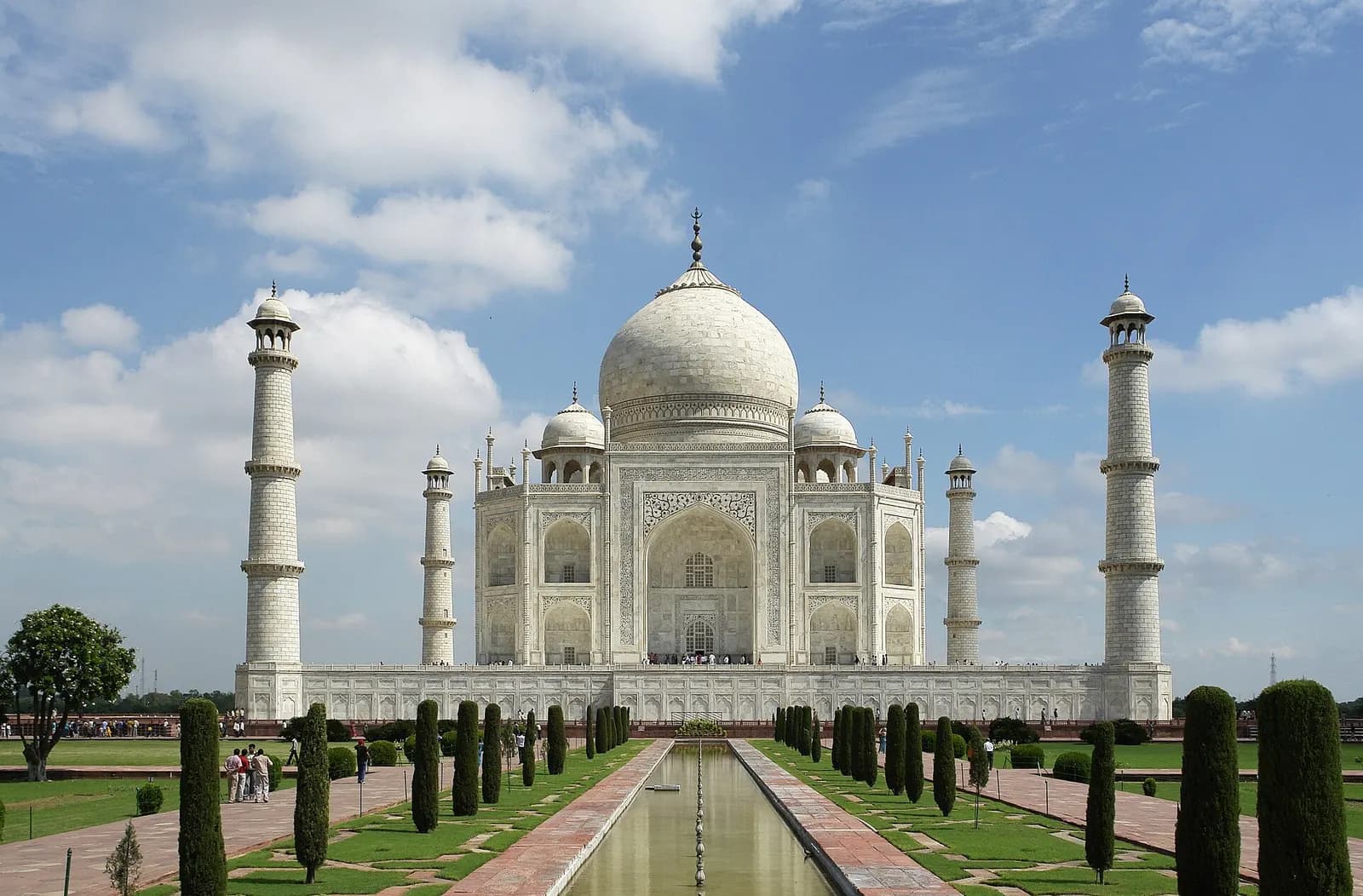
The Taj Mahal in Agra seen across its garden and long reflecting poolHeritage
Themes:HeritageRomancePhotographyFood

Uttar Pradesh

Agra

The Taj at dawn, and a city that outlives it
Ideal stay
2 days
Best time
October to March; the Taj is closed on Fridays and open on five nights around each full moon.
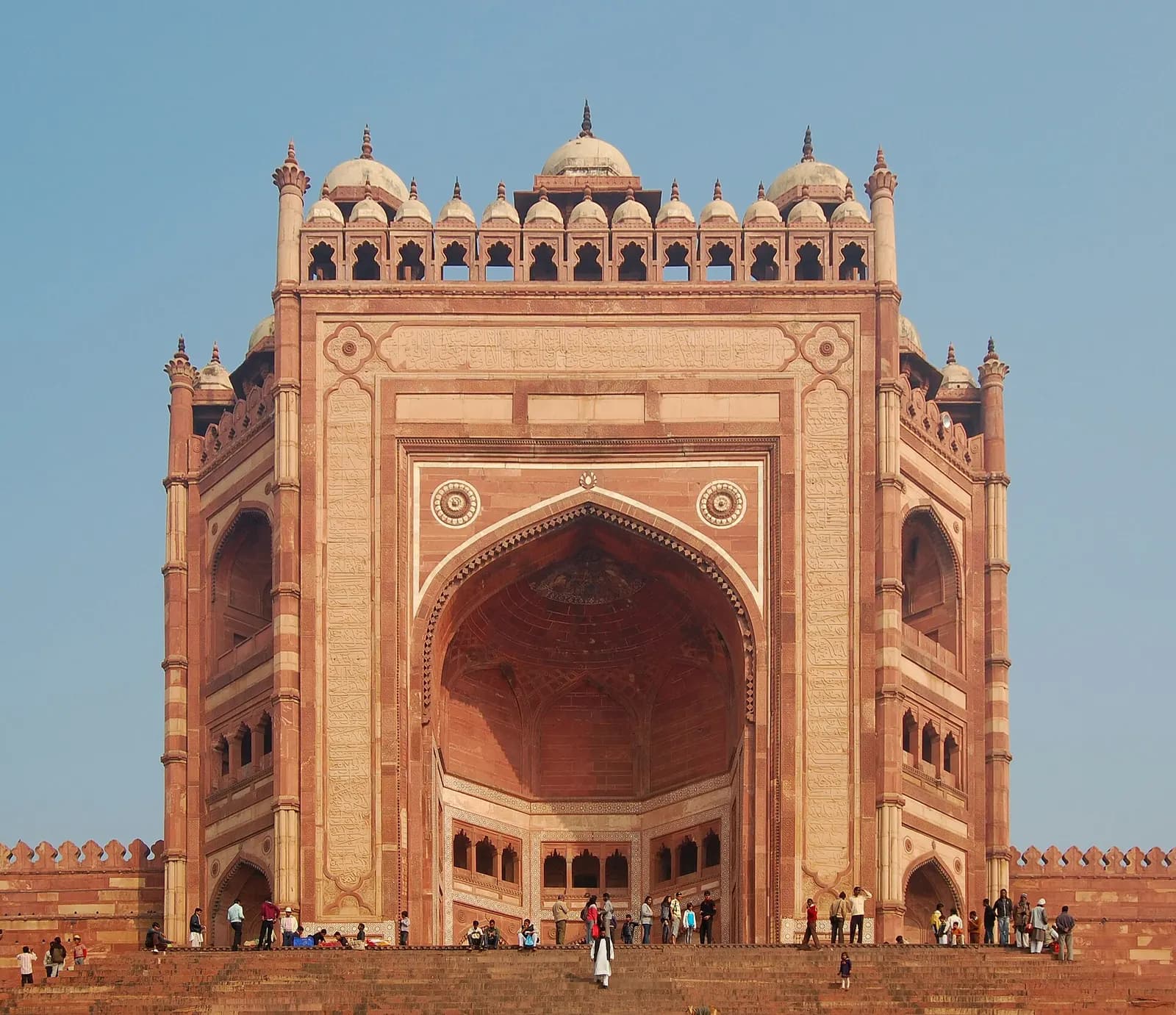
The Buland Darwaza, the red sandstone victory gate of Fatehpur Sikri near AgraHeritage
Themes:HeritagePhotographySpiritual

Uttar Pradesh

Fatehpur Sikri

Akbar's red sandstone capital, abandoned after fourteen years
Ideal stay
1 day
Best time
October to March; avoid midday from April to June when the ridge bakes.
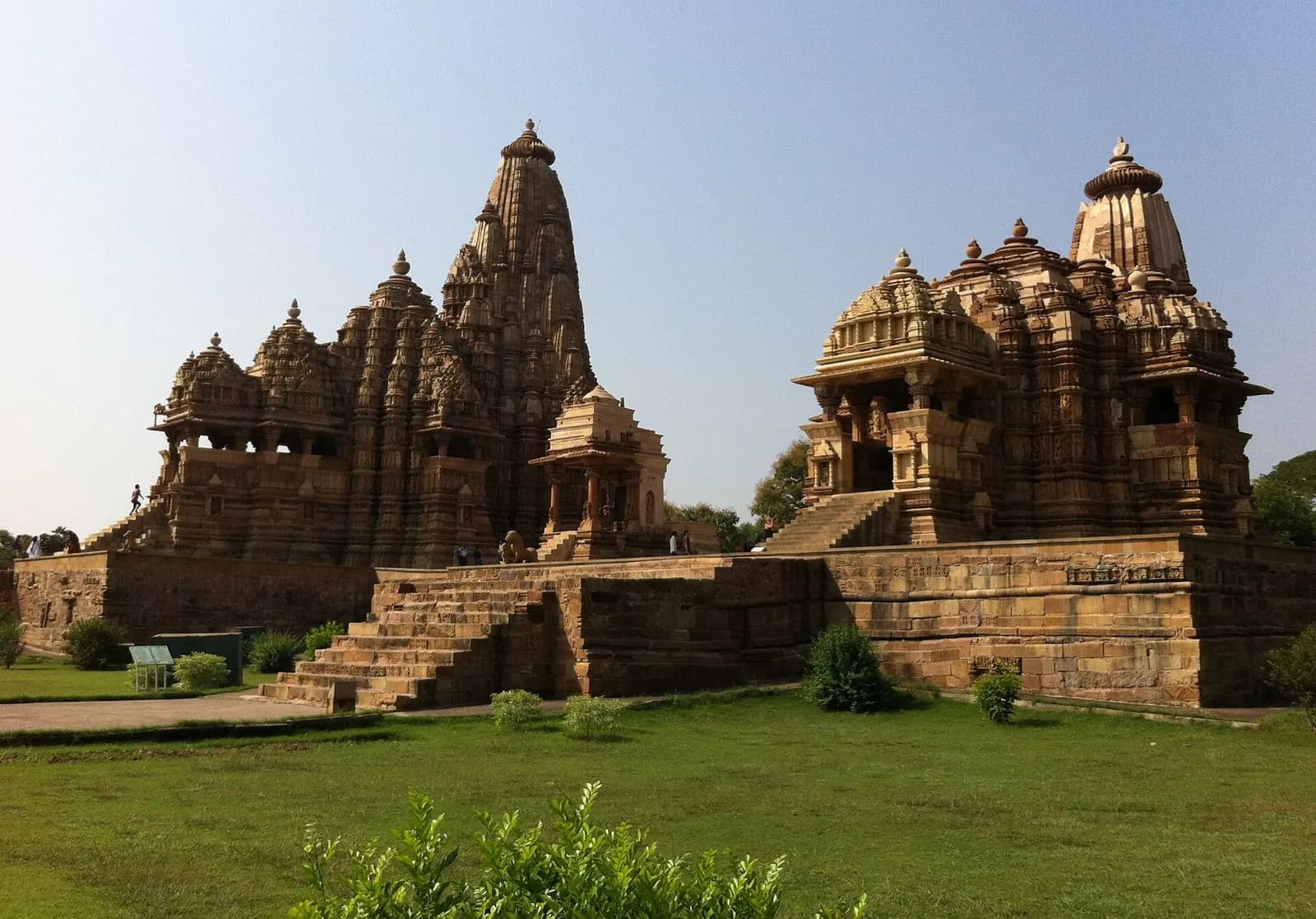
Kandariya Mahadeva temple at Khajuraho with its clustered sandstone spires against a blue skyTemple
Themes:HeritageCulturePhotographySpiritual

Madhya Pradesh

Khajuraho

Chandela temples where stone breathes desire, devotion and daily life

Ideal stay
2 days
Best time
October to March; February for the dance festival

Before you ask

Questions we are asked about Gwalior

When is the best time to visit Gwalior?
October to March; December for the Tansen Samaroh. On the calendar that is Oct–Mar. We build Gwalior into a journey inside that window wherever we can; when your dates are fixed outside it, we re-plan the hours of the day around the weather rather than talk you out of the trip.
How many days do you need in Gwalior?
We plan 2 days in Gwalior. That is enough for Man Mandir Palace glazed tiles, Teli ka Mandir and the Sas-Bahu temples on the fort and Gopachal rock-cut Jain colossi, at a pace that still leaves room for a long lunch. Add a day if you are continuing to Orchha and Agra.
How do you reach Gwalior?
Gwalior Airport (GWL) has limited flights from Delhi, Mumbai and Bengaluru; Gwalior Junction is on the Delhi to Mumbai main line; Agra is 120 km and Delhi about 330 km by road. We arrange the transfer and the driver as part of the journey, so you are met on arrival instead of negotiating a taxi at the gate, and the timings are set around when Gwalior is at its best rather than around the clock.
What is Gwalior famous for?
Gwalior is a fort in Madhya Pradesh, Central India, best known for Man Mandir Palace glazed tiles, Teli ka Mandir and the Sas-Bahu temples on the fort and Gopachal rock-cut Jain colossi. Travellers come for heritage, culture, food and photography, and most give it 2 days.
Is Gwalior good for families?
Gwalior is planned more often for heritage, culture, food and photography than as a family stop, but it works well at a slower pace. 2 days, an early start and one unhurried afternoon is the shape we would suggest, inside the Oct–Mar window. Tell us who is travelling and we will pace it around them.

Gwalior, planned by hand

Shall we begin?

चलिए, शुरू करते हैं

Tell us how many days you have. We will build Gwalior into a journey that suits them.